Cold Storage Roofing in Elk Grove, CA

Assess Elk Grove cold storage roofs through moisture diagnosis, insulation and air-control continuity, equipment details, drainage, and phased roof correction.

Property Types We Roof  /  Call 555-555-5555

Cold Storage Roofing at a Glance

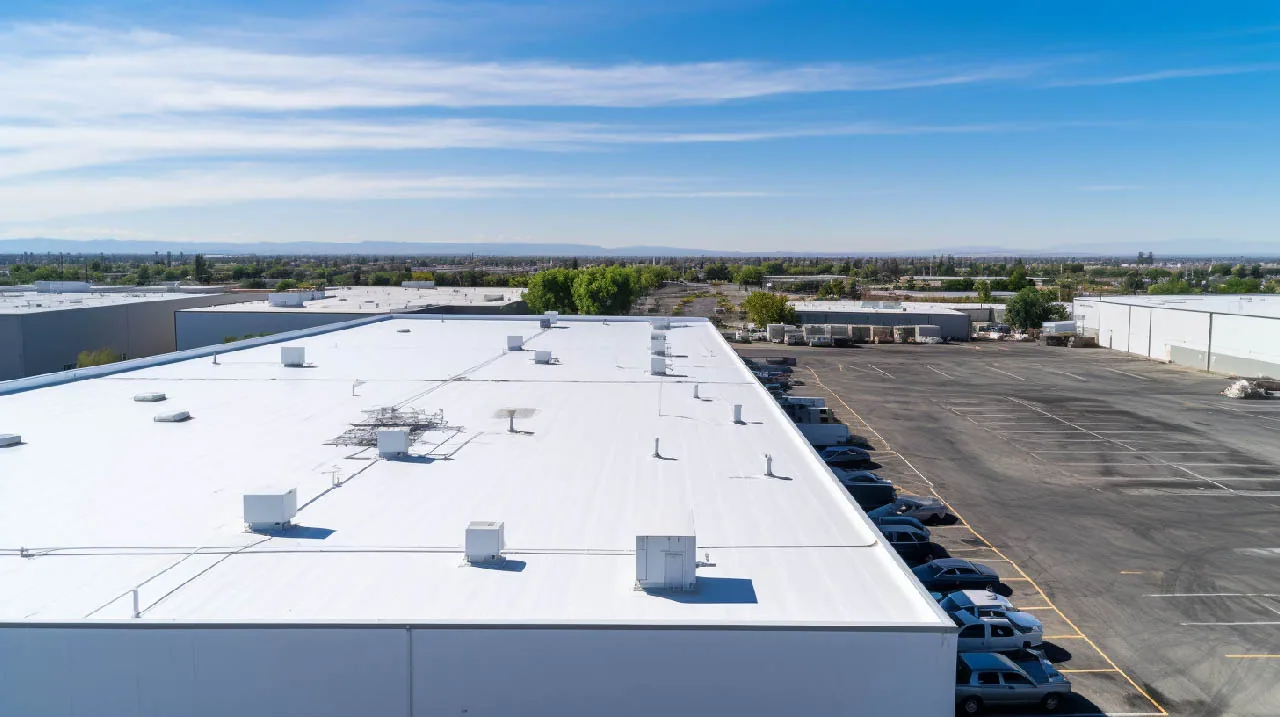
Moisture above a cold room can change the roofing scope if the problem involves air entering the assembly rather than an opening exposed to rain. Commercial Roofing Elk Grove examines cold storage roofing in Elk Grove, CA, by comparing the water report with indoor conditions, roof details, and concealed layer findings. We distinguish the weather barrier from insulation and air-control requirements before selecting a repair. The water mechanism decides the useful correction.

The Sacramento Valley has dry, hot summers and rain during the cooler season, making the contrast between outdoor exposure and a refrigerated interior relevant to assembly review. We compare interior temperature and humidity reports with recent weather and the timing of the moisture symptom. We inspect the building, coordinate the refrigeration operating information, and identify the examination needed to settle whether rainfall entry, condensation, or another interface is affecting the proposed work boundary.

Review cold storage moisture against the roof assembly

Arrange an assessment with roof plans, moisture reports, enclosure information, refrigeration schedules, and access limits. We will identify weather-barrier findings and the related assembly decisions for the proposed correction.

Request a roof assessment or call 555-555-5555.

The right system depends on the roof deck, drainage, insulation, rooftop equipment and how the building is used. These are the systems we install, repair and maintain around Elk Grove.
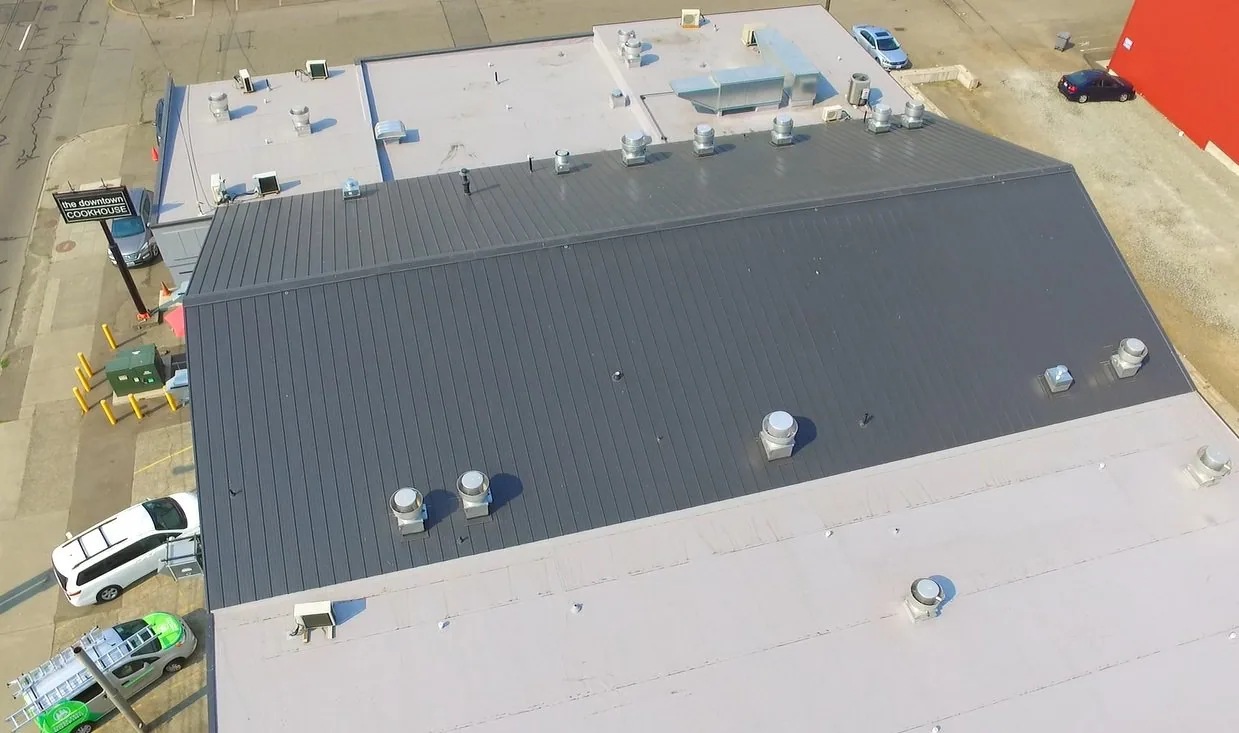
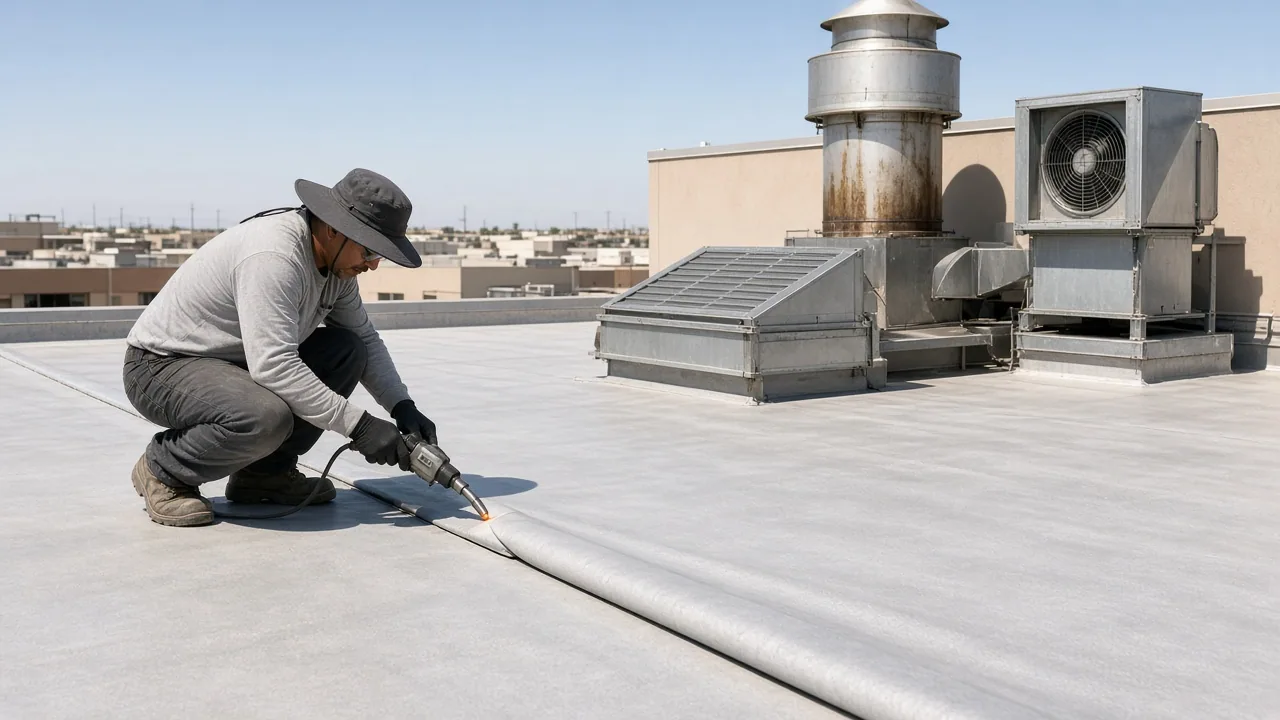
Don't see your roof system? Ask us or call 555-555-5555.

Rainwater and condensation examined separately

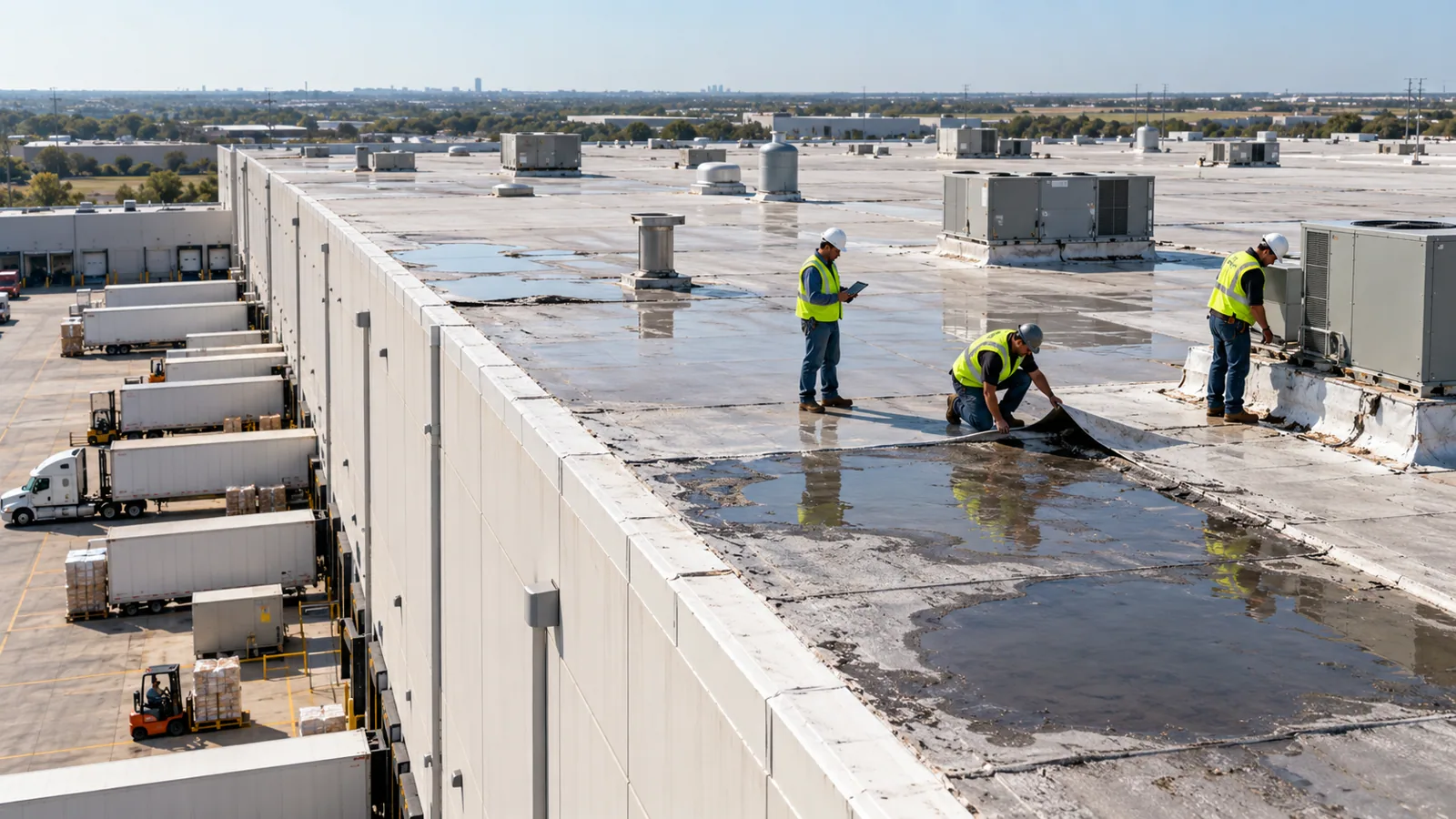
A wet insulation layer can receive water through a membrane opening or accumulate moisture where warm humid air reaches a cold surface. The report's timing, interior temperature and humidity information, equipment operation, and accessible roof condition help select the next test. We examine seams, curbs, walls, and drainage for weather entry while identifying air-control questions requiring design or mechanical review. One observation does not establish every part of that mechanism.

Investigation of rain-related roof entry locates the opening and its connection to retained material. Where condensation is suspected, the assembly's air leakage, insulation continuity, and vapor-control arrangement need their own evaluation. Adding membrane over the roof does not close a concealed air path at a wall. The findings identify which roofing correction can proceed and which design or refrigeration condition needs resolution before a complete scope is priced.

A moisture map also needs its examination date recorded so subsequent observations can be compared with the same operating conditions.
Cold Storage Roofing

A continuous assembly at walls and openings

Insulation changes at a wall junction, equipment curb, or service opening can interrupt thermal continuity. An air-control layer also needs a connected transition where roof and wall meet. We inspect accessible details and available construction information, then identify an authorized opening when it would settle concealed conditions. The appropriate designer establishes the assembly's control-layer arrangement, while roofing work defines the waterproof connection and replacement of affected material. Those responsibilities must meet at the same detail.

Insulation and cover-board correction can restore roofing support or modify the proposed thermal assembly where the project design calls for it. The selected layers need compatible attachment and a usable plane for drainage above. A thicker replacement also changes curb and edge clearance, so those interfaces are measured before procurement. Storage zones outside the refrigerated enclosure may have a different assembly and moisture condition. Their findings remain separate.

Cold Storage Roofing

Equipment connections that affect closure

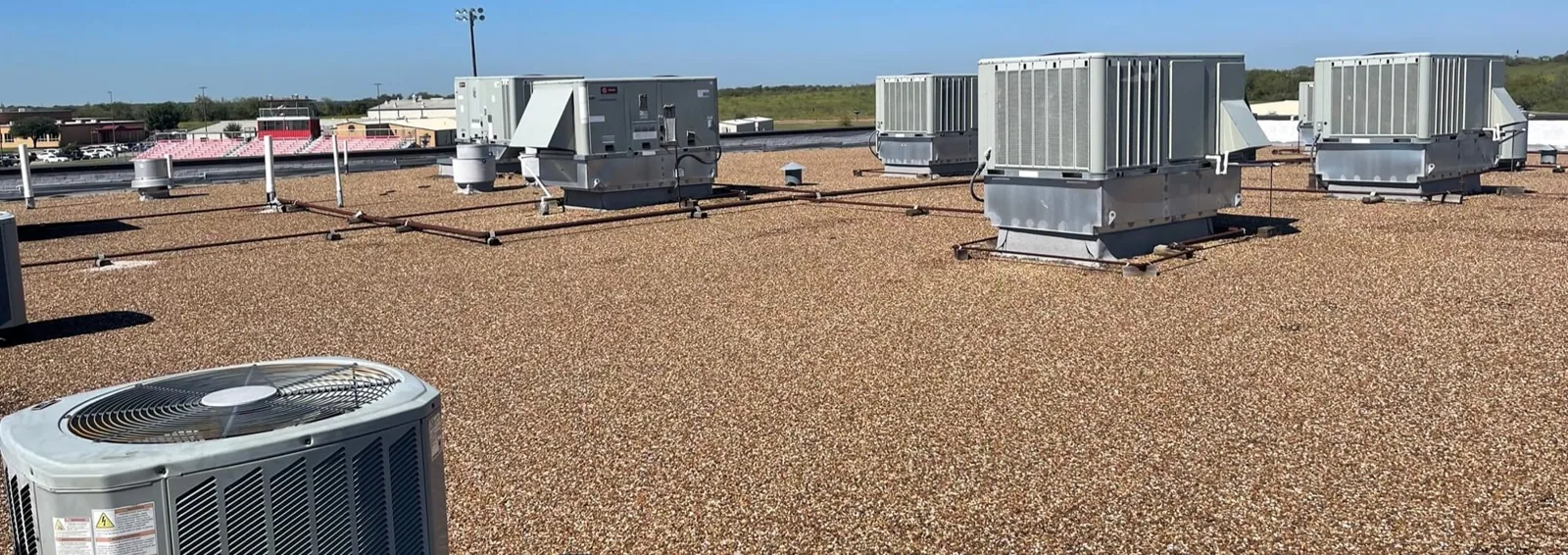
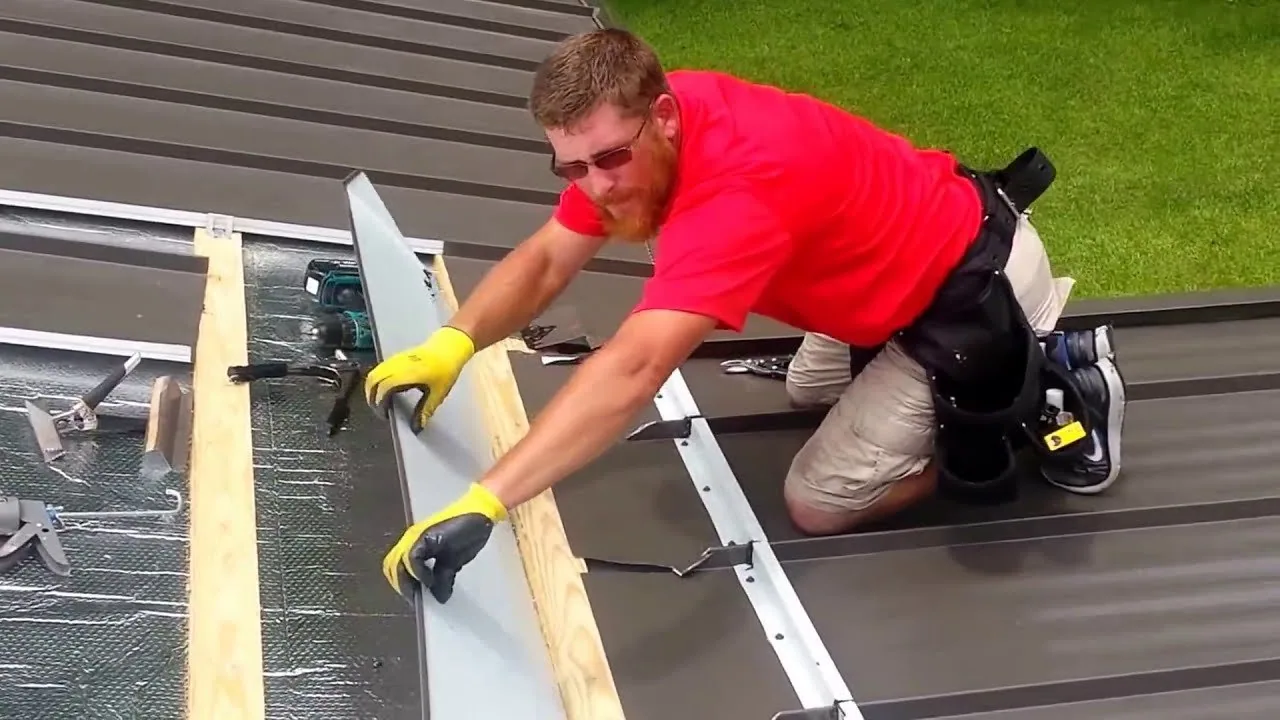
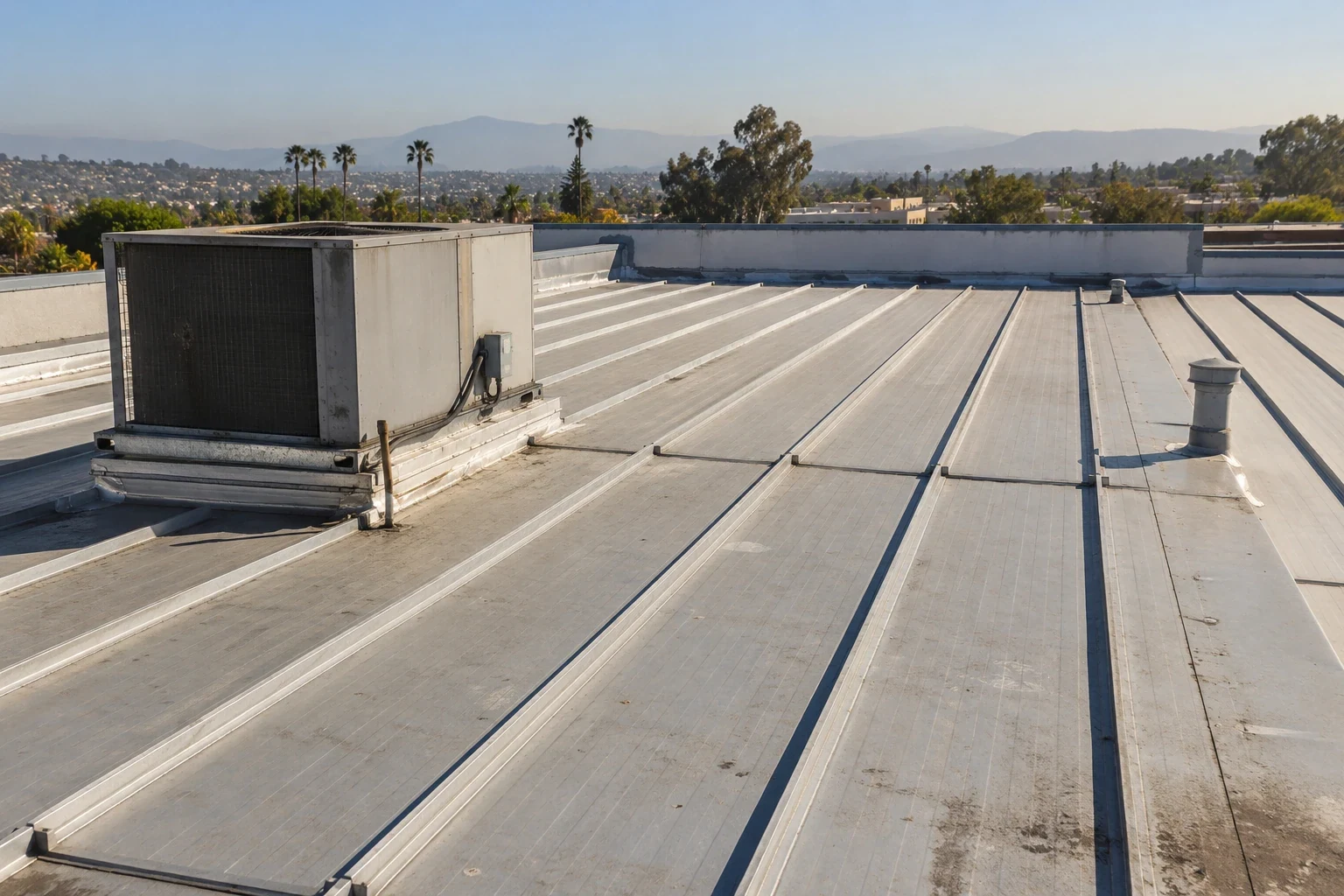
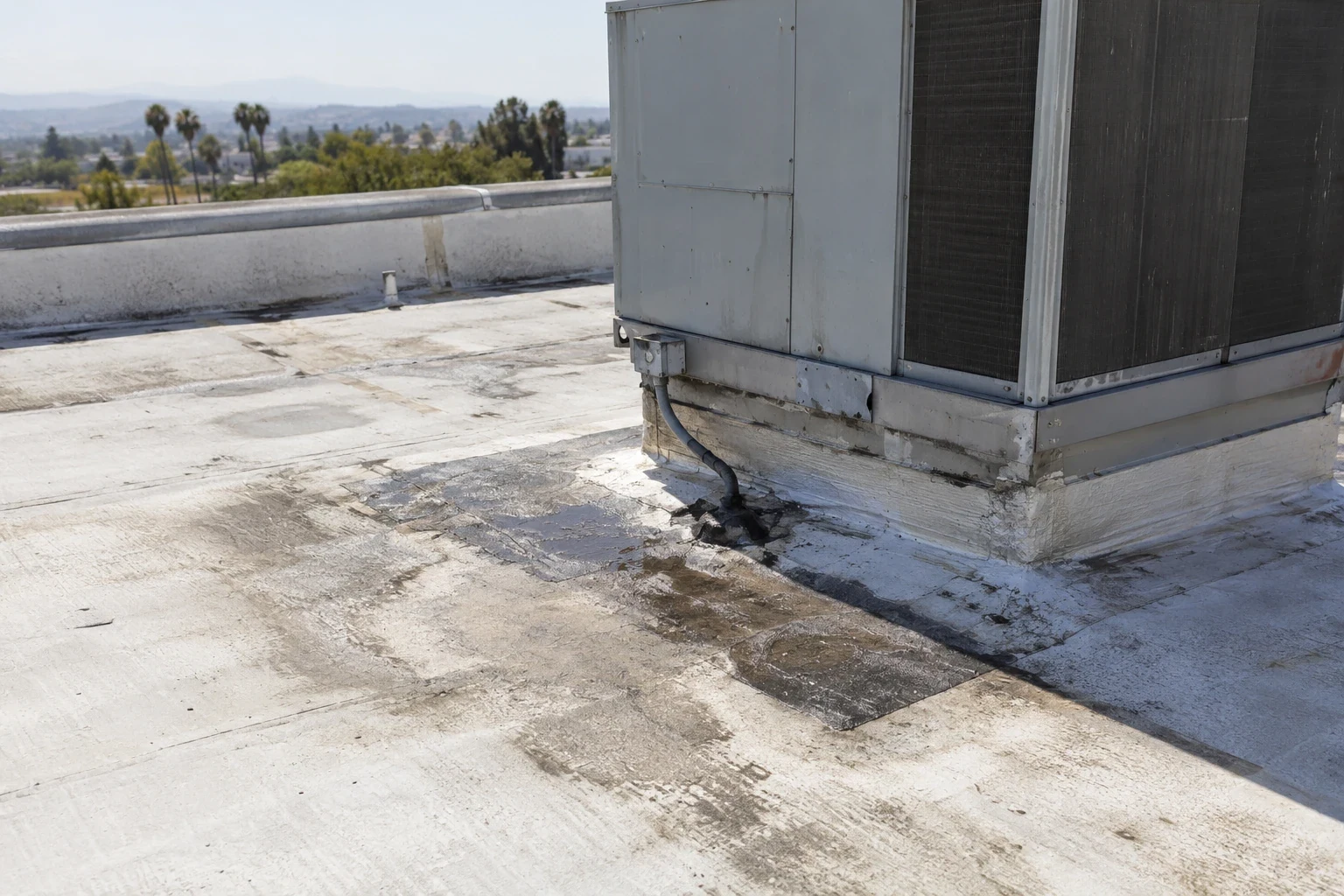
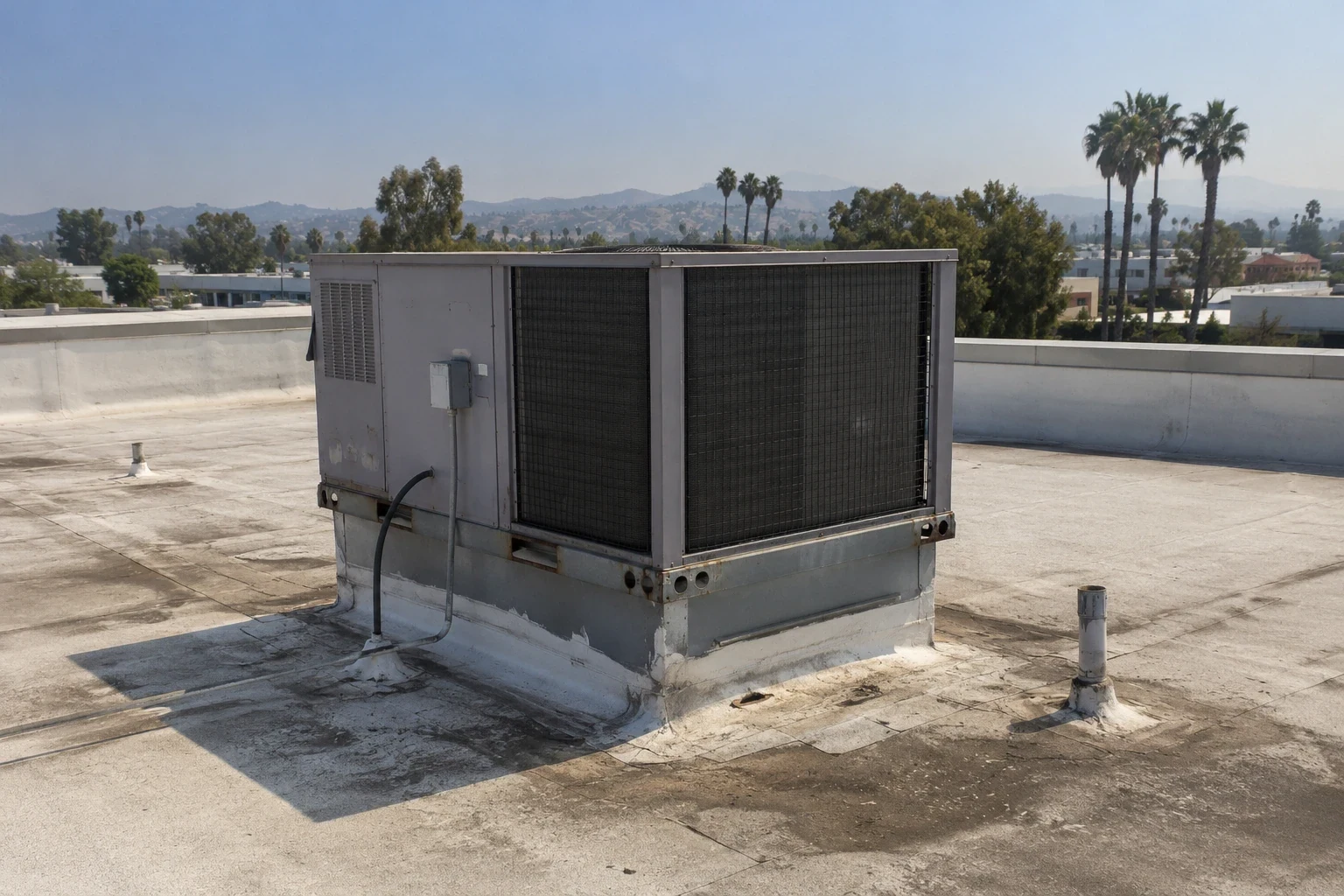
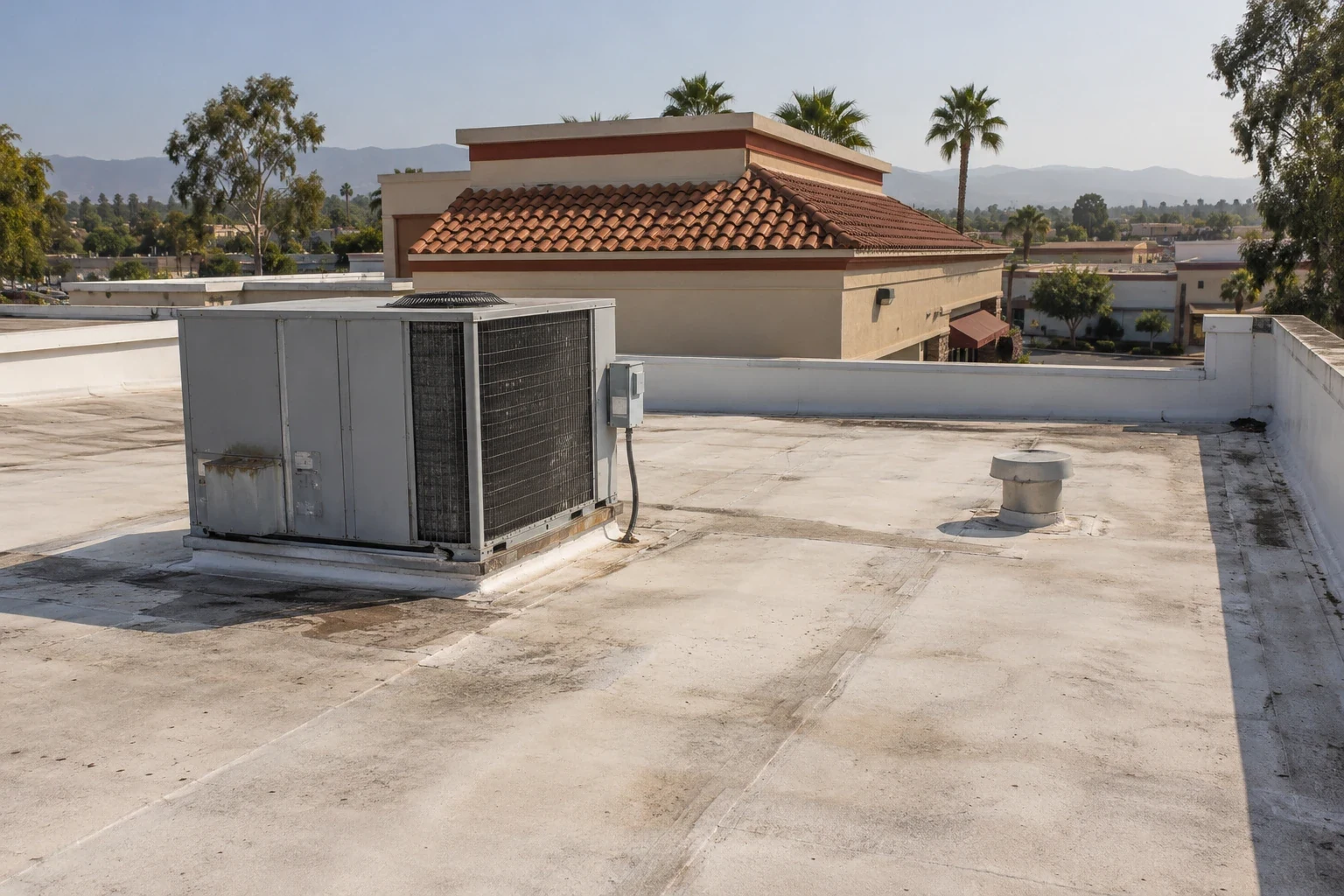
Refrigeration piping, rooftop units, and equipment supports can have movement, penetrations, and service routes that influence the roof detail. We inspect membrane contact, curb flashing, support bearing, and clearance for maintenance. A shifted support may damage the surface, while a pipe transition can require a detail accommodating intended movement. Permanent flashing should follow a stable and dimensionally suitable arrangement, with mechanical correction assigned where the roofing work cannot establish it.

Roof support and curb work near refrigeration equipment is coordinated with the responsible trade's operating schedule. A shutdown or component removal may determine the available work interval. The roofing crew needs material and a closing detail at the exposed position when that handoff occurs. If another trade is not ready, the phase should not leave a roof opening dependent on an unconfirmed return, especially above an enclosure where interior conditions and product protection need to remain controlled.

Cold Storage Roofing

The actual building within the regional market

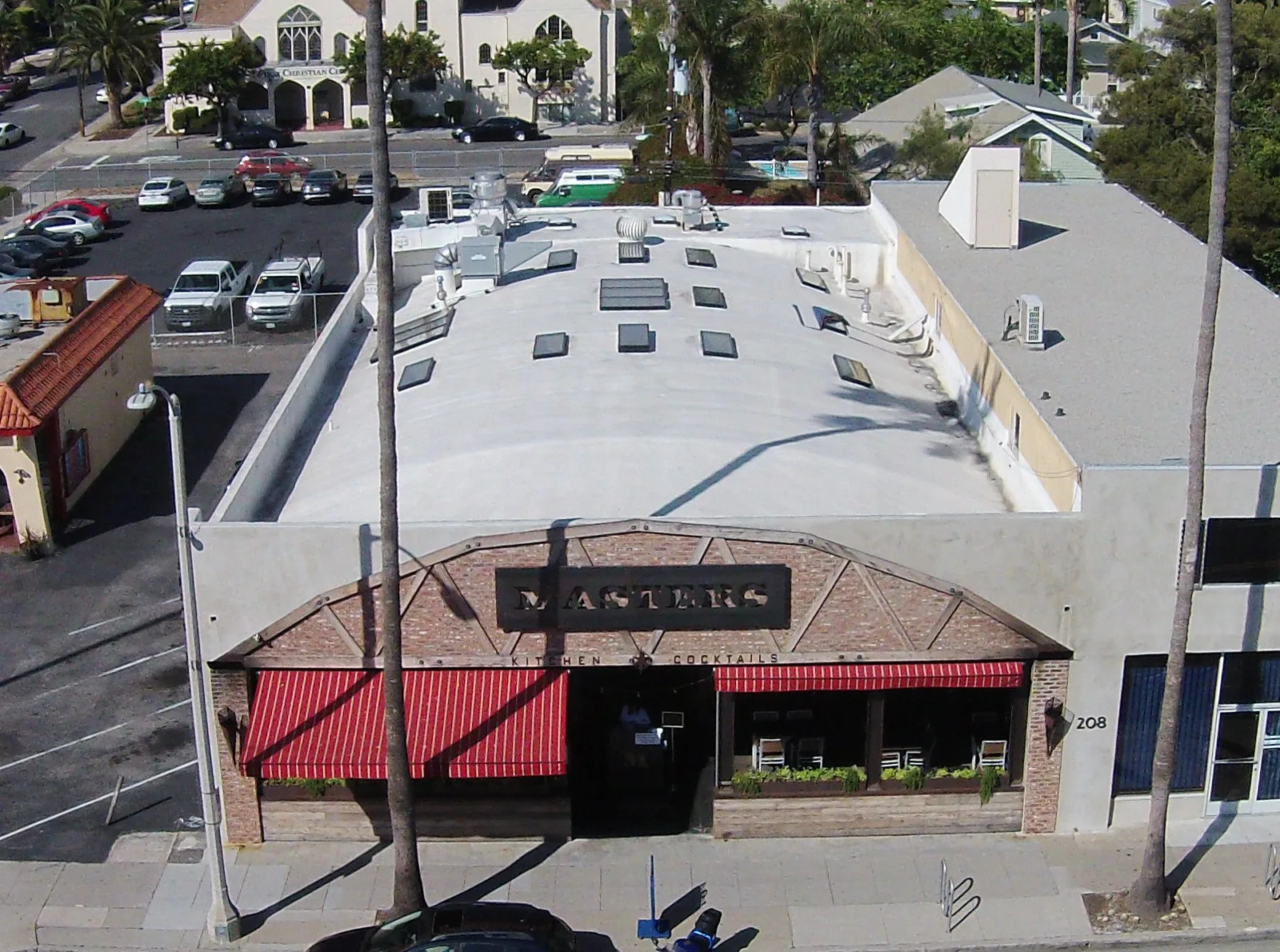
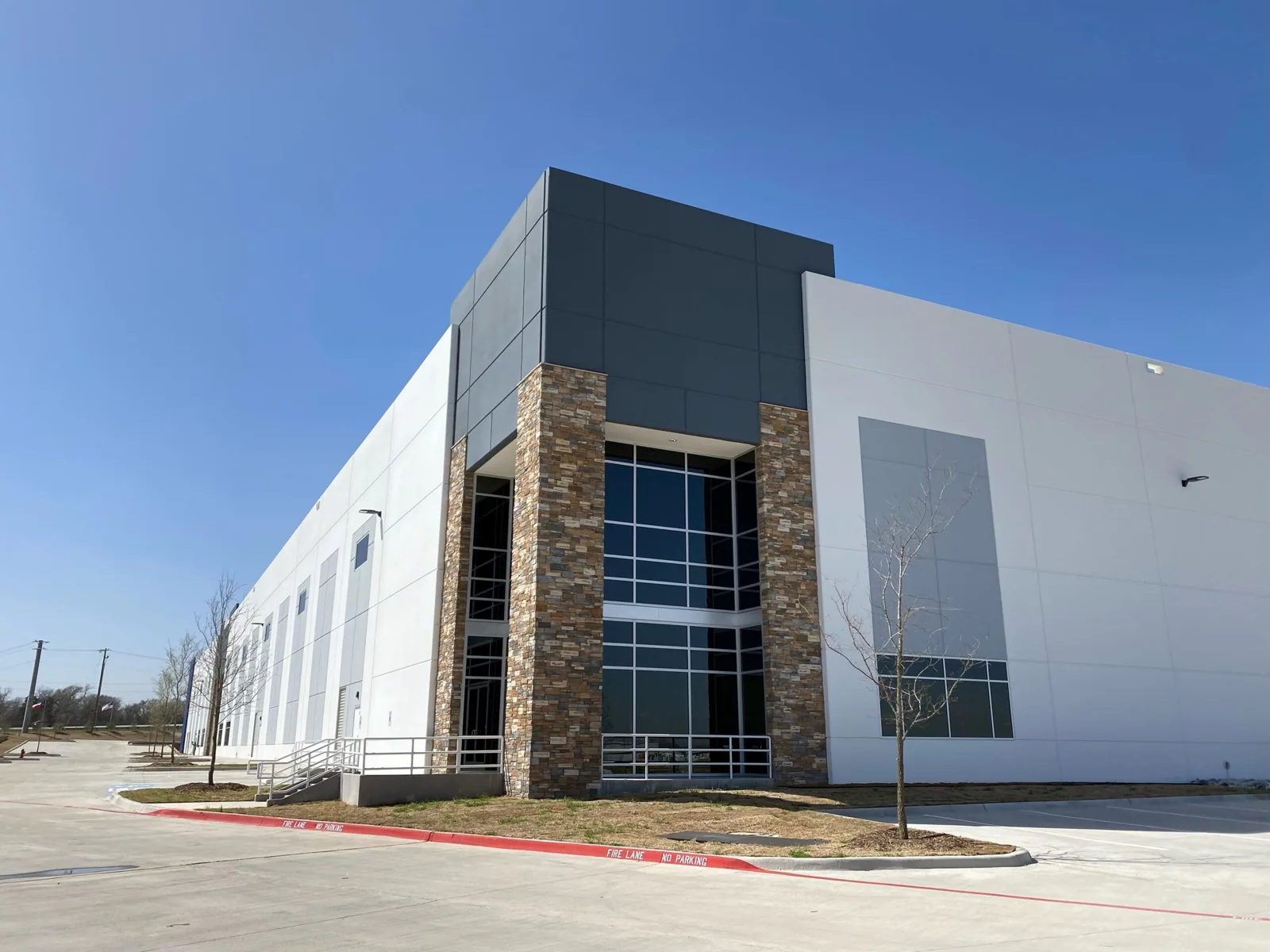
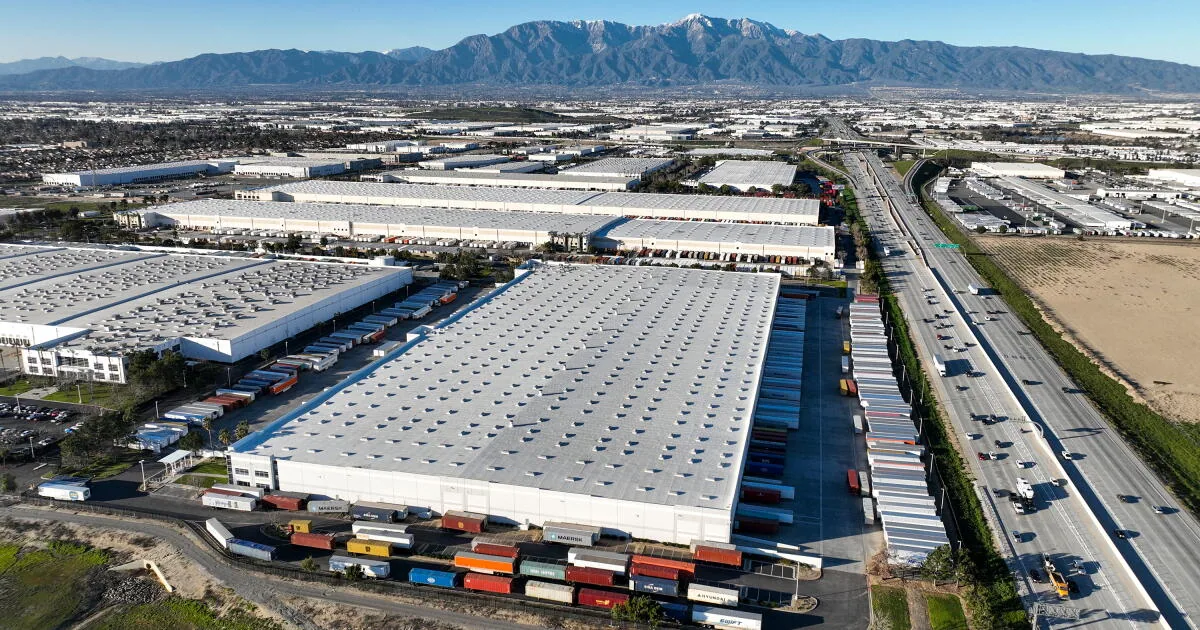
Elk Grove includes industrial employment areas and business parks, with Grant Line Road Business Park identified as an employment priority. For a requested cold storage property in the Southeast Industrial area, we obtain the refrigeration operating schedule and identify storage zones requiring protection before layers are disturbed. Available enclosure drawings and refrigeration information help locate the detail that needs examination before the removal boundary is chosen.

The city also names Laguna West Business Park within its commercial inventory. A facility combining dispatch and refrigerated storage needs its loading activity considered alongside enclosure protection. Access and equipment arrangements are established at the building before roofing phases are selected. We identify delivery routes, interior rooms, stored goods, and the authorized refrigeration contact before the first intrusive examination. Regional wildfire-smoke guidance addresses HVAC operation and outdoor workers, so the day's ventilation and exposure conditions can affect the usable interval even when the roof surface is dry.

Cold Storage Roofing

Water paths and retained layers

Persistent water at a low area warrants examination of the outlet and contributing roof plane. We inspect debris, fitting connections, displaced supports, and changes in layer height, separating blockage from slope or substrate problems. Drain-path correction on the cold storage roof can be coordinated with membrane work where they share a boundary. Its scope identifies what changes the flow, including a designed insulation correction where appropriate rather than a thicker surface patch.

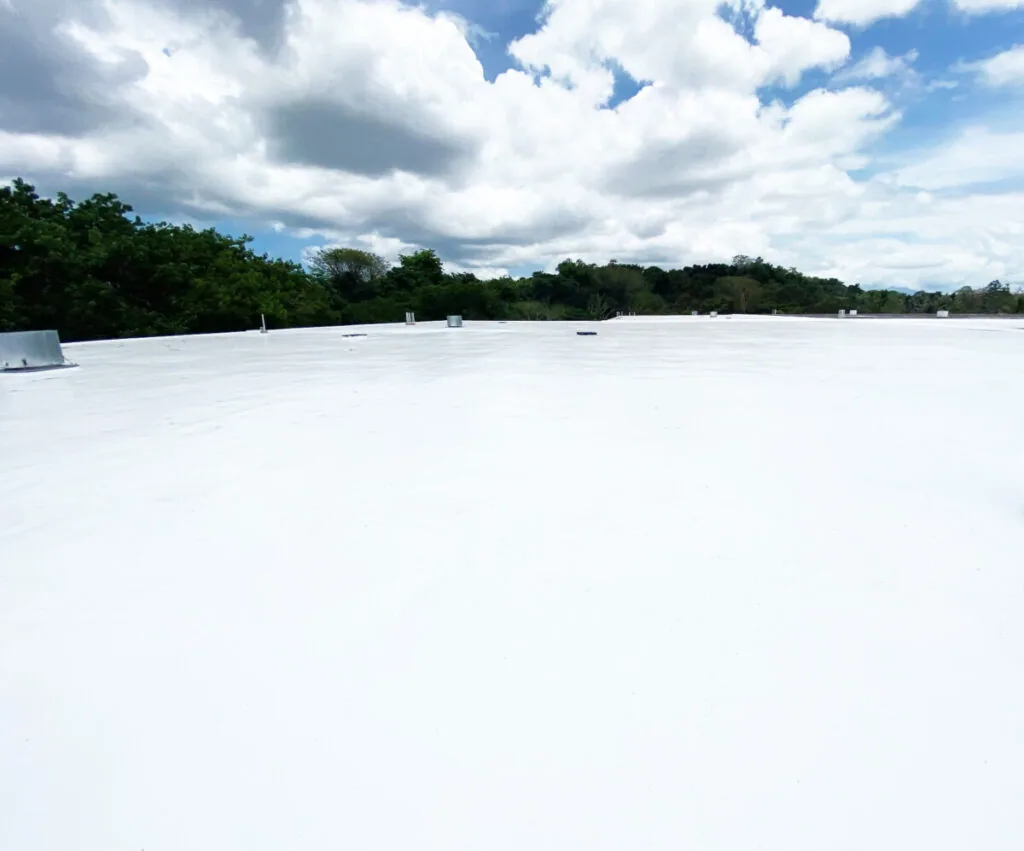
Wet layers found during examination affect whether coating, recover, or replacement is viable. Retention requires suitable moisture condition, attachment, support, and applicable assembly limits. A surface coating does not restore the control-layer continuity of an unexamined refrigerated enclosure. We identify the removed material and the new connection that would reach sound retained construction, then compare the assembly options against the actual water mechanism and the building's operating requirements.

Cold Storage Roofing

A controlled phase and useful completion evidence

Removal depth, refrigeration coordination, concealed moisture, control-layer transitions, access, and interior protection affect cost and duration. Roof work during continued cold storage operation needs the affected enclosure and product restrictions established with the manager before removal. The daily opening is limited to what can receive the required correction and close properly. Unexpected concealed damage has an agreed assessment and decision step, with the exposed area kept within safe protection capacity.

The completed record identifies inspected layers, repaired weather details, related control-layer work, and another trade's remaining action, with photographs locating the positions that may later become concealed. A return examination compares the original moisture report with the same roof and enclosure detail after appropriate testing or weather. Product relocation or interior drying follows the operator's procedures. Roofing completion and release of the affected storage space remain coordinated decisions with their responsibilities clear.

Emergency roof response is available during nights, holiday periods, and weekends when safe entry allows useful protection. Temporary work identifies its limits and the permanent follow-up needed, particularly where an enclosure detail still needs design or mechanical correction. The owner can then arrange urgent action without confusing a weather cover with completion of the assembly's full moisture-control problem.

Review cold storage moisture against the roof assembly

Arrange an assessment with roof plans, moisture reports, enclosure information, refrigeration schedules, and access limits. We will identify weather-barrier findings and the related assembly decisions for the proposed correction.

Call 555-555-5555 or email [email protected].

Questions About Cold Storage Roofing

Can condensation damage be addressed by another roof coating?

The moisture mechanism and assembly need review first. A surface treatment does not close a concealed air leak or establish insulation and vapor-control continuity.

Why involve refrigeration staff in a roofing inspection?

Operating conditions and equipment schedules help distinguish water mechanisms and define the work interval. We coordinate that information with the roofing observations and required protection.

Does wet insulation always indicate rainfall entered the roof?

Water can enter or accumulate through different mechanisms. We examine weather details and enclosure conditions before identifying the correction and removal boundary.

What happens if the enclosure detail is inaccessible without removal?

An authorized opening can settle the concealed question where needed. We define its protection and restoration procedure before examining the layers.

ServicesRoof SystemsIndustriesProperty TypesService AreasDamage RepairCapabilitiesManufacturersContactAboutRequest a Roof Assessment555-555-5555
Call555-555-5555