Commercial Roof Inspection in Elk Grove, CA

Inspect an Elk Grove commercial roof with located findings, assembly checks, drainage observations, and a clear basis for repair or replacement decisions.

Commercial Roofing Services  /  Call 555-555-5555

Commercial Roof Inspection at a Glance

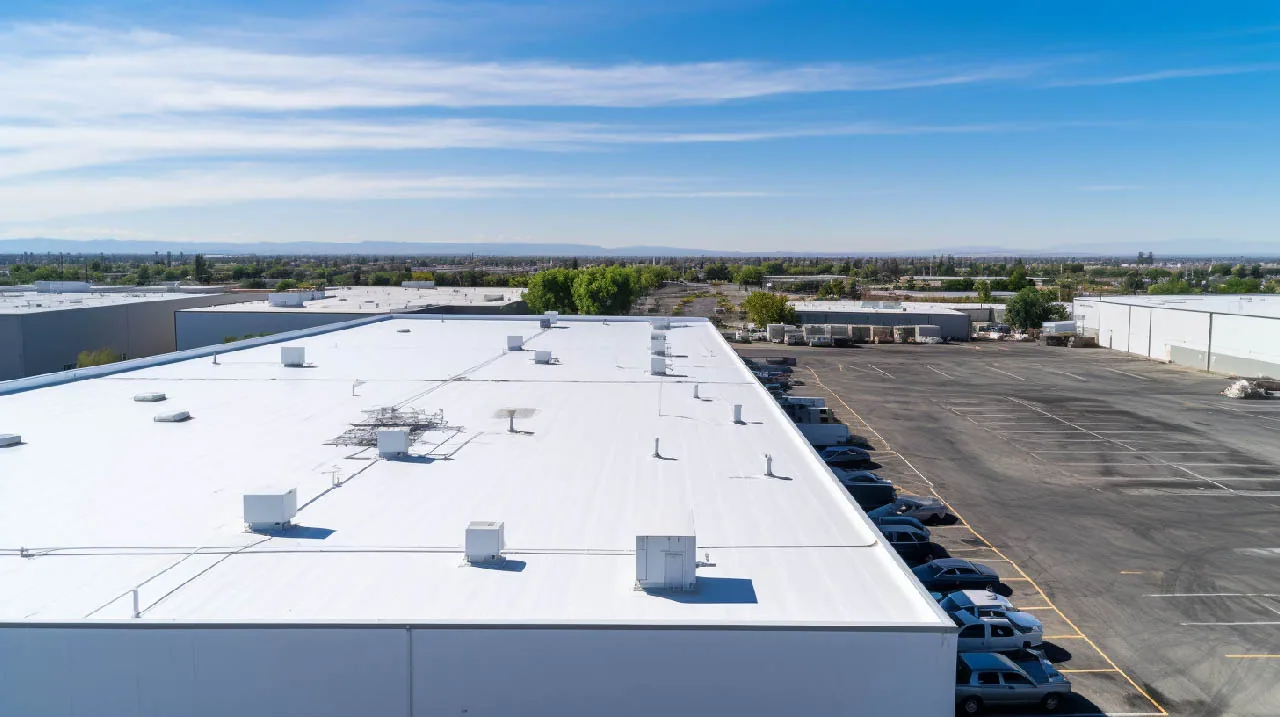
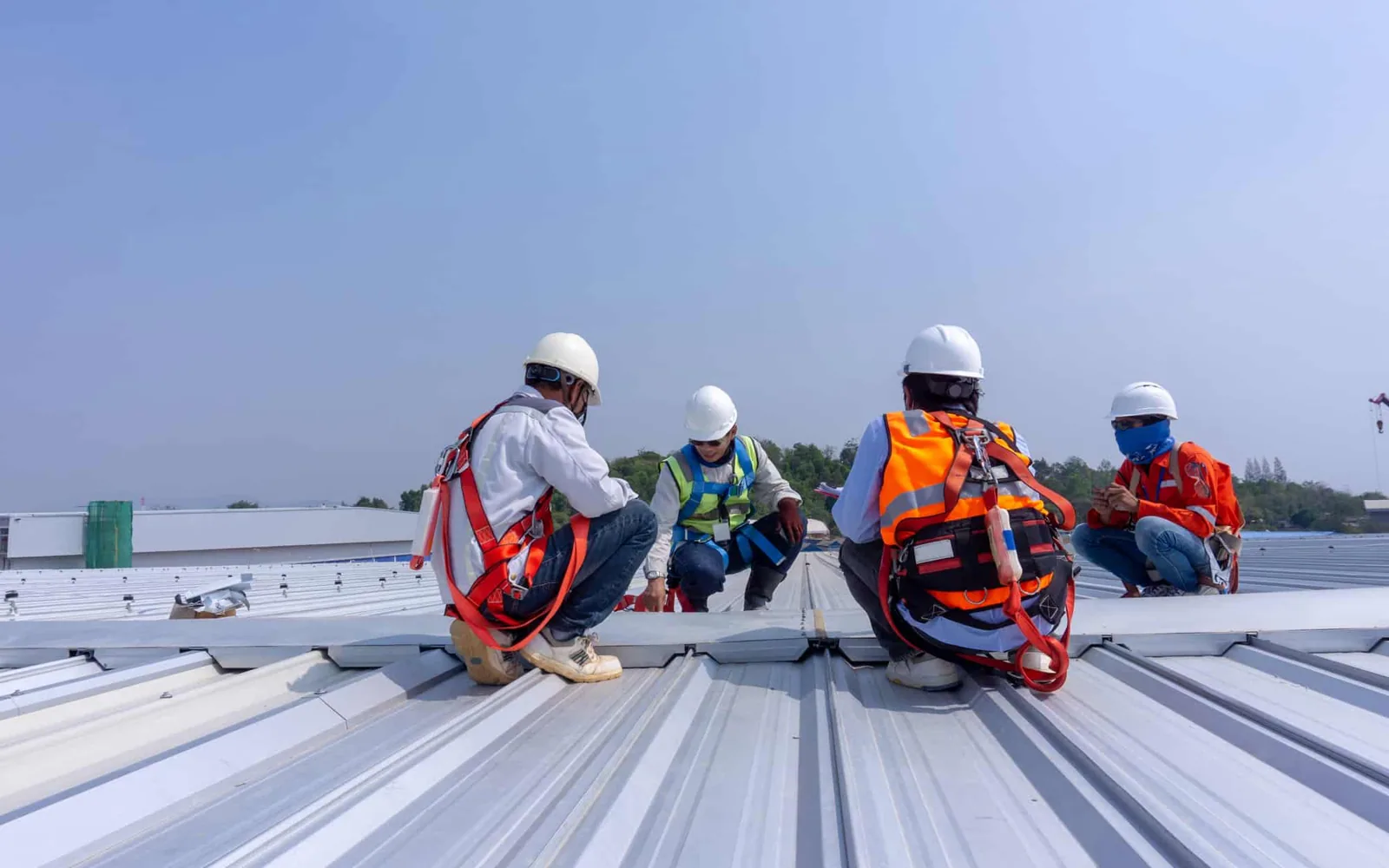
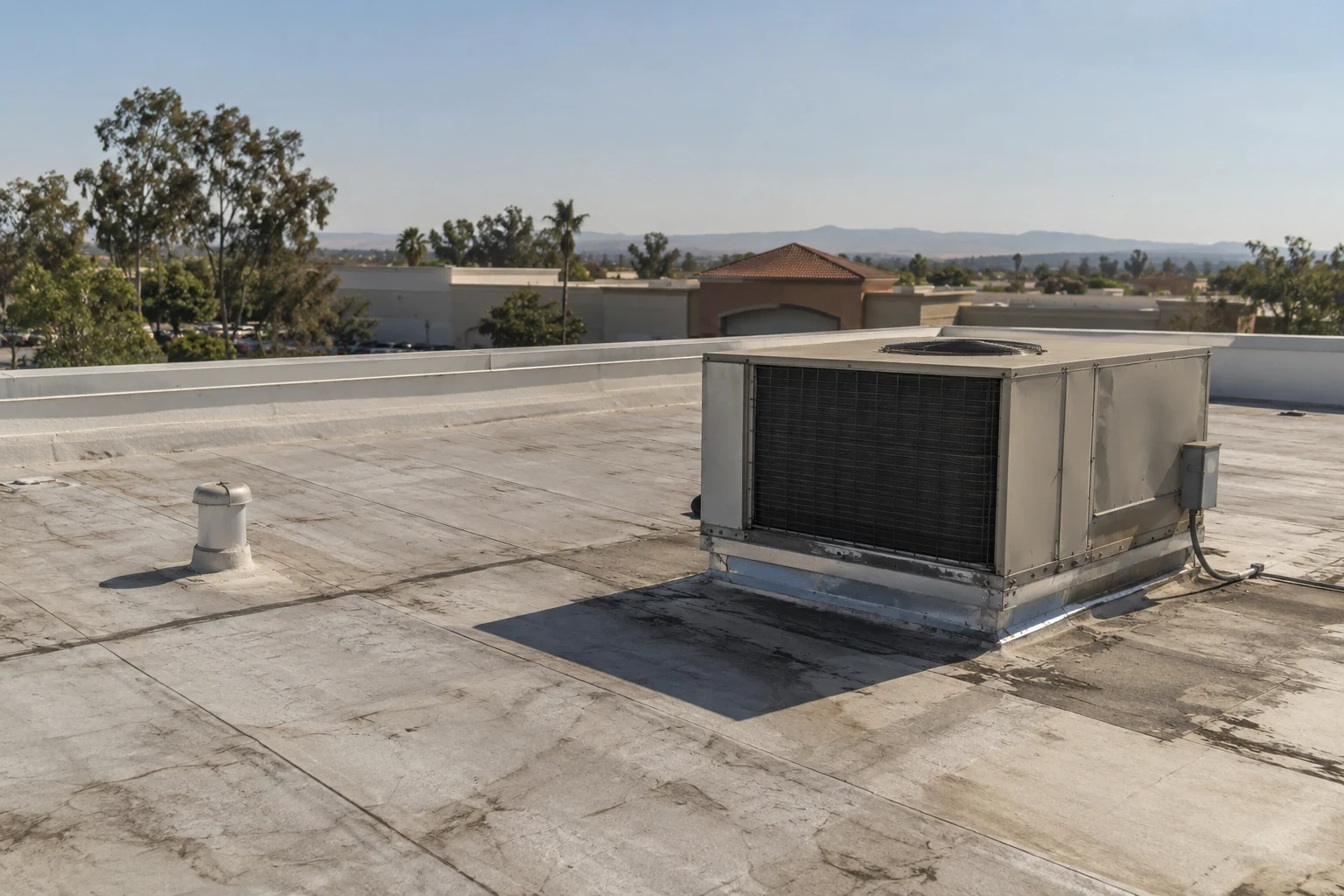
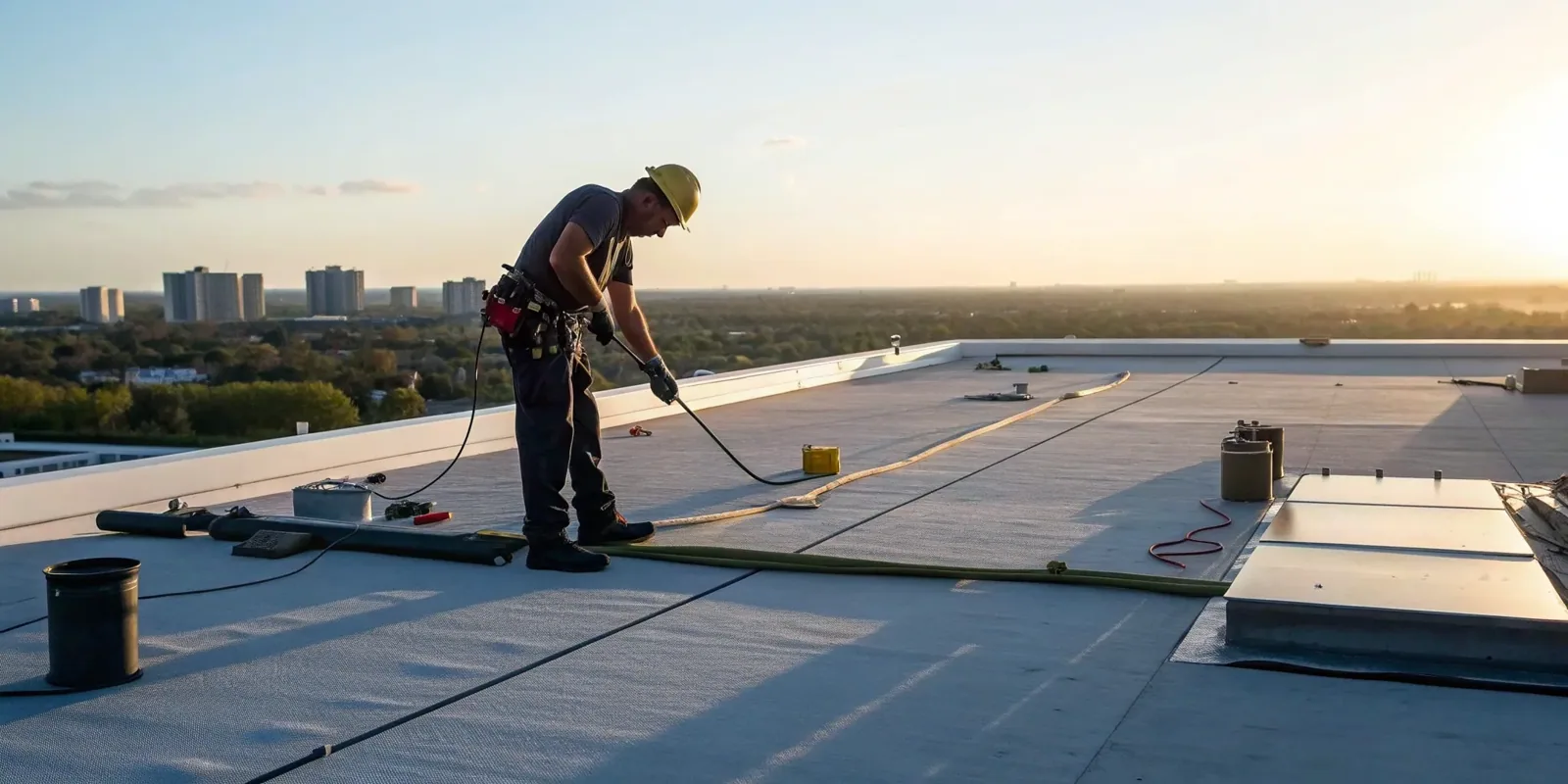
Several repairs without a shared roof position leave the next scope decision uncertain. Commercial roof inspection in Elk Grove, CA establishes the current assembly condition, relates visible failures to the building plan, and identifies which examination would change the work. Commercial Roofing Elk Grove performs hands-on assessments of accessible roof areas, with seams, flashing, drainage, attachment indicators, and equipment connections examined according to the project need. The result should let the owner compare a located condition with a specific correction.

An inspection can support maintenance, an active water investigation, an equipment alteration, or a larger capital project. Those goals change the useful examination boundary and the concealed questions worth resolving. We review the building use and known symptoms before selecting the roof route. A field visit should produce information that changes a decision rather than a collection of photographs without positions or recommendations.

Define the roof decision before the inspection

Arrange a review with the building plan, known symptoms, previous work, and access conditions. We will examine the relevant roof areas and identify findings that change the next scope.

Request a roof assessment or call 555-555-5555.

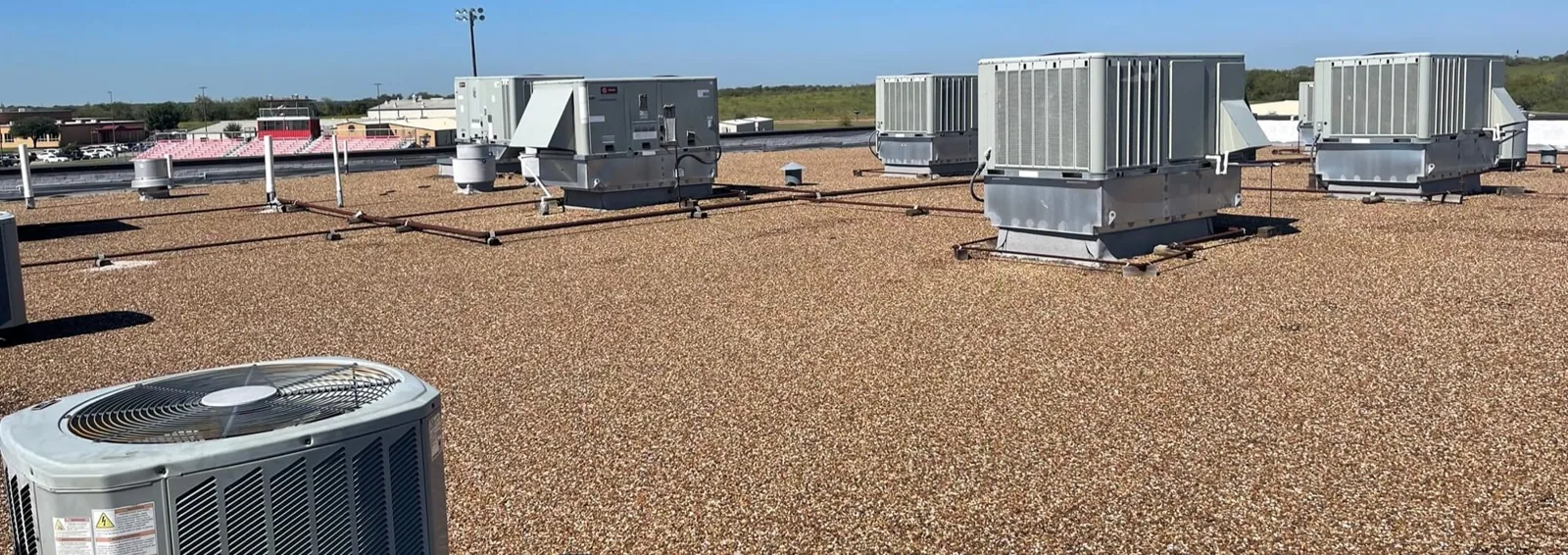
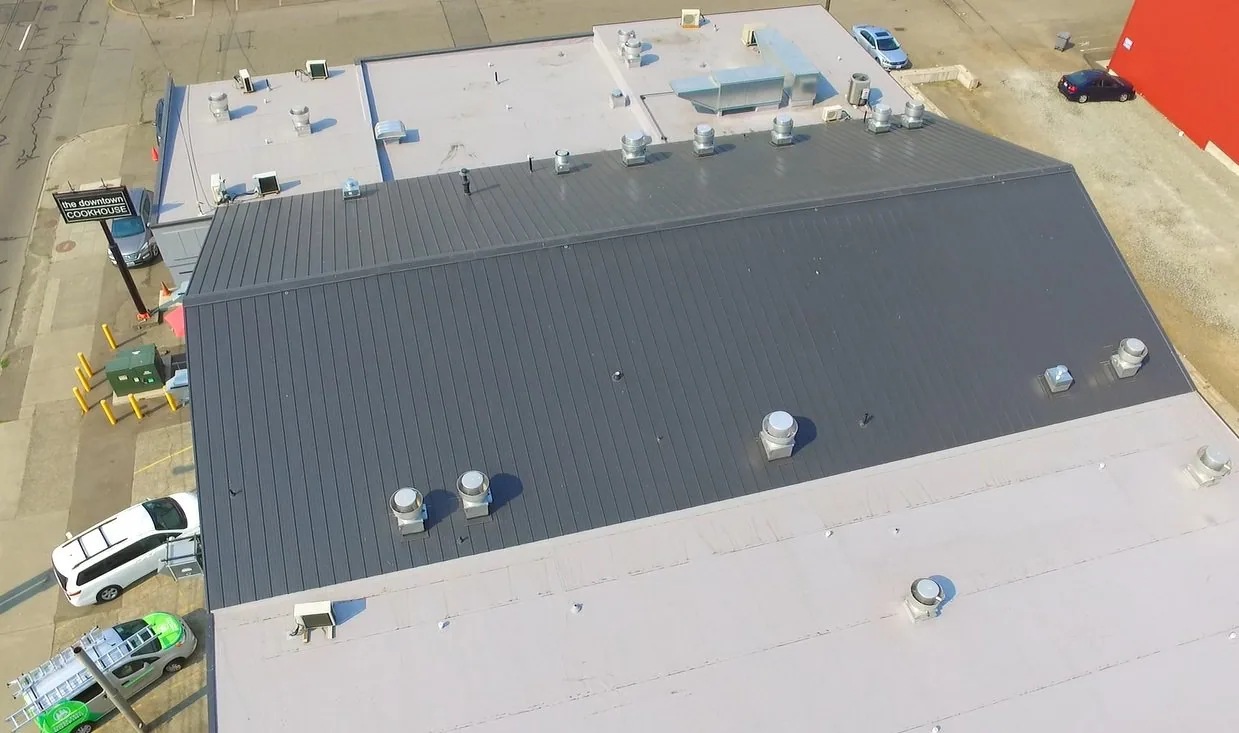
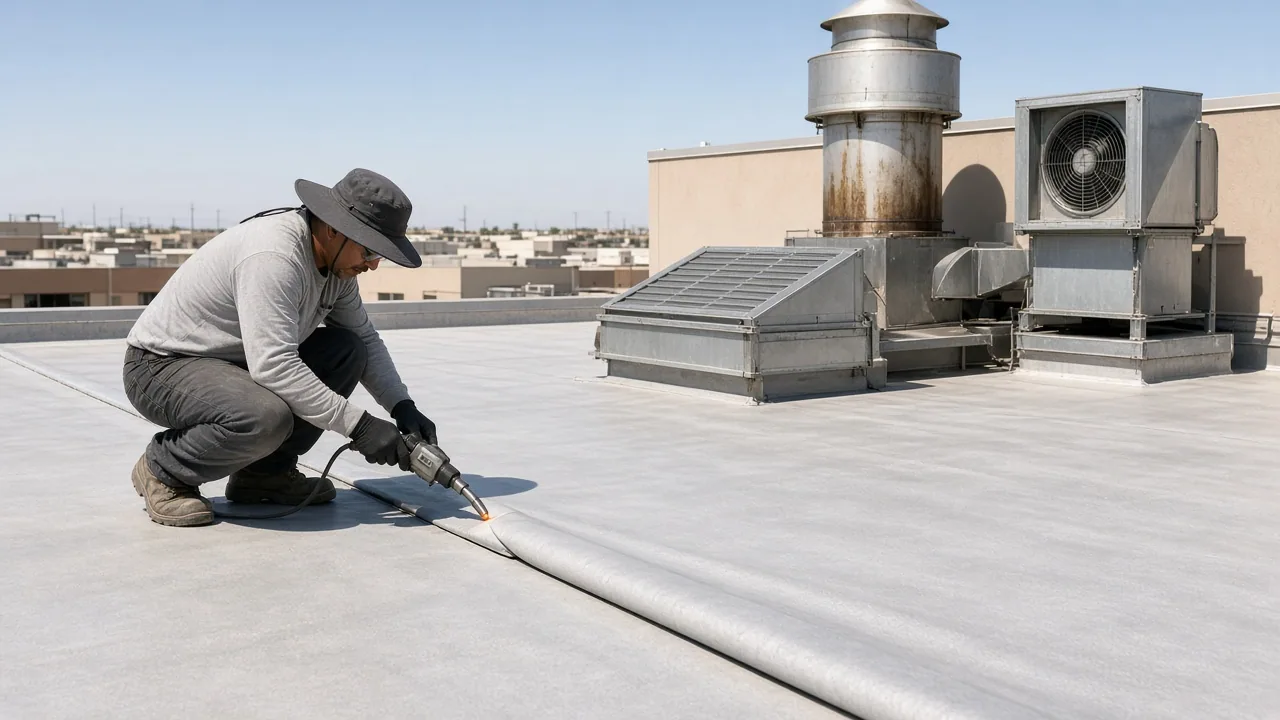
The right system depends on the roof deck, drainage, insulation, rooftop equipment and how the building is used. These are the systems we install, repair and maintain around Elk Grove.
Don't see your roof system? Ask us or call 555-555-5555.

The question behind the roof walk

A leak investigation needs interior timing and positions, while a proposed recover needs retained-layer and attachment information. An equipment change needs curb geometry, service access, and the roof connection around the proposed footprint. We identify that decision with the building contact before the visit, then select observations and any additional testing accordingly. The inspection can examine the wider assembly without losing the original project question.

Available installation records, previous findings, and completed work help distinguish a known correction from a newly reported condition. We compare those documents with the roof because partial replacement or tenant changes can alter the assembly. The present condition remains the basis for the recommendation. Where information is incomplete, the useful next examination is identified with the reason it affects the scope.

Roof access and interior coordination are confirmed at the building. A restricted zone, unsafe surface, or occupied operation can limit the initial route. We record the unexamined position and the access required to complete its assessment, keeping it separate from inspected construction. A restricted area should not be described as sound simply because the crew could not reach it.
Commercial Roof Inspection

Related Roofing Work

Other pages that cover parts of the same roof question.
Roof leaking now?

Call 555-555-5555 for emergency roof repair in Elk Grove and nearby communities.
Commercial Roof Inspection

Connections examined in their surroundings

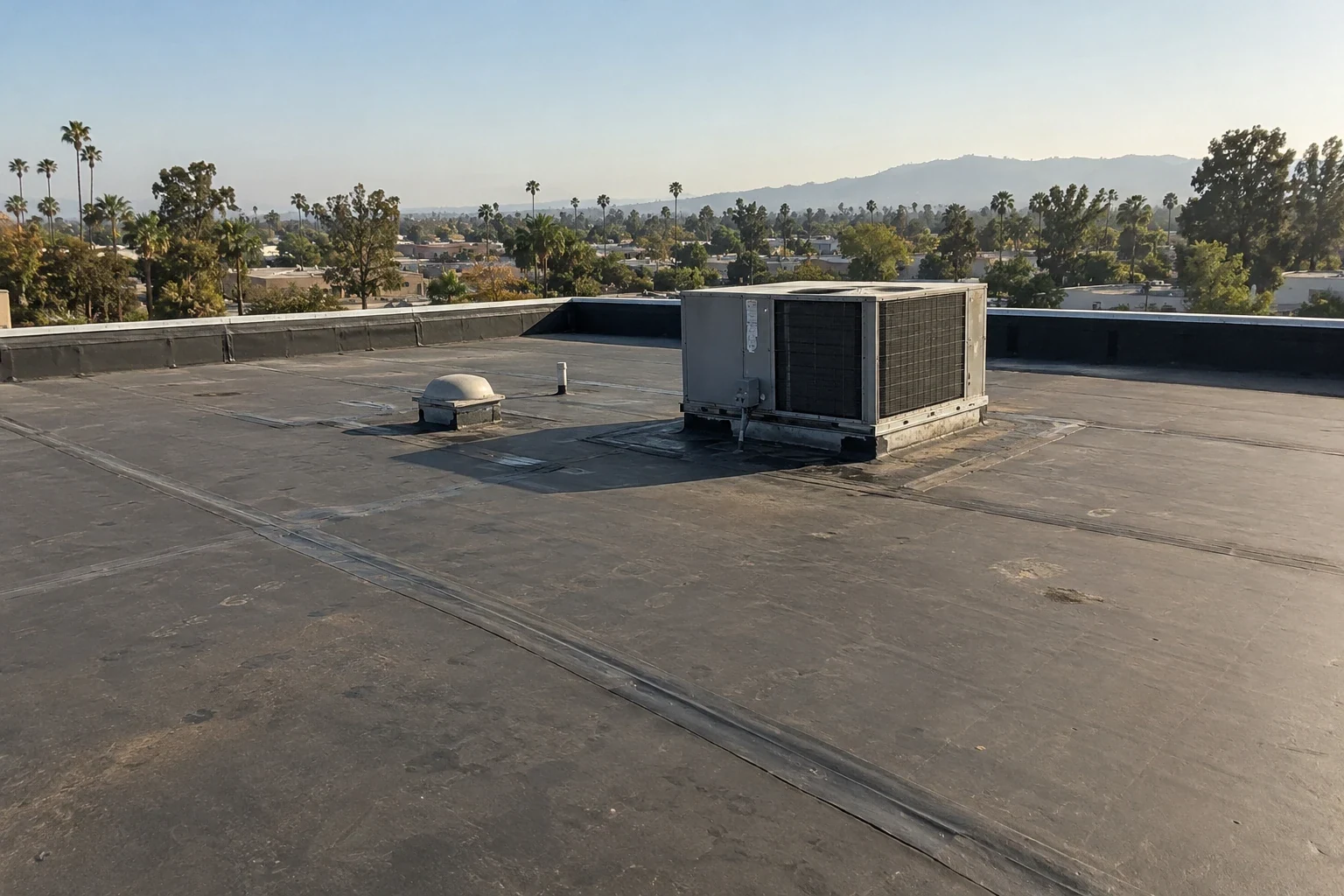
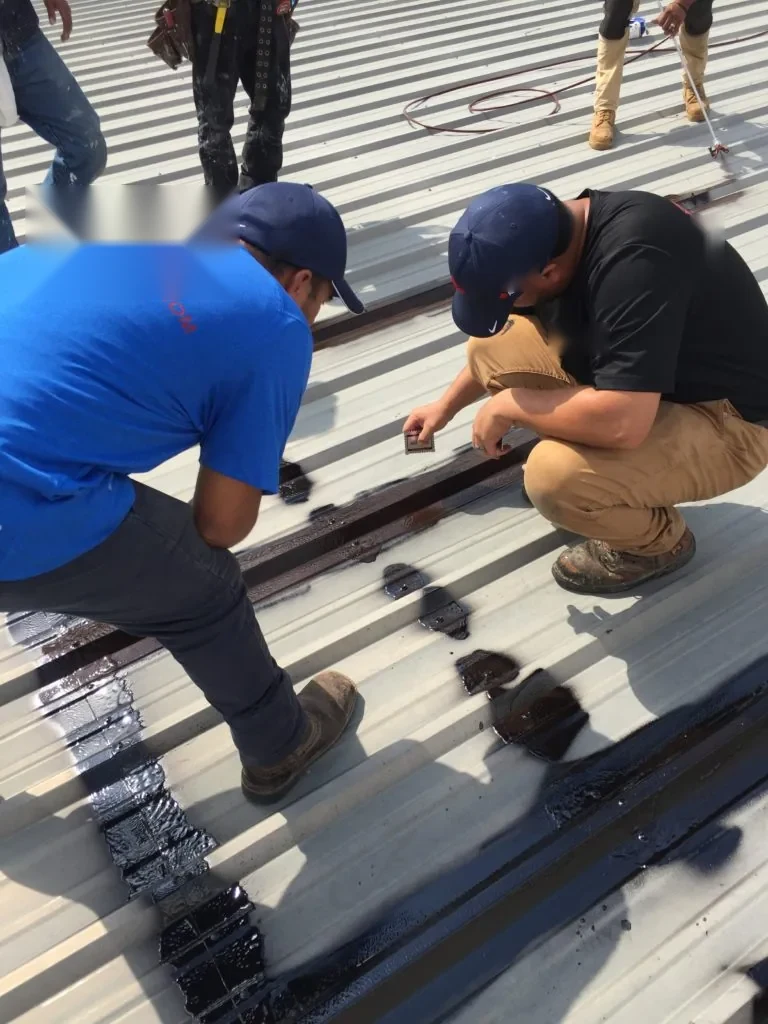
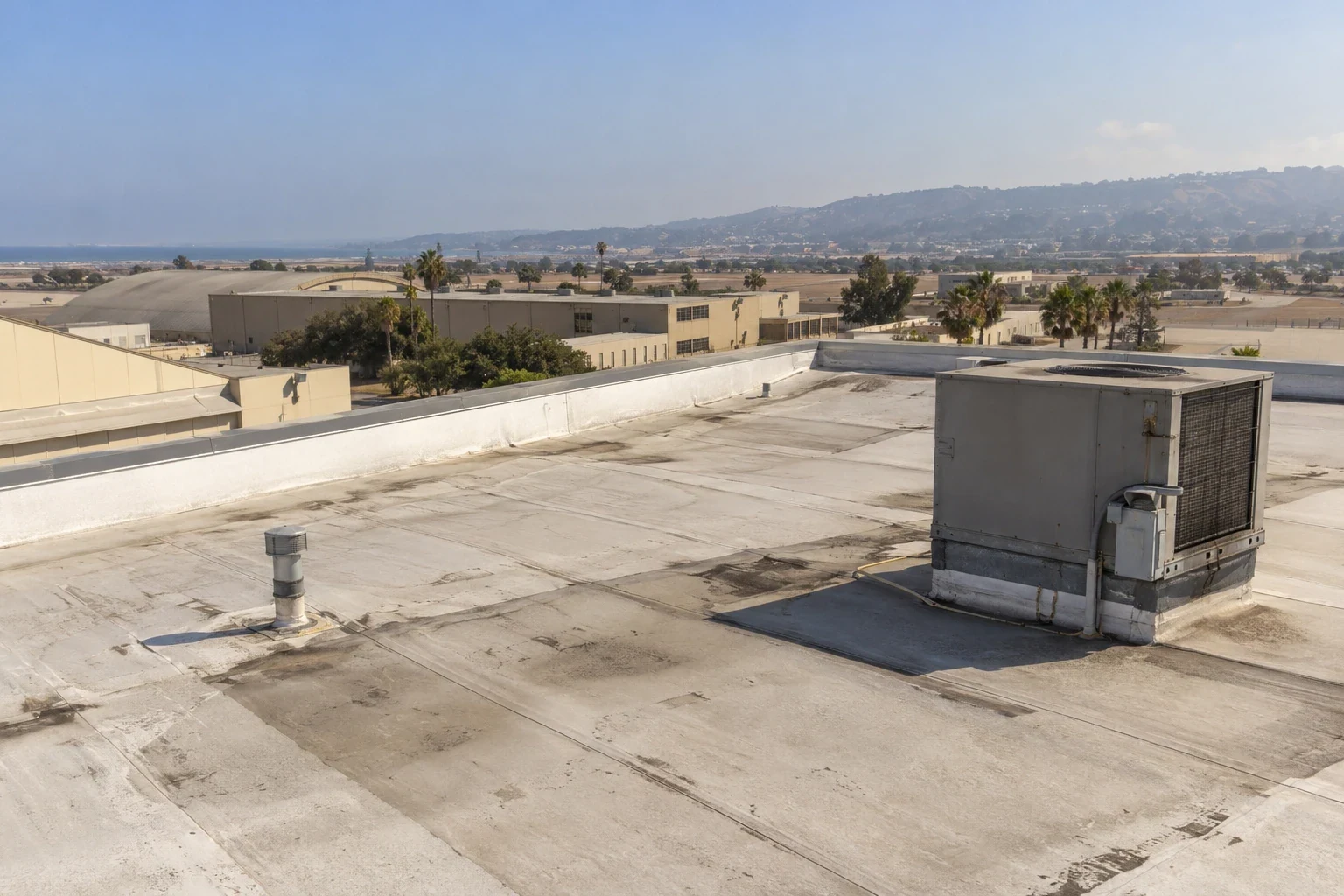
A field seam is assessed with neighboring membrane condition, tension, and intersections. A flashing detail is examined from its base connection through the upper termination, with support movement considered where it can reopen the assembly. Drain outlets are followed through their accessible discharge. These relationships matter because a sound-looking roof field can still admit water at a poorly closed transition.

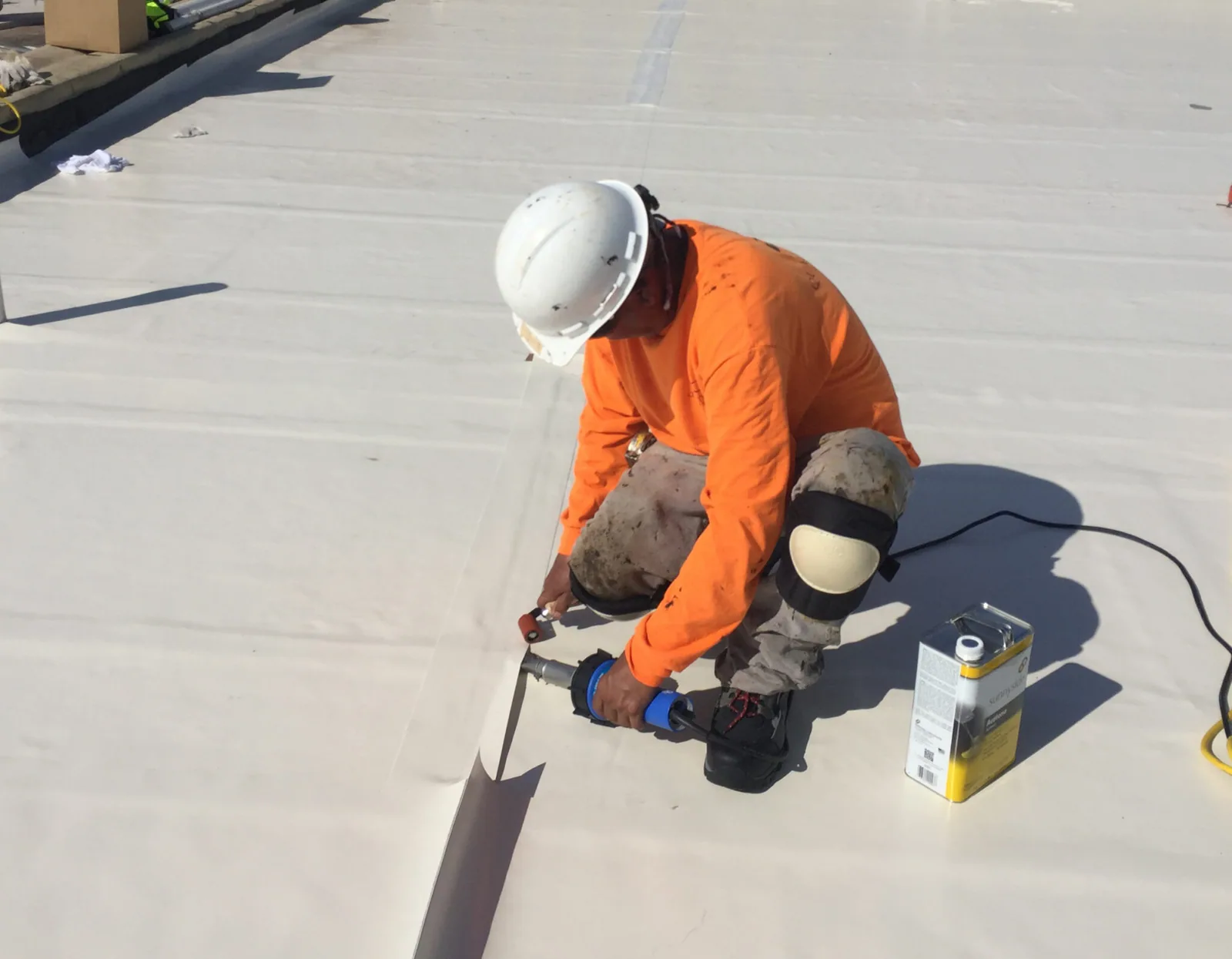
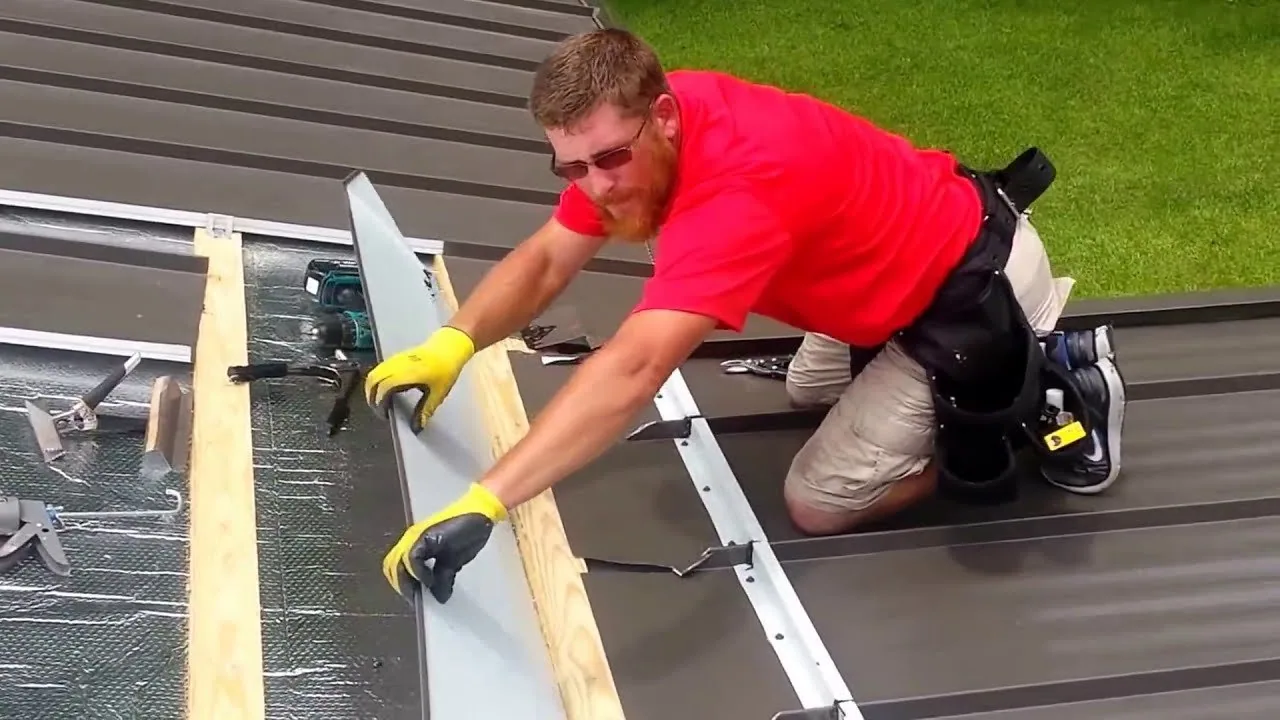
Surface damage from traffic, previous patches, loose metal, and contamination are recorded where they affect weather protection or repair preparation. We identify the installed material before recommending welding, bonding, or another method. The receiver must support a compatible connection. A correction aimed only at the visible opening can leave an adjacent failure within the same water path.

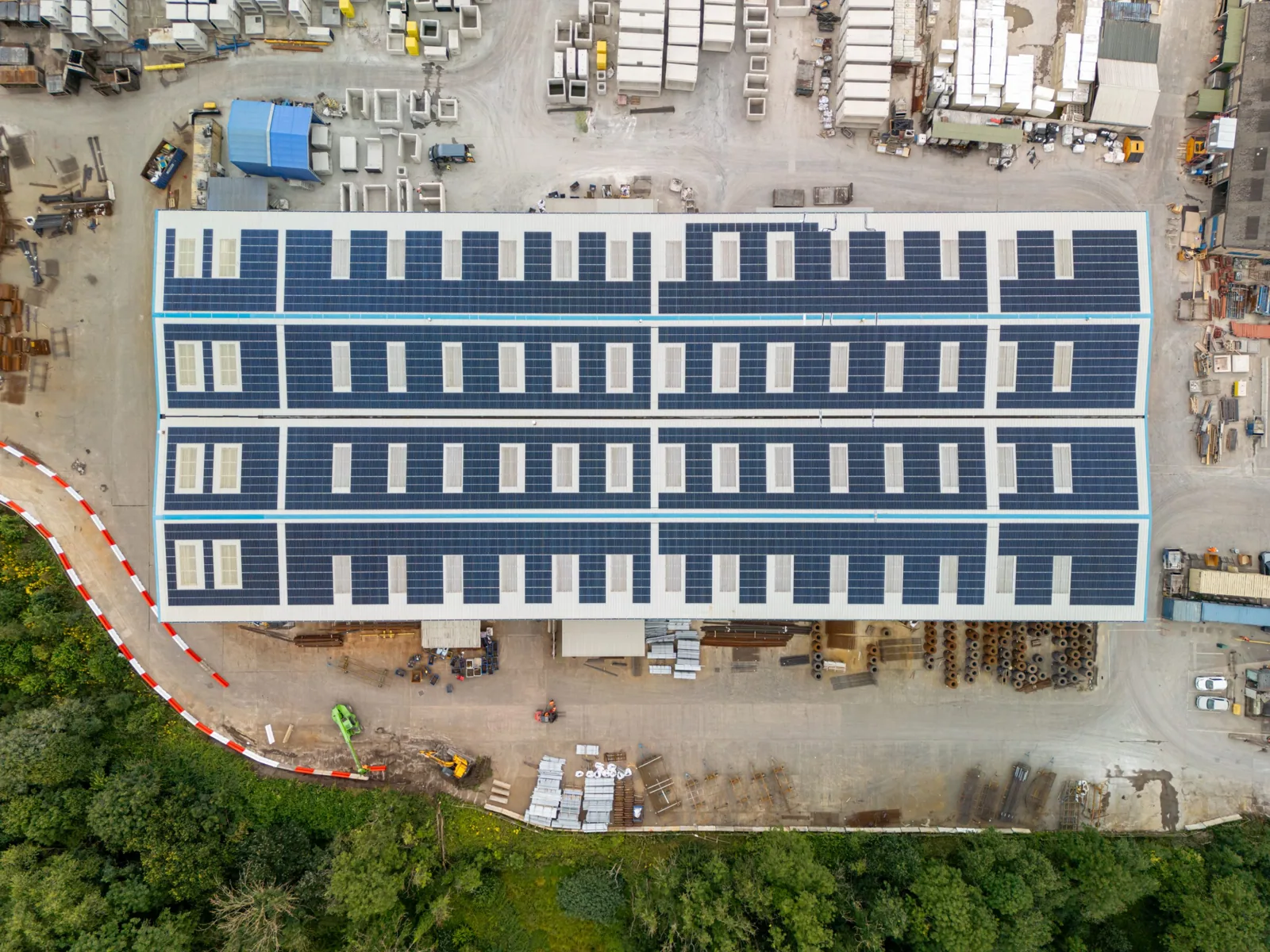
Photographs establish both position and condition, with a wide view giving orientation and close images showing the detail. Aerial roof imaging can add an overview where suitable, while the hands-on examination assesses connections requiring closer access. The methods are selected for the question each can answer rather than treating one image type as a complete diagnosis.

Commercial Roof Inspection

Findings that need another method

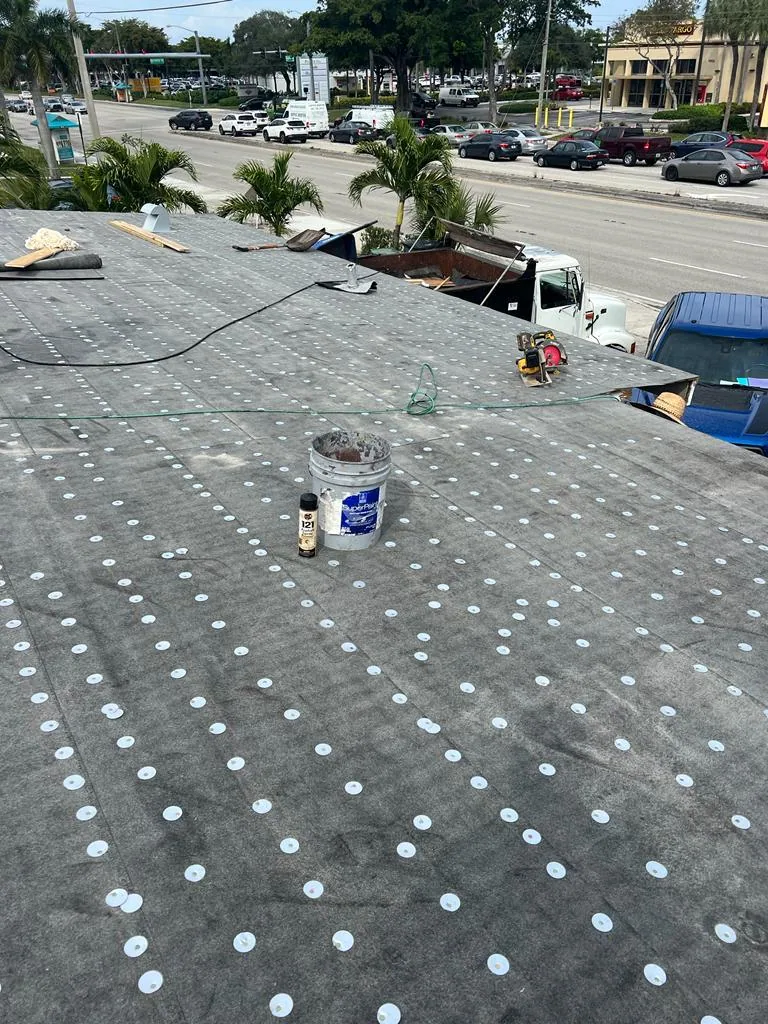
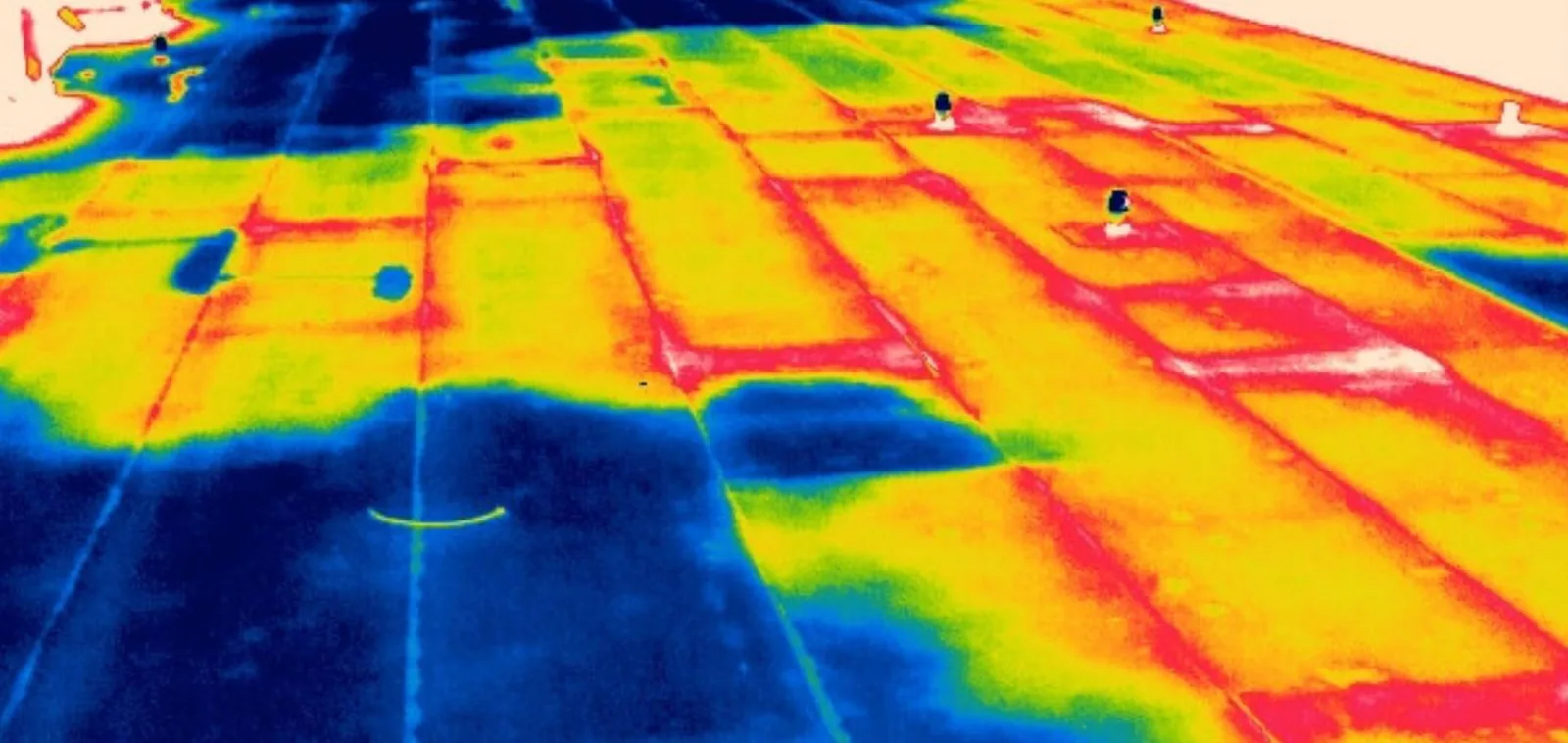
Wet insulation, uncertain layer construction, and hidden attachment can require examination beyond a visual walk. We identify representative positions where confirmation would decide whether material remains or the repair boundary expands. Thermal moisture screening under suitable conditions can help locate areas for further checks. The screening result is joined to confirmation rather than treated as a direct measurement of every concealed layer.

Test openings should have a stated purpose and a plan to restore the weather connection after examination. We record the construction and moisture findings at their roof positions so the owner can compare them with the proposed work. Visible support deterioration or deck movement can require a separate structural assessment. The roof inspection identifies that requirement without substituting surface observations for the needed review.

An acquisition-focused roof assessment can use these observations to define unresolved condition and further work before a transaction decision. A maintenance inspection may instead focus on outlets, vulnerable details, and previous corrections. The useful testing changes with the decision, and the scope states which conditions were examined.

Commercial Roof Inspection

Local use and exposure in the examination

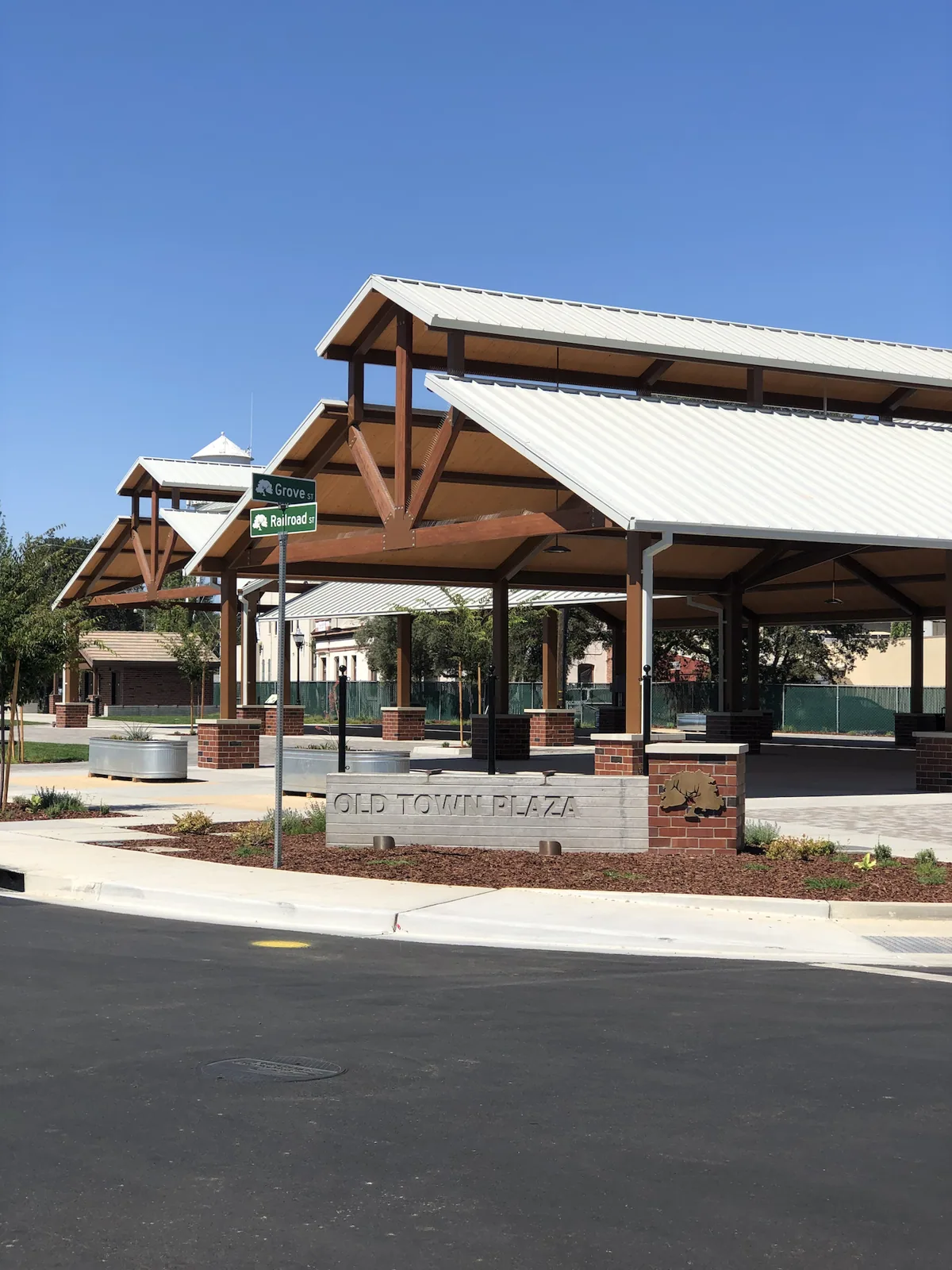
Old Town’s shops, services, businesses, and restaurants give an inspection there an occupied commercial setting. At an Old Town Elk Grove building, we confirm public entrances, work access, and the operation below the roof position being examined. Current construction is identified from the inspection and records rather than inferred from a historic surrounding. The practical recommendation includes the access requirement only where it affects correction.

East Franklin contains shopping centers, schools, parks, and housing within an established policy area. A roof visit at a commercial property there needs its actual use and interior protection requirement established before intrusive work. Assessment above occupied retail space can involve different timing from a restricted service zone, even when the roof material is the same. The building contact helps join the inspection route to those operating limits.

The Sacramento Valley’s hot dry summer and cool-season rainfall create a seasonal reason to examine drainage and open connections before exposure changes. Dry-weather sediment and debris patterns can locate retained-water areas without an active pool. Regional wildfire-smoke conditions can also affect outdoor access and equipment operation during a visit. We use current field conditions to set the route and available methods.

Commercial Roof Inspection

A condition record that changes the scope

Each recommendation connects the observed failure with the proposed correction, its roof position, and any additional examination needed. We distinguish immediate protection, scheduled repair, continued observation, and a larger assembly decision. The owner receives the reason for that sequence rather than a priority label alone. A serviceable roof with local defects needs a different investment comparison from widespread moisture or unstable attachment.

Written findings with positioned photographs preserve the inspection for approval and later service. Tracking the assembly across future visits allows the next assessment to identify changed condition rather than reuse an old photograph as a current finding. Completed corrections should return to the record with their materials, boundary, and relevant follow-up.

Inspection effort and subsequent costs change with access, roof complexity, concealed testing, equipment coordination, and the work each finding requires. We explain those drivers where they influence the next decision. The owner can then select a defined examination or correction instead of carrying an unspecified roof concern into the next budget or project phase.

A useful baseline also identifies what would justify an earlier return: another interior stain, displaced edge material, new equipment work, or debris accumulating at an outlet. Those triggers give the building contact a practical way to report change. The next visit can then examine a defined development instead of restarting the same general roof conversation.

Define the roof decision before the inspection

Arrange a review with the building plan, known symptoms, previous work, and access conditions. We will examine the relevant roof areas and identify findings that change the next scope.

Call 555-555-5555 or email [email protected].

Questions About Commercial Roof Inspection

Can an inspection support a replacement decision without opening the roof?

Visible findings can establish useful options, but concealed construction or moisture may affect removal. We identify the confirmation needed where it would change the complete project scope.

What happens when a roof area cannot be reached safely?

The position and access limitation remain recorded as unexamined. We identify the route or coordination needed before its condition can be included in the assessment.

Will every inspection include thermal imaging?

The project question and field conditions establish whether thermal screening is useful. A hands-on examination or targeted opening may answer the needed condition question directly.

How should previous repairs influence the inspection?

They provide positions and history to compare with current condition. We examine the receiver and surrounding details so an old correction is not assumed effective without a field check.

ServicesRoof SystemsIndustriesProperty TypesService AreasDamage RepairCapabilitiesManufacturersContactAboutRequest a Roof Assessment555-555-5555
Call555-555-5555