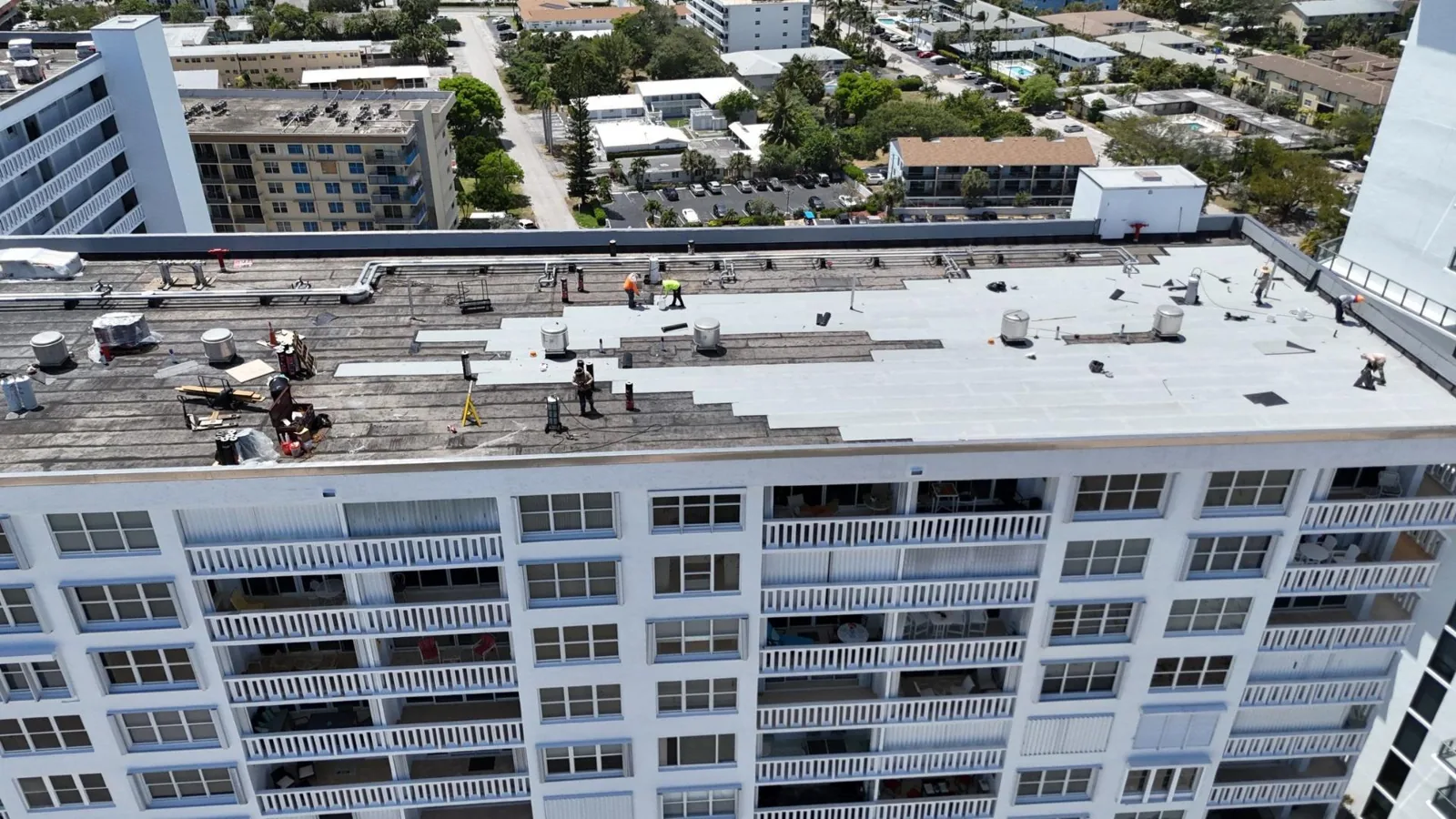
Modified Bitumen Roofing in Elk Grove, CA

Plan modified bitumen roofing in Elk Grove with layered assembly checks, compatible SBS or APP details, moisture removal, and controlled commercial work phases.

Roof Systems  /  Call 555-555-5555

Modified Bitumen Roofing at a Glance

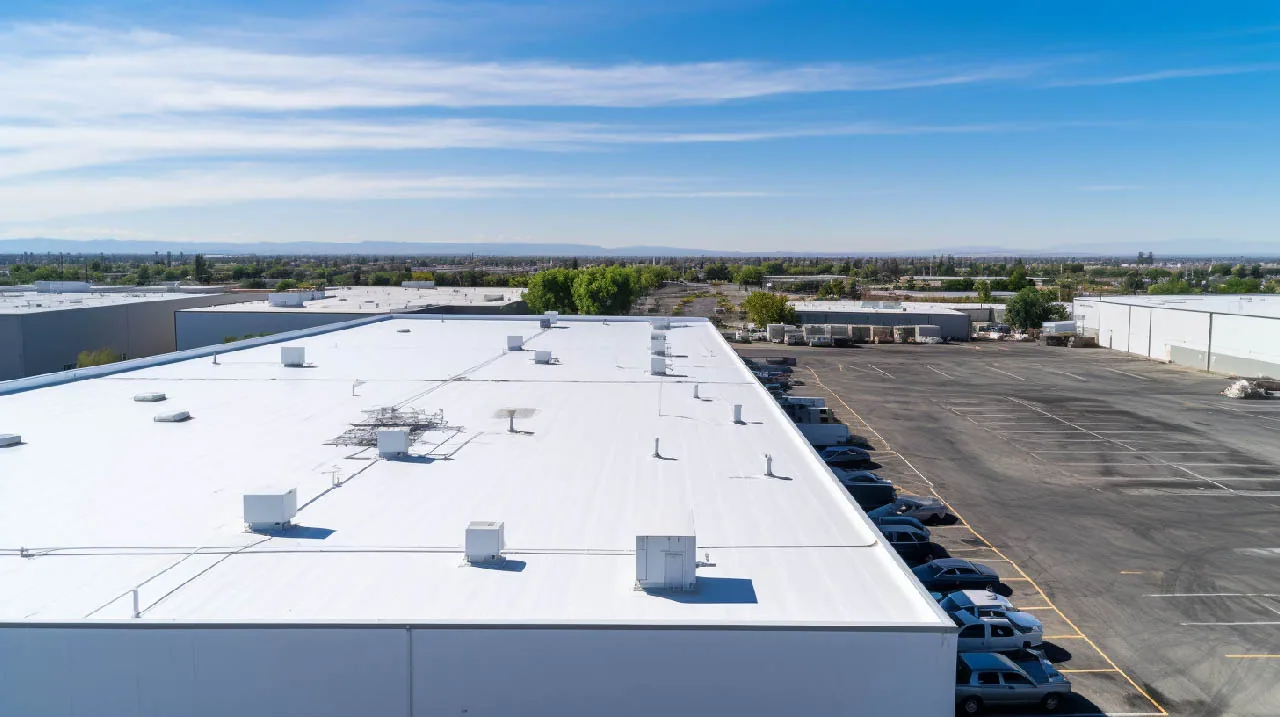
A raised lap beside an old patch can reveal a different repair boundary from the one visible on the cap sheet. Modified bitumen roofing in Elk Grove, CA requires examination of the layered assembly, its attachment, and the detail receiving the correction. Commercial Roofing Elk Grove installs and repairs SBS and APP modified bitumen systems with those conditions established before application begins. A useful scope explains whether the failure is confined to a connection or extends into the construction beneath it.

Modified bitumen uses asphalt-based sheets modified with polymers and reinforced for roofing use. SBS and APP formulations have different application requirements, and the selected product determines its suitable installation method. We identify the installed layers and surrounding condition rather than choosing a repair from the surface texture alone. The corrected assembly needs compatible connections through the full work boundary.

Trace the layered failure before selecting new work

Arrange a review of the modified bitumen assembly and known repairs. We will compare its receiving condition with the proposed method and define a complete correction boundary.

Request a roof assessment or call 555-555-5555.

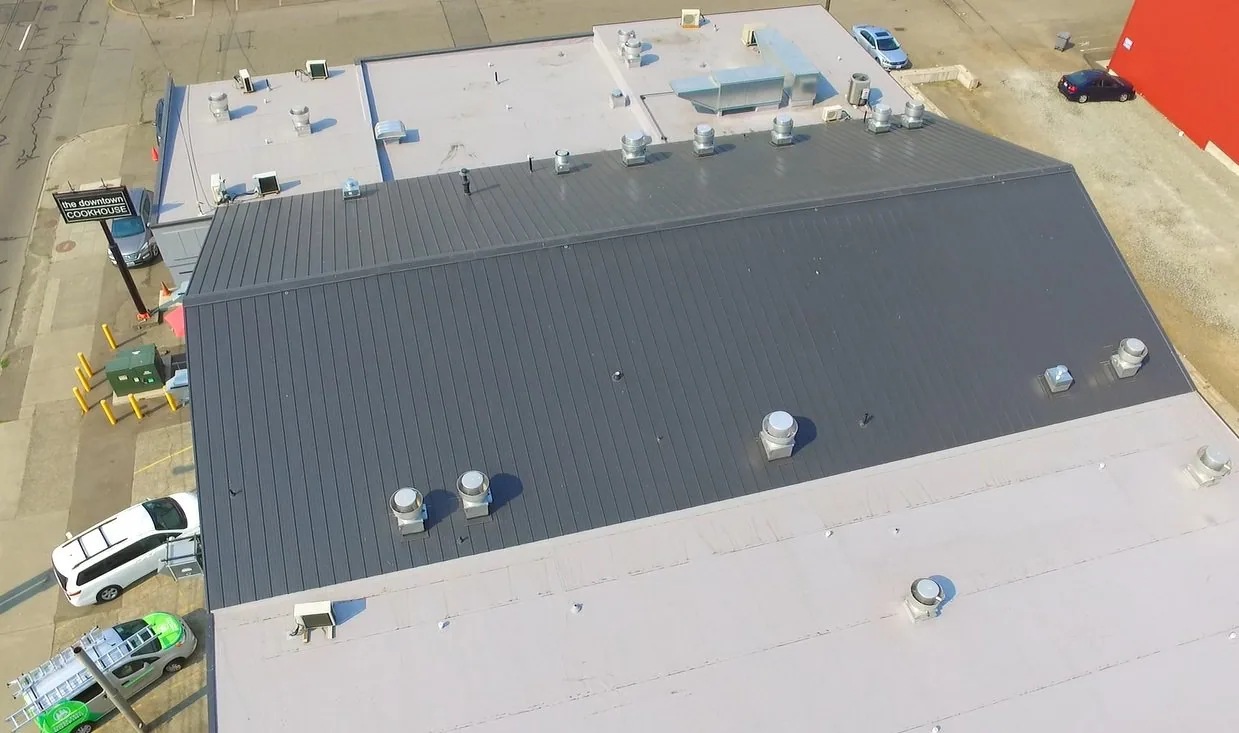
The right system depends on the roof deck, drainage, insulation, rooftop equipment and how the building is used. These are the systems we install, repair and maintain around Elk Grove.
Don't see your roof system? Ask us or call 555-555-5555.

A failure followed through the layers

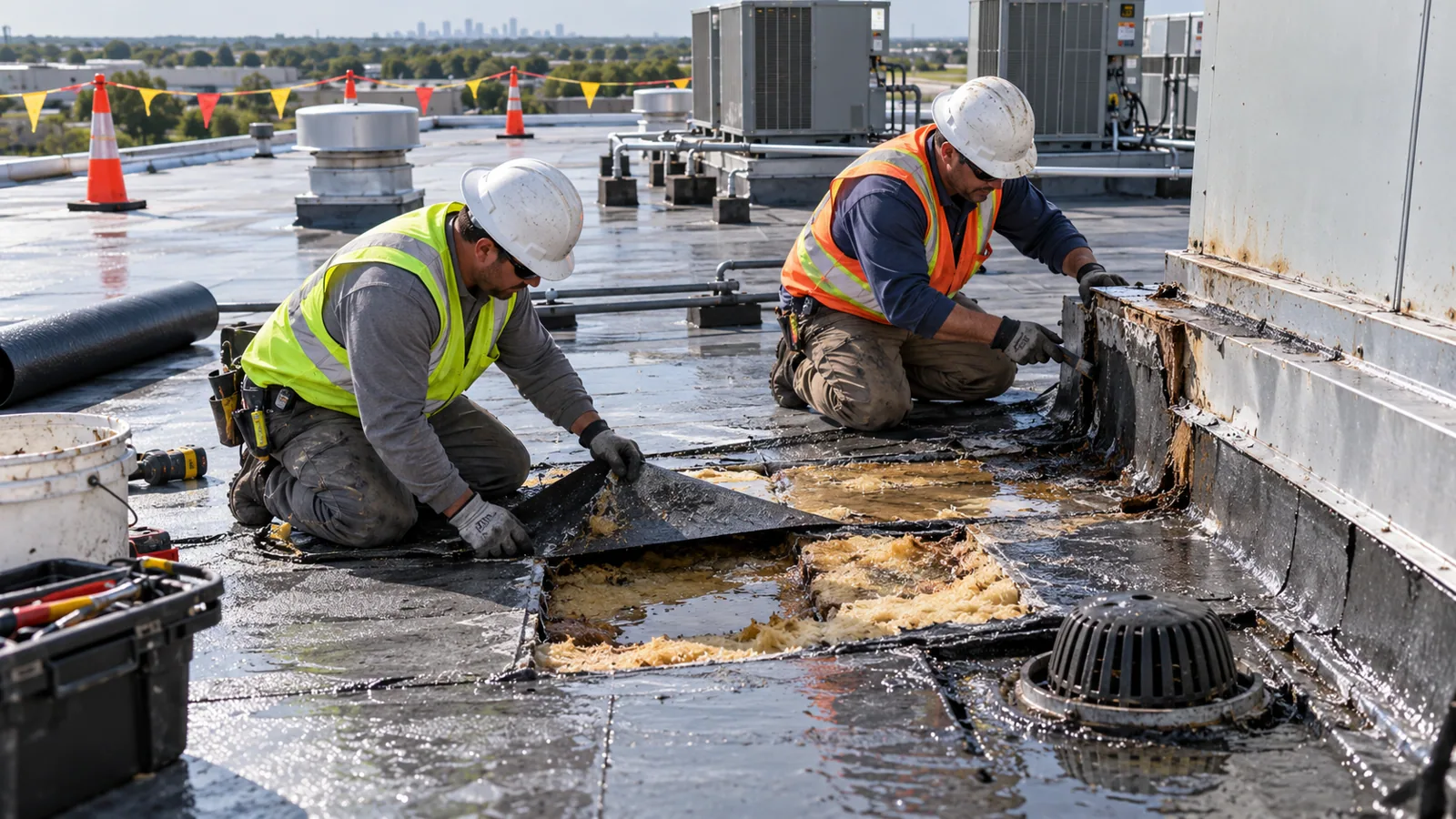
A blister or separation can involve trapped air, moisture, adhesion failure, or movement in the supporting assembly. We examine its position, extent, and relation to adjoining laps before deciding whether it needs observation, local reconstruction, or wider removal. Cutting a visible blister without assessing the receiver can leave the cause beneath a new patch. The investigation follows the condition into the layer that changes the correction.

Open laps need examination of both sheet edges and their receiving surface. Loose granules, contamination, deteriorated asphalt, or previous coating can affect preparation. We establish enough suitable material for the selected bond and connection, with incompatible or unstable layers removed as required. The corrected detail should not depend on an old repair whose attachment has not been examined.

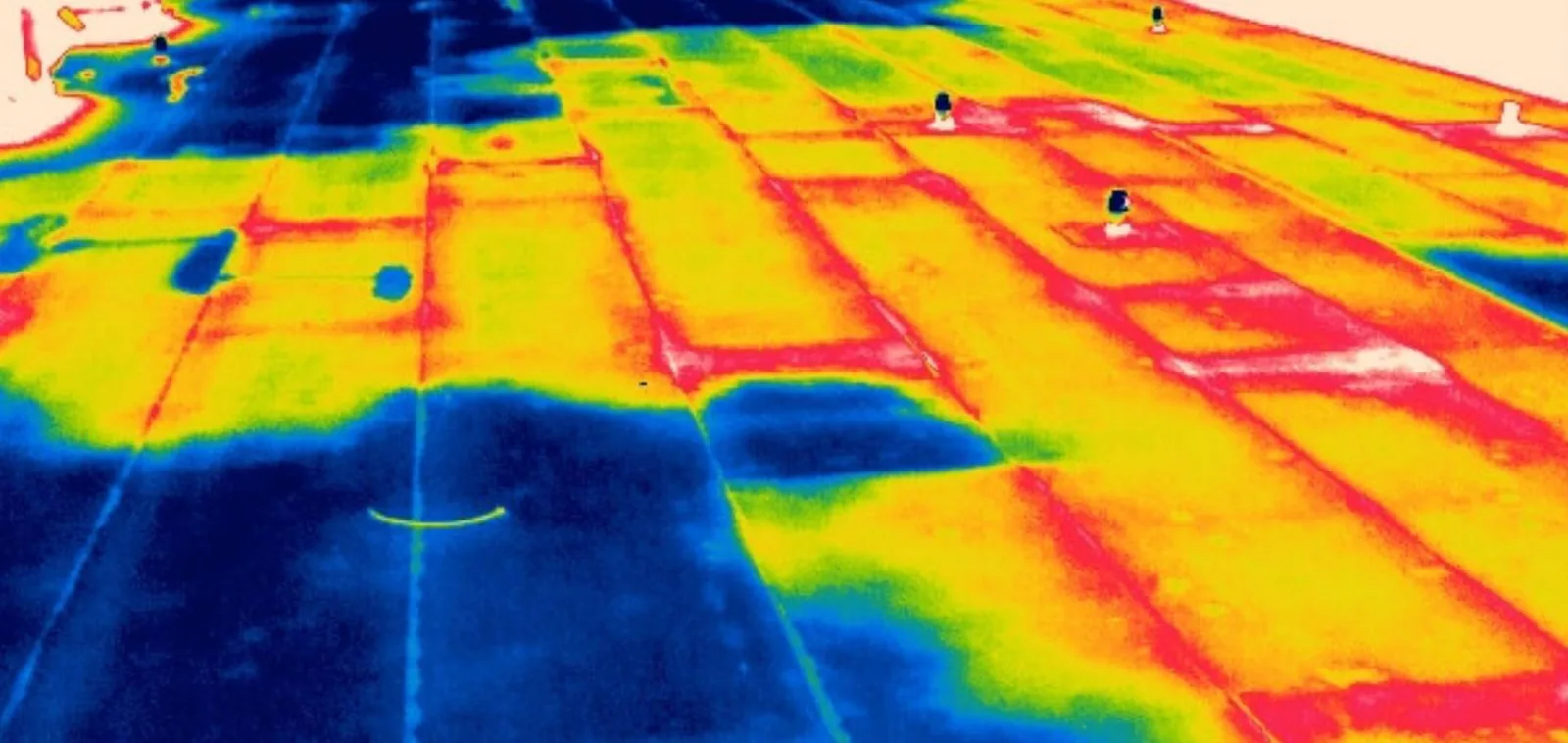
Moisture examination beneath the cap sheet can help locate suspect areas where concealed condition influences removal. Physical confirmation may be needed to establish wet layers and their boundary. Those findings are joined to visible failures so the project does not retain damaged insulation simply because the upper sheet can receive another surface correction.

Modified Bitumen Roofing

Related Roofing Work

Other pages that cover parts of the same roof question.
Roof leaking now?

Call 555-555-5555 for emergency roof repair in Elk Grove and nearby communities.

Modified Bitumen Roofing

The application method matched to the assembly

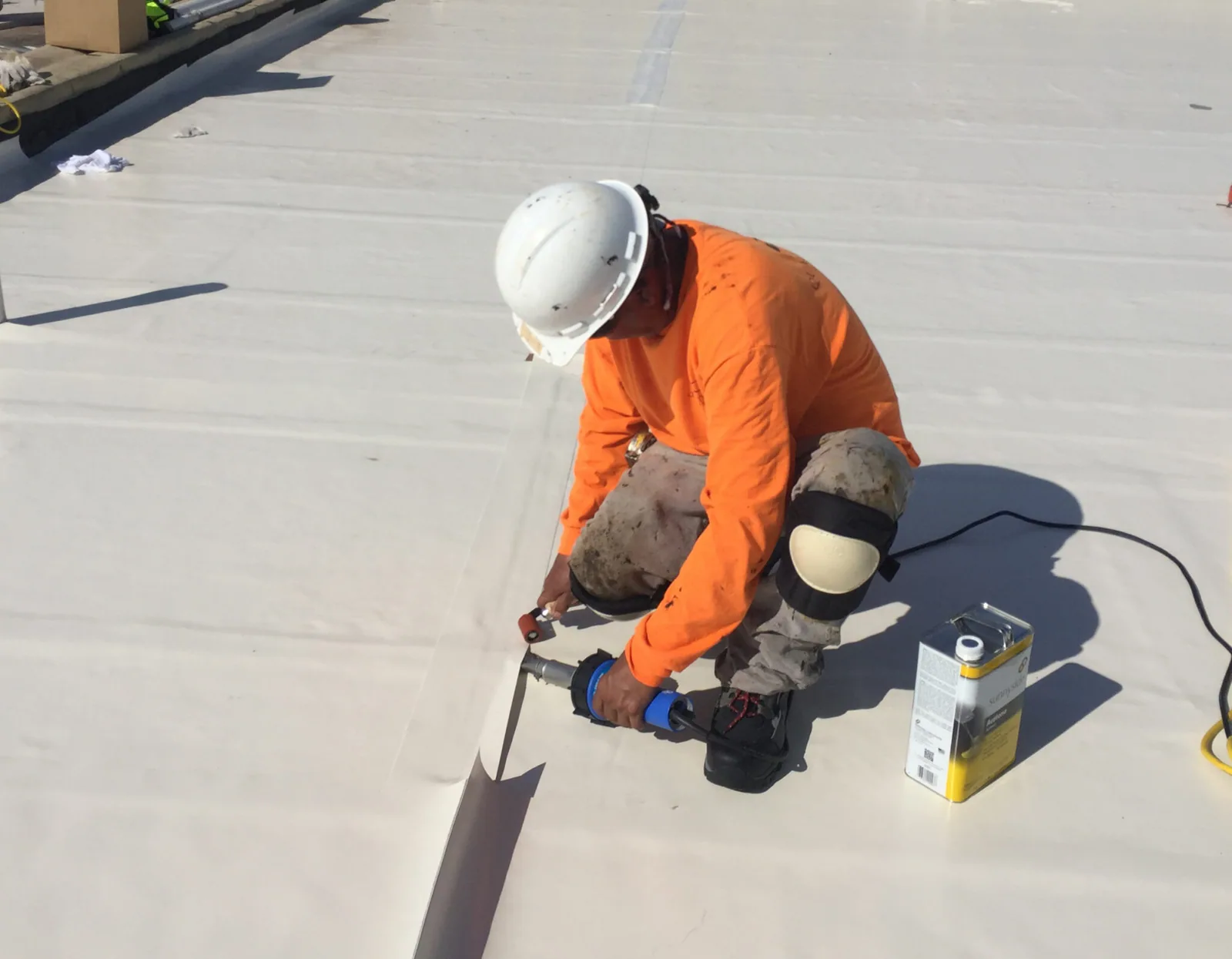
Modified bitumen products can use compatible adhesive, self-adhered, hot-applied, or torch-applied methods according to their design. The method is selected with the product, supporting surface, detail geometry, and building conditions. One application approach cannot be assumed suitable for every SBS or APP sheet. We review how the complete specified construction is to be installed before opening the work area.

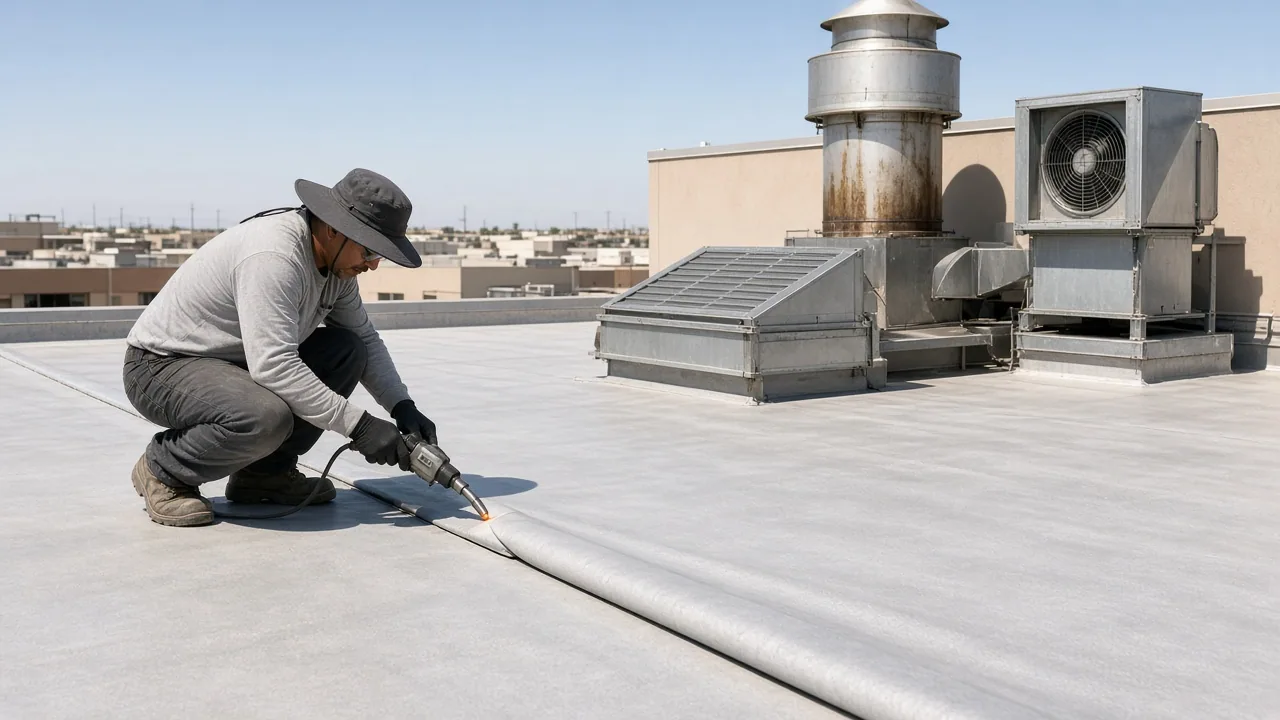
Heat and flame methods introduce requirements for the receiving construction and fire prevention. Concealed combustible materials, wall cavities, equipment, and occupied operations can affect whether that approach is appropriate at a position. We assess those conditions and use the suitable detail and application method. The chosen sequence needs the safety controls and observation required for the work actually being performed.

Adhesive or self-adhered construction has its own preparation, temperature, and surface requirements. A damp or contaminated receiver can undermine the bond even without a flame operation. We check the field condition before application and control material handling within the selected system. The practical comparison includes these preparation requirements rather than treating a change in method as an automatic removal of every installation constraint.

Modified Bitumen Roofing

Details where the layered roof changes plane

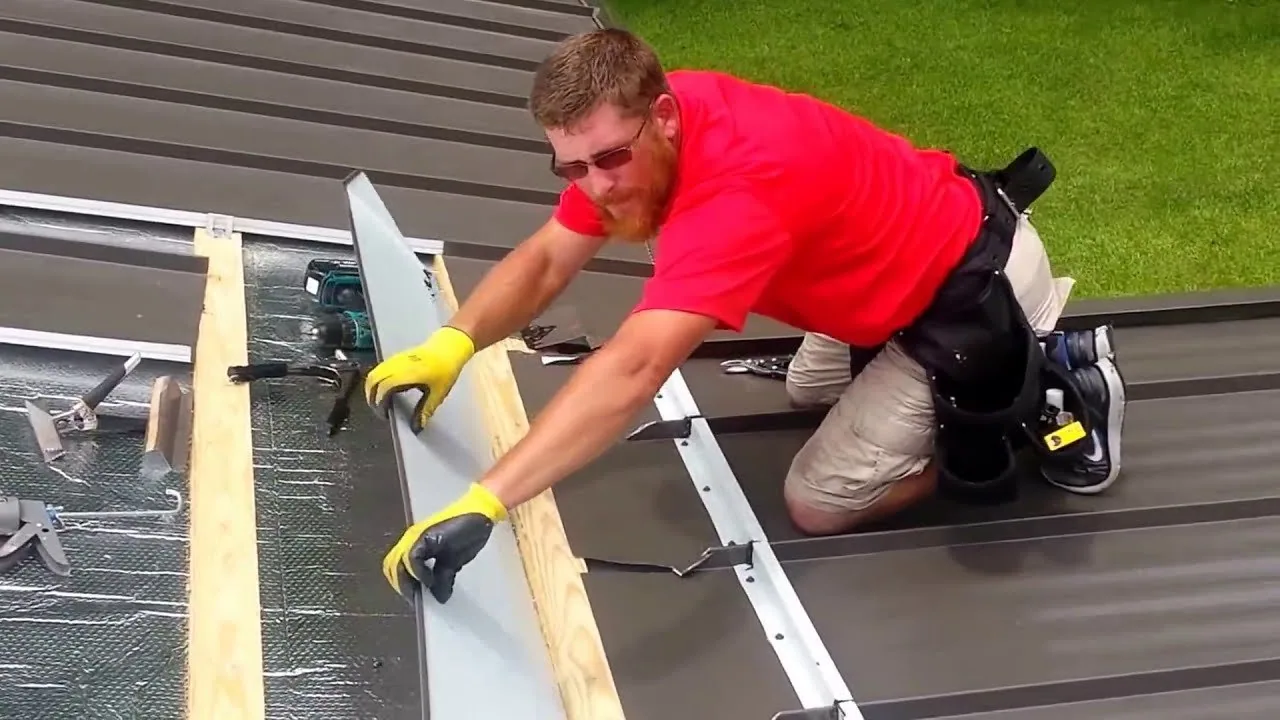
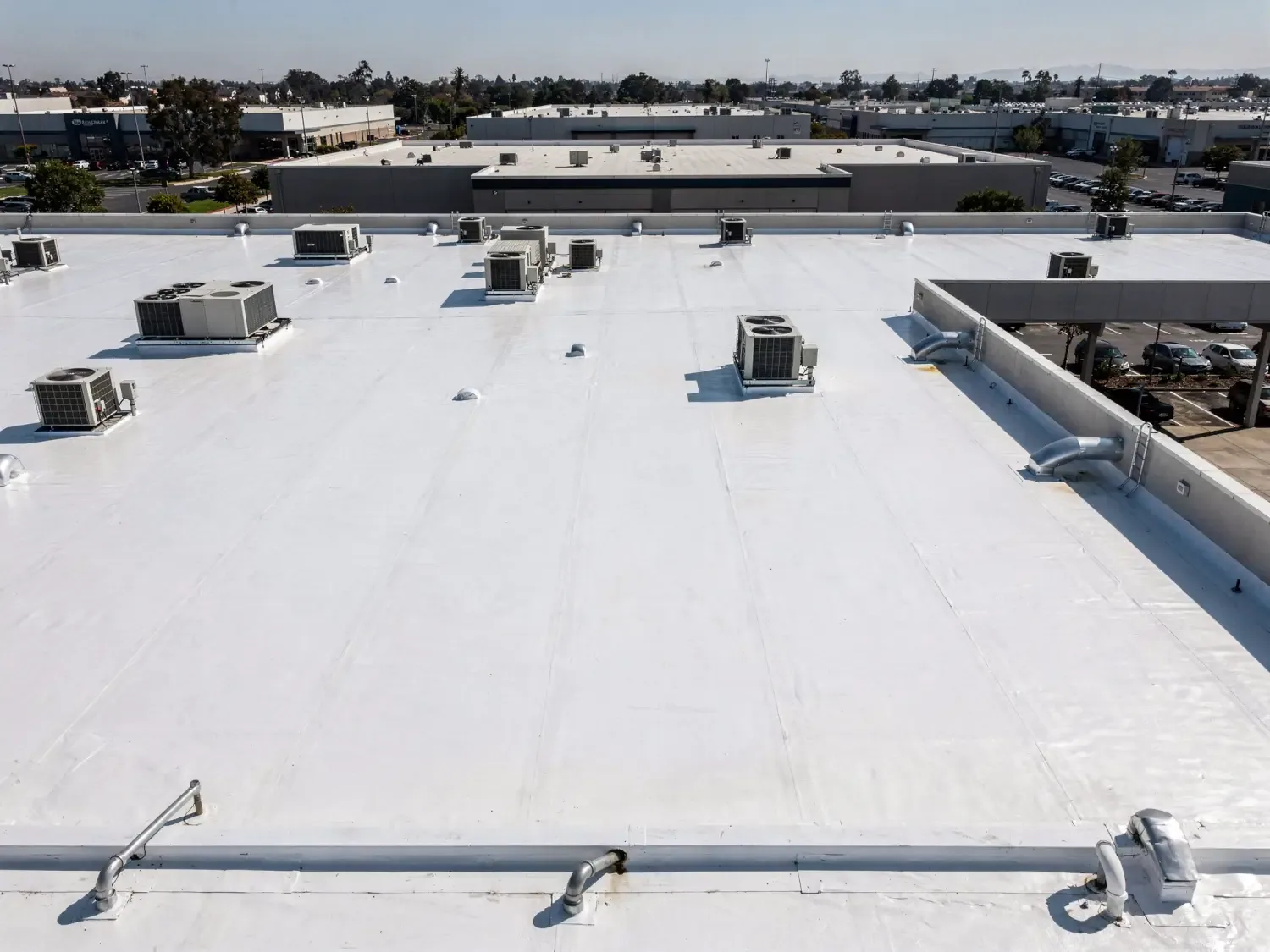
Curbs, walls, and drains need their flashing integrated with the field layers. We examine whether existing geometry provides the height, support, and access needed for the proposed construction. Multiple old repairs can crowd a connection or leave a poorly supported transition. Removal at that position may be necessary to rebuild a detail that can be inspected and maintained.

Perimeter metal requires assessment of its connection with the roof and supporting edge. A surface cap repair cannot correct moving or deteriorated support beneath the metal. We define that correction before completing the flashing so the new connection receives a stable boundary. Similar attention at drains relates the membrane detail to the outlet and the accessible discharge.

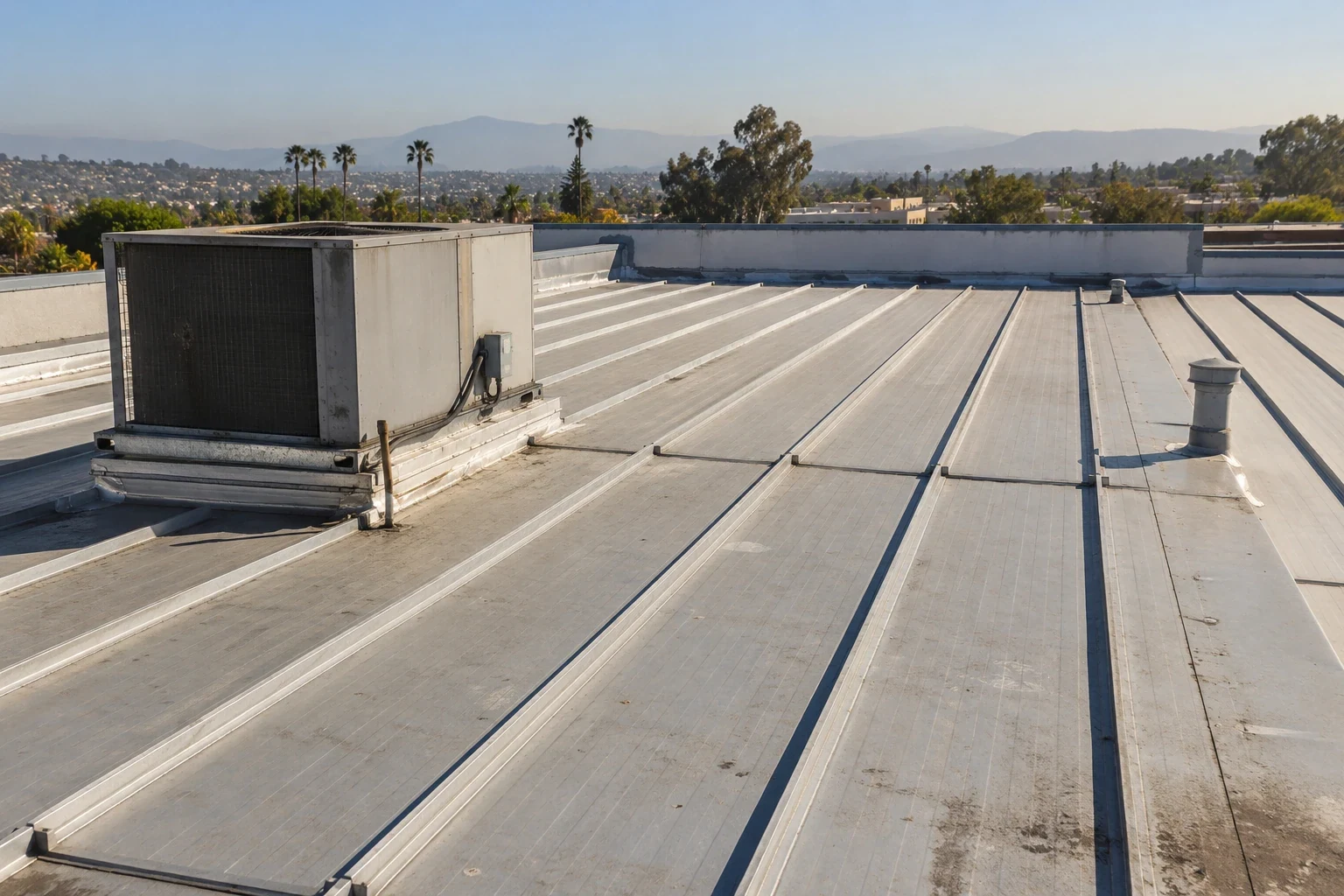
Comparing a multi-ply built-up assembly may be useful where the existing layered construction influences the renewal option. A single-ply TPO replacement changes the connection and attachment design. We compare the actual removal, insulation, drainage, and detail requirements of those choices rather than ranking them by the number of visible layers.

A proposed equipment replacement can change those flashing heights and access requirements. We compare the new curb with the existing roof plane and identify insulation or support work before completing the cap sheet. Closing the field first can create avoidable cutting when the known alteration follows. Coordinating the two scopes keeps the final connection inside one planned work phase and gives the building contact a usable return-to-service sequence.

Modified Bitumen Roofing

A work phase suited to occupied businesses

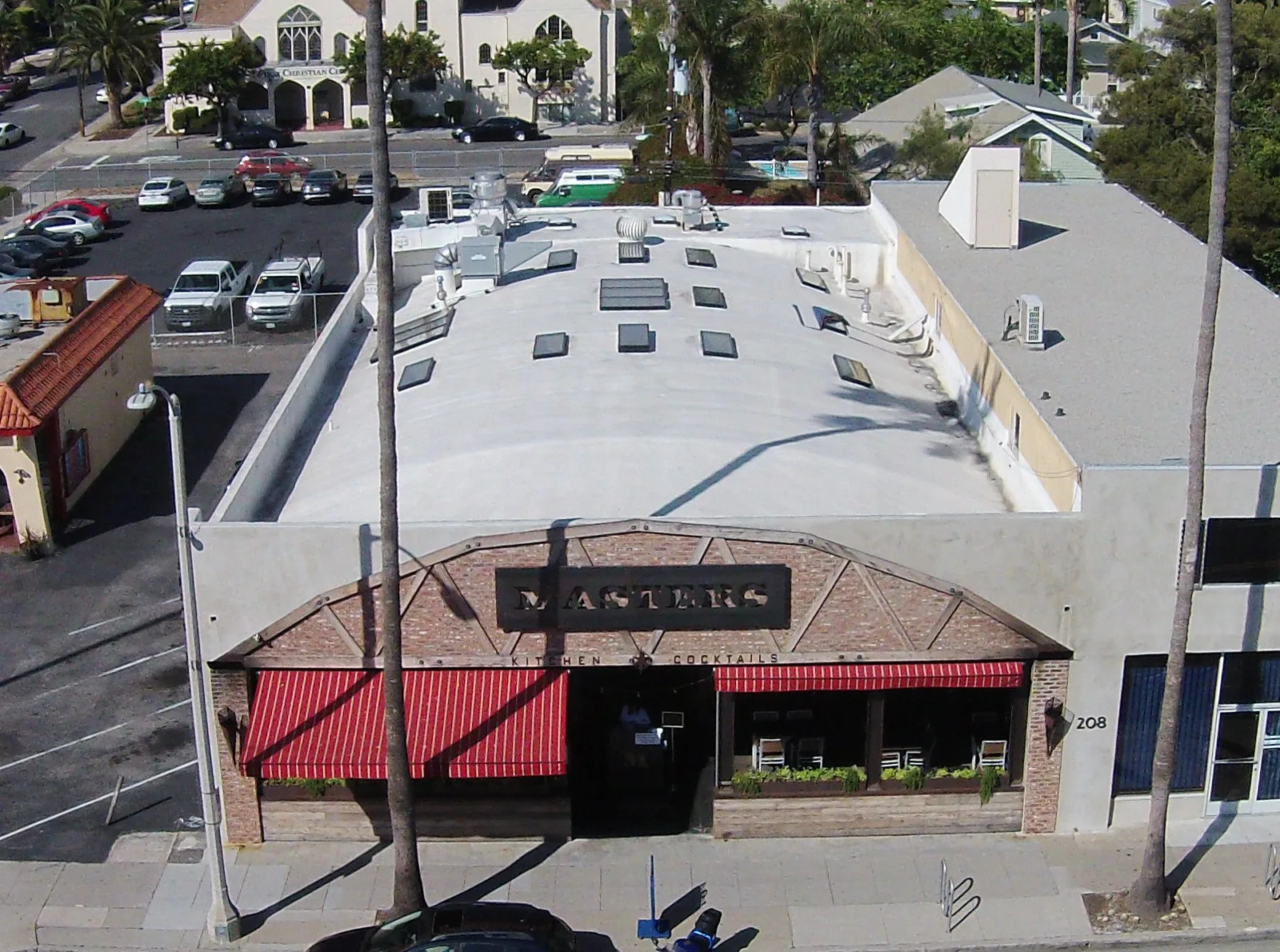
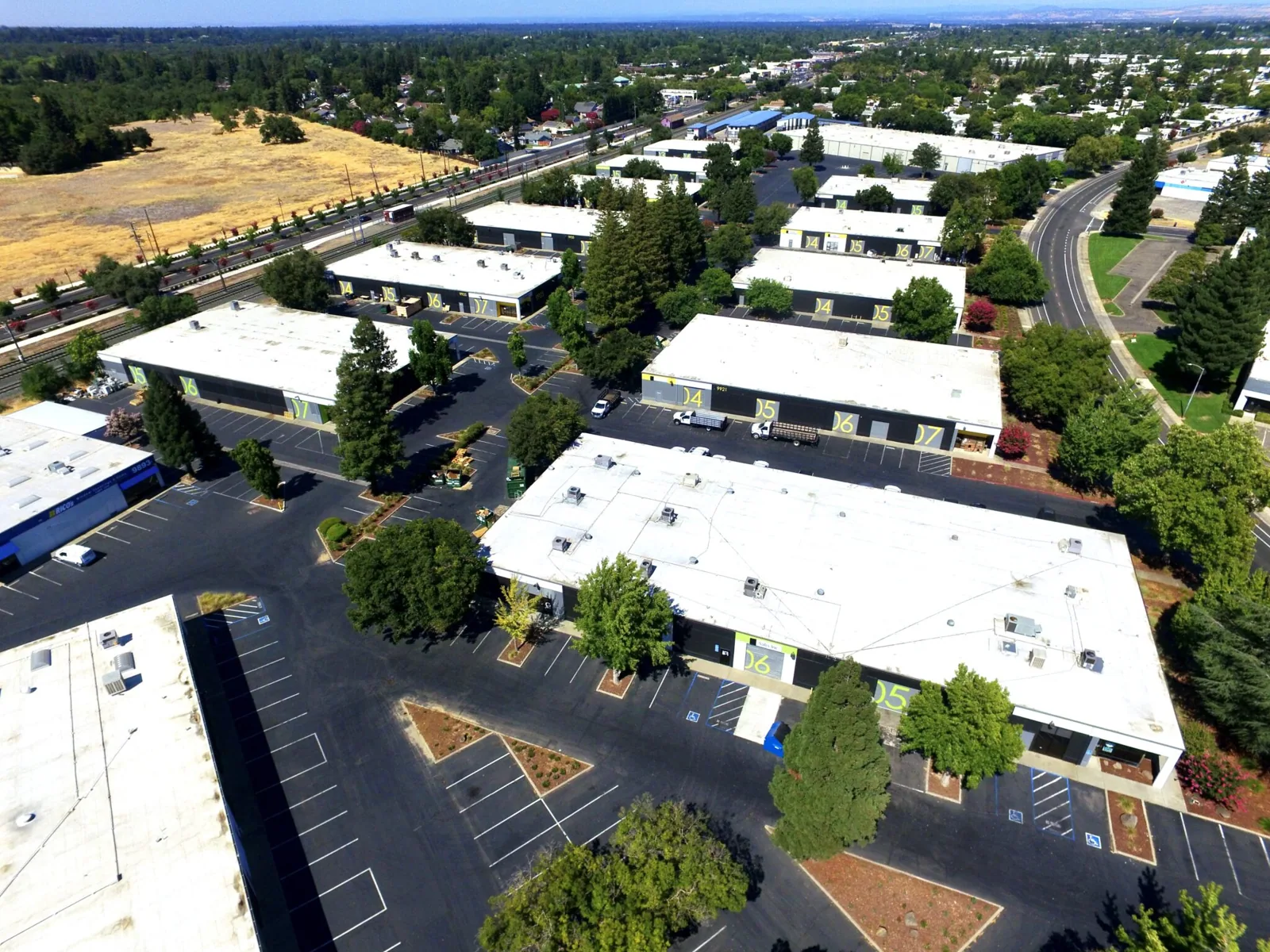
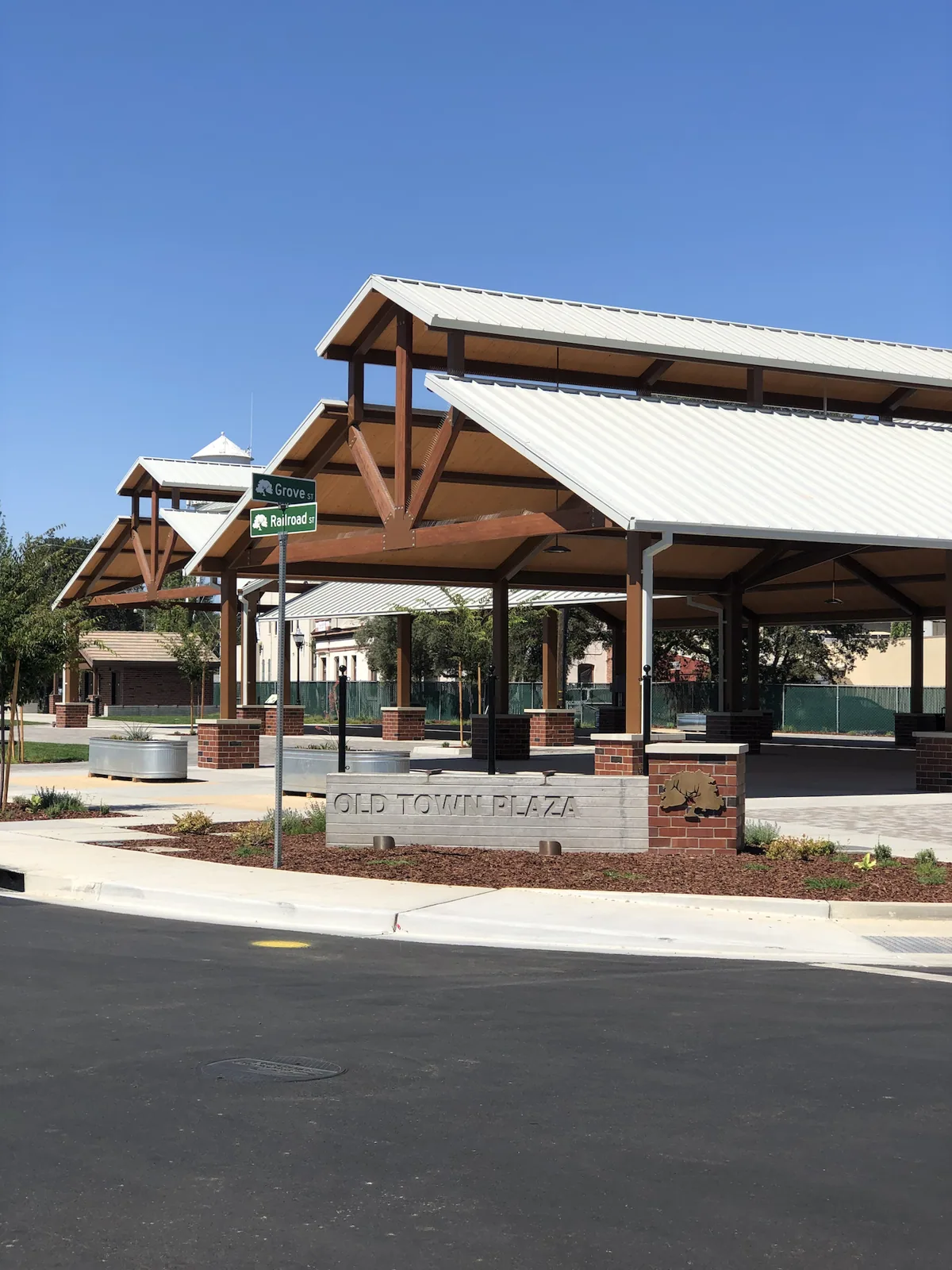
Old Town Elk Grove’s commercial district contains shops, services, businesses, and restaurants. Modified bitumen work at an Old Town commercial property needs the actual receiving construction and operating conditions examined before the application method is selected. Material movement, public entrances, and any equipment interruption become part of the agreed work phase where they affect the correction.

Elk Grove Boulevard is among the city’s traffic-signal coordination corridors and crosses the Old Town business area. We arrange roof access and material delivery with the property contact so a workable loading position is established before removal begins. Construction above operating interior space also needs a daily closure boundary sized to the work that can be completed under the available conditions.

The Sacramento Valley changes from hot dry summer conditions to cool-season rain. That affects surface preparation, exposed insulation, and the timing available to complete a layered roof connection. We assess actual surface conditions and forecast during each phase. The sequence protects incomplete construction while allowing the selected materials to be installed within their working requirements.

Modified Bitumen Roofing

The complete receiver in the capital decision

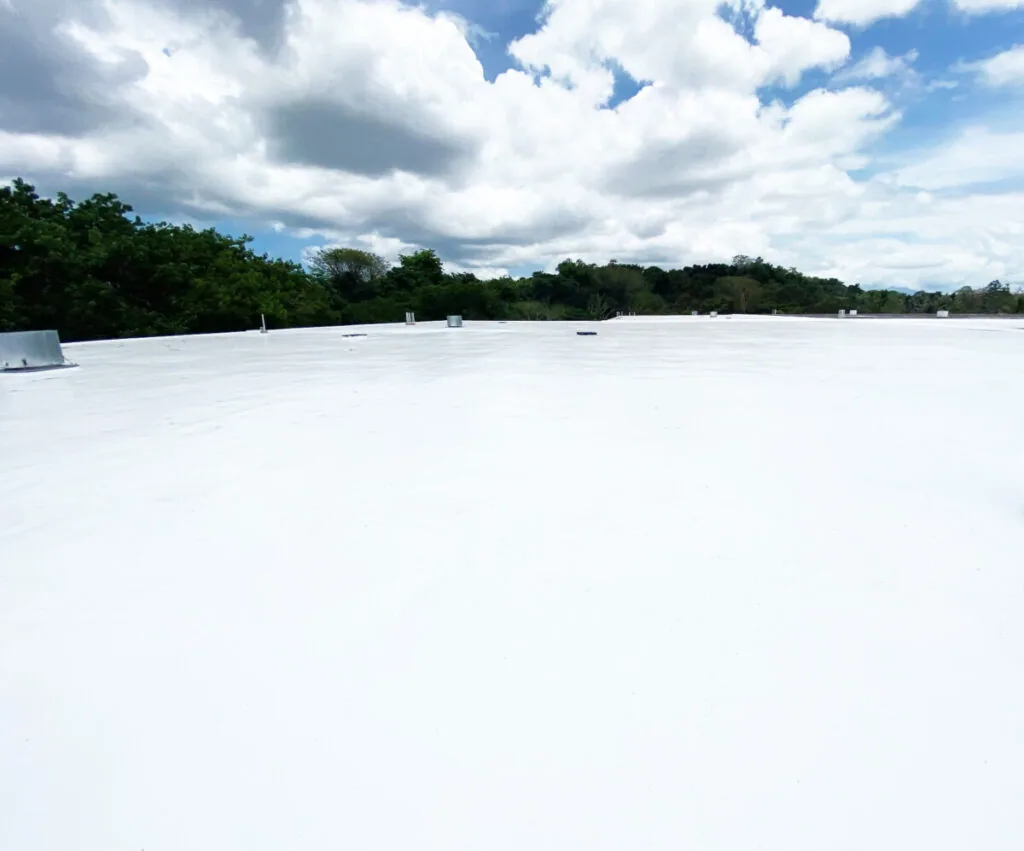
A serviceable layered assembly with local defects can support another defined correction. Widespread wet construction, deteriorated attachment, or failing details across several roof positions can change that comparison toward broader removal. Planning a capital project from located conditions gives those alternatives a common basis: the layers retained, the water path corrected, and the supporting work included.

Cost changes with the number and condition of existing layers, removal access, moisture replacement, detail reconstruction, and the selected application method. We identify those drivers with the proposed work boundary. A field-sheet allowance without its receiver preparation and perimeter work would leave the owner comparing incomplete scopes. The sequence and the construction need to be assessed together.

Recording the completed layered correction preserves its position, materials, and relevant follow-up requirements. Later inspection can compare lap condition, repaired details, and drainage with that baseline. Equipment service and debris removal are coordinated so the renewed area remains accessible. Continuing maintenance then follows the actual assembly rather than a general label for an asphalt roof.

Trace the layered failure before selecting new work

Arrange a review of the modified bitumen assembly and known repairs. We will compare its receiving condition with the proposed method and define a complete correction boundary.

Call 555-555-5555 or email [email protected].

Questions About Modified Bitumen Roofing

Can SBS and APP sheets use the same installation method?

Application requirements belong to the selected product and assembly. We identify the material and receiver before choosing the appropriate connection and work sequence.

Does a blister require opening every surrounding layer?

Its extent and cause establish the useful examination and repair boundary. We assess adjoining material and concealed questions before defining removal rather than cutting to a fixed outline.

What changes when a previous coating remains on the cap sheet?

The receiving surface needs preparation and compatibility assessment. Unsuitable coating or unstable material may require removal before the selected repair can form a sound bond.

How are heat-applied details assessed near occupied construction?

Receiving materials, concealed spaces, and operating conditions influence the suitable method and controls. We establish those requirements before beginning the detail work.

ServicesRoof SystemsIndustriesProperty TypesService AreasDamage RepairCapabilitiesManufacturersContactAboutRequest a Roof Assessment555-555-5555
Call555-555-5555