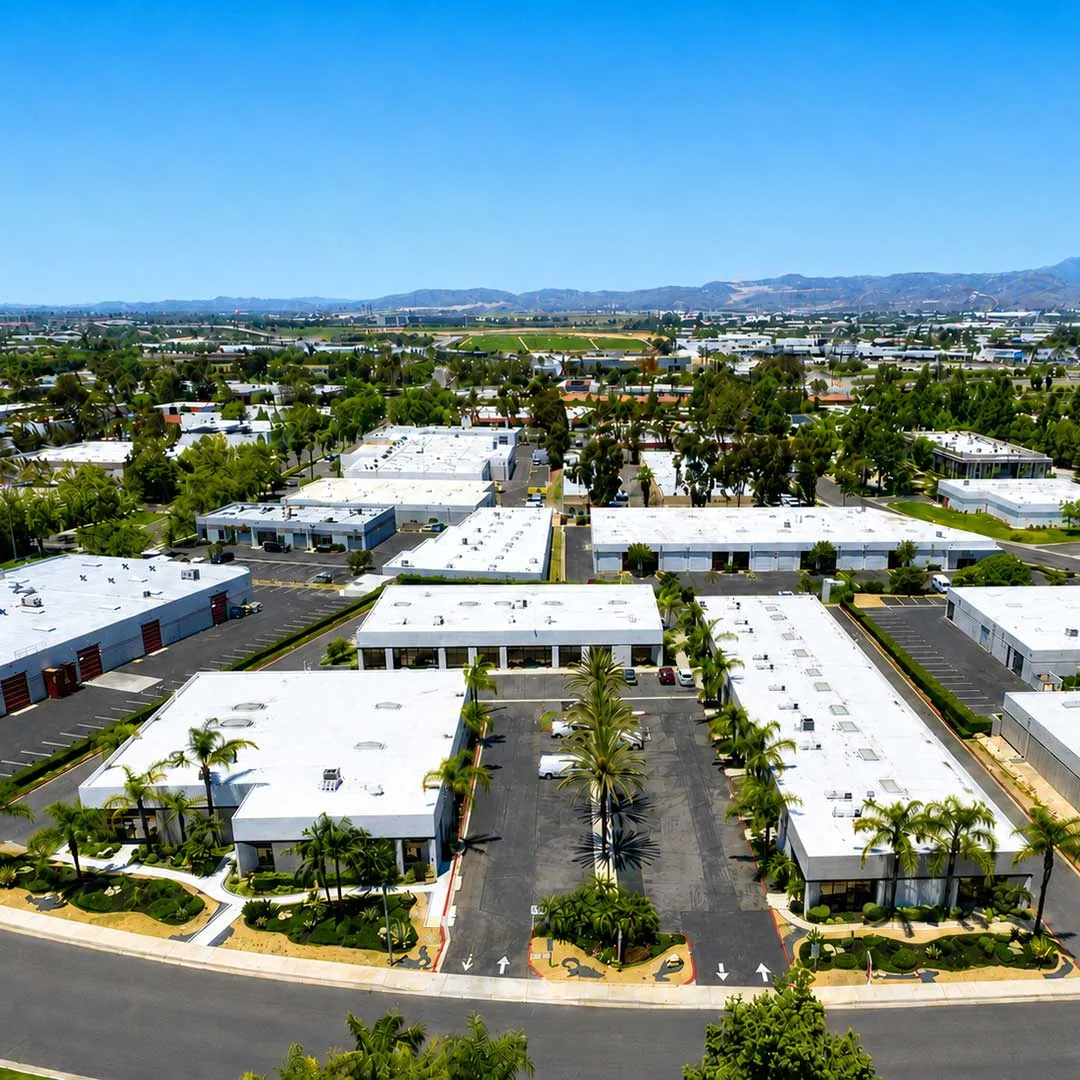
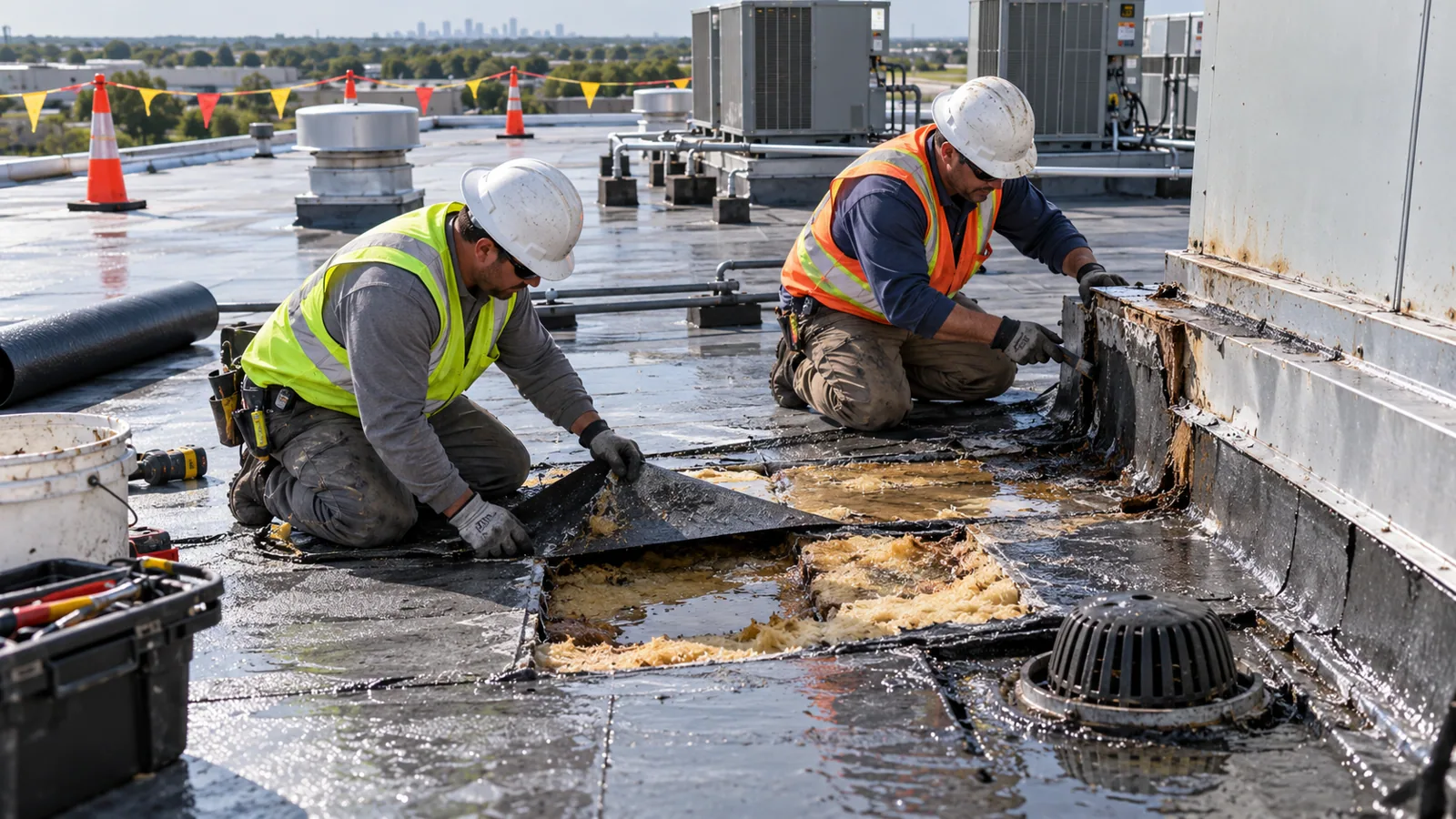
Built-Up Roofing in Elk Grove, CA

Assess built-up roofing in Elk Grove with ply and surfacing checks, moisture confirmation, drain details, and repair or replacement scopes for commercial use.

Roof Systems  /  Call 555-555-5555

Built-Up Roofing at a Glance

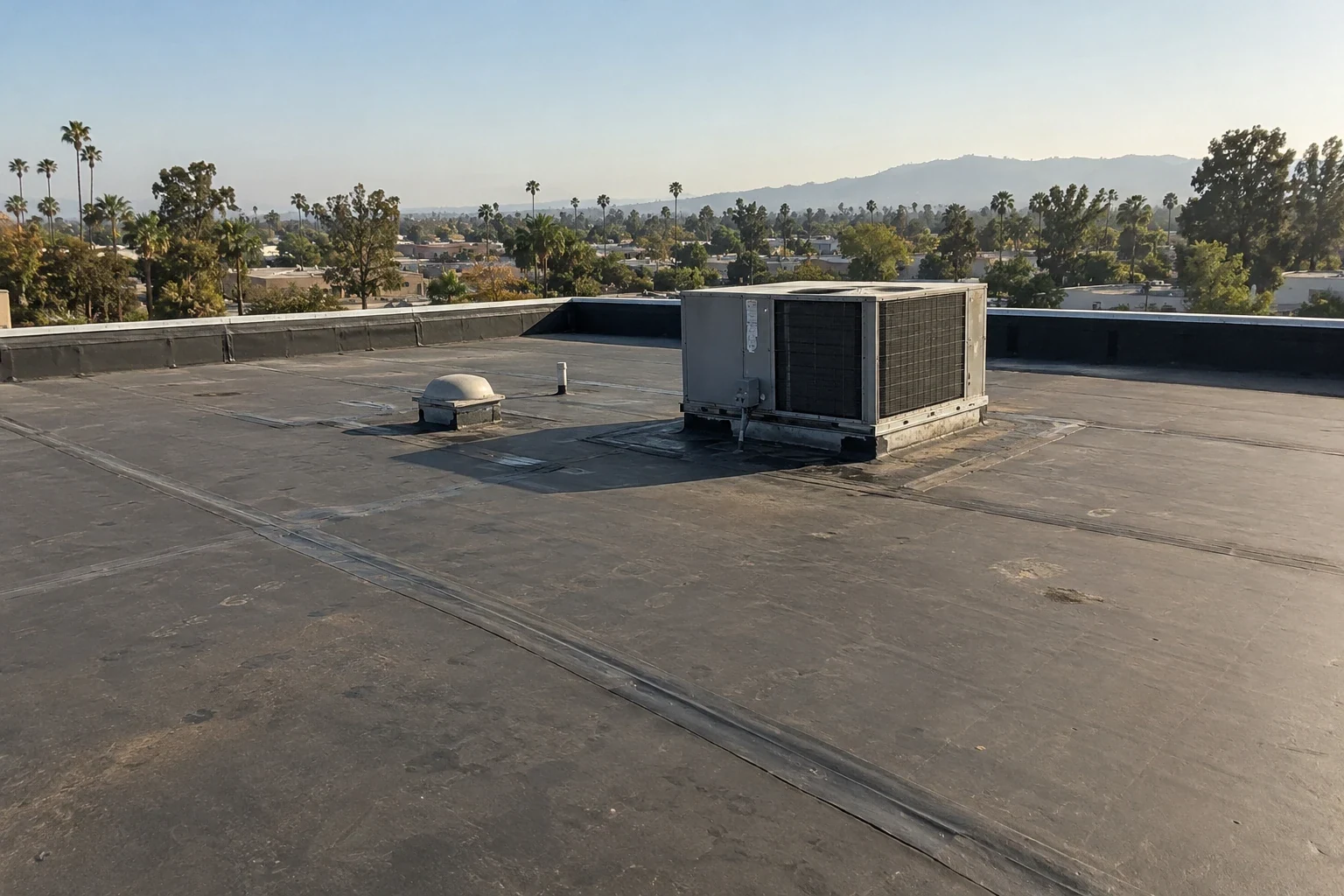
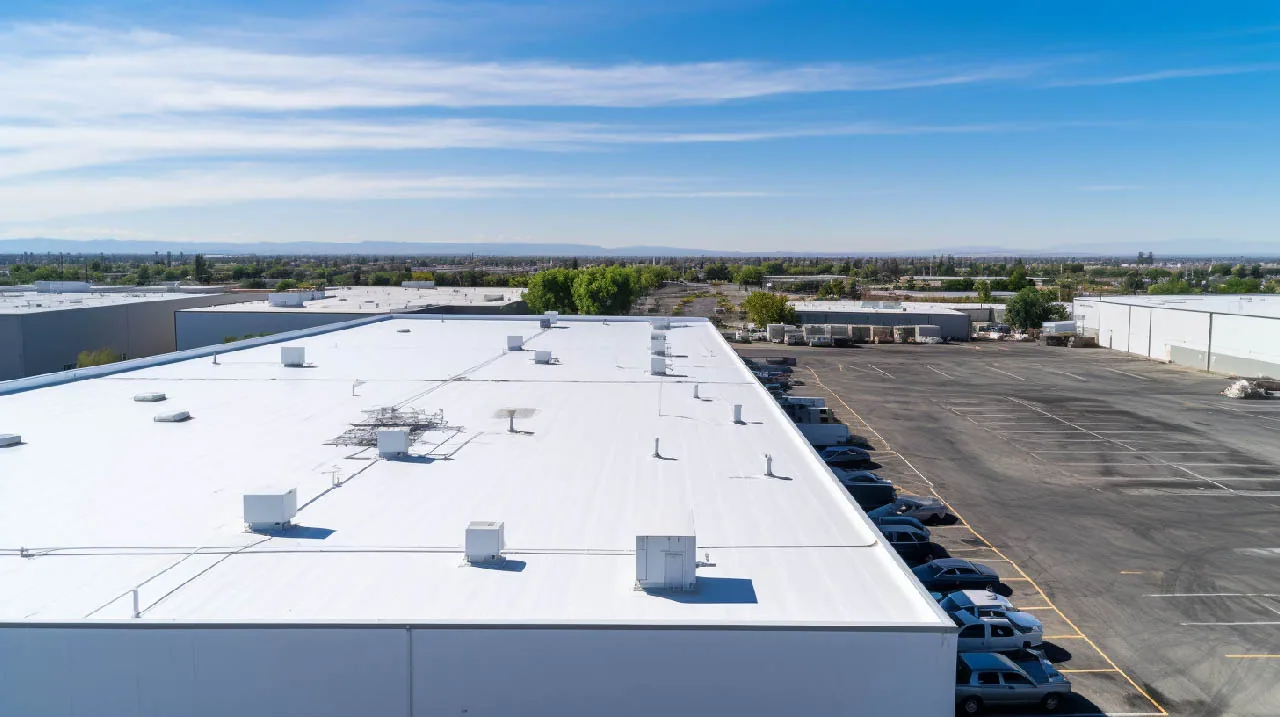
Loose gravel around a drain can conceal the connection that is admitting water beneath a layered roof. Built-up roofing in Elk Grove, CA requires the surfacing and underlying plies to be examined together, with the investigation following the failure into the material that changes the repair. Commercial Roofing Elk Grove installs and repairs BUR assemblies and compares their existing condition with the work needed to retain or remove them. A useful boundary accounts for what the surface hides.

A built-up roof combines multiple reinforcing plies and compatible bituminous material, with a specified surfacing protecting the assembly. The number of visible patches does not establish the original construction, and a sound-looking finish does not establish the condition of concealed insulation. We assess the installed layers, attachment, drainage, and details before choosing the next work. The complete assembly is the investment being evaluated.

Compare the BUR layers with the planned work

Arrange a roof review with known failures and previous corrections. We will examine the surfaced assembly and identify the repair or removal boundary that supports the next project.

Request a roof assessment or call 555-555-5555.

The right system depends on the roof deck, drainage, insulation, rooftop equipment and how the building is used. These are the systems we install, repair and maintain around Elk Grove.
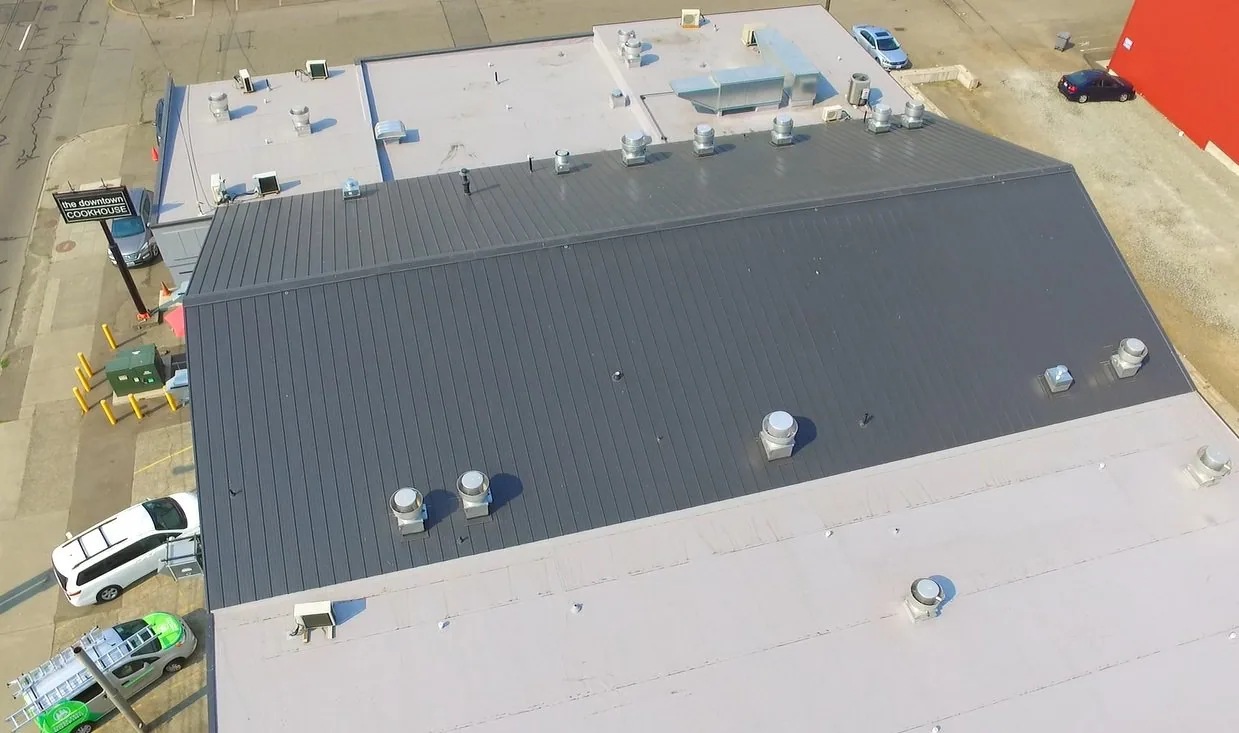
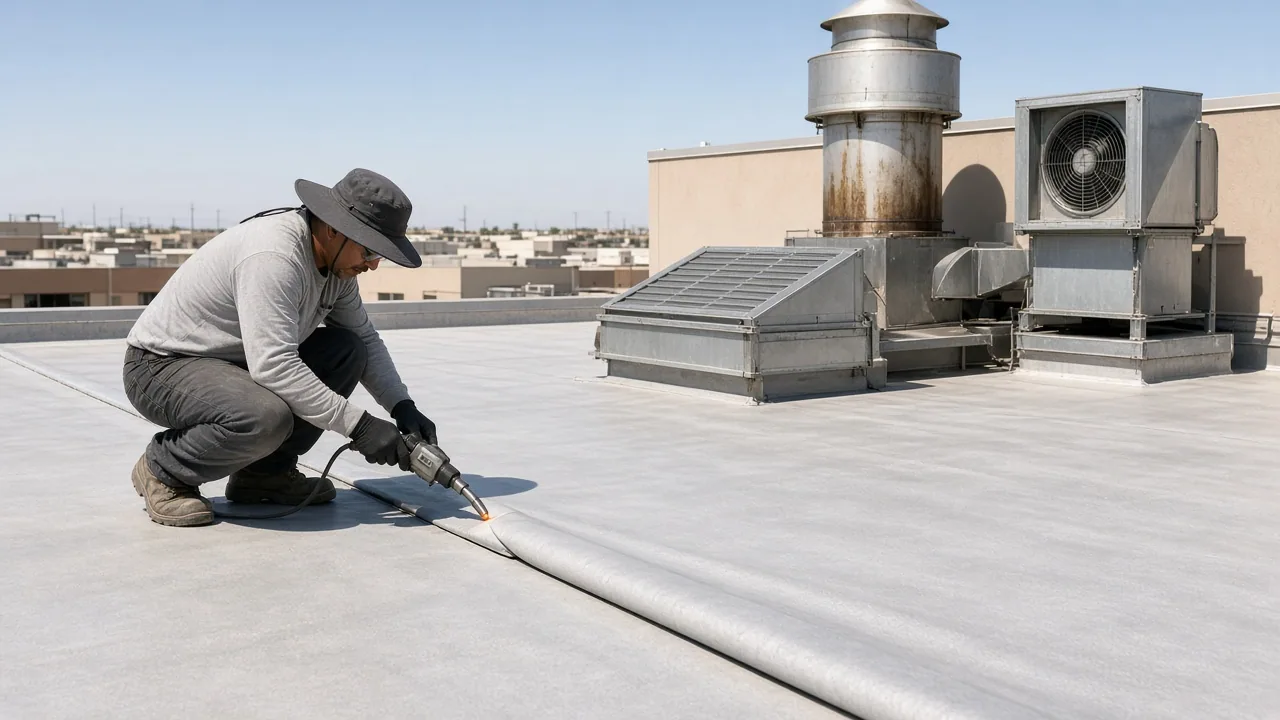
Don't see your roof system? Ask us or call 555-555-5555.

The condition below the protective surface

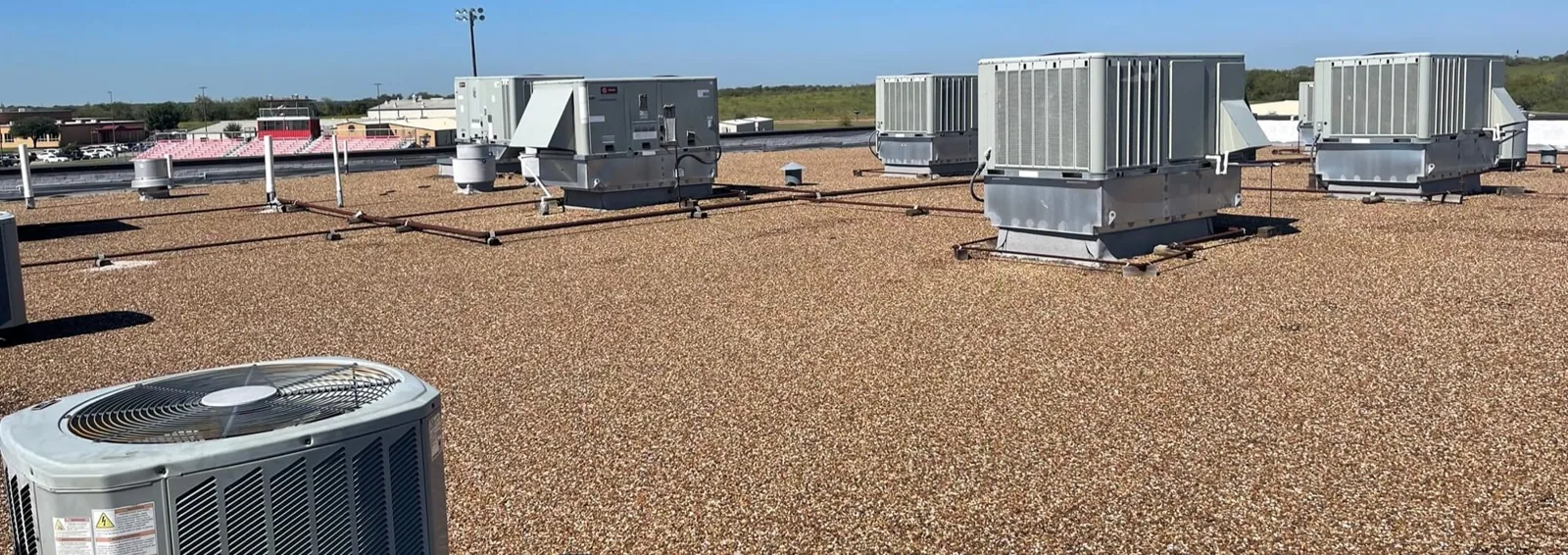
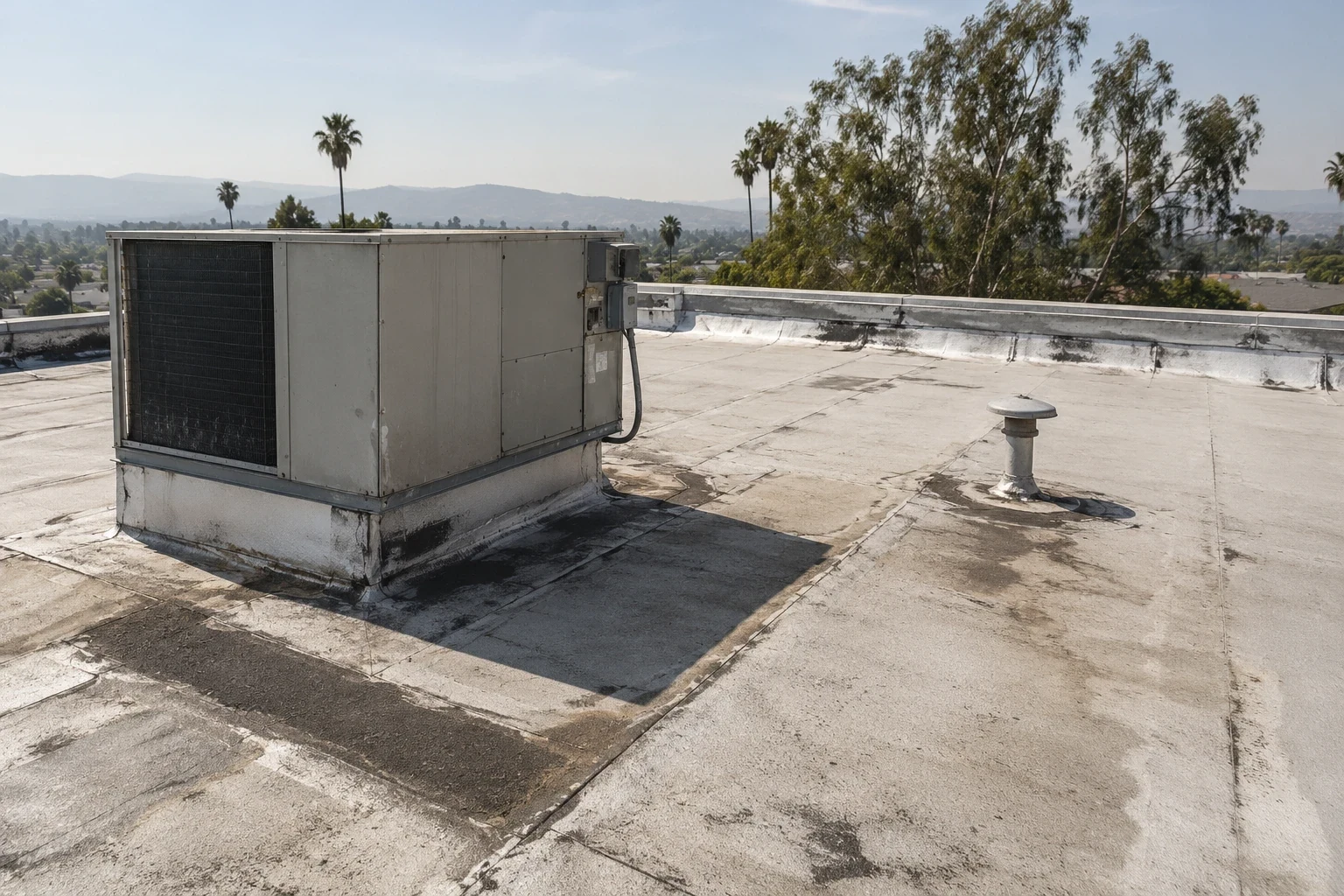
Gravel, a coating, or another specified finish changes how the roof can be inspected and prepared. We examine exposed areas, displacement, deterioration, and the connections where surfacing has accumulated or been removed. Material handling belongs in the scope where it is needed to reach a repair position. A cleared spot should not be mistaken for the condition of the entire surrounding field.

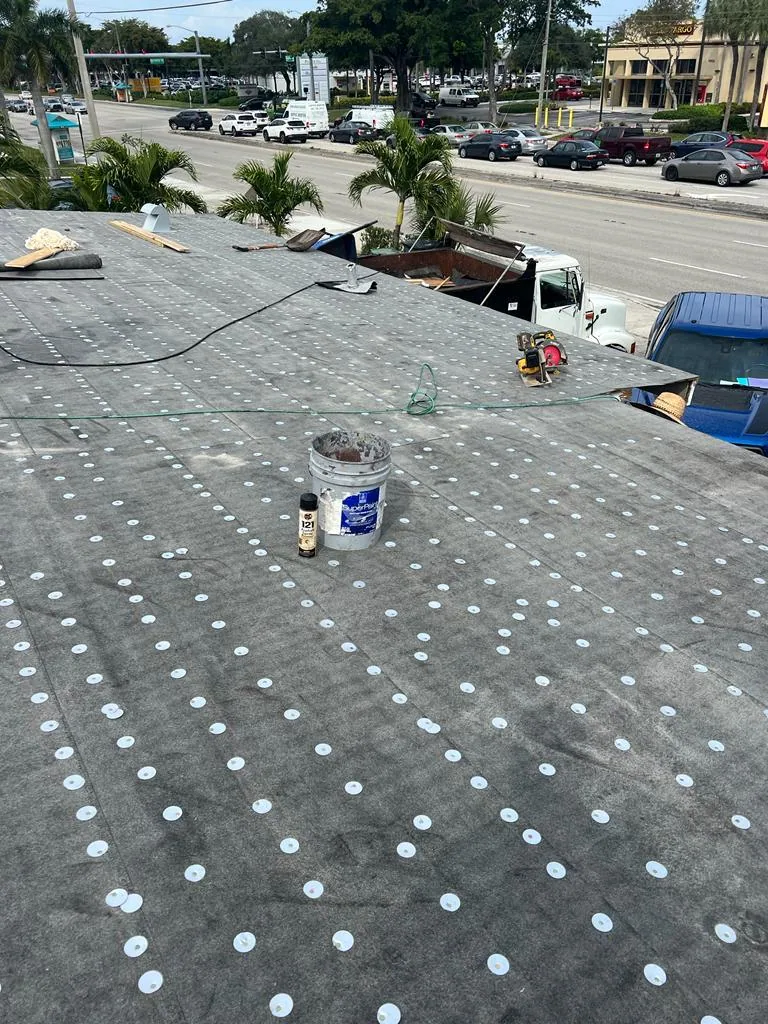
Splits and blisters can involve the plies, their bond, or movement in supporting construction. We assess their location and extent before selecting the examination needed. A cut into the assembly may be useful for identifying layers or confirming concealed condition, but it needs an appropriate closure afterward. The repair plan accounts for both the investigation and the weatherproof construction returned to service.

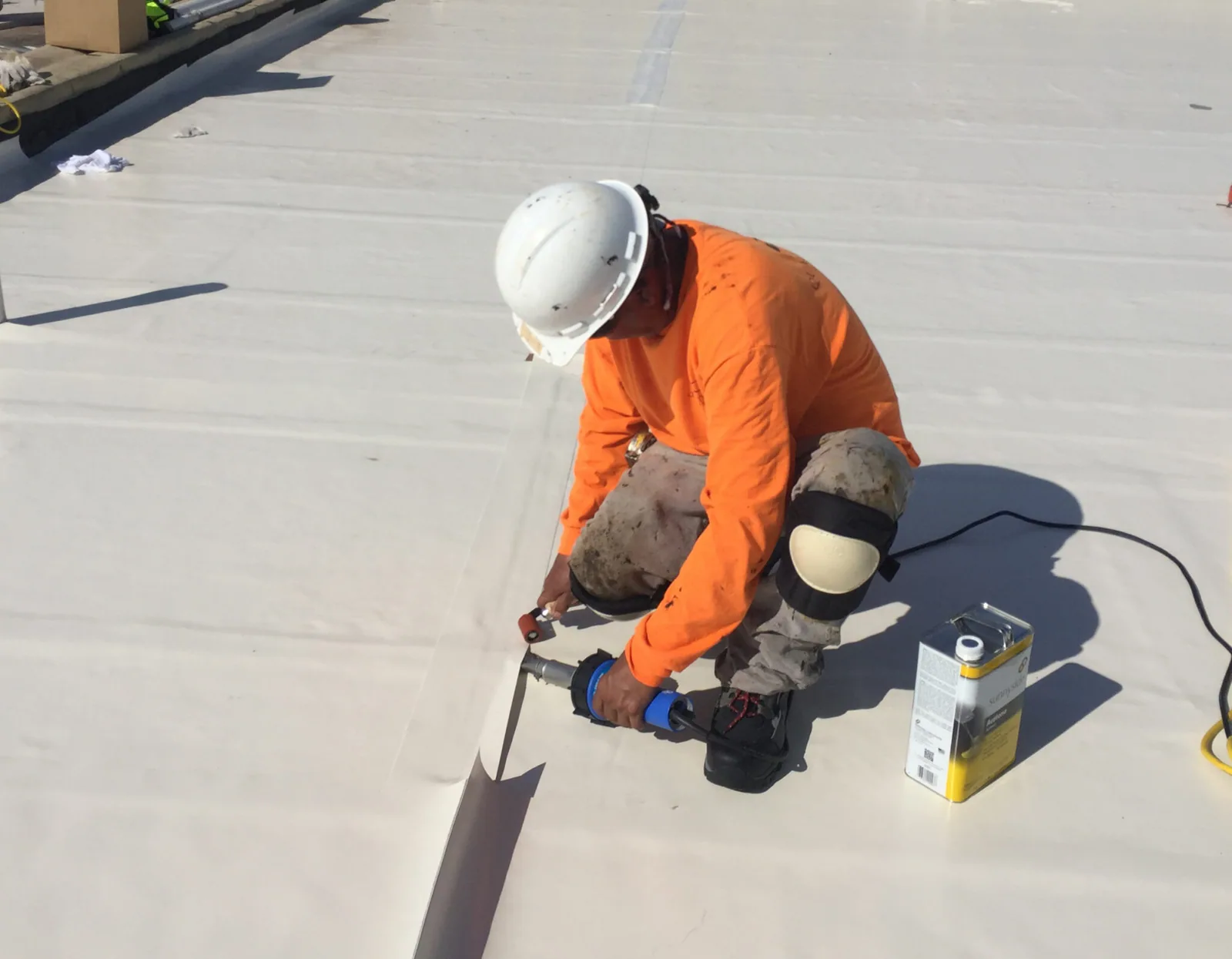
A modified bitumen cap or renewal option may be considered where its product and receiver requirements fit the existing construction. A silicone restoration option requires a serviceable, suitably prepared assembly and the correct complete coating system. Each comparison starts with the retained roof condition rather than adding a new finish over unresolved failure.

Where exposed reinforcement or worn surfacing concentrates along a service route, we examine the traffic and protection needed after correction. The completed layout should leave equipment accessible without returning repeated foot traffic to the same vulnerable position. That operating change can be as relevant to the repair value as the new material.

Built-Up Roofing

Related Roofing Work

Other pages that cover parts of the same roof question.

Roof leaking now?

Call 555-555-5555 for emergency roof repair in Elk Grove and nearby communities.

Built-Up Roofing

Concealed moisture and the removal boundary

Water can move within a layered assembly beyond the visible split or flashing opening. We relate interior symptoms and accessible observations to suspect areas, then determine what confirmation would change the removal scope. Wet insulation or weakened layers can require reconstruction even where the upper surfacing remains intact. The boundary is established by condition rather than a standard patch size.

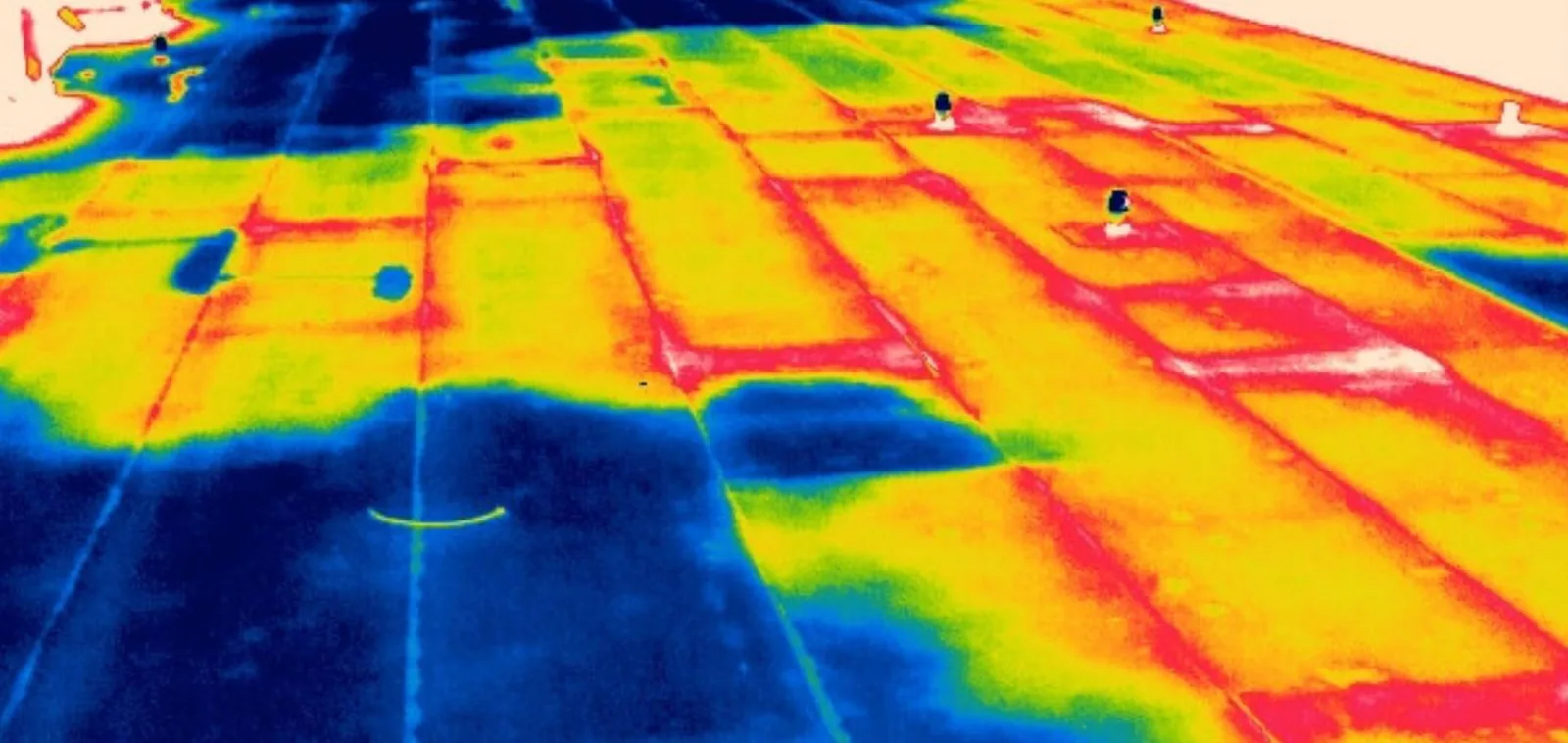
Thermal screening with targeted confirmation can support that investigation where the roof and survey conditions allow useful interpretation. Heavy surfacing or other construction features may limit the method. We choose examination appropriate to the assembly and identify unconfirmed positions clearly, so an image pattern does not become an unsupported instruction to retain or remove material.

A repair needs sound surrounding plies and a suitable receiver for the selected application. Where deterioration extends through the construction, more surfacing treatment will not rebuild its supporting layers. We distinguish the local membrane correction from insulation, deck, or attachment work that changes the project. The owner can then compare the complete reconstruction with broader renewal.

Built-Up Roofing

Drain and edge connections within the layered roof

A drain detail is examined through the accessible roof connection and discharge, including how the surrounding plane directs water to the opening. Surfacing or debris near the outlet may obscure the connection or restrict flow. We assess that position before defining cleaning, flashing reconstruction, or slope correction. The work should resolve the actual water path rather than leave a new surface over a restricted drain.

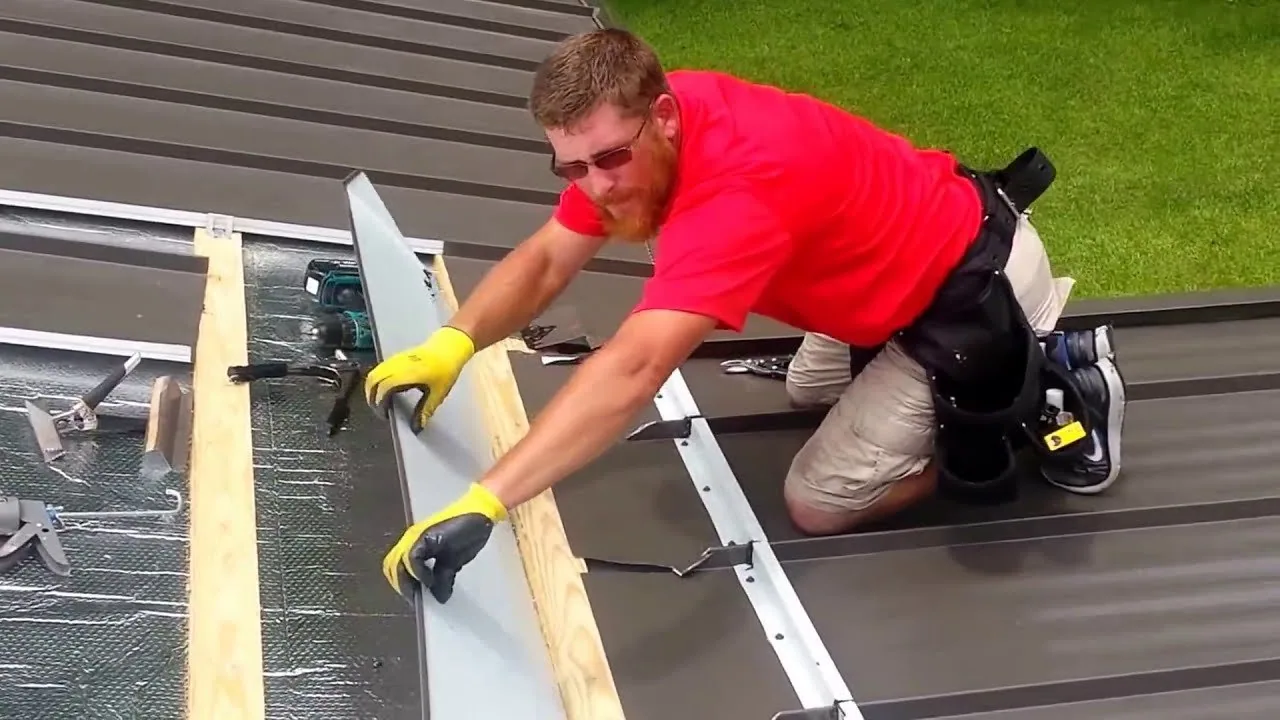
At roof edges and walls, deteriorated support or a loose termination can reopen an otherwise suitable membrane correction. The layered field and flashing need their appropriate connection to the receiving construction. We examine the support and metal as part of the boundary, then sequence their correction before final closure. A surface repair is useful only when its adjoining detail can remain stable.

Correcting perimeter metal and its receiver can be a separate part of a BUR project, especially where the failure reaches beyond the membrane. Equipment curbs also require enough access and geometry for the selected flashing. The proposal identifies those connections with their work requirements so they remain within the comparison instead of becoming unresolved items after field installation.

Built-Up Roofing

Layered work over commercial activity

Laguna West Business Park is included in Elk Grove’s inventory of business parks. At a Laguna West commercial property, we confirm tenant use and material routes before handling surfacing or removing roof layers. The practical work phase accounts for debris, access, and interior protection as well as application. Those requirements are established with the building contact at the actual property.

Elk Grove Boulevard crosses Old Town’s historic business area, where shops, services, businesses, and restaurants operate. BUR work there needs the selected application method considered with occupied entrances and equipment. Odor, hot-material handling, and any heat operation require the controls appropriate to the work. We review suitable methods and coordination before opening construction above an active interior.

The Sacramento Valley’s seasonal change from hot dry summers to cool-season rainfall influences how long opened layers can remain exposed. We size removal to the area that can be reconstructed and closed under current conditions. The sequence also accounts for drying and preparation required by the selected materials. A planned work window is assessed against the roof condition each day.

Built-Up Roofing

Retained layers in the renewal comparison

A serviceable BUR field with defined detail failures may support another repair. Extensive moisture, multiple failing layers, or unstable attachment may change the scope toward removal. We document those findings and compare the receiving construction each option would use. A roof capital comparison can then relate the repair boundary to planned equipment work and the available construction window.

Costs depend on existing layer condition, surfacing handling, removal logistics, supporting corrections, and detail reconstruction. A proposed recover also needs its loading, compatibility, attachment, and applicable requirements assessed. We describe those factors where they change the work rather than presenting a new roof surface as the complete project. Retention has value only where the retained assembly can support the intended construction.

A located record of the layered roof preserves examination positions, confirmed construction, completed repairs, and unresolved areas needing follow-up. Later visits can compare splits, surfacing movement, and drainage with that baseline. The record supports a reasoned next decision when another symptom appears, instead of treating every new leak as unrelated to the existing assembly.

Compare the BUR layers with the planned work

Arrange a roof review with known failures and previous corrections. We will examine the surfaced assembly and identify the repair or removal boundary that supports the next project.

Call 555-555-5555 or email [email protected].

Questions About Built-Up Roofing

Can loose gravel remain inside a new BUR repair connection?

The receiving area needs the preparation required by the selected system. Surfacing is handled or removed where it prevents access to sound compatible material.

Does adding another ply resolve wet insulation beneath the roof?

Wet layers need their own assessment and reconstruction boundary. A new surface layer does not restore the condition of insulation or support concealed below it.

What determines whether an existing BUR assembly can be retained?

Moisture, attachment, compatibility, loading, and applicable project requirements are considered together. We identify the usable receiver before comparing recover work with removal.

How should surfacing removal appear in a roof proposal?

Handling, access, and restoration requirements belong with the defined work area. We explain those operations so the owner can compare the complete repair or renewal scope.

ServicesRoof SystemsIndustriesProperty TypesService AreasDamage RepairCapabilitiesManufacturersContactAboutRequest a Roof Assessment555-555-5555
Call555-555-5555