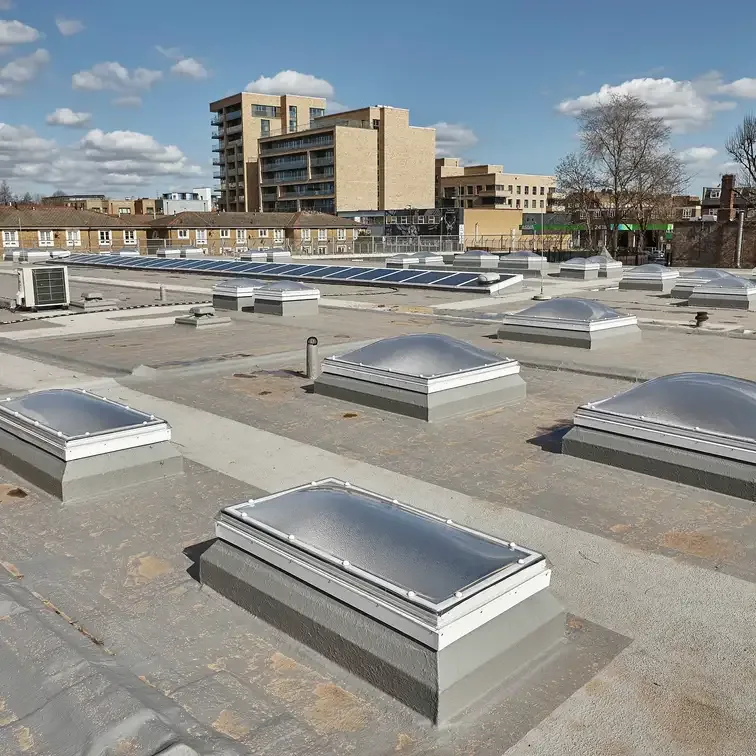
Occupied-Building Reroofing in Elk Grove, CA

Phase Elk Grove roof replacement over occupied buildings with room boundaries, access planning, concealed-condition decisions, and secure daily roof closure.

Commercial Roofing Services  /  Call 555-555-5555

Occupied-Building Reroofing at a Glance

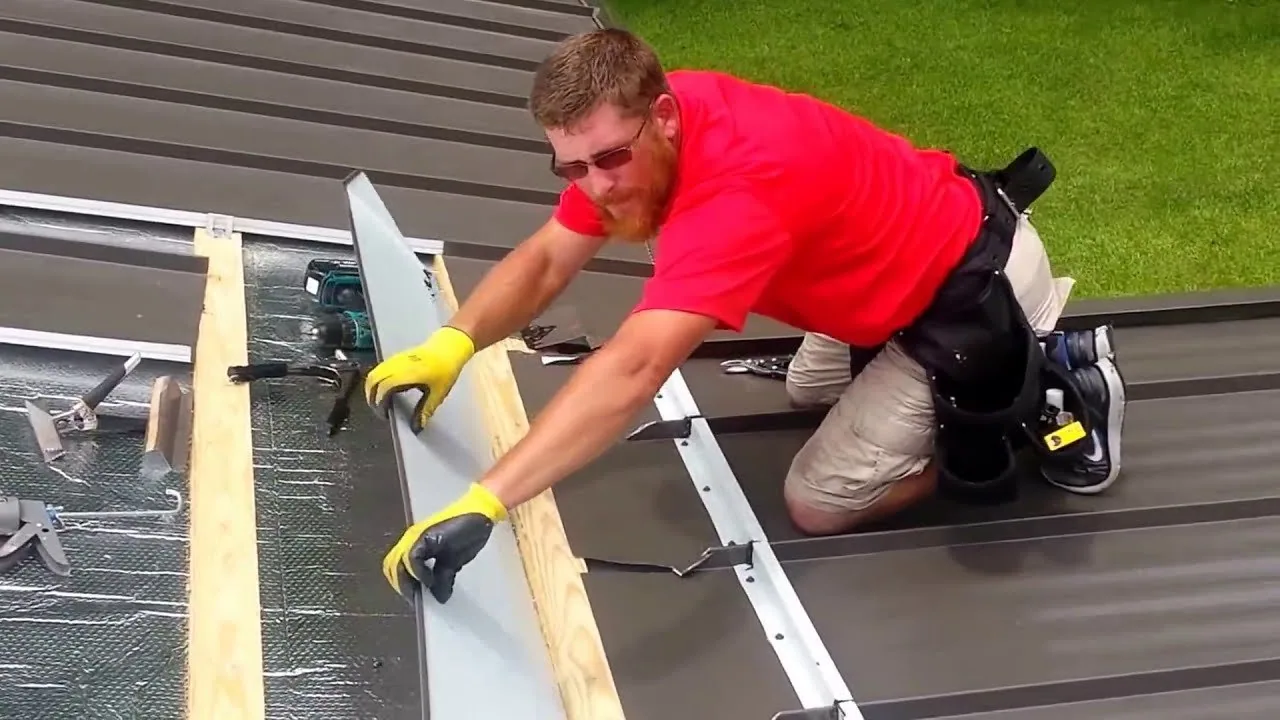
A removal phase that cannot be closed before the building resumes its next activity needs a different boundary, even if the roof area is ready for replacement. Commercial Roofing Elk Grove plans occupied-building reroofing in Elk Grove, CA, from the assembly condition and the operation below it. We identify the layers requiring removal, the rooms needing protection, and the available preparation and closing interval before selecting the daily work area. The sequence must fit the building.

Elk Grove includes commercial centers, hotels, business parks, and industrial employment areas with different restrictions on delivery, equipment, and interior access. The roof scope does not change simply because an owner wishes to stay open, but the work phase can be organized to preserve unaffected areas where safe separation is possible. We establish those areas with the operating contact, keeping necessary closures and assumptions visible before construction is authorized.

Review removal against the occupied-building schedule

Arrange a roof review with the building plan, room uses, current water reports, equipment changes, and access limits available. We will compare the required assembly work with practical construction phases.

Request a roof assessment or call 555-555-5555.

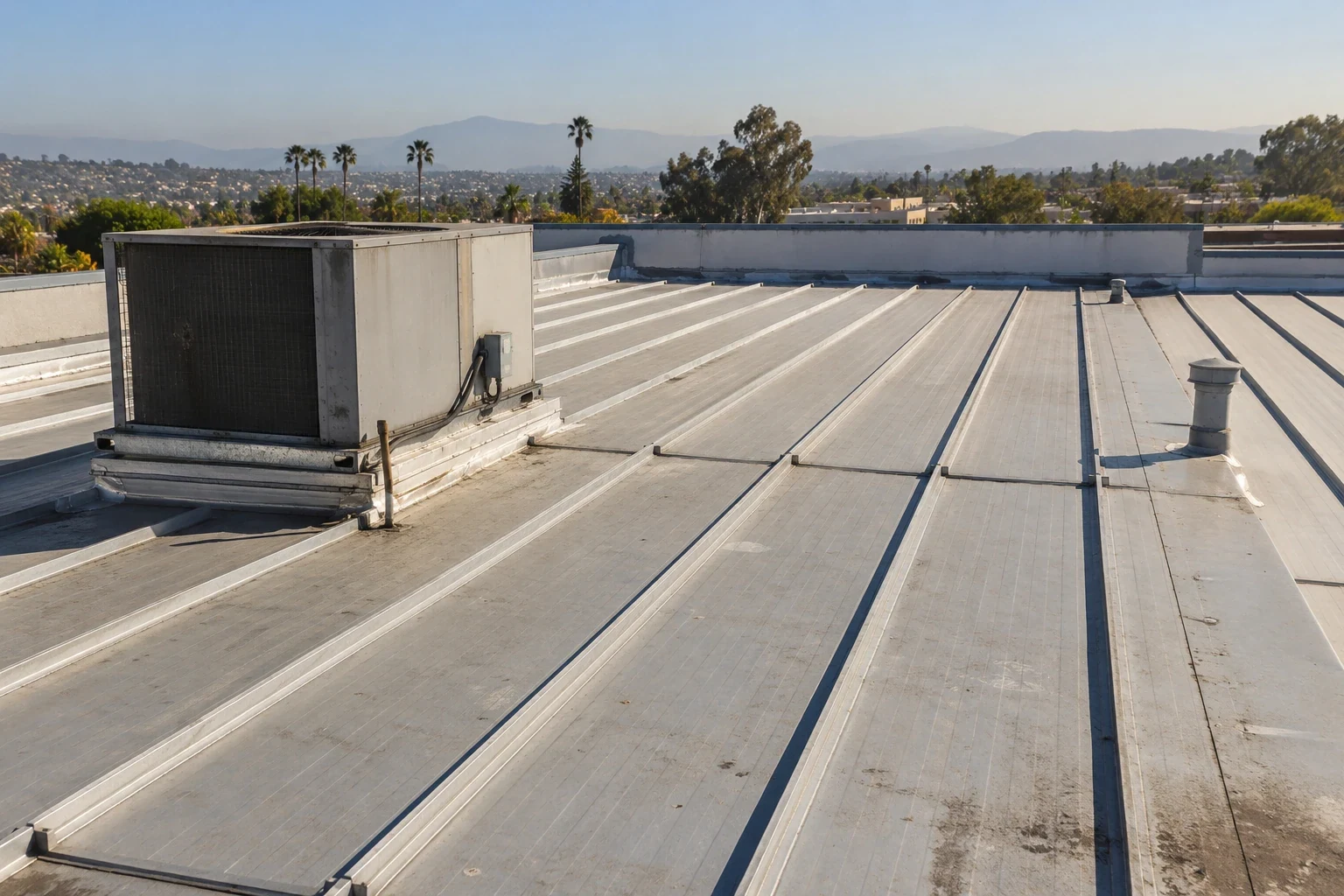
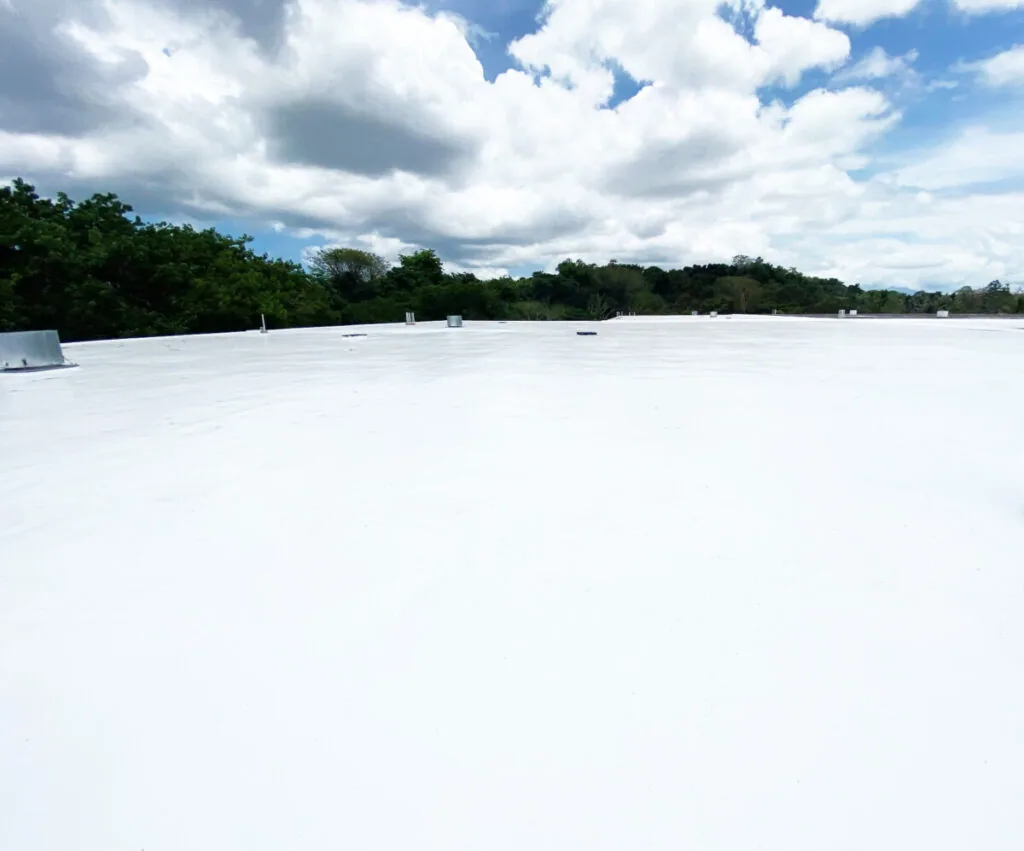
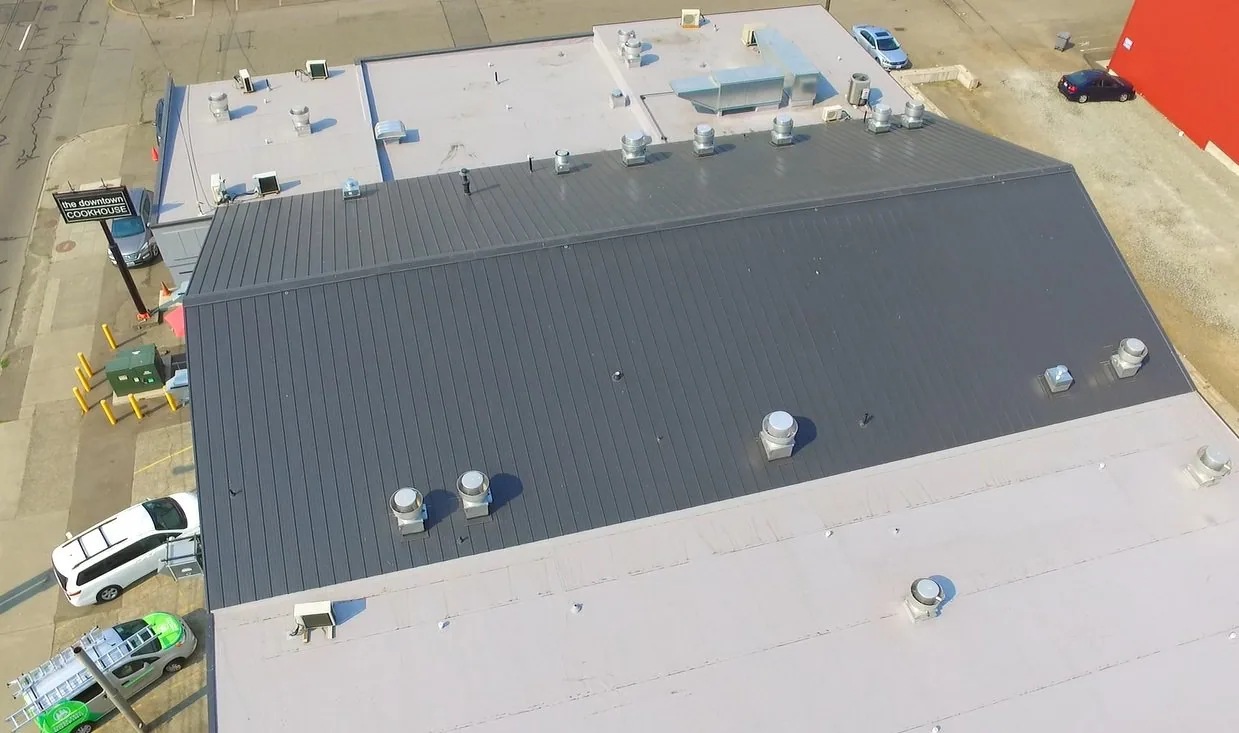
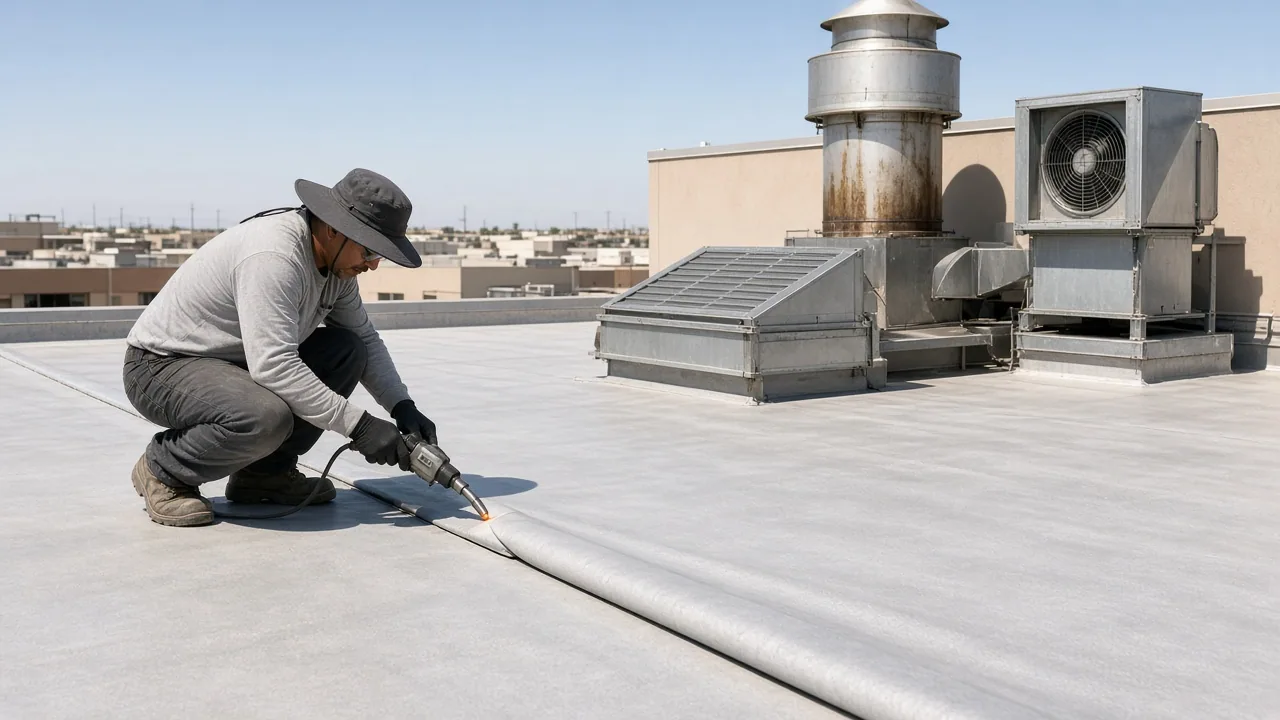
The right system depends on the roof deck, drainage, insulation, rooftop equipment and how the building is used. These are the systems we install, repair and maintain around Elk Grove.
Don't see your roof system? Ask us or call 555-555-5555.

The room beneath each roof section

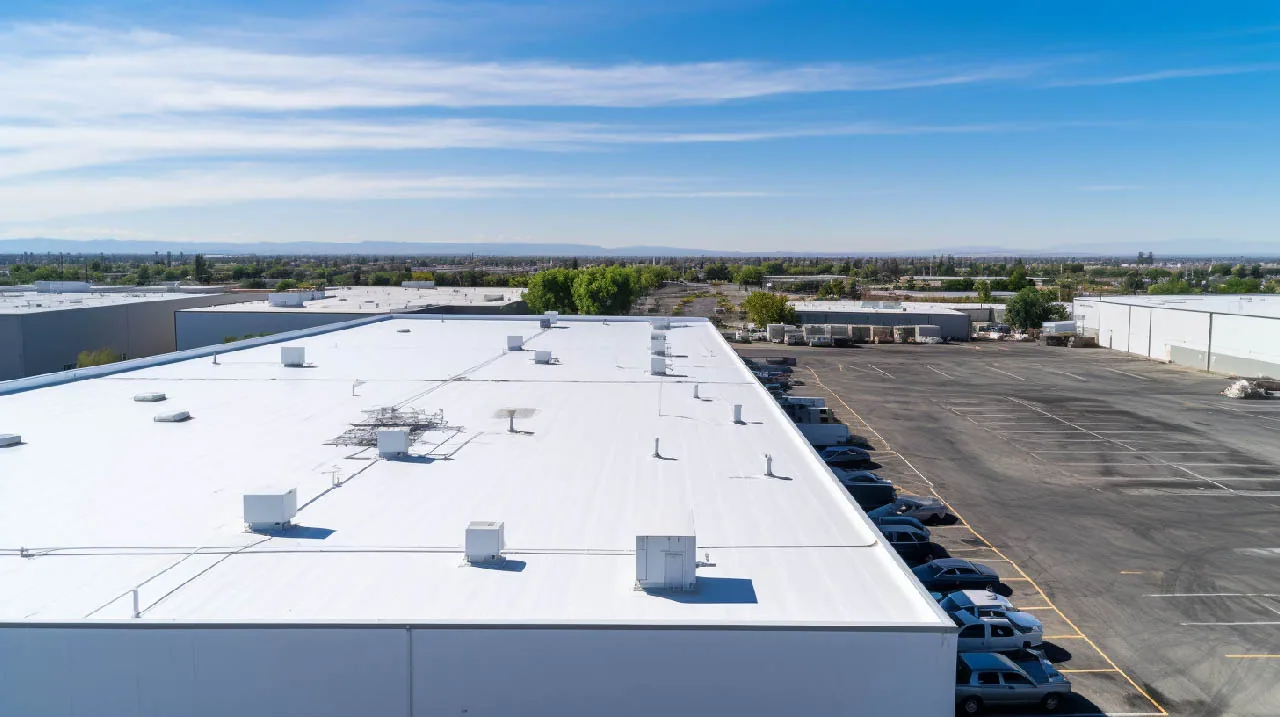
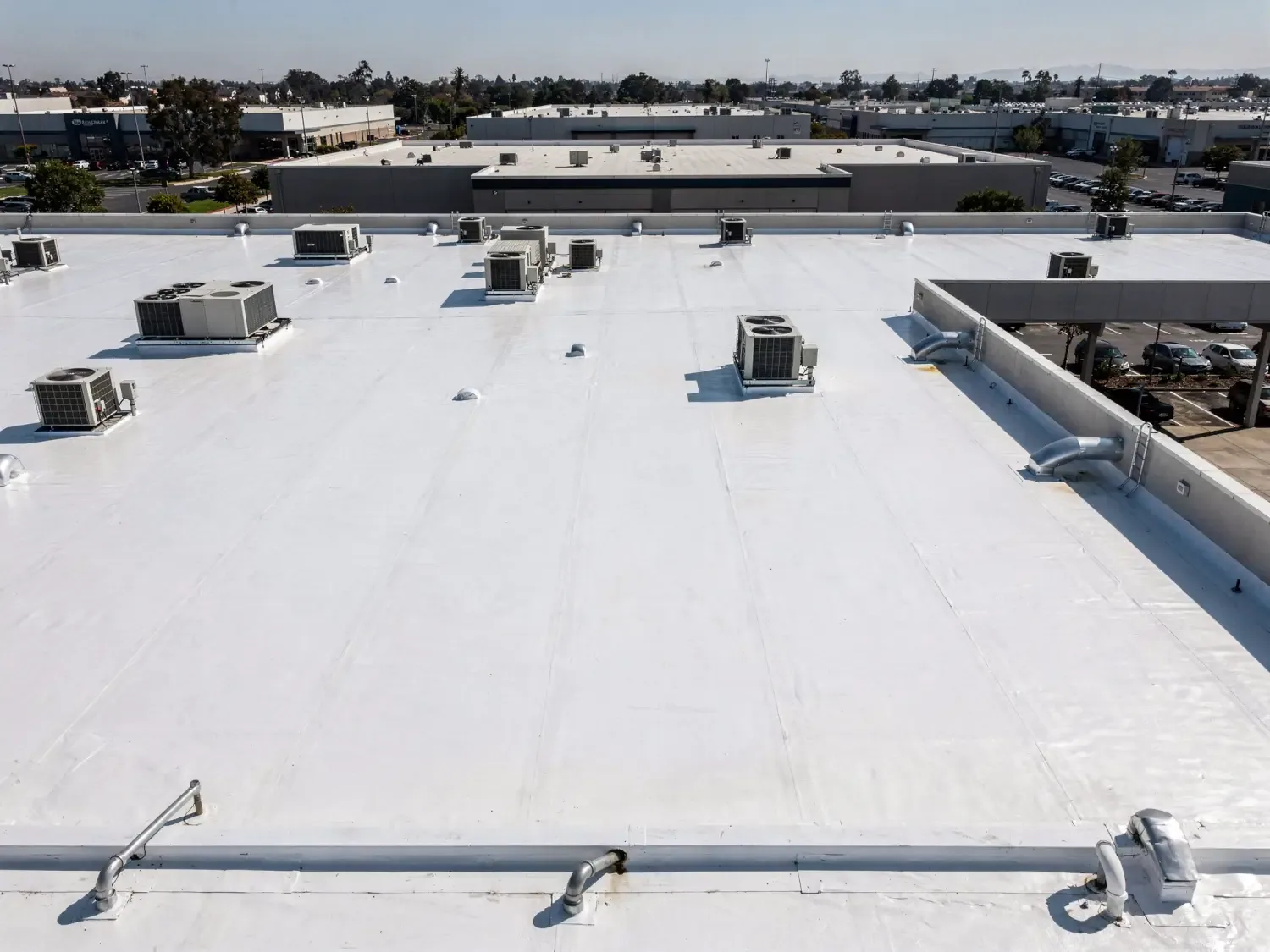
A roof diagram should connect removal zones with the actual rooms, entrances, workstations, stored goods, and mechanical functions beneath them. We compare that map with the operating schedule and identify areas that cannot remain exposed to overhead work. A vacant corner of the building may provide an easier starting phase, while sensitive equipment or a shared entrance can require another sequence. The opening is sized from those conditions and the crew's closure capacity.

Reroofing above occupied offices can require interior entry and restrictions different from roof removal over stored inventory. We confirm the specific protection with the manager rather than apply a single arrangement to all occupancies. A roof zone spanning different uses needs both considered before work. The agreed boundary also identifies which person can approve a short interruption or resolve a room-access conflict during the phase.

Protection changes as the roof phase moves, so the room boundary should be checked at each handoff rather than carried forward from the first day's arrangement. We identify equipment or stored material moved back into the next work area and coordinate clearance before removal reaches it. The operating plan remains current with the actual building use.
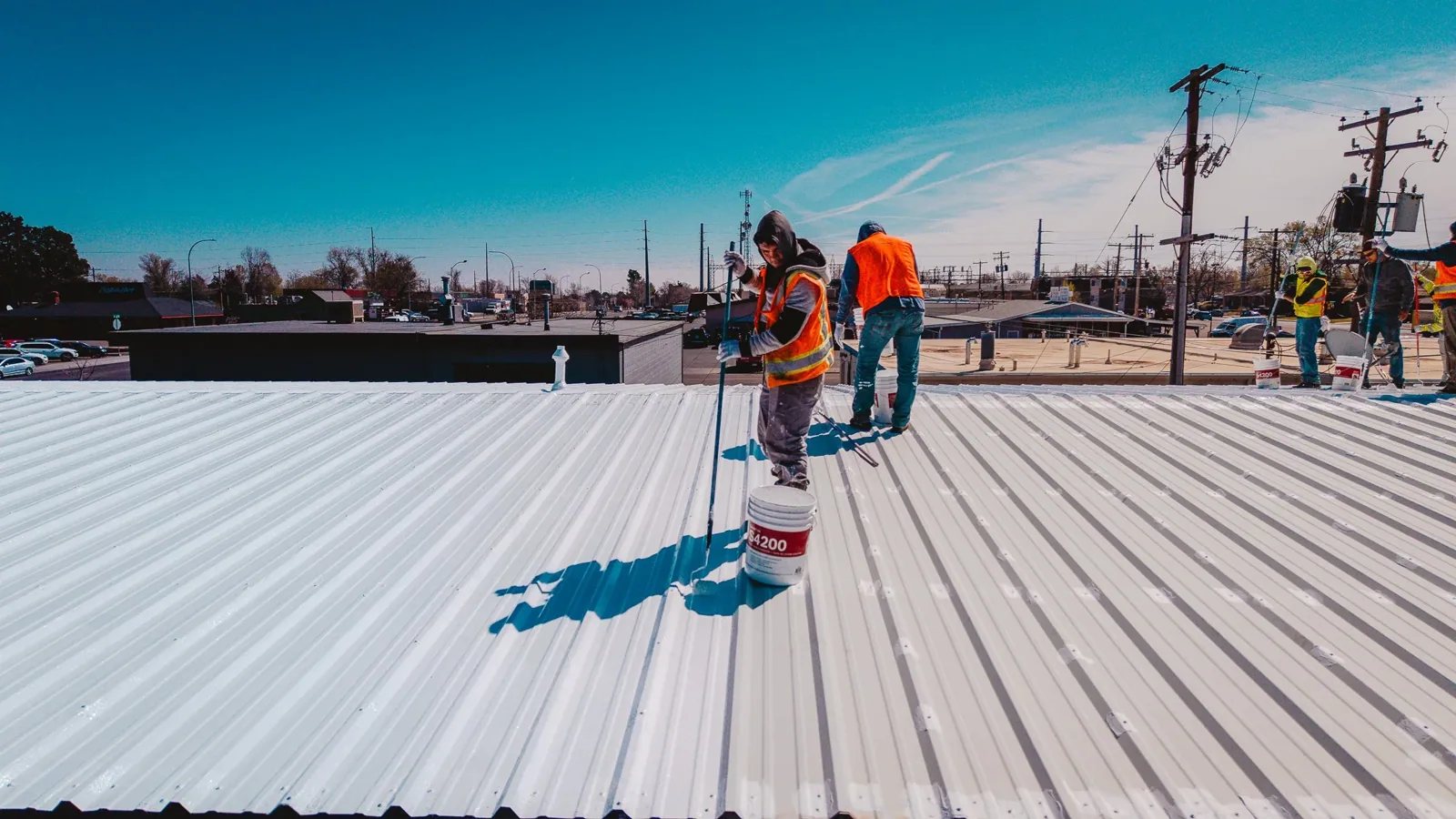
Occupied-Building Reroofing

Related Roofing Work

Other pages that cover parts of the same roof question.
Roof leaking now?

Call 555-555-5555 for emergency roof repair in Elk Grove and nearby communities.
Occupied-Building Reroofing

The layer condition driving construction

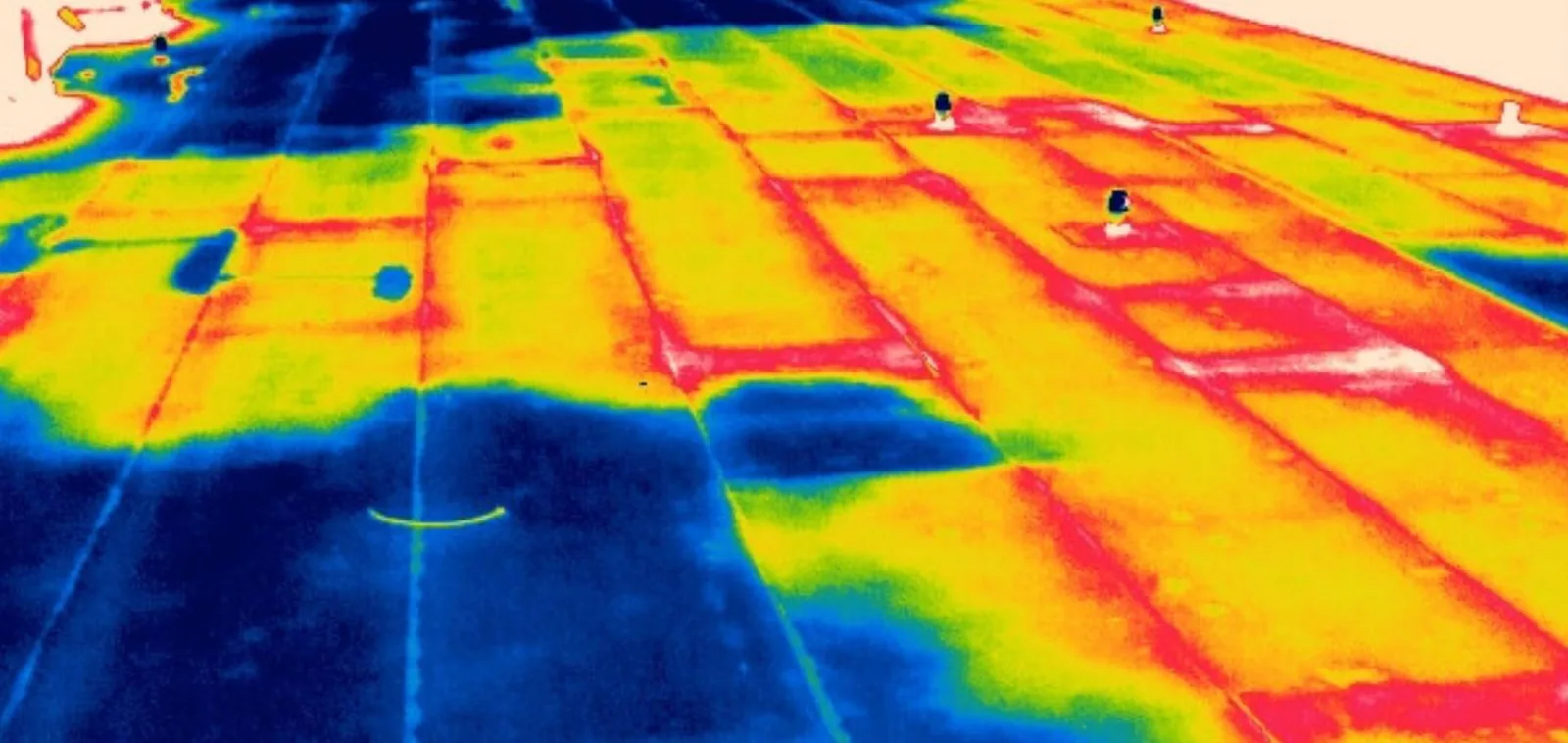
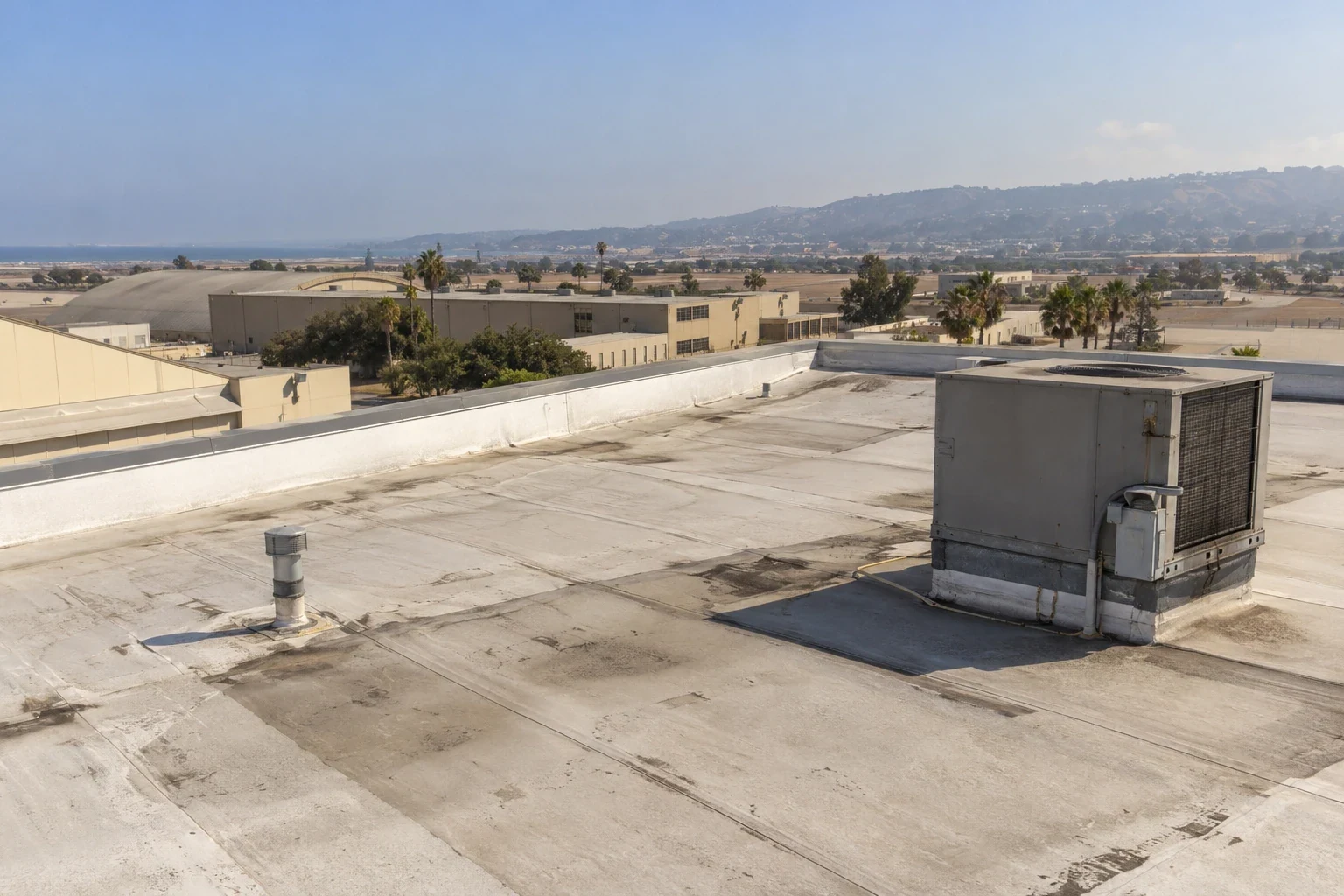
Moisture, deteriorated attachment, damaged deck, and repeated connected failures determine which layers come off. We examine accessible conditions and use authorized sampling where concealed findings would change removal. A roof that looks continuous from above can have additions, recover layers, or repairs with different thickness and supporting condition. Those changes are located before daily quantities and transitions are selected. The crew needs a usable connection at the edge of each temporary and permanent work area.

Moisture investigation before occupied removal can help establish the known boundary where the assembly and conditions support it, with indications confirmed as appropriate. Unresolved deck condition receives an agreed examination and decision process rather than an assumption of sound construction. The owner then knows which corrections are included, which require review during removal, and how an exposed section will be secured while an unexpected finding is addressed.

Occupied-Building Reroofing

Material movement outside working entrances

A lift or debris collection area needs an inspected ground approach and a route that avoids uncontrolled movement through occupied space. We identify emergency access, tenant entrances, delivery lanes, overhead clearance, and material staging before scheduling removal. A protected route may allow unrelated operations to continue; where separation cannot be achieved, the affected task needs a restricted interval or another arrangement approved by the property. The handling plan is part of the roof scope.

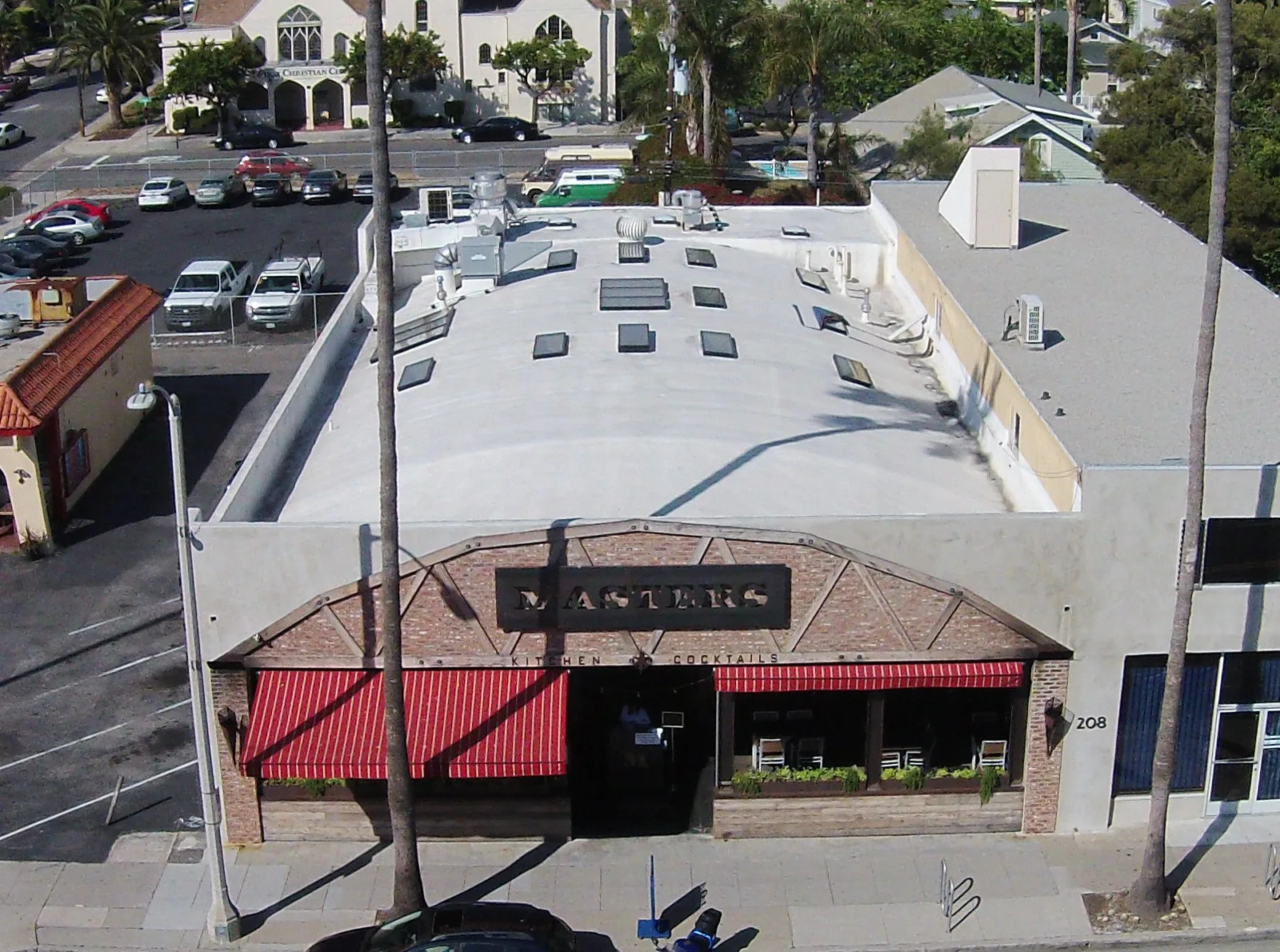
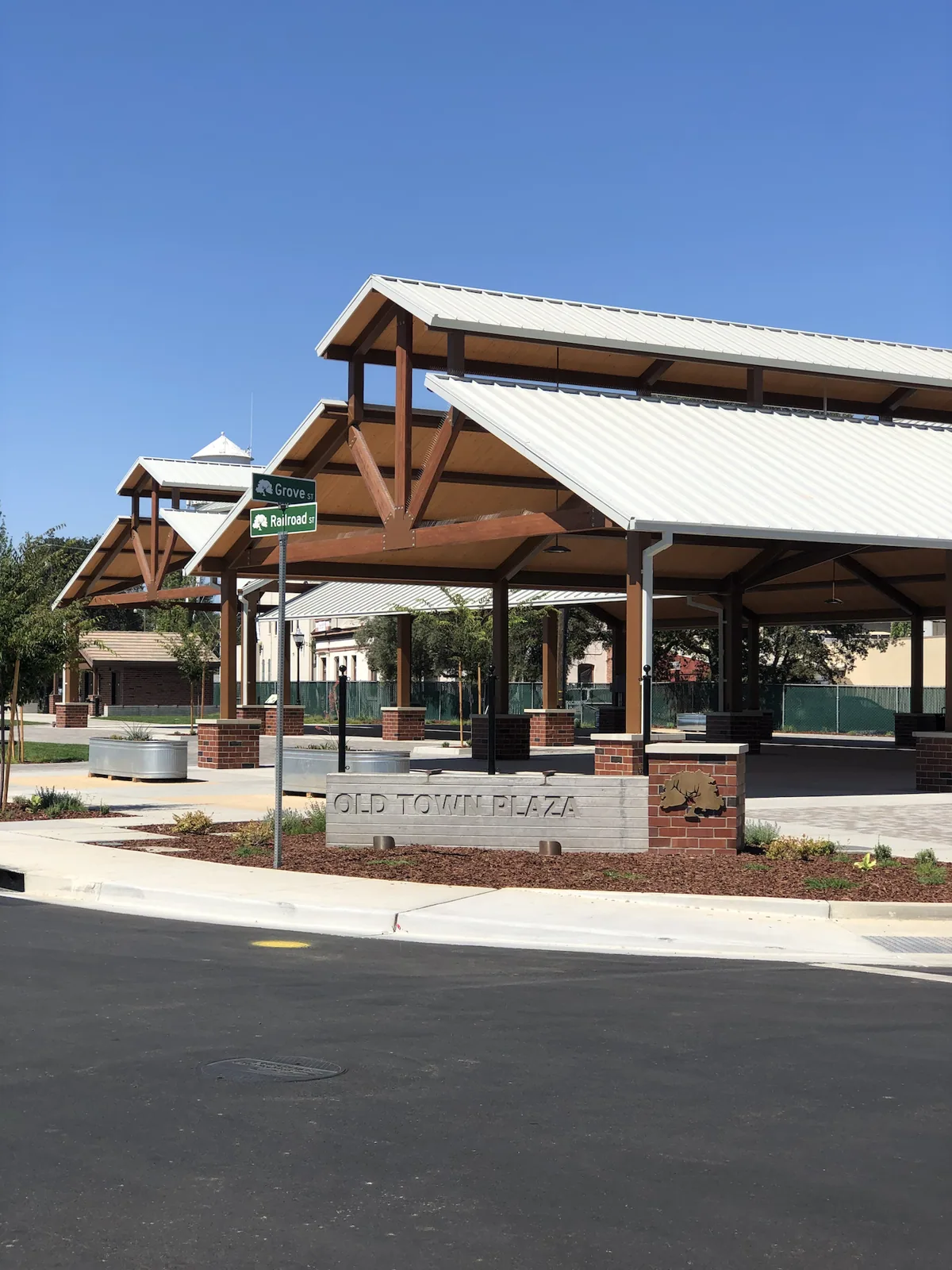
Old Town Elk Grove contains shops, services, and restaurants along its business district. At an occupied Old Town commercial building, pedestrian and entrance use need confirmation at the property. Laguna West Business Park provides another named business setting, but its designation does not establish a particular yard or roof access layout. We examine the actual route in either setting, so a delivery assumption is not carried into construction from an unrelated building.

Occupied-Building Reroofing

Intakes and equipment joined to the phase

Dust, odors, noise, and equipment interruption can affect rooms outside the immediate removal zone. We review the planned methods with the building team and identify air intakes or units serving sensitive areas. Any operating change is coordinated with the responsible mechanical contact before the work reaches that position. Material selection and ventilation arrangements need to account for the actual application, not a general promise that every roofing process allows normal indoor operation.

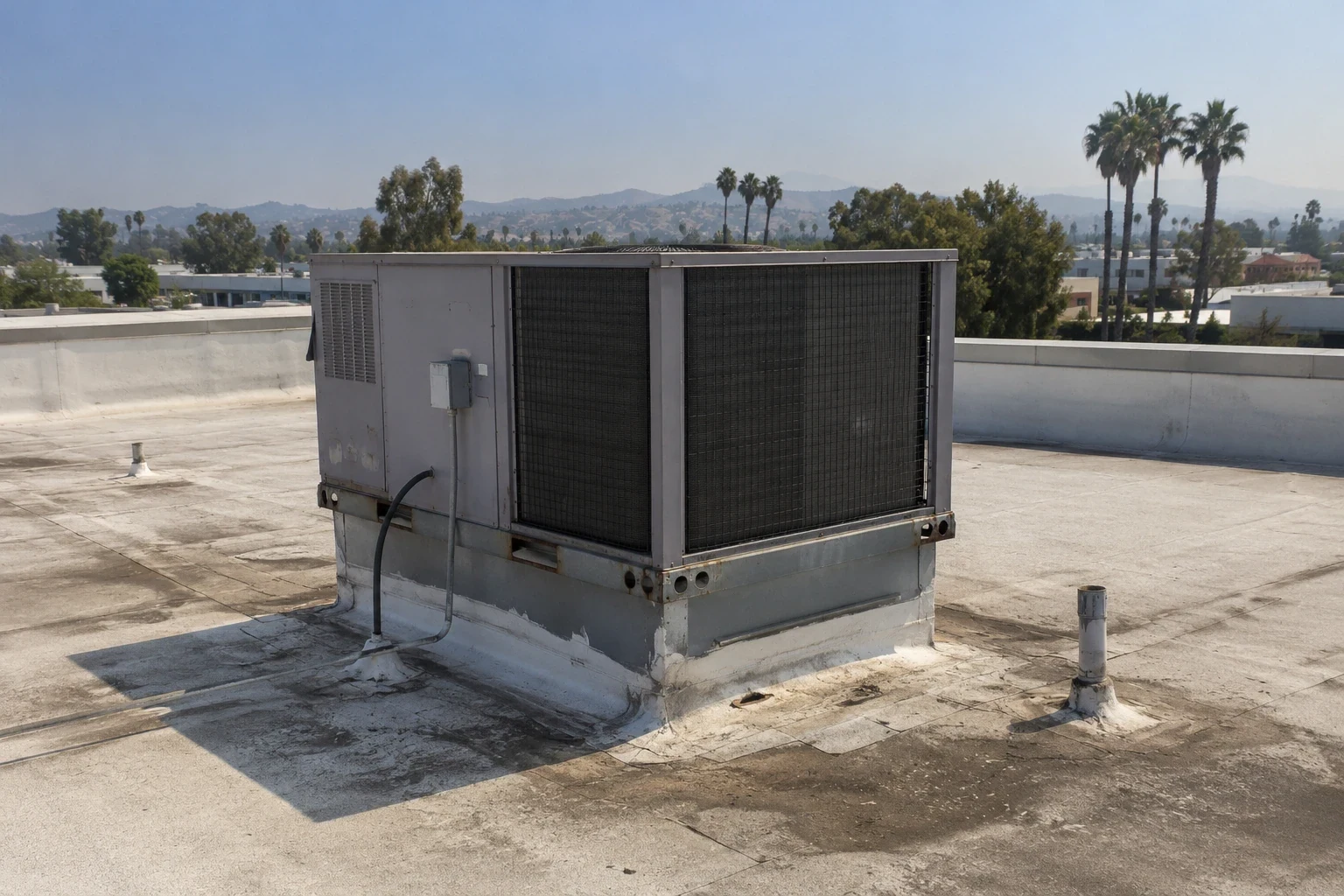
Curb and equipment support work may require lifting or shutdown that changes the available phase. The sequence places roofing protection and permanent material at the opening when the equipment trade is ready to proceed. Abandoned penetrations and changed footprints receive complete closure rather than being hidden beneath a replacement unit. A phased project should avoid reopening finished roofing for an equipment alteration already known during planning.

Occupied-Building Reroofing

Exposure limited by the available closing interval

Each removal area needs enough time for substrate correction, insulation, membrane, connection checks, and a suitable temporary stopping detail where applicable. We establish the point at which additional tear-off stops if weather, material delivery, or concealed work reduces that interval. The roof should not remain open merely because a target area was assigned to the shift. A clear dry-in boundary protects the completed and occupied spaces while the next phase is prepared.

The Sacramento Valley transitions from hot, dry summer conditions to rainfall in the cooler season. Regional heat readiness and wildfire-smoke guidance can also affect outdoor exposure and HVAC operation, so the actual day's conditions receive review before removal proceeds. Replacing the defined roof assembly still requires appropriate permit and design decisions for the alteration. Elk Grove's adopted California building and energy provisions inform that review according to the project basis, with material requirements settled before procurement.

Occupied-Building Reroofing

A scope and record for every handoff

Repeated setup, restricted working hours, smaller opening areas, interior protection, and equipment coordination can increase labor and duration compared with unrestricted construction. We identify those drivers with the roof condition and removal quantities so the owner can compare complete proposals. A shorter disruption period in one room can involve more phases across the roof; the useful comparison explains that tradeoff rather than omitting the protection or closing work from the budget.

The phase handoff identifies the area opened, the assembly installed, completed connection checks, and any remaining restriction beneath it. Photographs locate concealed corrections and final details for later maintenance. A phase-by-phase roof condition record keeps that history usable when another manager or trade returns. A return examination can compare the original water report with the repaired position after suitable rainfall or testing. Active entry before scheduled work can receive attention through overnight periods, holidays, and weekends when access permits safe protection.

Review removal against the occupied-building schedule

Arrange a roof review with the building plan, room uses, current water reports, equipment changes, and access limits available. We will compare the required assembly work with practical construction phases.

Call 555-555-5555 or email [email protected].

Questions About Occupied-Building Reroofing

Can separate roof phases keep every room open continuously?

Some rooms may need temporary restriction for overhead removal, equipment, or shared access. We identify those limits before construction and preserve unaffected areas only where safe separation supports it.

What stops a phase from expanding after wet material is found?

The closure capacity and approved correction determine the next boundary. We record the concealed finding, coordinate the necessary work, and secure the opened section before additional removal advances.

Why include repeated setup in an occupied-roof proposal?

Smaller phases and restricted windows can require repeated protection, handling, and closure tasks. Those costs belong in the comparison so proposals describe the same working conditions.

How should a new tenant event affect the roofing schedule?

The work window and protected areas need review before the affected roof opens. We compare the change with removal and equipment tasks, then agree on the revised phase or restriction.

ServicesRoof SystemsIndustriesProperty TypesService AreasDamage RepairCapabilitiesManufacturersContactAboutRequest a Roof Assessment555-555-5555
Call555-555-5555