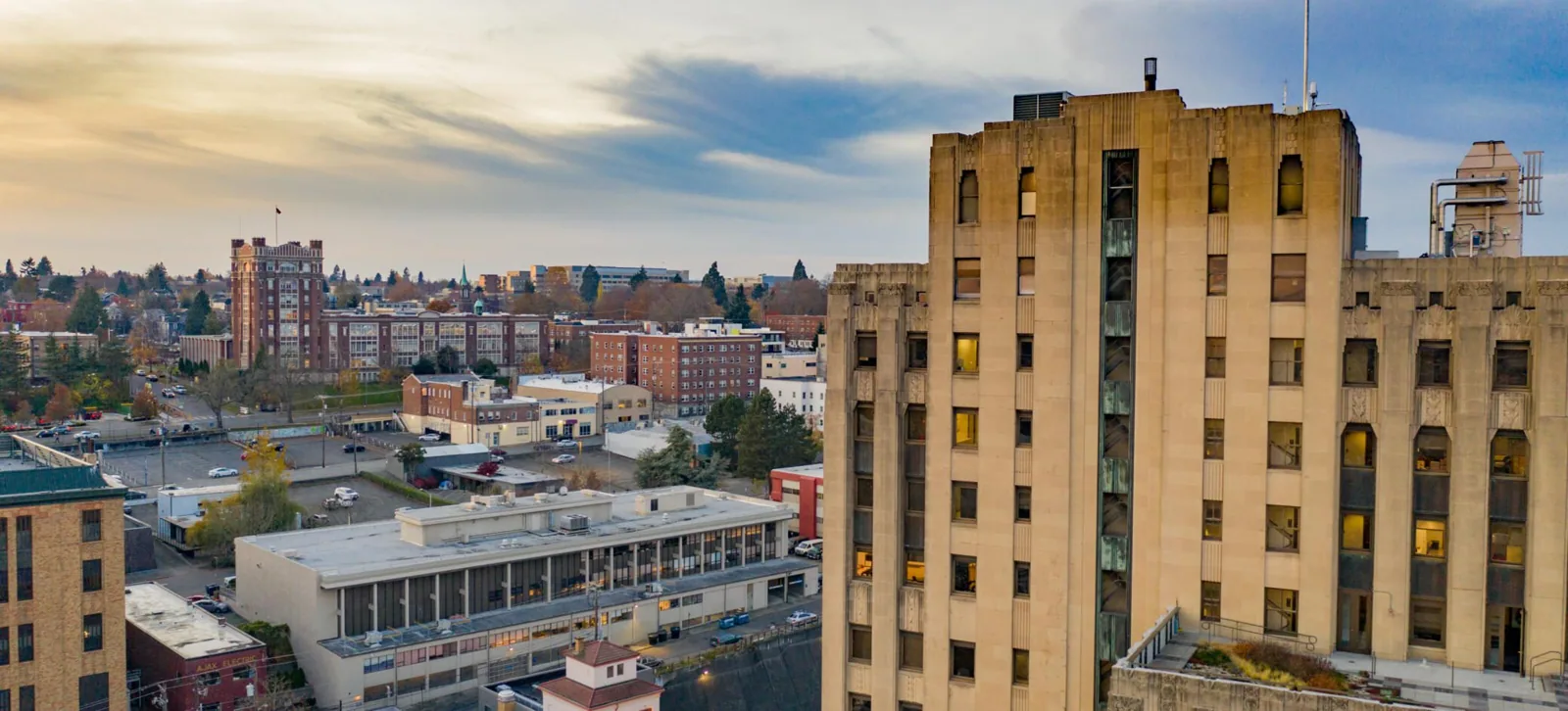
Roofing for Manufacturing Companies in Elk Grove, CA

Coordinate Elk Grove manufacturing roof repairs with production protection, process-equipment interfaces, moisture checks, and defined renewal phases.

Industries We Serve  /  Call 555-555-5555

Manufacturing Companies at a Glance

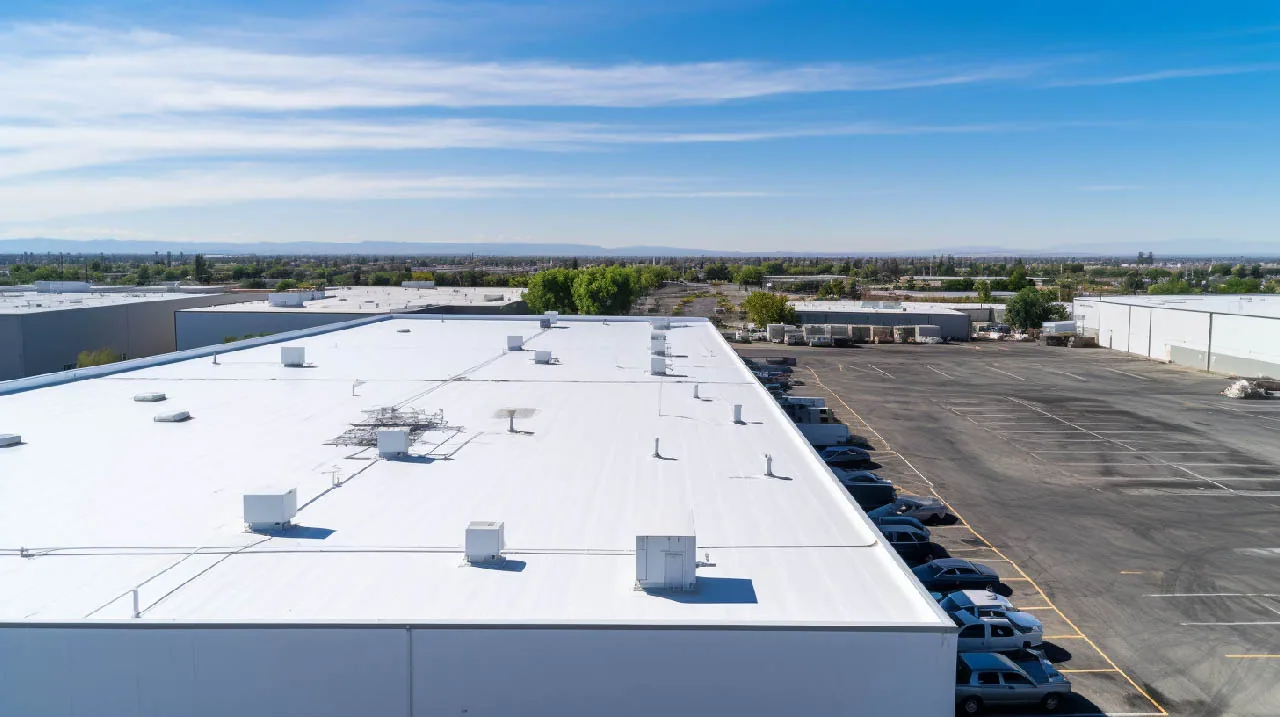
Water beside a production line can turn a contained roof defect into a scheduling constraint for an entire work area. Commercial Roofing Elk Grove provides roofing for manufacturing companies in Elk Grove, CA, examining the failed connection and the assembly around it while the plant contact identifies equipment, material and circulation that need protection. We define the immediate correction and the conditions that would expand it. The roofing scope follows the production boundary.

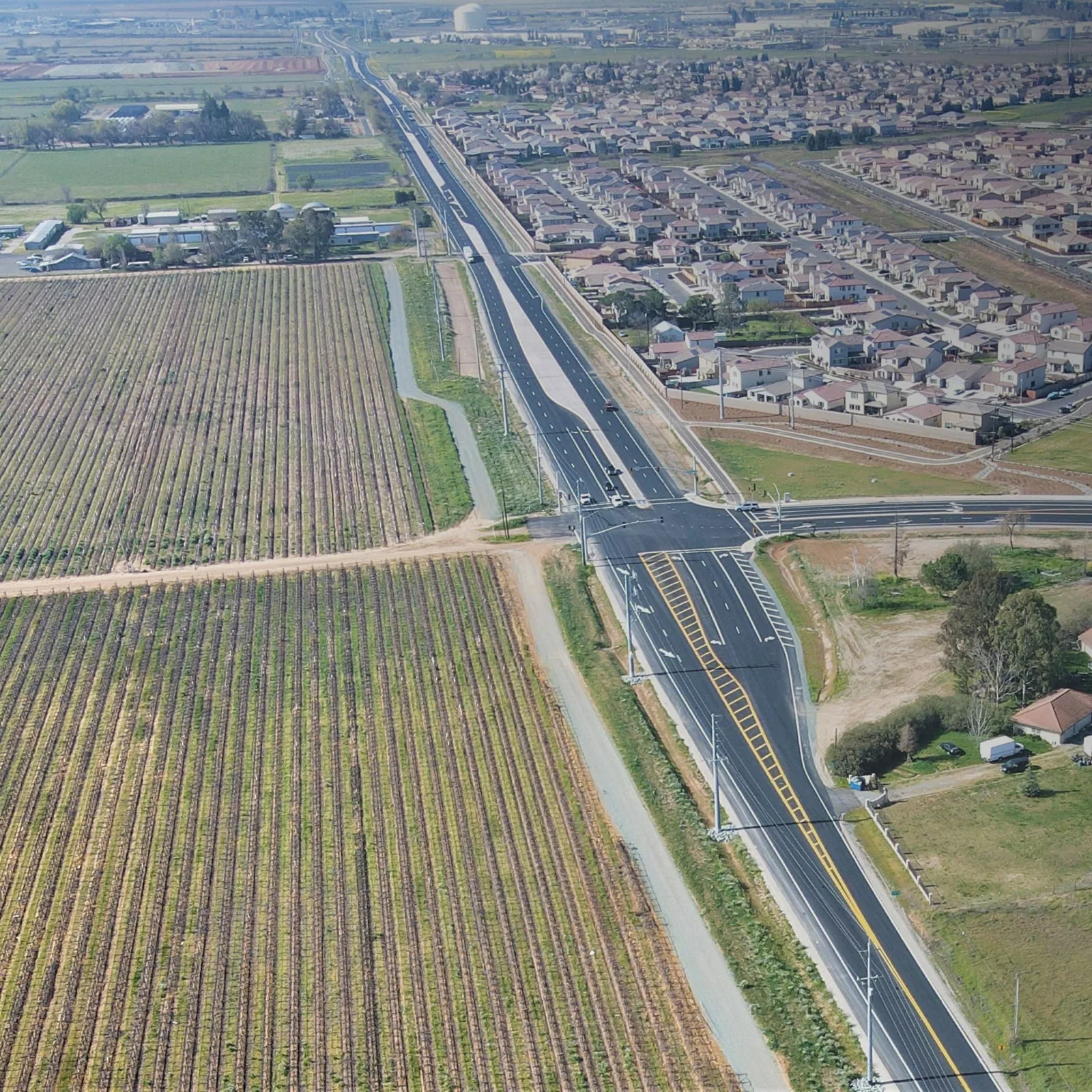
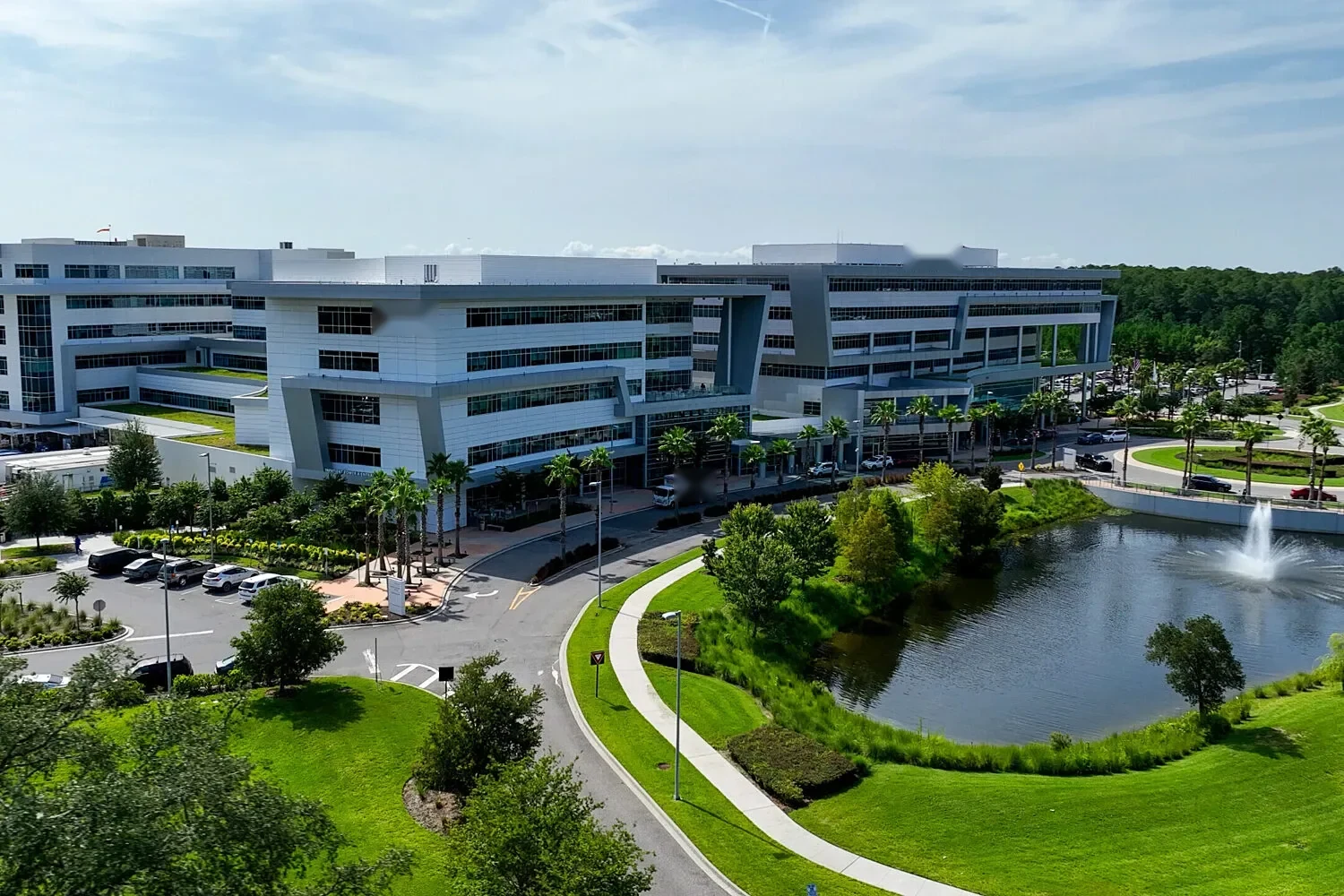
Grant Line Road Business Park is an employment and industrial growth area in southeast Elk Grove, within the city's Southeast Industrial Area priority project. Manufacturing roof work in that setting needs the actual process layout, roof equipment and access reviewed before a phase is chosen. We examine the presented building and connect those findings to its operating window.

Compare the manufacturing roof scope with the production window

Arrange a review with leak positions, process restrictions and planned equipment work. We will identify the repair boundary and a workable construction phase.

Request a roof assessment or call 555-555-5555.

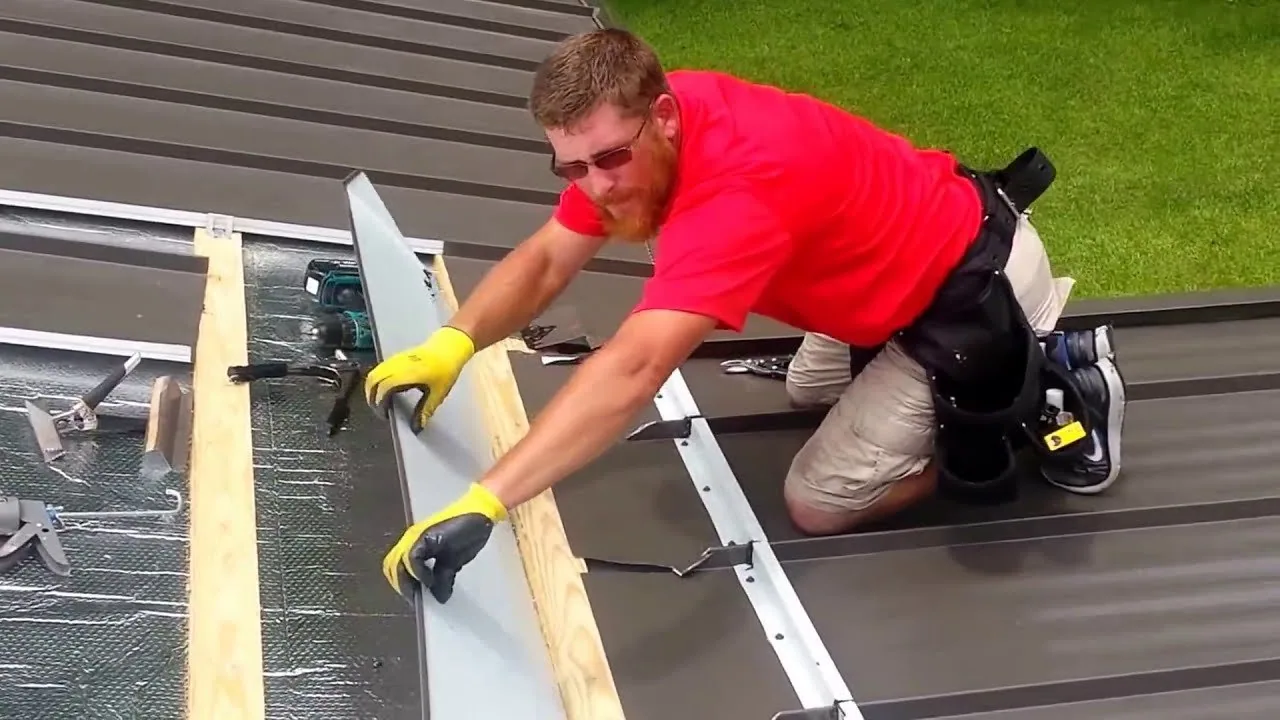
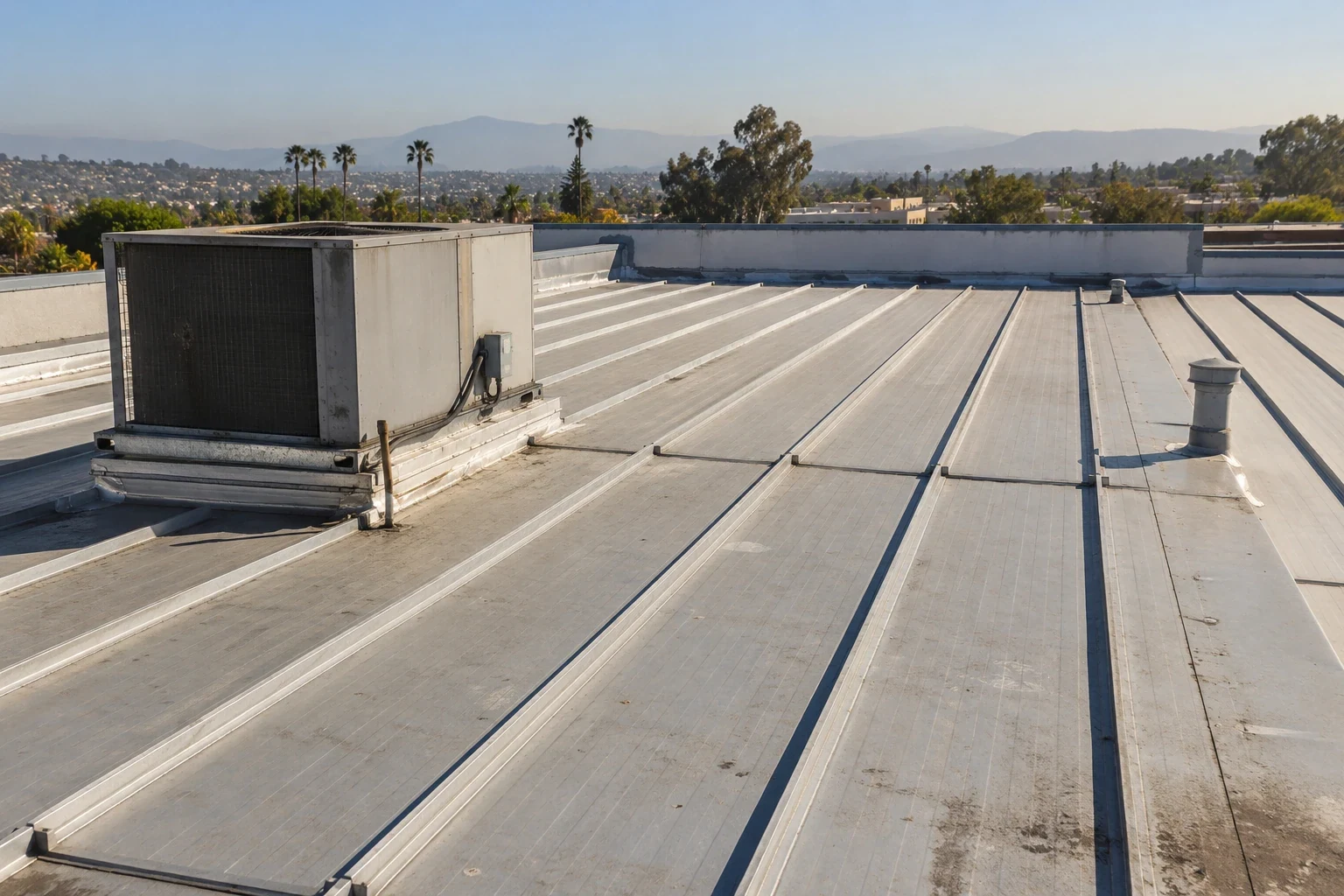
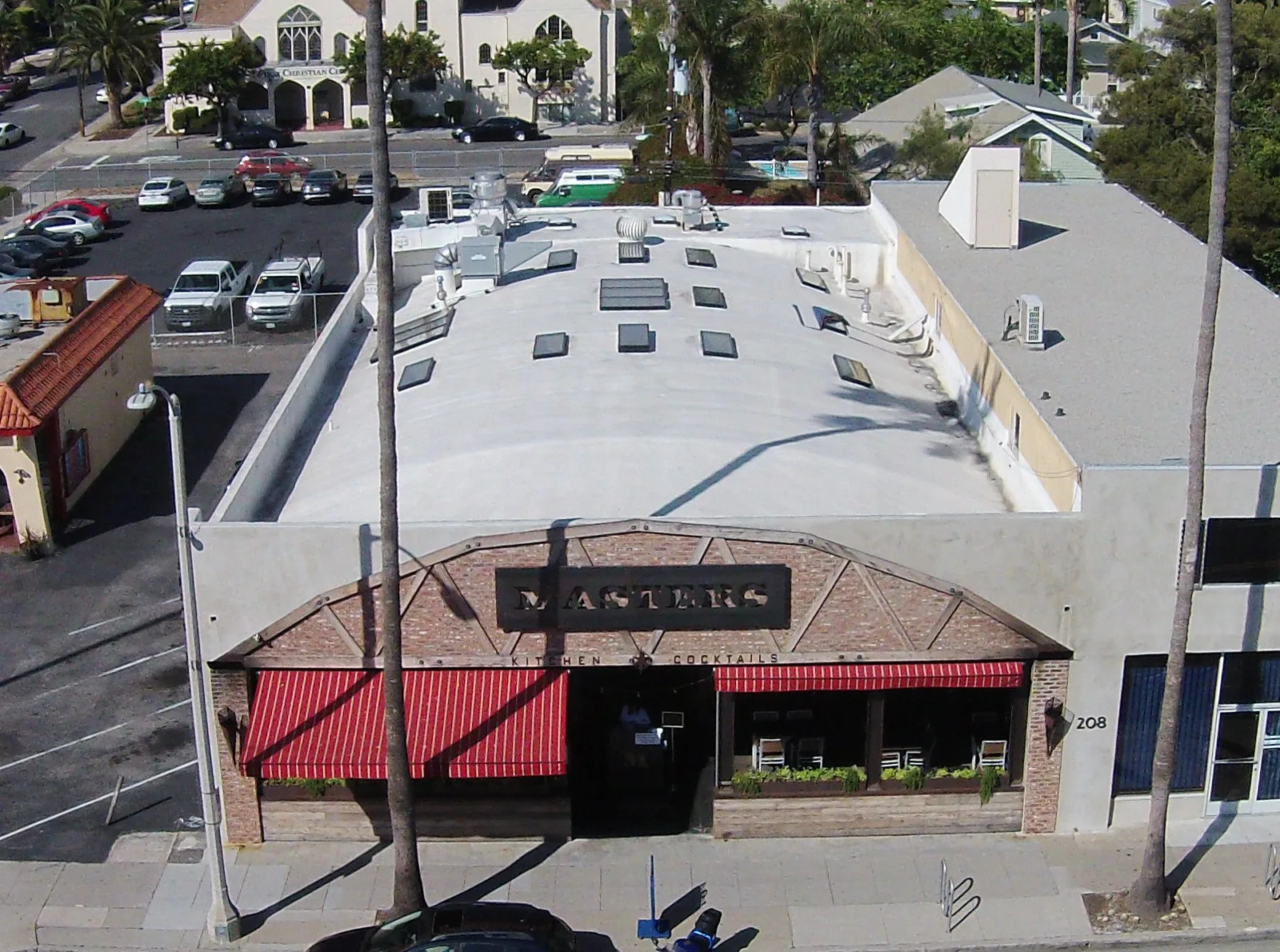
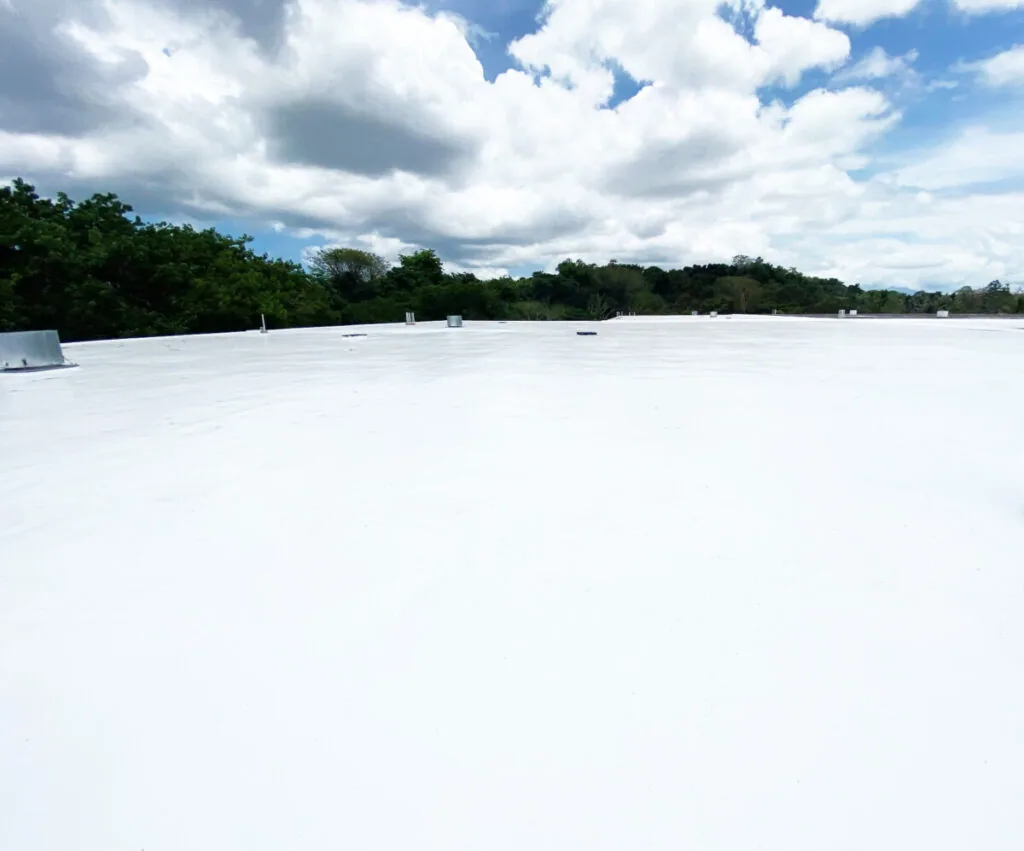
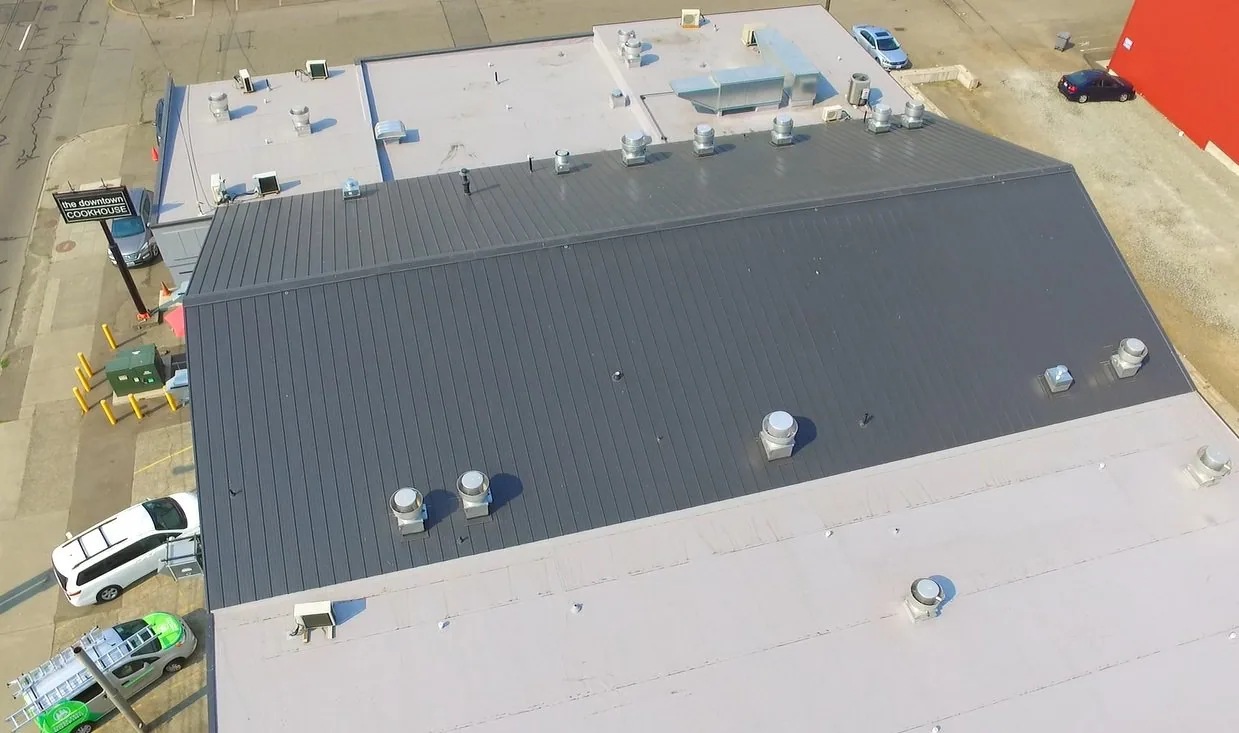
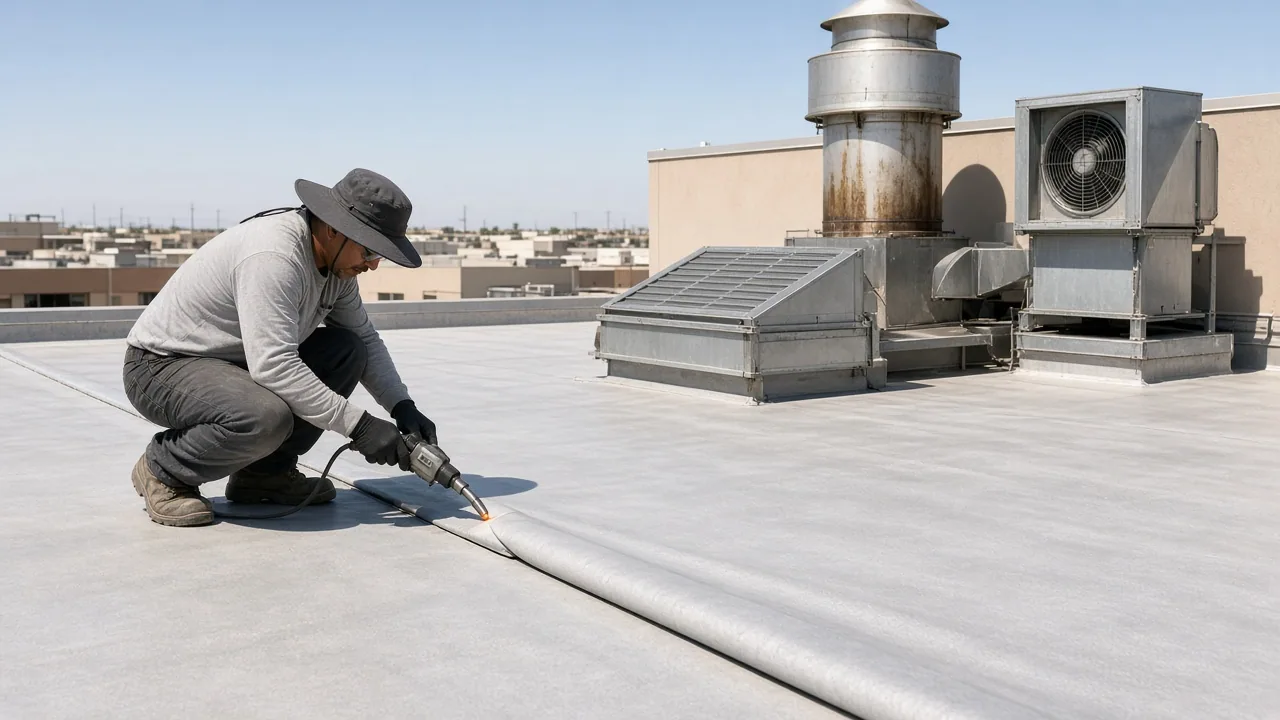
The right system depends on the roof deck, drainage, insulation, rooftop equipment and how the building is used. These are the systems we install, repair and maintain around Elk Grove.
Don't see your roof system? Ask us or call 555-555-5555.

Production clearance beneath the opening

An overhead repair can affect machinery even when water has reached only a nearby aisle. We map the reported position against the roof and determine the area needed beneath inspection, removal and material handling. The plant's responsible team establishes equipment isolation, process protection and any product-handling requirements. We join the roof task to that arrangement before exposed construction advances above it.

Dry roof work can still create debris, vibration or application exposure. A lift position may also compete with an active receiving door or vehicle route. We inspect the ground approach and roof access with the plant contact, then define separation and the available work period. A phase is practical when the complete construction task fits within those operating limits.

Roof construction over manufacturing space considers the occupied area beneath the assembly alongside the failed detail. A machine's critical role can change protection and timing without changing the compatible membrane repair itself. We keep that distinction visible in the scope and identify the next coordination needed.
Manufacturing Companies

Process equipment at the weather connection

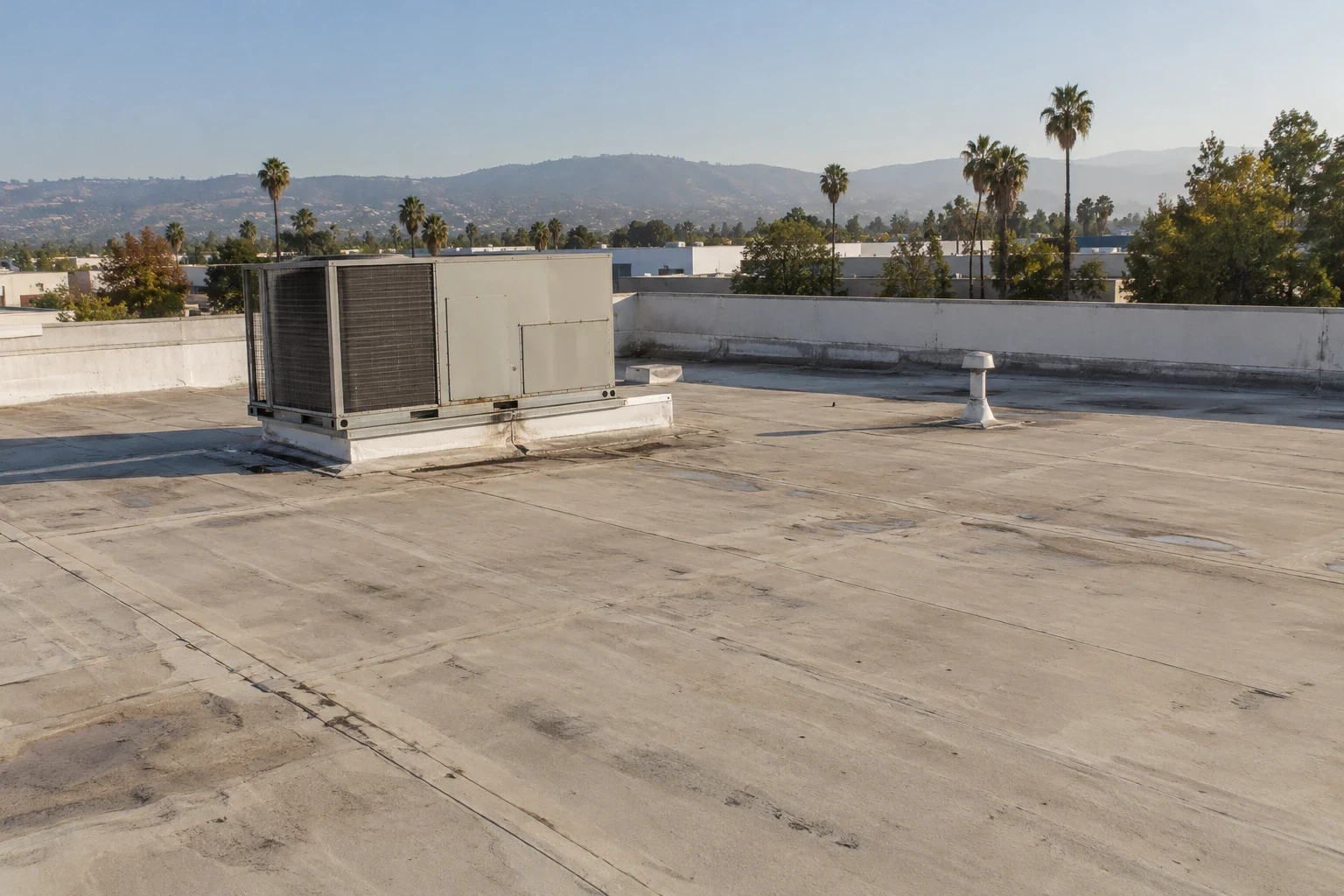
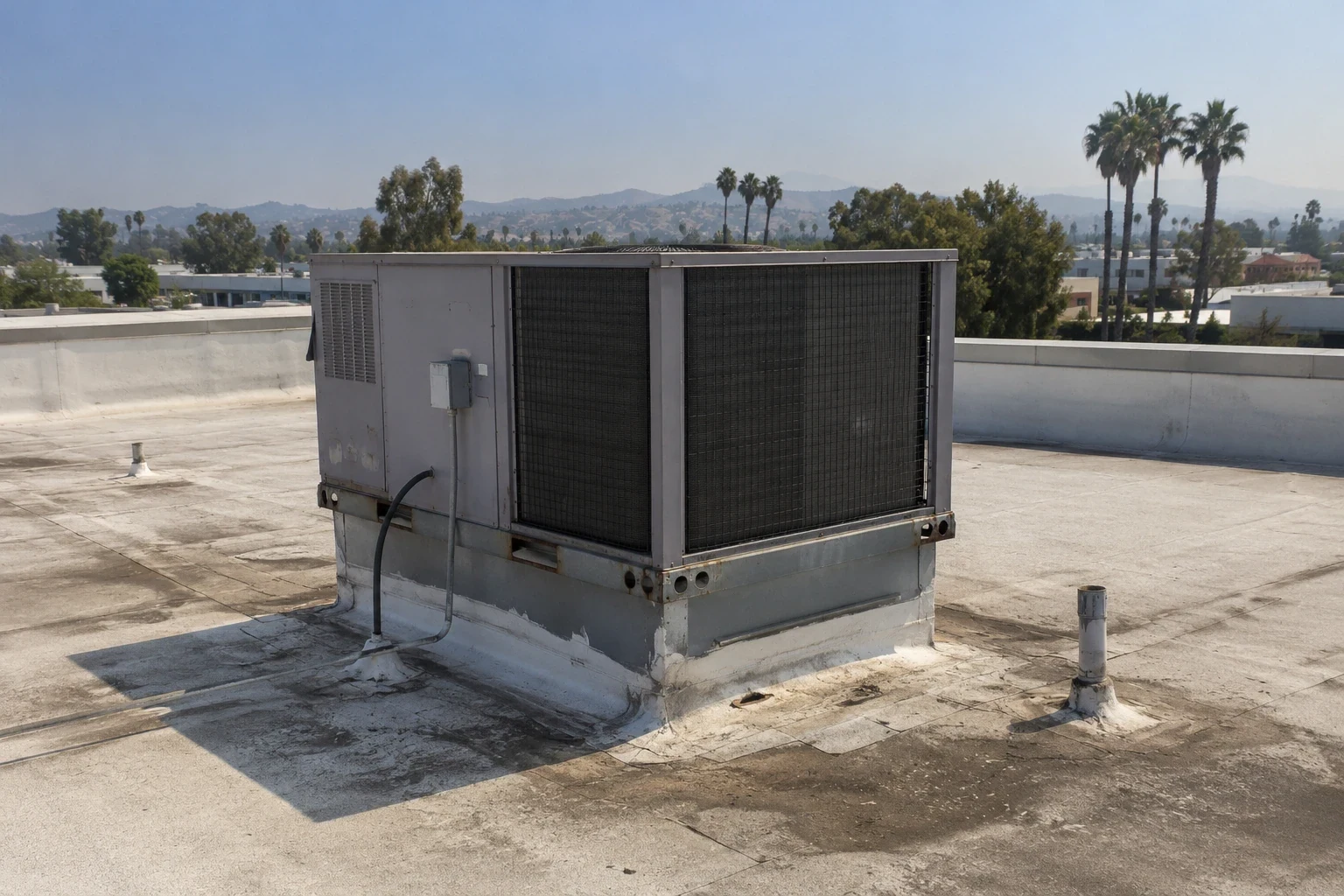
A pipe support, exhaust curb or service penetration can transmit movement to adjoining roofing. We inspect its attachment, flashing termination and receiver, checking how the equipment operates and where separate trade work is required. A patch against an unstable connection can leave the same movement in place. The permanent correction needs its supported perimeter and equipment interface established together.

Exhaust residue or other process exposure also matters when selecting repair material. We identify the actual substances and conditions with the plant contact and review compatibility for the proposed construction. Surface preparation follows the receiver requirement; contaminated or deteriorated material is addressed before a new connection is installed. A coating is not a substitute for correcting that detail.

When process equipment is changed, roofing interfaces at industrial supports and curbs need finished heights and drainage reviewed. The equipment installation and membrane closure receive a coordinated sequence. We record the changed position so later maintenance does not treat it as an unchanged part of the original assembly.

Manufacturing Companies

The route between the defect and the process

A leak report beside machinery can involve a roof opening, equipment discharge or another building component. We compare its timing with rain and operation, then examine seams, curbs, wall connections and outlets relevant to the position. Moisture moving within insulation can place the interior symptom away from the exterior entry. Appropriate testing settles the correction boundary when accessible examination leaves that relationship uncertain.

We identify wet-layer confirmation where it controls removal and plan the test with protection beneath the location. The examined construction is restored securely after the finding is recorded. Saturated insulation or deck deterioration can expand the work beyond a surface patch, while suitable surrounding material can support a contained correction. The proposal explains what was observed and what additional quantity depends on concealed examination.

Photographs distinguish the immediate opening from adjoining conditions requiring maintenance or a later project. An urgent repair remains connected to the production position affected, including the operating restrictions that shaped its access. This gives the plant a useful comparison if a symptom returns or equipment changes near the completed connection.

Manufacturing Companies

Retained roofing and the next assembly

Widespread seam distress, repeated incompatible patches or uncertain attachment can shift the decision from a local repair toward assembly renewal. We examine layer construction, moisture, deck condition and perimeter connections before describing a recover or replacement. A new membrane over unsuitable retained material leaves the relevant failure mechanism unresolved. The retention basis needs examination.

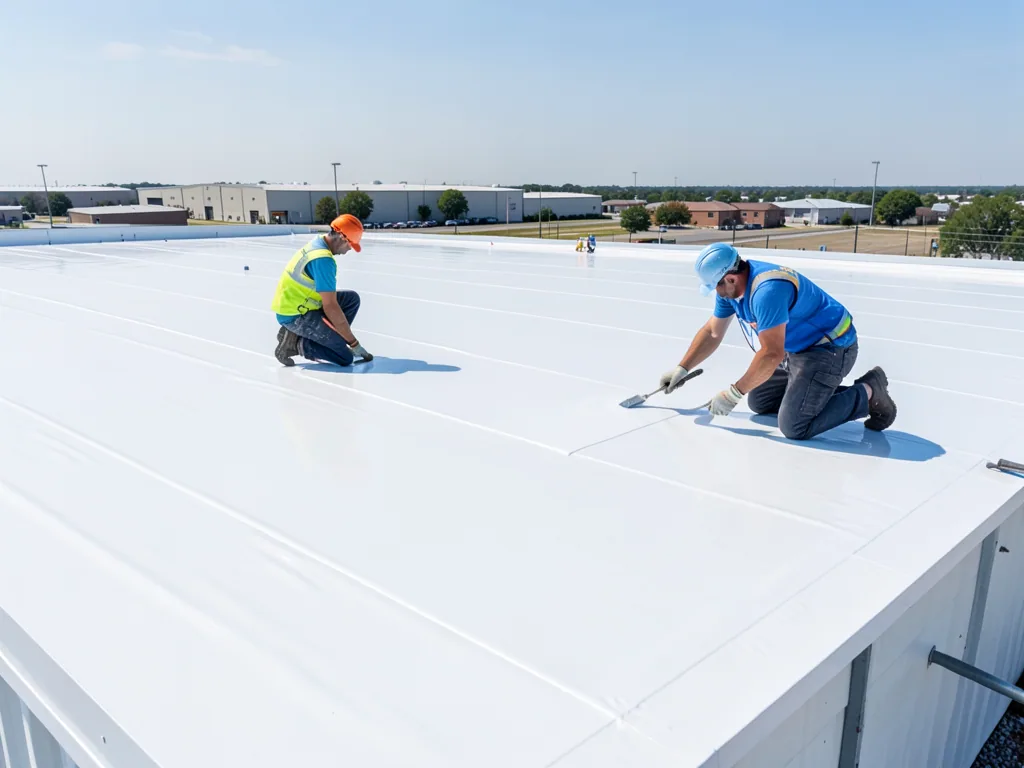
Recover construction above a suitable retained assembly requires load, attachment, compatibility and completed detail heights assessed together. Replacement describes the removed layers and their new connections to walls, equipment and drainage. A restoration proposal identifies receiver preparation and corrected defects. We explain the construction drivers for each viable choice rather than group unlike work under one surface description.

A contractor coordinating a plant expansion or renovation may need the roof phase aligned with supports, equipment removal or structural work. The roofing boundary is set with those interfaces resolved before material delivery. Concealed findings follow the agreed authorization route so urgent closure and permanent scope remain distinguishable.

Manufacturing Companies

Weather conditions inside the available shutdown

A production shutdown can provide access while leaving a limited period for roof removal and daily closure. We establish a stopping detail and account for hidden-layer correction within that window. If conditions shorten the period, the exposed area is reduced or a suitable temporary closure is arranged. Manufacturing availability does not change the installation requirements of the material.

The Sacramento Valley has dry, hot summers followed by cooler-season rainfall. Drainage and open-detail preparation before that change can support a planned industrial work phase. Regional heat-readiness guidance affects outside work planning, and wildfire smoke can require coordination of worker exposure and ventilation with the plant team. We assess current conditions when the work is scheduled.

The Grant Line Road corridor includes a city-coordinated arterial and the business-park project associated with the Southeast Industrial Area. Material deliveries still need a usable entrance, unload position and safe path to the roof at the specific plant. We confirm those final movements before assigning a shipment to the work period.

Manufacturing Companies

Completed details returned to the plant record

We record the installed connection and relevant concealed construction with photographs keyed to the roof plan. New and retained areas stay distinct, with remaining equipment or drainage work assigned its next action. Plant maintenance can then locate the corrected detail when servicing machinery above it. The roof history should follow later changes to the process.

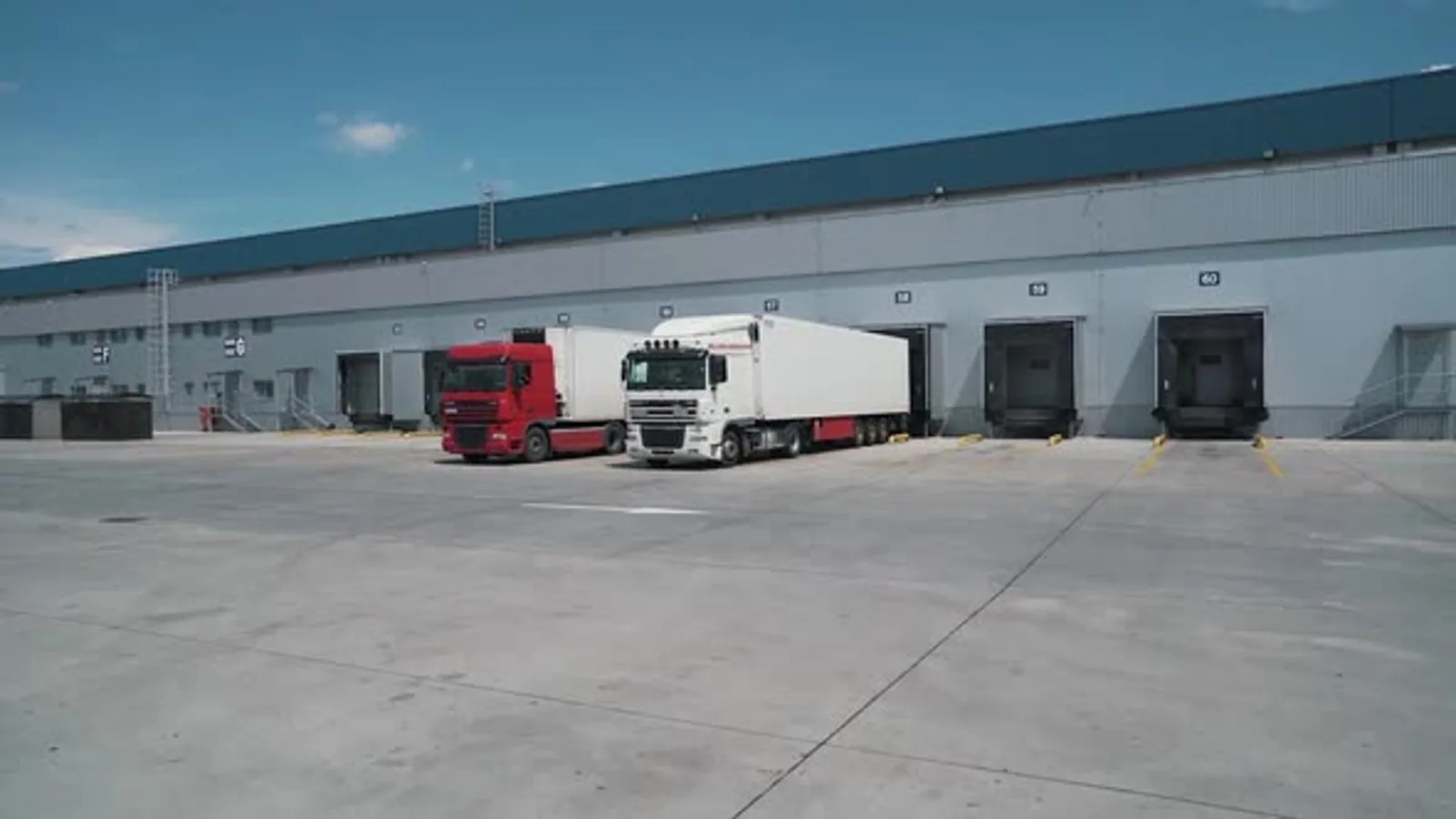
Logistics operations connected to manufacturing output can create another receiving and dispatch interface for the phase. We coordinate that activity where it affects roof access or protection. Urgent calls are accepted at night, over weekends and during holidays, with safe temporary action separated from the permanent return work in the condition record.

Compare the manufacturing roof scope with the production window

Arrange a review with leak positions, process restrictions and planned equipment work. We will identify the repair boundary and a workable construction phase.

Call 555-555-5555 or email [email protected].

Questions About Manufacturing Companies

Can the roof repair proceed while a nearby machine remains active?

The plant establishes its safe operating boundary and equipment restrictions. We plan the roof task and protection within that boundary before opening the assembly.

What if process residue is present at the failed connection?

Identify the exposure and assess material compatibility. We address the receiver and contamination before installing the permanent roofing detail.

Does a shutdown window justify opening a larger roof area?

Enough time must remain for hidden-layer correction and secure closure. We size the opening to that complete task and the available weather period.

How is a new exhaust installation added to an existing roof?

Coordinate the support, curb and compatible membrane connection with the equipment trade. We review finished heights and drainage and record the changed position.

ServicesRoof SystemsIndustriesProperty TypesService AreasDamage RepairCapabilitiesManufacturersContactAboutRequest a Roof Assessment555-555-5555
Call555-555-5555