Commercial Roof Recover and Overlay in Elk Grove, CA

Evaluate an Elk Grove roof recover with concealed moisture checks, attachment assessment, and flashing adjustments before retaining the existing assembly.

Commercial Roofing Services  /  Call 555-555-5555

Commercial Roof Recover and Overlay at a Glance

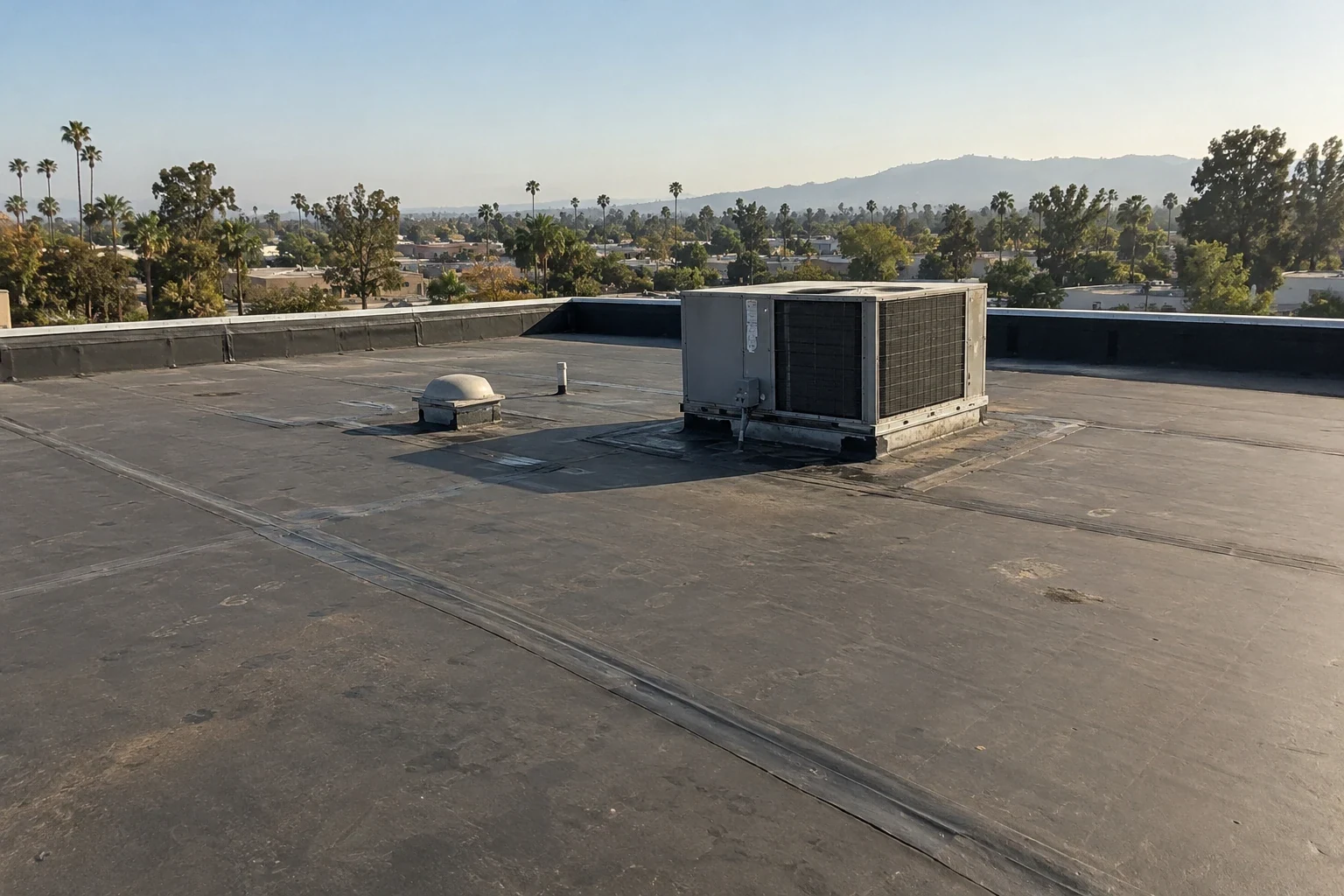
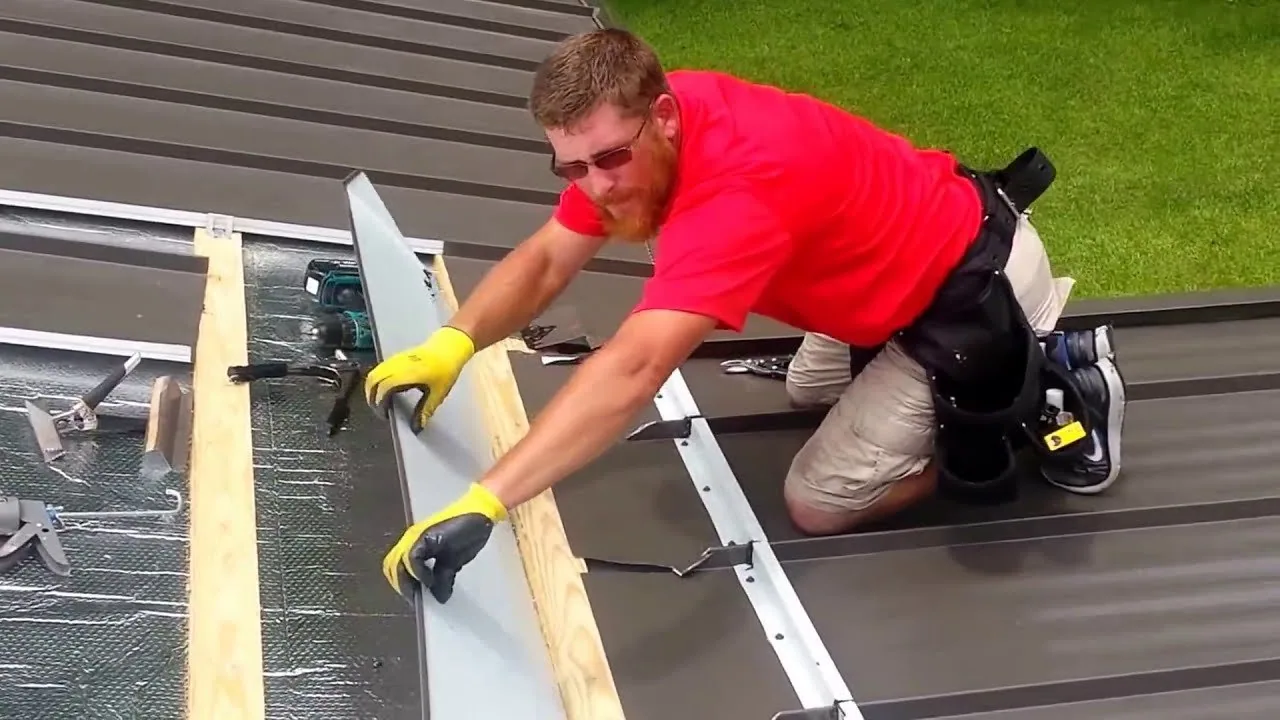
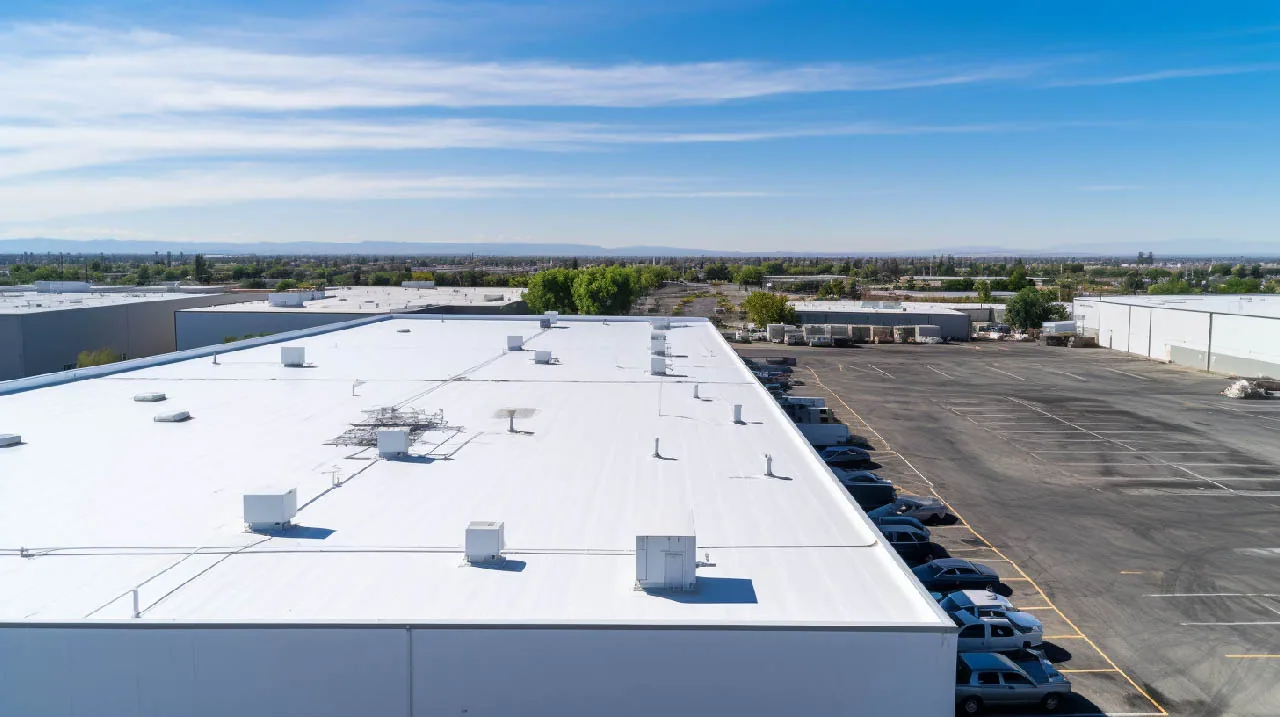
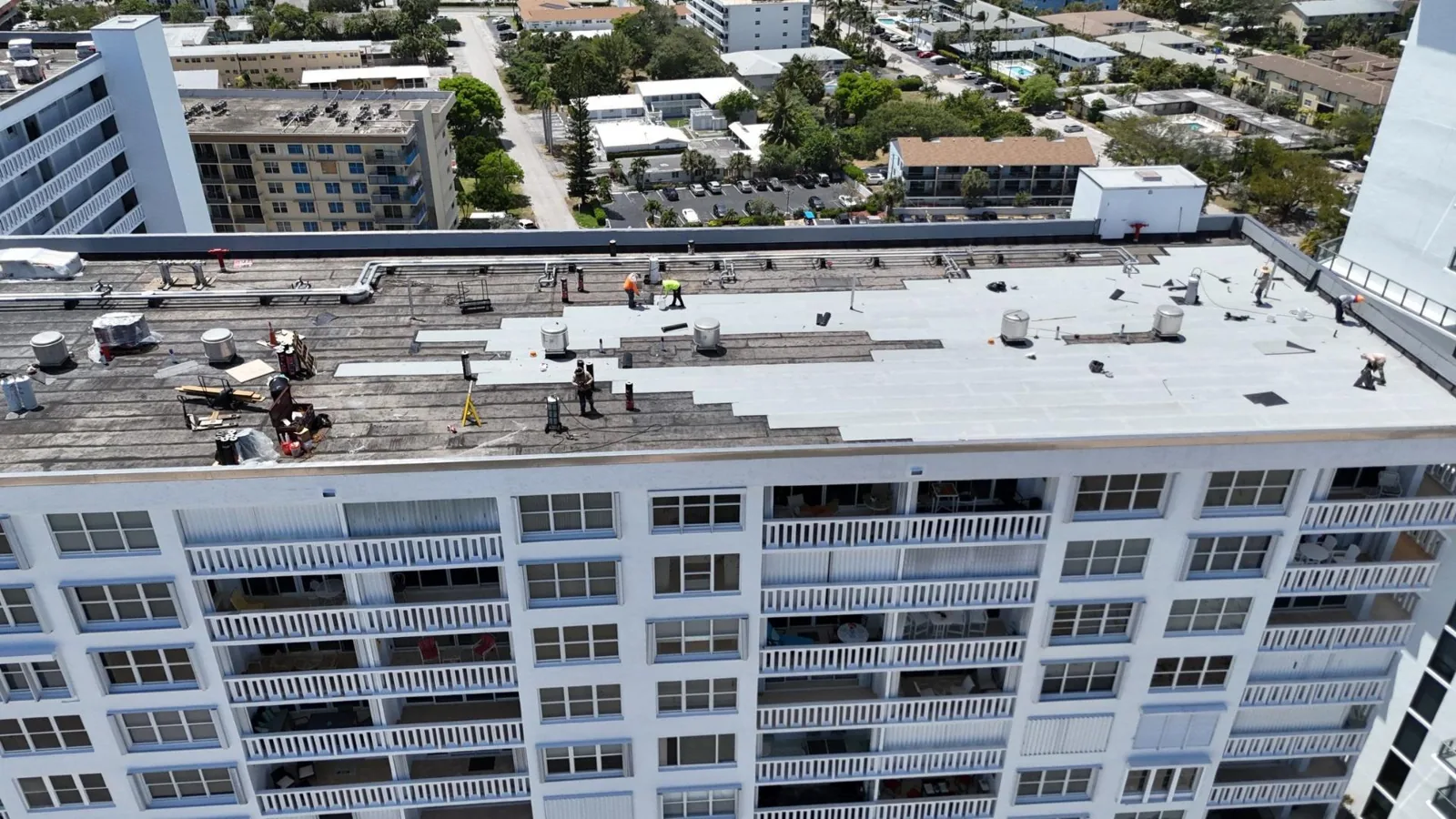
A proposed overlay carries the existing roof into the new project, including any wet layer or failed attachment left beneath it. Roof recover in Elk Grove, CA begins with deciding whether that retained construction can support another assembly and whether the project requirements permit it. Commercial Roofing Elk Grove examines the current layers, moisture findings, drainage, and connections before comparing recover with removal. Less demolition is useful only when the retained roof provides a suitable receiver.

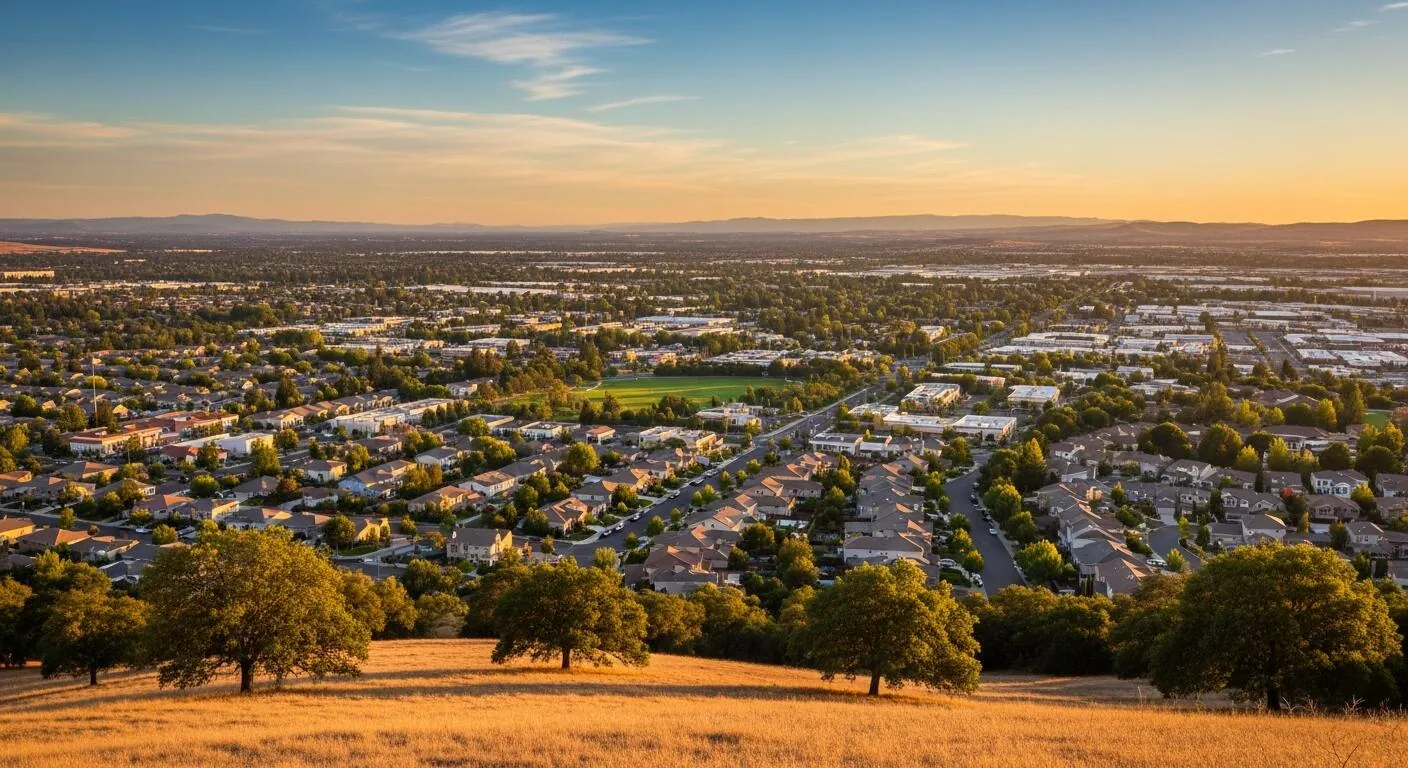
Elk Grove has commercial centers, hotels, business parks, and industrial employment areas with different operating constraints. A recover can reduce disturbance to an occupied building, but the work still needs material handling, preparation, and a permanent tie-in at every perimeter and opening. We connect those requirements to the condition record and the scope decision. The owner should understand what remains below the new surface and which correction is required before that material is kept.

Examine what the overlay would retain

Arrange a roof review and compare the existing assembly findings with the proposed recover. Provide the roof plan, water history, equipment changes, and operating window for the scope assessment.

Request a roof assessment or call 555-555-5555.

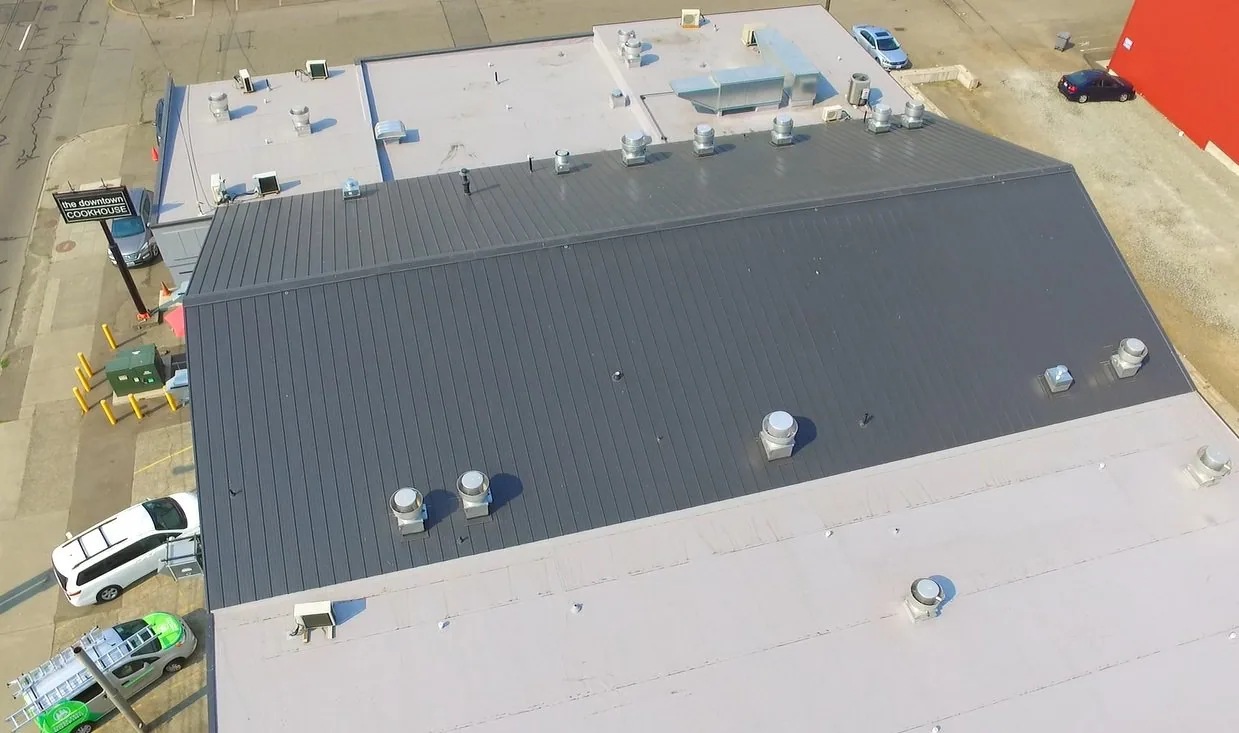
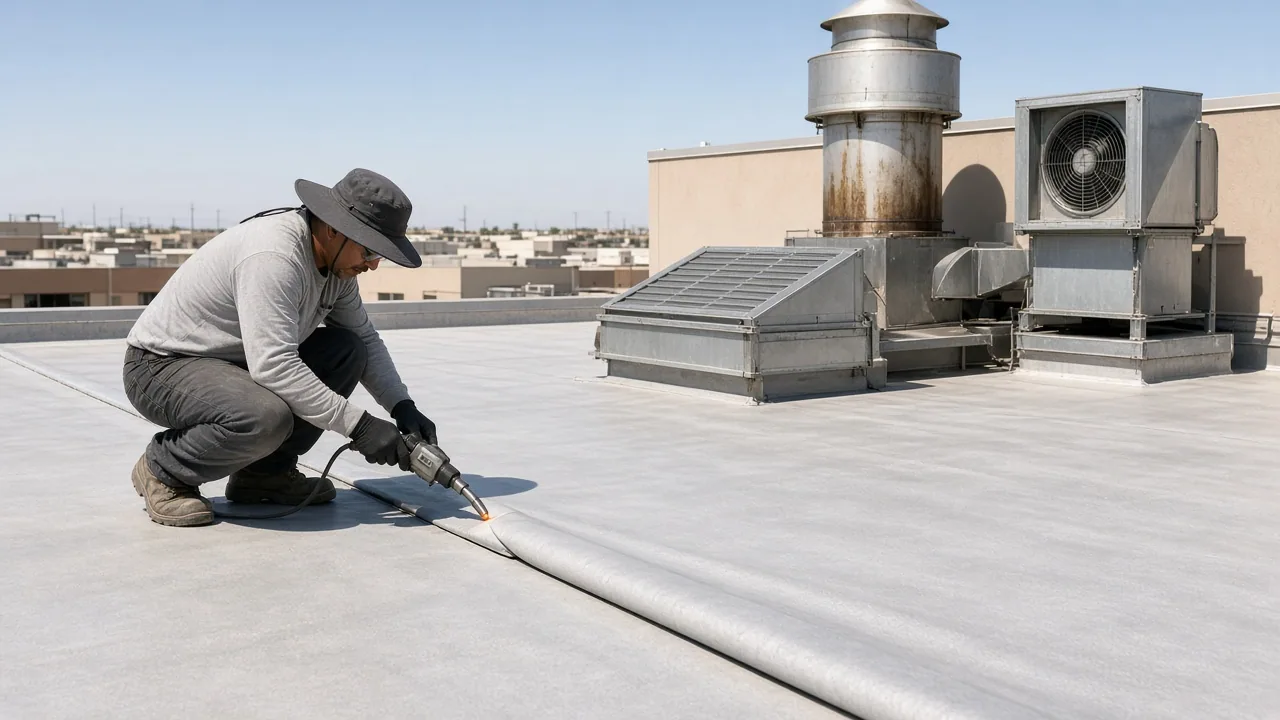
The right system depends on the roof deck, drainage, insulation, rooftop equipment and how the building is used. These are the systems we install, repair and maintain around Elk Grove.
Don't see your roof system? Ask us or call 555-555-5555.

The receiver that remains

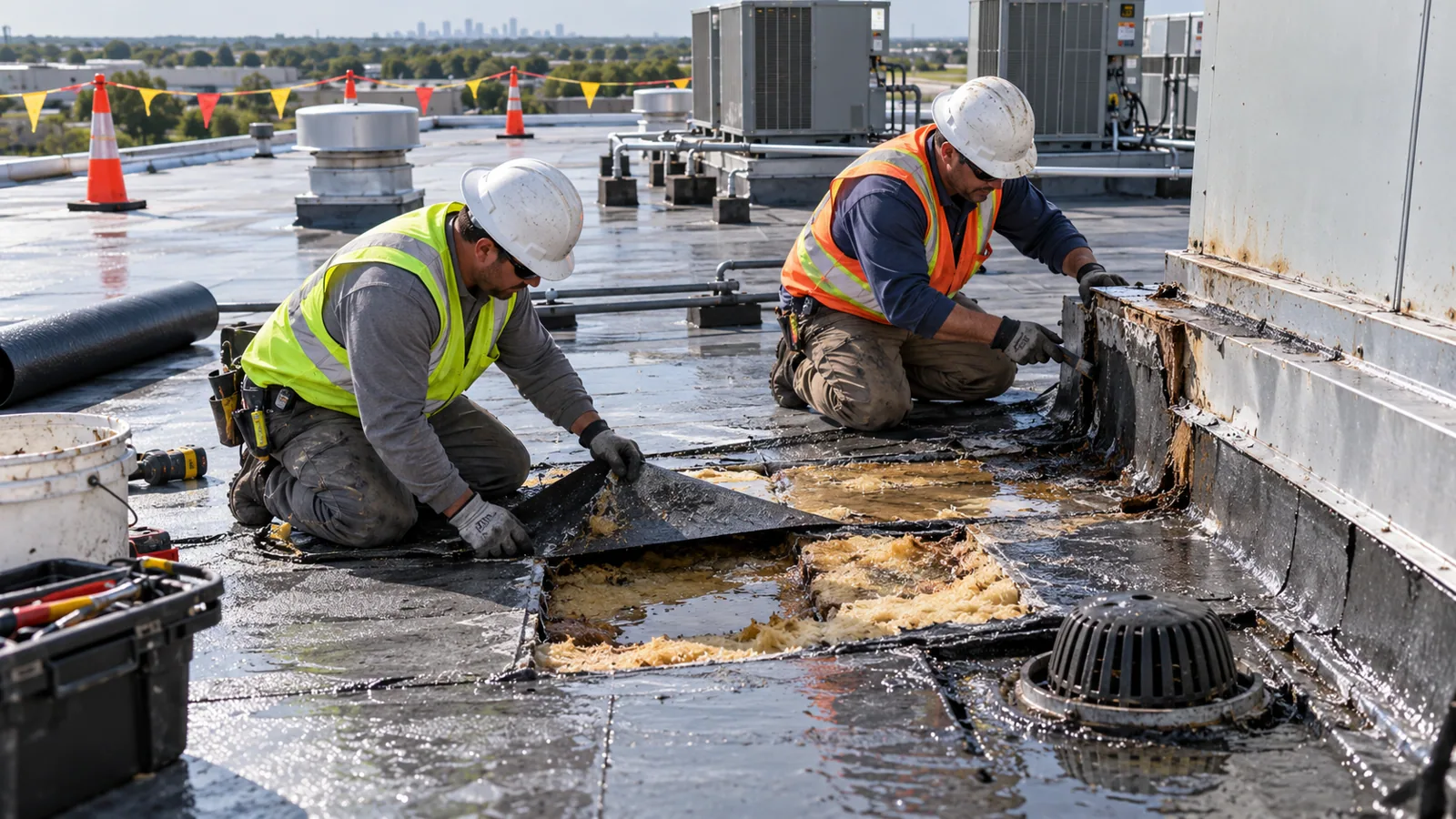
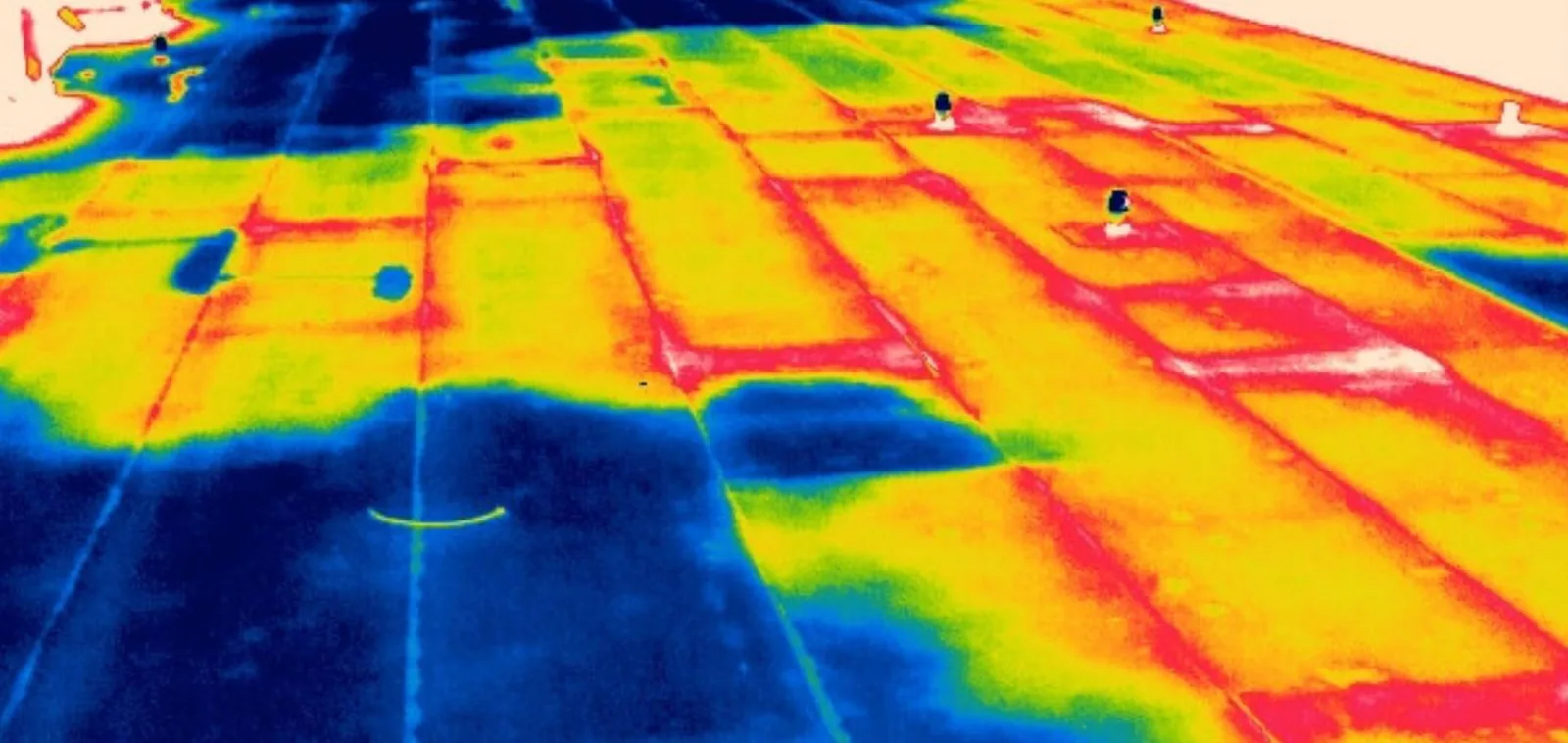
The assessment identifies the installed layers and how they are attached, then examines visible deterioration and positions where concealed condition will change the decision. Core or test openings can confirm moisture and construction at representative locations. Where conditions support it, infrared screening of retained roof areas can help select confirmation positions. The resulting boundary distinguishes material needing removal from dry stable construction proposed to remain.

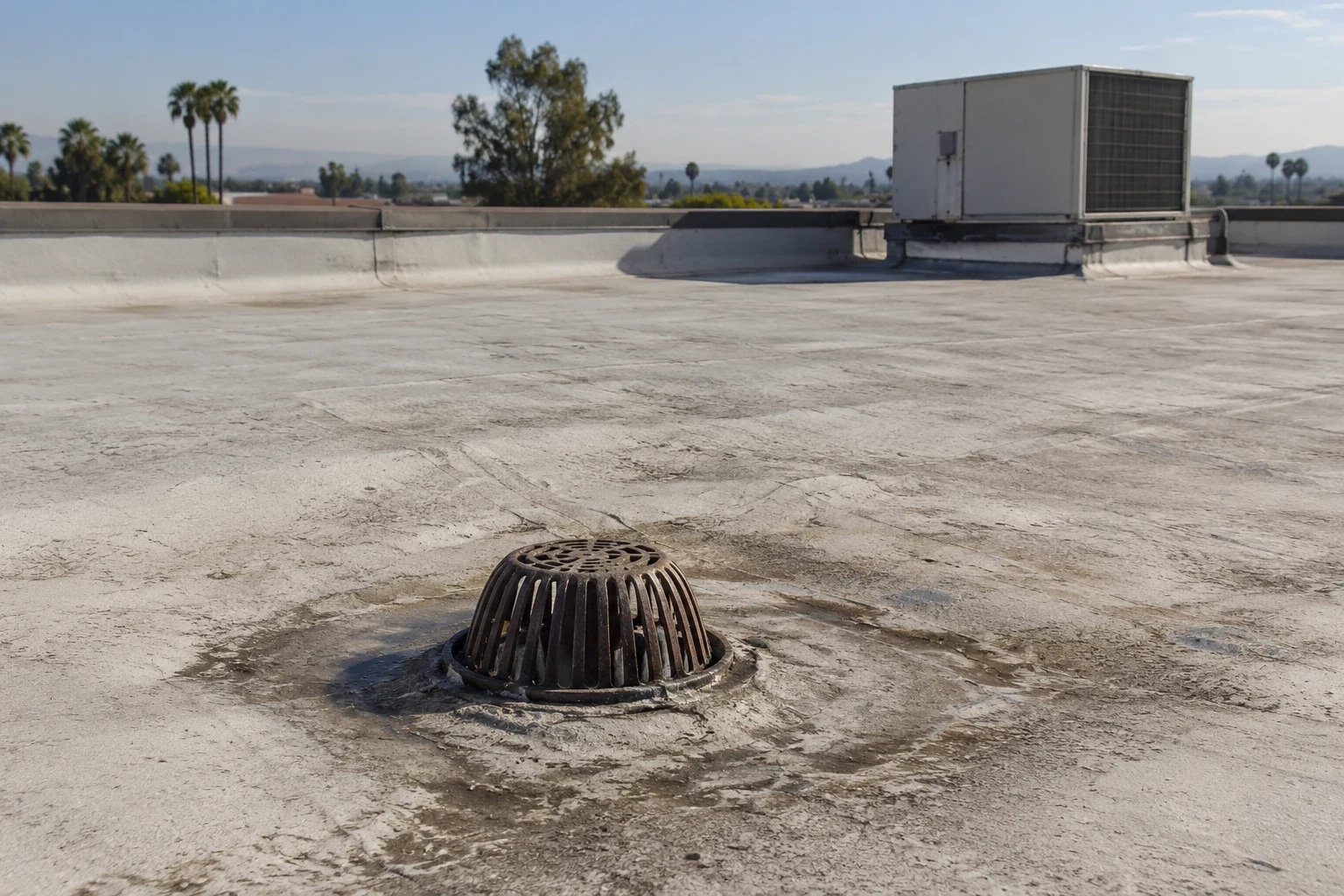
An isolated wet area can require removal and a suitable rebuilt receiver before overlay proceeds around it. A wider moisture pattern may undermine retention across a larger zone. We identify that difference before the construction option is priced as complete. Covering a wet layer does not make it dry, and a new surface cannot restore a supporting material that has lost its useful condition. The concealed finding belongs in the recover decision.

Visible deck movement, deterioration, or uncertain support can also require further assessment. We record the accessible condition and identify where a design review is needed before attachment is selected. The inspection should distinguish a surface preparation problem from a receiver unable to support the proposed construction, because those findings lead to different work.

We also compare the proposed boundary with previous repairs that changed the layer count locally. An old replacement patch or partial overlay can leave different receiver thickness within one roof zone. Identifying that transition before construction helps the project specify a continuous surface without overlooking an uneven or incompatible retained area.
Commercial Roof Recover and Overlay

Related Roofing Work

Other pages that cover parts of the same roof question.
Roof leaking now?

Call 555-555-5555 for emergency roof repair in Elk Grove and nearby communities.
Commercial Roof Recover and Overlay

Attachment and assembly compatibility

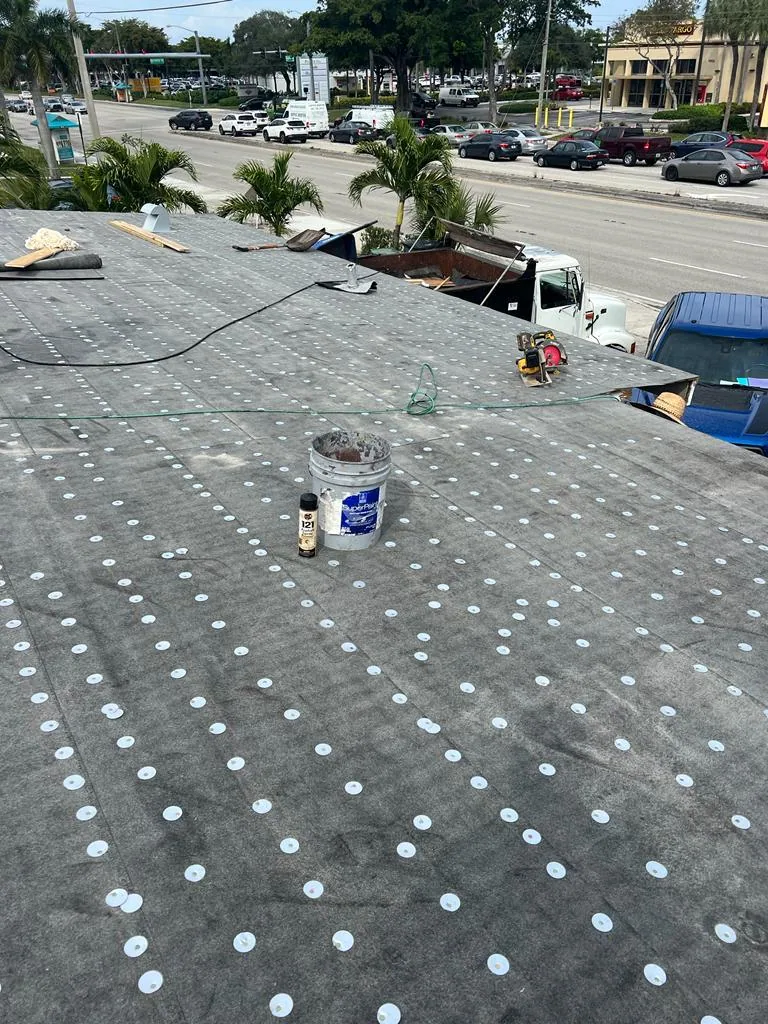
The proposed membrane, cover board, insulation, and fastening or bonding method must suit the retained roof and the building. We compare construction information with the actual surface and note where old patches, coatings, or uneven areas affect preparation. Another layer also adds weight, so the permitted assembly and supporting capacity need the appropriate review. A familiar membrane name is not a substitute for selecting the complete construction.

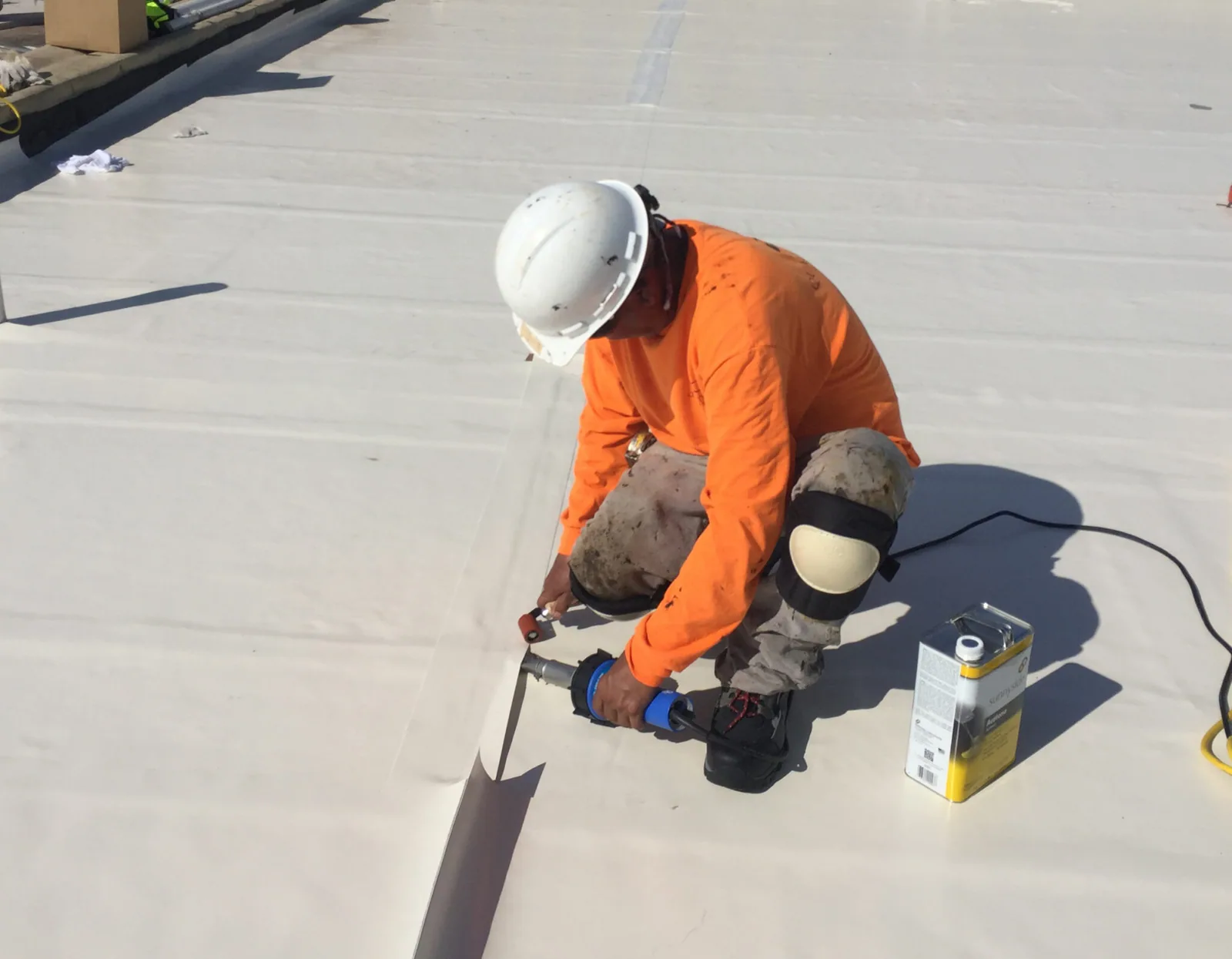
Existing components are not assumed compatible with the new system. A PVC roof assembly can require separation and components suited to its receiver, while other membranes have their own application requirements. We identify the proposed materials and the preparation needed at transitions before installation begins. Where incompatible old repair material cannot remain within the tie-in, its removal is part of the scope rather than an optional finishing task.

Elk Grove’s current adopted California building and energy provisions apply according to the permit application and project scope. Recover eligibility, existing layers, attachment, and any energy work need assessment against that basis. We coordinate the construction information required for the review and identify any design responsibility affecting the selected assembly. Retention is a project-specific conclusion.

Commercial Roof Recover and Overlay

Connections raised by the overlay

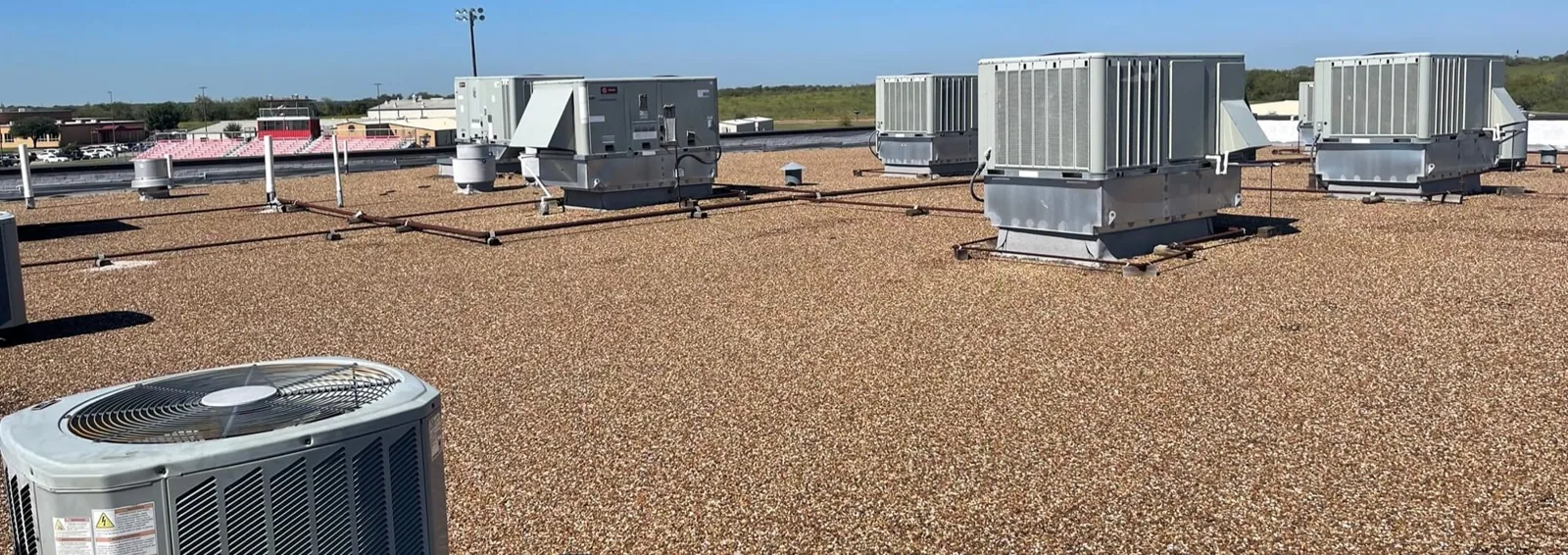
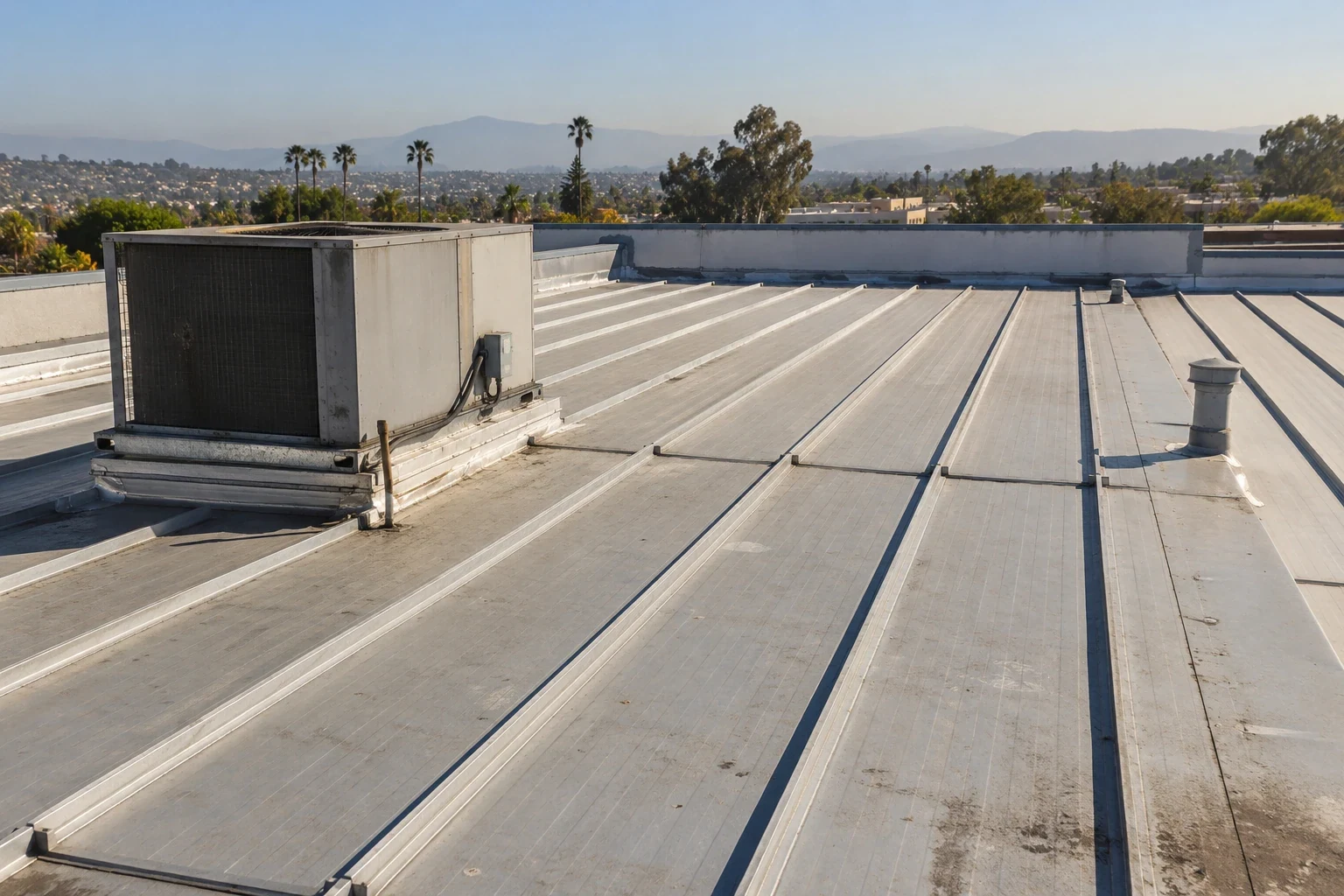
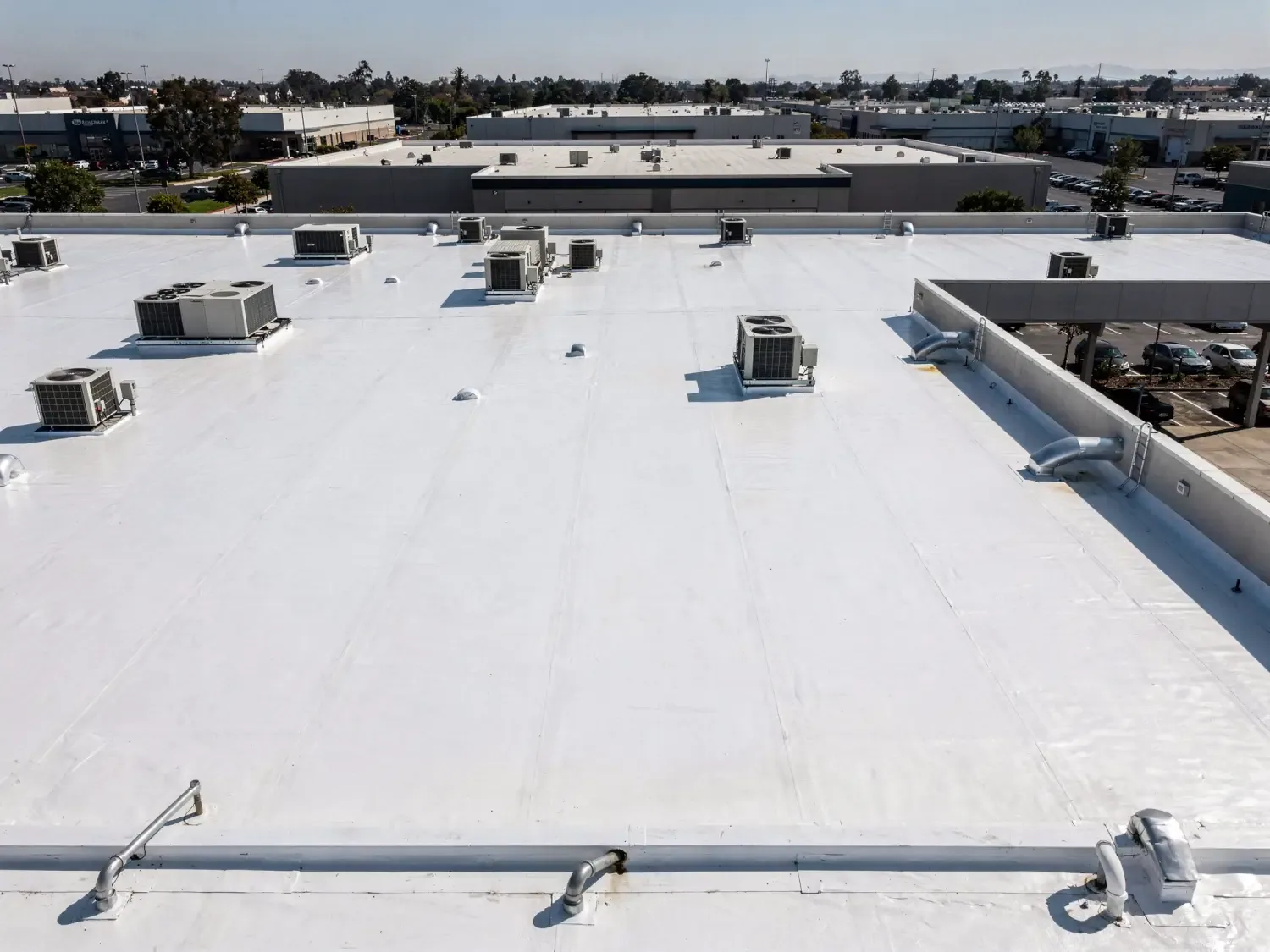
A roof that becomes thicker can leave less vertical flashing at a wall or curb, and a drain that once sat below the surface can become poorly connected to the new construction. We examine those elevations with the proposed layers before ordering material. Equipment clearance, edge attachment, and upper terminations also need review. A continuous new membrane field still needs a functioning connection where it reaches each retained component.

Outlet details affected by the new assembly are included with the flow areas feeding them. A cricket or tapered correction can direct water where designed, but the new path must reach a usable discharge. We distinguish cleaning from slope or outlet changes needing additional review. The recover should not convert one repaired low area into retained water beside another curb.

Commercial Roof Recover and Overlay

The operating effect of retention

East Franklin is an established Elk Grove planning area with shopping centers, schools, parks, and housing. At a commercial property within that mix, we confirm the actual operating hours, occupied rooms, roof access, and delivery routes before comparing construction phases. Roof work in East Franklin uses those property findings to establish the sequence. The planning area does not identify the membrane or determine whether its existing layers can remain.

Old Town Elk Grove has shops, services, and restaurants along its historic commercial area. For a project there, recover can be compared with removal against both the assembly condition and the interruption each option requires. Removal and replacement of unsuitable retained construction can address concealed deterioration that another layer would carry forward. We explain that tradeoff without treating reduced demolition as evidence that recover is appropriate.

The Sacramento Valley’s hot dry summer and cooler rainy season affect preparation and daily exposure planning. We select a suitable weather interval for the proposed application and keep partial work within a practical closure boundary. Material preparation, smoke-related outdoor work conditions, or another required trade can alter the sequence. The roof remains an occupied-building project even when full tear-off is avoided.

Commercial Roof Recover and Overlay

The scope left beneath the finished surface

Costs are influenced by concealed removal, surface preparation, attachment requirements, insulation changes, and the number of vertical details needing adjustment. We show those tasks so the owner can compare a complete recover with a complete replacement. A low removal allowance loses its usefulness if it omits wet material already found. The proposal identifies the retained zones and the correction required before installation proceeds there.

Comparing roof options within the capital window includes future equipment work and maintenance as well as the current construction. We assess whether a known upcoming change would cut the new assembly or require another curb alteration. Coordinating that work before overlay can preserve the completed surface. The decision should account for the roof’s next operating phase rather than only the installation day.

Closeout records the retained construction, removed areas, new components, and completed transitions. A maintenance check of the recovered roof can revisit outlets, equipment routes, and vulnerable details using the same roof positions. Keep the concealed findings with the building plan so later work does not mistake the new surface for a wholly new supporting assembly. The condition record describes what actually remains.

Examine what the overlay would retain

Arrange a roof review and compare the existing assembly findings with the proposed recover. Provide the roof plan, water history, equipment changes, and operating window for the scope assessment.

Call 555-555-5555 or email [email protected].

Questions About Commercial Roof Recover and Overlay

Can a small wet area be removed while the rest receives an overlay?

A defined correction can be considered when testing supports its boundary and the surrounding assembly is suitable. We assess the rebuilt tie-in and retained-layer requirements before proposing that split.

Does recover require changes to rooftop equipment curbs?

Added thickness can reduce flashing clearance at existing curbs. We examine the proposed height relationship and identify any alteration needed before the new layers are selected.

Will a recover hide the current ponding problem?

Another surface does not correct an outlet restriction or depression by itself. The scope needs a designed flow correction where appropriate, joined to a functioning drain path.

What records should remain available after an overlay is installed?

Retain the original layer findings, moisture confirmation, removed zones, and new assembly information. We connect them to roof positions so future service understands both the surface and its receiver.

ServicesRoof SystemsIndustriesProperty TypesService AreasDamage RepairCapabilitiesManufacturersContactAboutRequest a Roof Assessment555-555-5555
Call555-555-5555