TPO Roofing in Elk Grove, CA

Evaluate TPO roofing in Elk Grove with welded detail checks, assembly selection, drainage corrections, and phased installation above occupied commercial space.

Roof Systems  /  Call 555-555-5555

TPO Roofing at a Glance

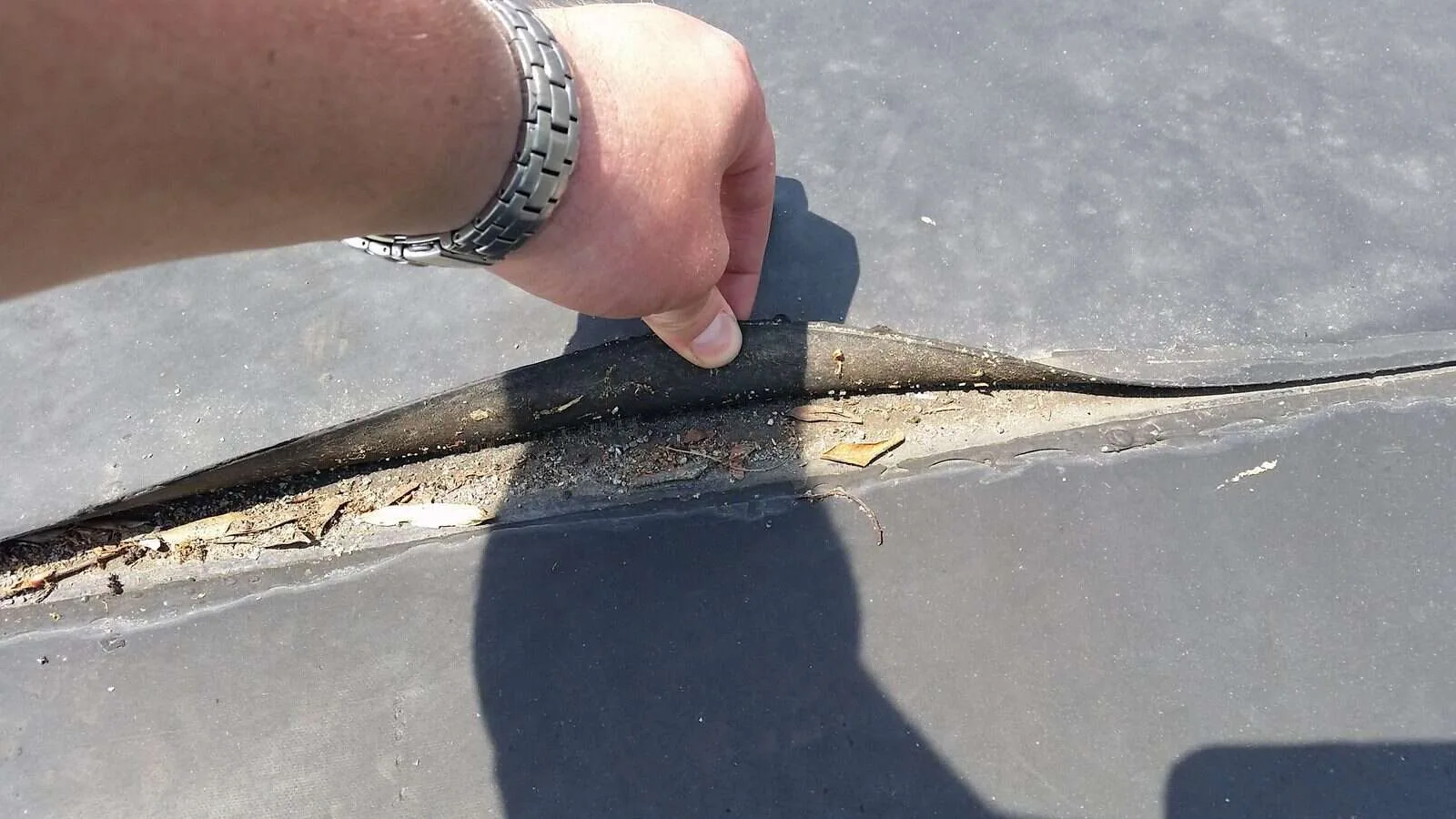
A split beside a curb can change the scope of a TPO project even while the surrounding field remains usable. The correction needs to account for membrane tension, the connection at the curb, and the layers receiving the repair. TPO roofing in Elk Grove, CA includes that examination as well as installation of new thermoplastic single-ply assemblies. Commercial Roofing Elk Grove compares the failure pattern with the complete roof condition before defining a repair, recover, or replacement boundary.

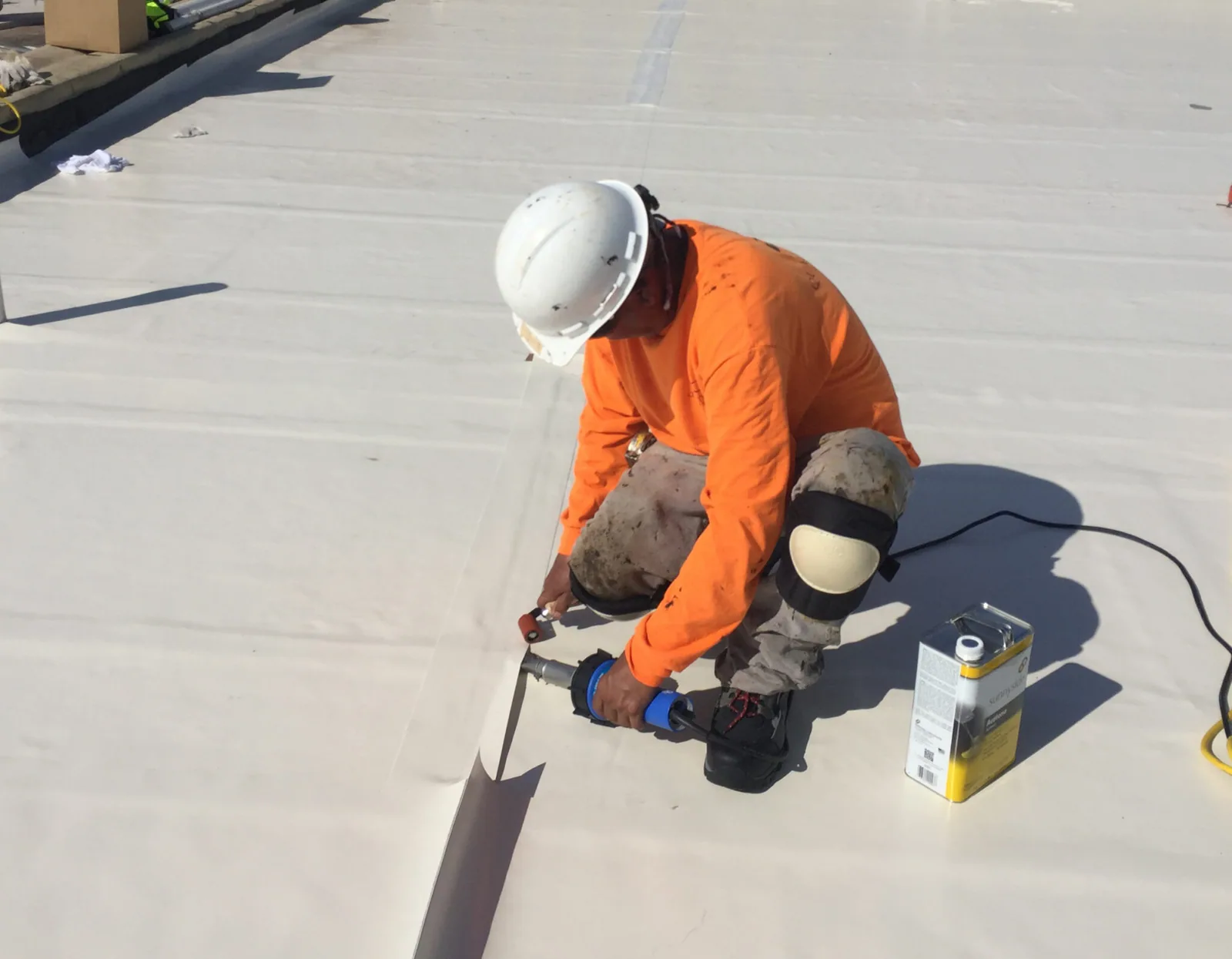
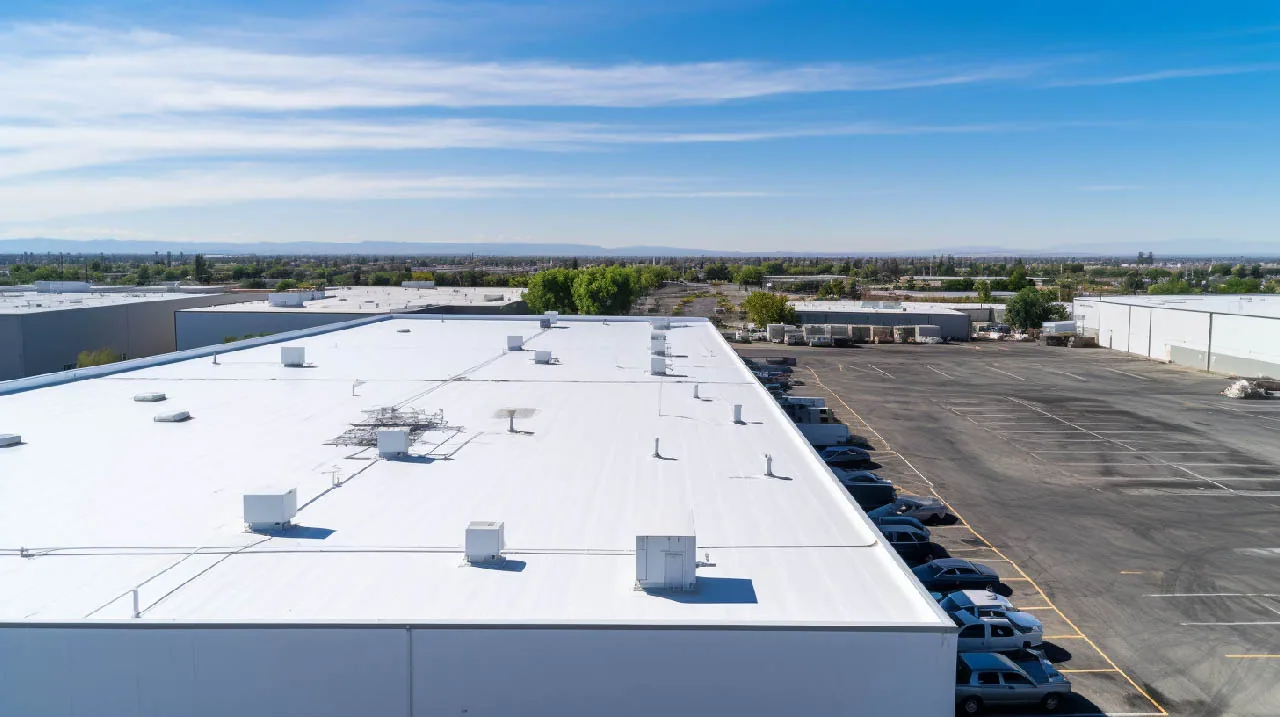
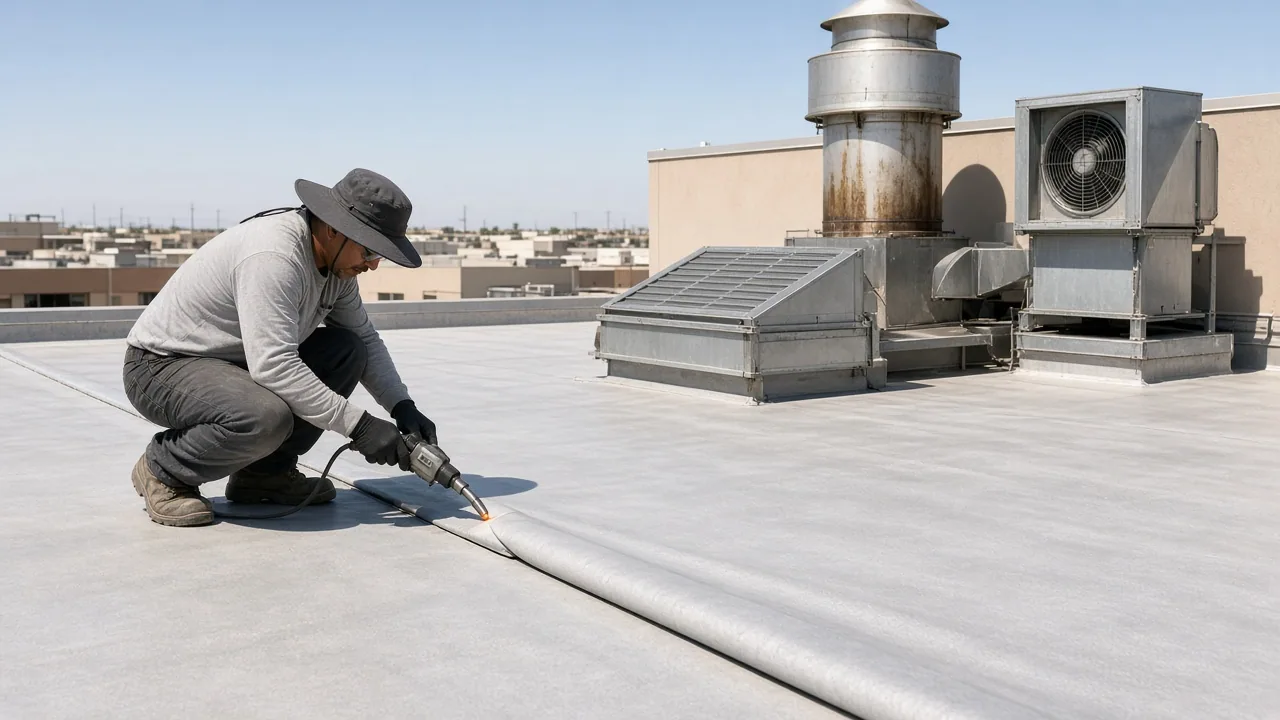
TPO uses heat-welded connections to join compatible membrane sheets and details. That connection is only one part of the construction: insulation, cover board, attachment, perimeter metal, and drainage affect whether the finished system performs as intended. We examine those elements together so the owner can compare an assembly rather than selecting a membrane by its surface appearance. The roof decision follows the condition beneath and beside it.

Compare TPO condition with the proposed assembly

Arrange a roof review with the known failures and planned building work. We will examine the receiver, connections, and operating limits to define a practical TPO scope.

Request a roof assessment or call 555-555-5555.

The right system depends on the roof deck, drainage, insulation, rooftop equipment and how the building is used. These are the systems we install, repair and maintain around Elk Grove.
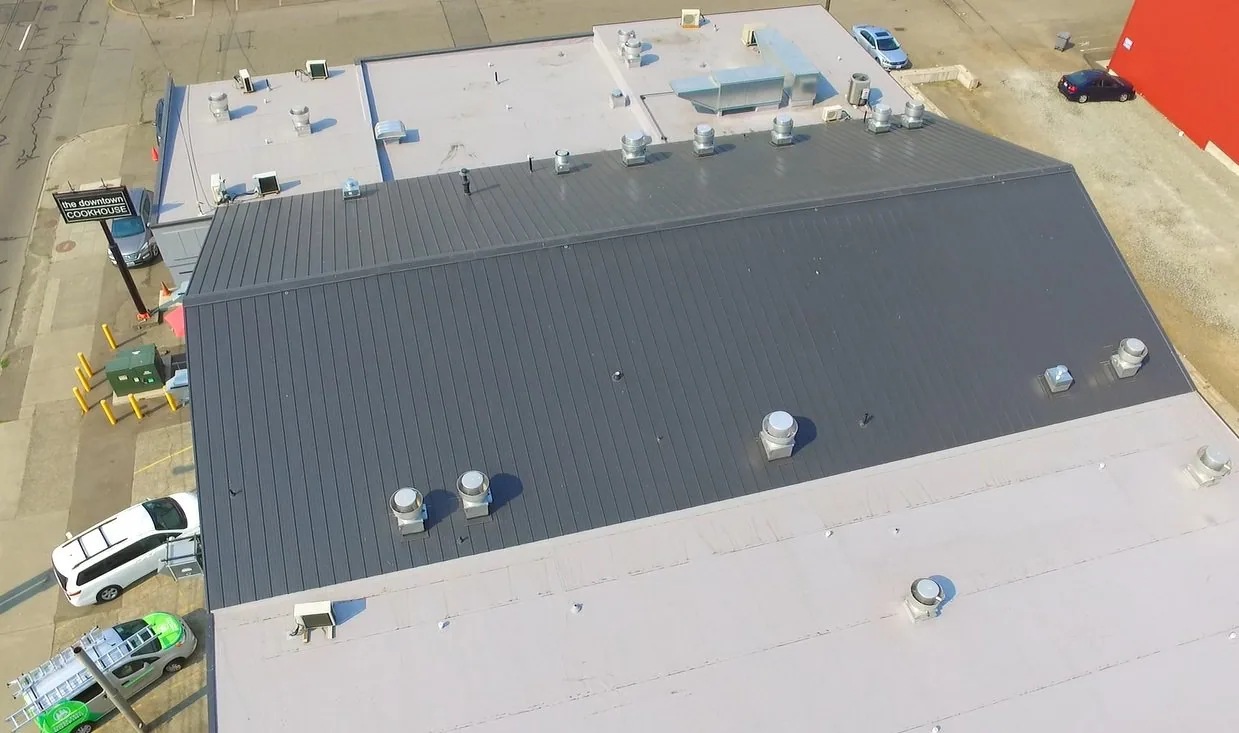
Don't see your roof system? Ask us or call 555-555-5555.

Connections under working tension

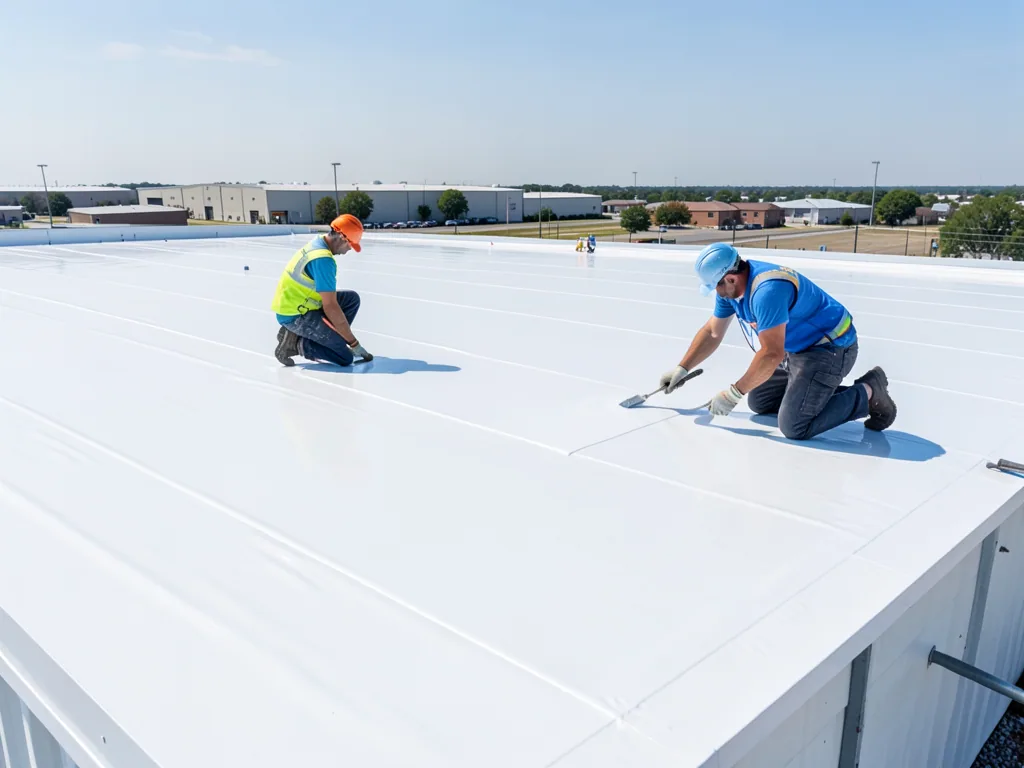
A seam with an open edge needs examination beyond the visible gap. We assess the weld, surrounding sheet condition, intersections, and forces acting at nearby changes in plane. A stretched corner or moving receiver can reopen a new connection if the correction stops at the surface. The repair boundary includes enough sound material and support to form the appropriate welded detail.

Dirt, aged surface material, incompatible previous products, and moisture can interfere with preparation. The installed membrane is identified, then a suitable cleaning and repair method is selected for its condition. Trial work can establish whether the receiver supports the intended weld. A seam that accepts a sound correction has a different scope from deteriorated material that must be removed and reconstructed.

Repairing an open connection and its affected surroundings requires access to the full water path, including intersections at drains and penetrations. A field patch should not hide an unresolved flashing transition. Where the assembly has wet layers, their boundary is examined before new work closes the area. The visible opening begins the investigation; it does not automatically define its end.

Previous repair edges are examined for lifting, contamination, and interrupted water flow. Their material and extent affect whether they can remain inside a new correction or need removal to expose the suitable receiver beneath.

TPO Roofing

Related Roofing Work

Other pages that cover parts of the same roof question.
Roof leaking now?

Call 555-555-5555 for emergency roof repair in Elk Grove and nearby communities.

TPO Roofing

The receiving layers and attachment

Insulation and cover board provide the plane on which the membrane is installed. Their condition affects attachment, surface stability, and the ability to make durable details around equipment. Compressed boards, uneven joints, or unstable retained layers can require correction before the membrane work proceeds. We establish the deck and proposed attachment method so each layer has a defined role in the roof assembly.

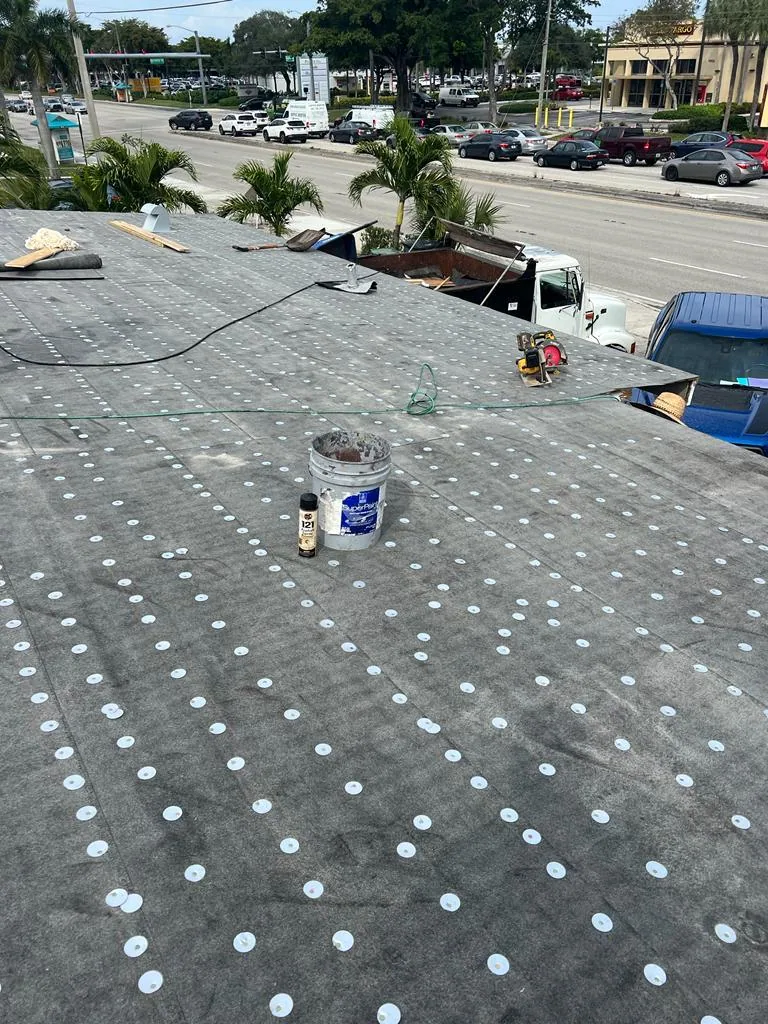
Mechanically attached and adhered configurations place different demands on their receivers. Fastener selection depends on the deck and the designed assembly, while an adhered approach needs compatible, adequately prepared surfaces and suitable application conditions. Perimeter and corner requirements are included in the project design. Changing the field attachment alone does not establish the performance of an entire roof system.

An existing roof may support a recover after the retained construction is assessed, with moisture, compatibility, loading, and applicable requirements considered together. Otherwise removal may provide the better basis for the planned construction. We explain which layers remain, which come off, and the reason for that boundary. The comparison includes the work needed to prepare the receiver.

TPO Roofing

Drainage through the membrane details

Water collecting near a drain can expose the same connection repeatedly while also revealing a low receiver or restricted outlet. We examine the roof plane, drain attachment, membrane connection, and accessible discharge before selecting the correction. A new sheet cannot compensate for an outlet positioned above the surrounding roof. Where slope changes are appropriate, the insulation and adjoining flashing heights are considered as one construction decision.

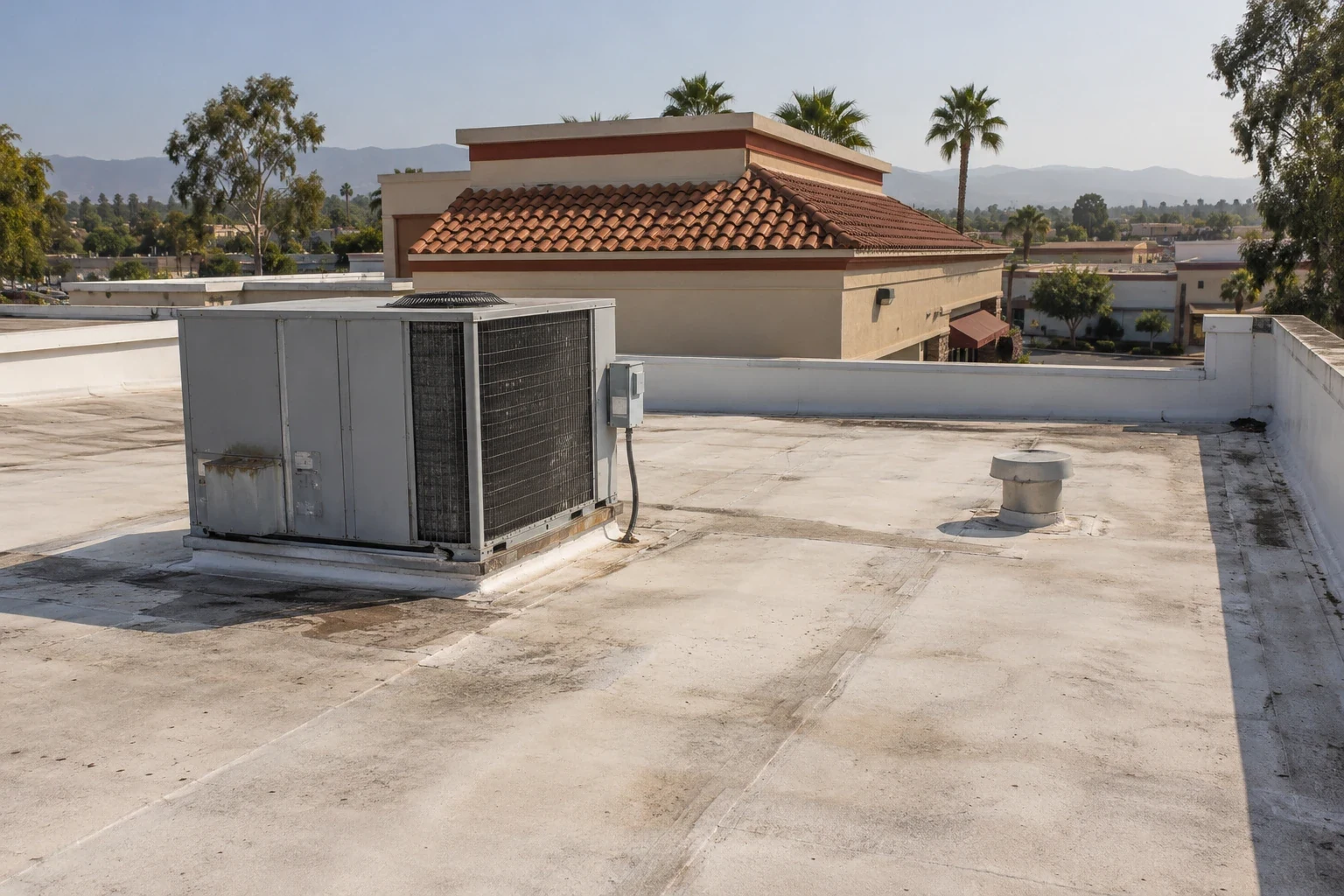
Curbs and wall transitions need enough geometry for the chosen detail to close properly. Equipment supports and service pathways can limit access or place repeated traffic beside vulnerable connections. We review those positions before installation so completed flashing remains reachable for inspection and service. A difficult corner is resolved in the layout rather than left for the last available piece of membrane.

A PVC membrane comparison may be useful where the proposed exposure or equipment operation changes material selection. An EPDM assembly comparison raises different seam and detailing requirements. We assess the specific product and construction against the building use instead of treating all single-ply systems as interchangeable at every connection.

TPO Roofing

Seasonal work and commercial access

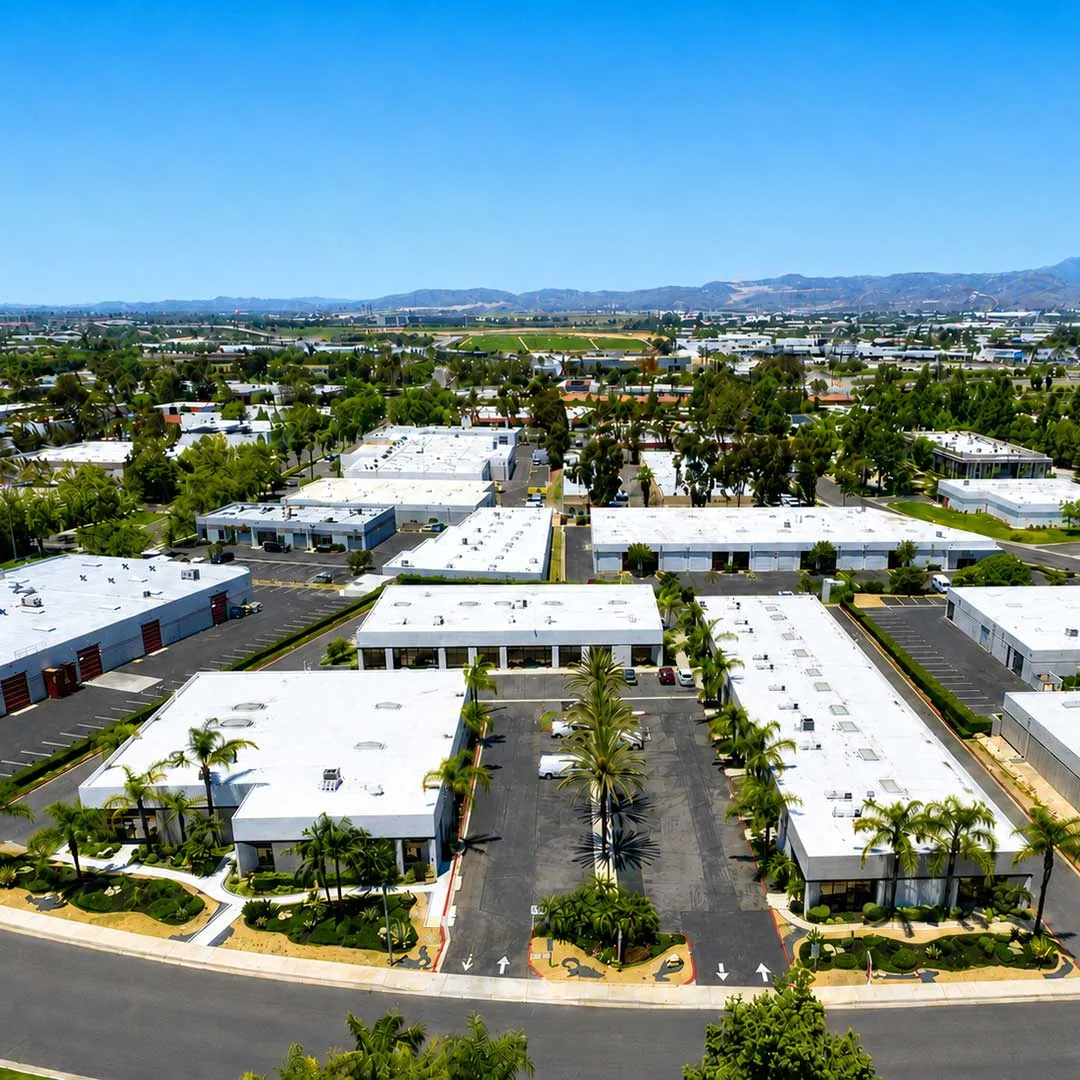
Elk Grove’s retail centers, hotels, business parks, and industrial employment areas give roof work several different operating settings. At a Laguna West Business Park property, we establish equipment access, tenant requirements, and material movement with the building contact before defining work phases. Those conditions affect the installation sequence and protective measures alongside the assembly selected.

Old Town combines shops, services, businesses, and restaurants along its commercial district. TPO work above an occupied business there needs an agreed route for debris and new material, with entrances and interior areas considered where removal creates exposure. Roof connections beside restaurant equipment also need their actual operating exposure reviewed when selecting compatible materials and details. The work scope follows the building in use.

Hot dry summers and cooler-season rain in the Sacramento Valley influence the available preparation window. Adhesives, welded connections, exposed layers, and daily closure each have their own working requirements. We assess current temperature, surface condition, and forecast before opening a work area. A season suitable for planning still requires a field check before the next phase begins.

TPO Roofing

A comparison with complete work boundaries

The proposal distinguishes localized welded repairs from reconstruction of affected layers and broader membrane renewal. Cost changes with deck condition, moisture removal, insulation layout, attachment, equipment density, and the connections requiring work. These drivers are described where they change the project. Comparing field membrane quantities alone would omit much of the construction responsible for the finished roof.

Selecting a roof capital window includes the time available for equipment changes and the expected value of retaining serviceable construction. A local correction can be practical where its receiver remains sound, while broader deterioration may justify removing layers before investment continues. We document that distinction with located findings so the owner can compare current work with a later project.

After installation or repair, seams and details are assessed using the appropriate method for the system. The completed work is recorded with its position and any maintenance requirement, including drain access and equipment service routes. Future visits can examine the same connections against that condition record. The roof returns to service with a defined scope rather than an unspecified collection of patches.

Compare TPO condition with the proposed assembly

Arrange a roof review with the known failures and planned building work. We will examine the receiver, connections, and operating limits to define a practical TPO scope.

Call 555-555-5555 or email [email protected].

Questions About TPO Roofing

Can an aged TPO sheet still receive a welded repair?

Condition and preparation determine the useful method. We identify the installed material and assess the receiving area before choosing a compatible weld or reconstructing unsuitable membrane.

Should every low spot be corrected during TPO replacement?

Drainage observations establish which slope changes belong in the project. Outlet position, insulation design, and adjoining detail heights are assessed before correction is included in the assembly.

Does a white surface establish compliance for the project?

The selected product and complete construction must meet the applicable requirements. We review that selection with the project design rather than relying on visible color alone.

How does new rooftop equipment change a TPO scope?

Proposed curbs, supports, and service routes can alter flashing and attachment work. Coordinating those changes before membrane installation avoids reopening a finished detail for a known alteration.

ServicesRoof SystemsIndustriesProperty TypesService AreasDamage RepairCapabilitiesManufacturersContactAboutRequest a Roof Assessment555-555-5555
Call555-555-5555