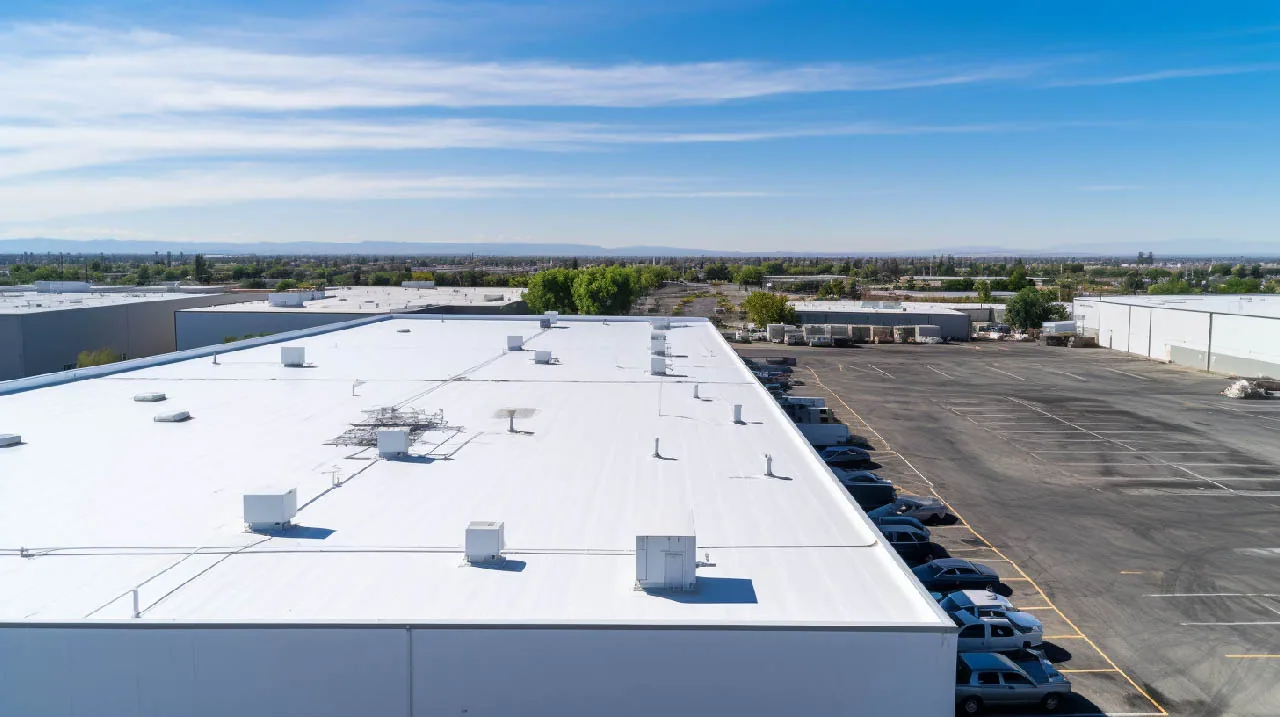
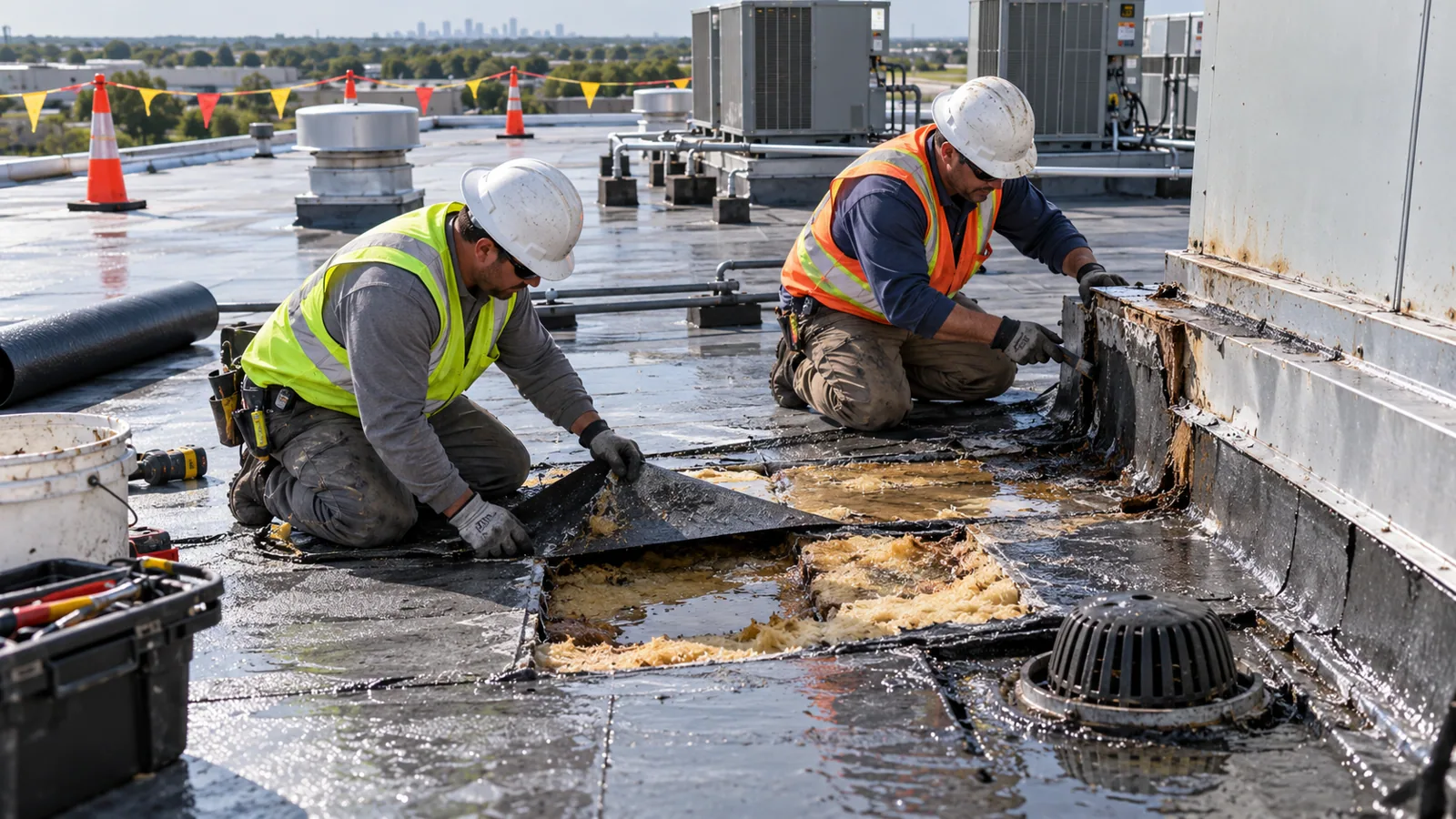
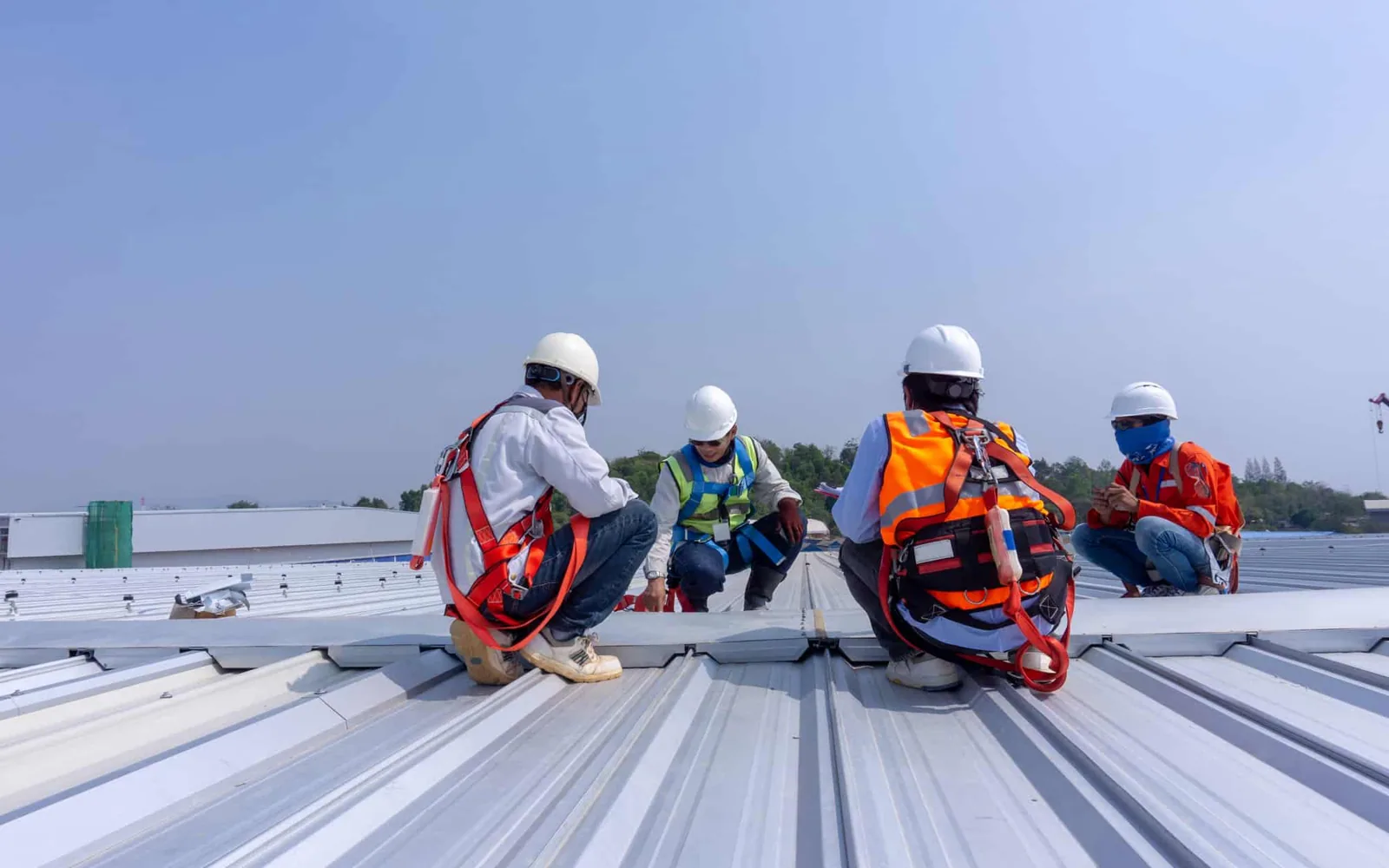
Infrared Moisture Survey in Elk Grove, CA

Survey suspected roof moisture in Elk Grove with thermal imaging, targeted assembly checks, and mapped findings that support repair or replacement boundaries.

Commercial Roofing Services  /  Call 555-555-5555

Infrared Moisture Survey at a Glance

Concealed moisture can change a roof project long before it becomes visible at the ceiling. An infrared moisture survey in Elk Grove, CA examines thermal patterns that may identify wet areas, then connects those patterns to targeted confirmation within the assembly. Commercial Roofing Elk Grove uses the survey to inform removal boundaries, repair comparisons, and decisions about retaining existing construction. The useful result is a supported condition map, with the limits of the method carried into the scope.

Thermal imaging detects surface temperature differences rather than directly measuring water. Wet materials can respond differently from dry materials after suitable heating and cooling, but construction changes, shadows, equipment, and surface conditions can create other patterns. We assess the roof assembly and survey conditions before interpreting an image. A suspect area needs confirmation appropriate to the material and the proposed decision.

Resolve the moisture question before setting the boundary

Arrange a survey review with the roof history, proposed work, and known water symptoms. We will define useful thermal examination and the confirmation needed for a supported scope decision.

Request a roof assessment or call 555-555-5555.

The right system depends on the roof deck, drainage, insulation, rooftop equipment and how the building is used. These are the systems we install, repair and maintain around Elk Grove.
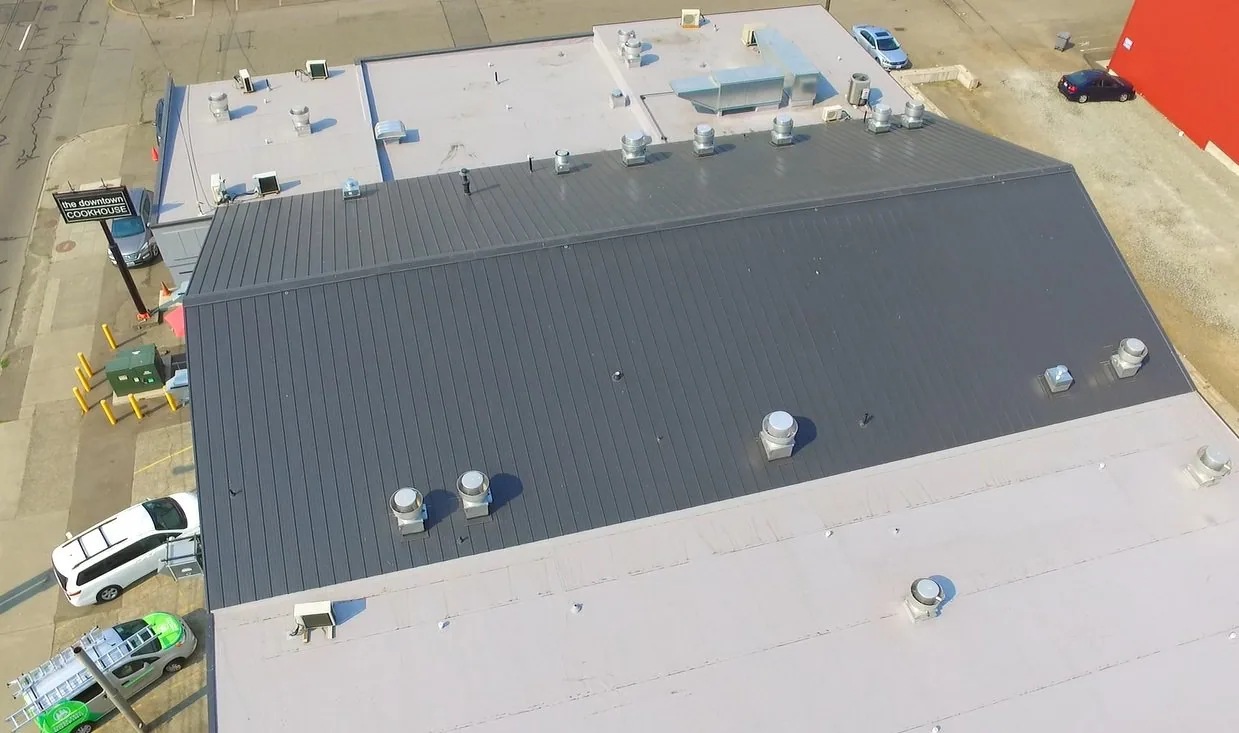
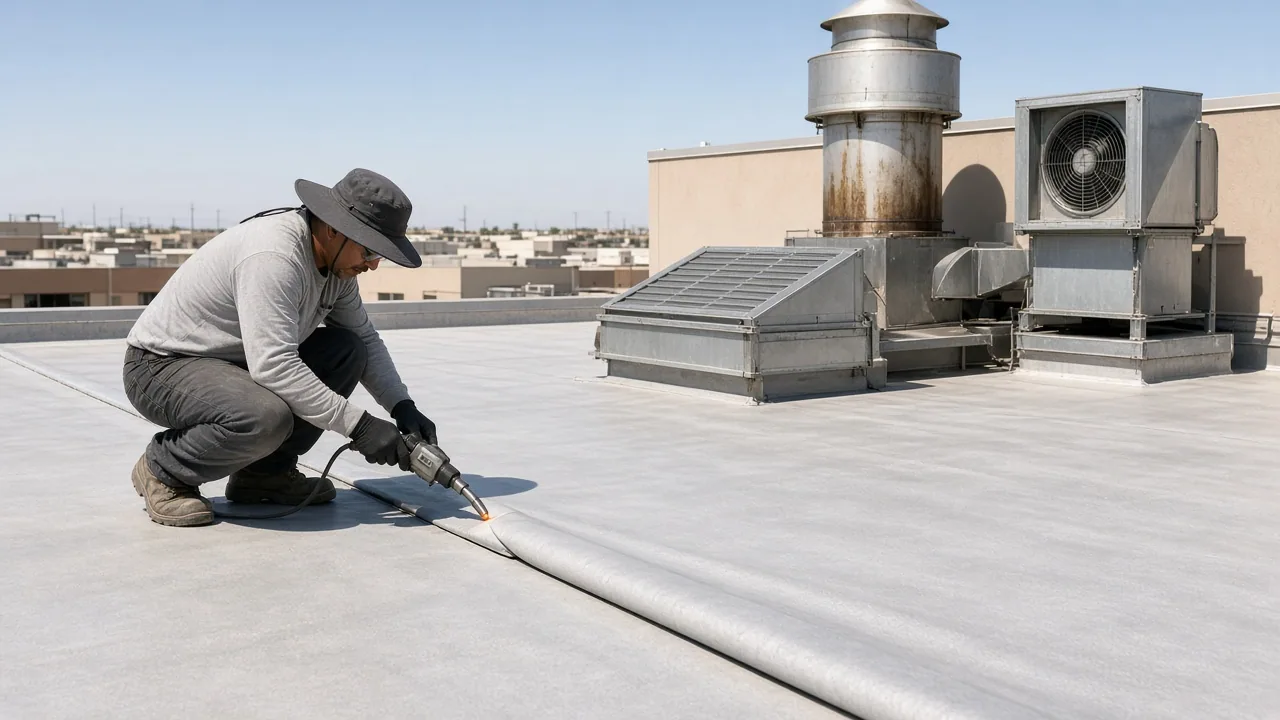
Don't see your roof system? Ask us or call 555-555-5555.

The concealed condition behind the scope

A proposed recover needs to establish whether retained materials are suitable for the new work. A repeated leak may need an examination of how far moisture has moved beyond the visible opening. A replacement comparison may need to distinguish localized removal from broader deterioration. We define that question with the owner because it determines the useful survey boundary and the amount of physical confirmation needed.

Available roof history helps identify layers, partial replacements, and known insulation changes. We compare those records with the accessible construction rather than assuming the assembly is uniform across the building. A roof divided by previous projects may produce different thermal behavior in each area. Those changes belong on the map so a material transition is not mistaken for the boundary of moisture.

Evaluating construction intended to remain beneath a recover combines moisture findings with attachment, compatibility, and the applicable project requirements. A dry survey result alone cannot establish that the retained assembly is suitable. The report identifies which decisions the moisture examination supports and which require another assessment before the owner commits to the work.
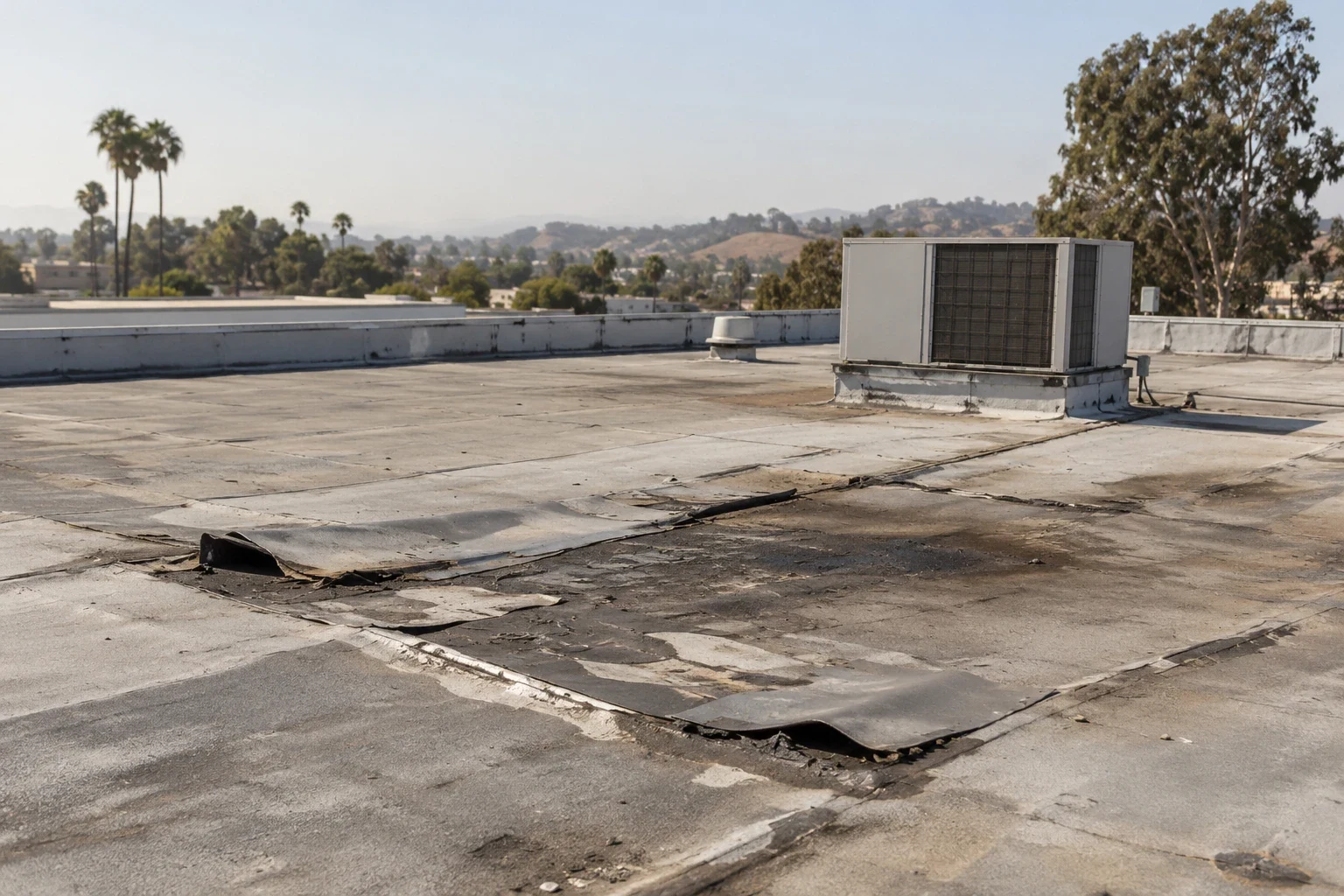
Infrared Moisture Survey

Related Roofing Work

Other pages that cover parts of the same roof question.
Roof leaking now?

Call 555-555-5555 for emergency roof repair in Elk Grove and nearby communities.
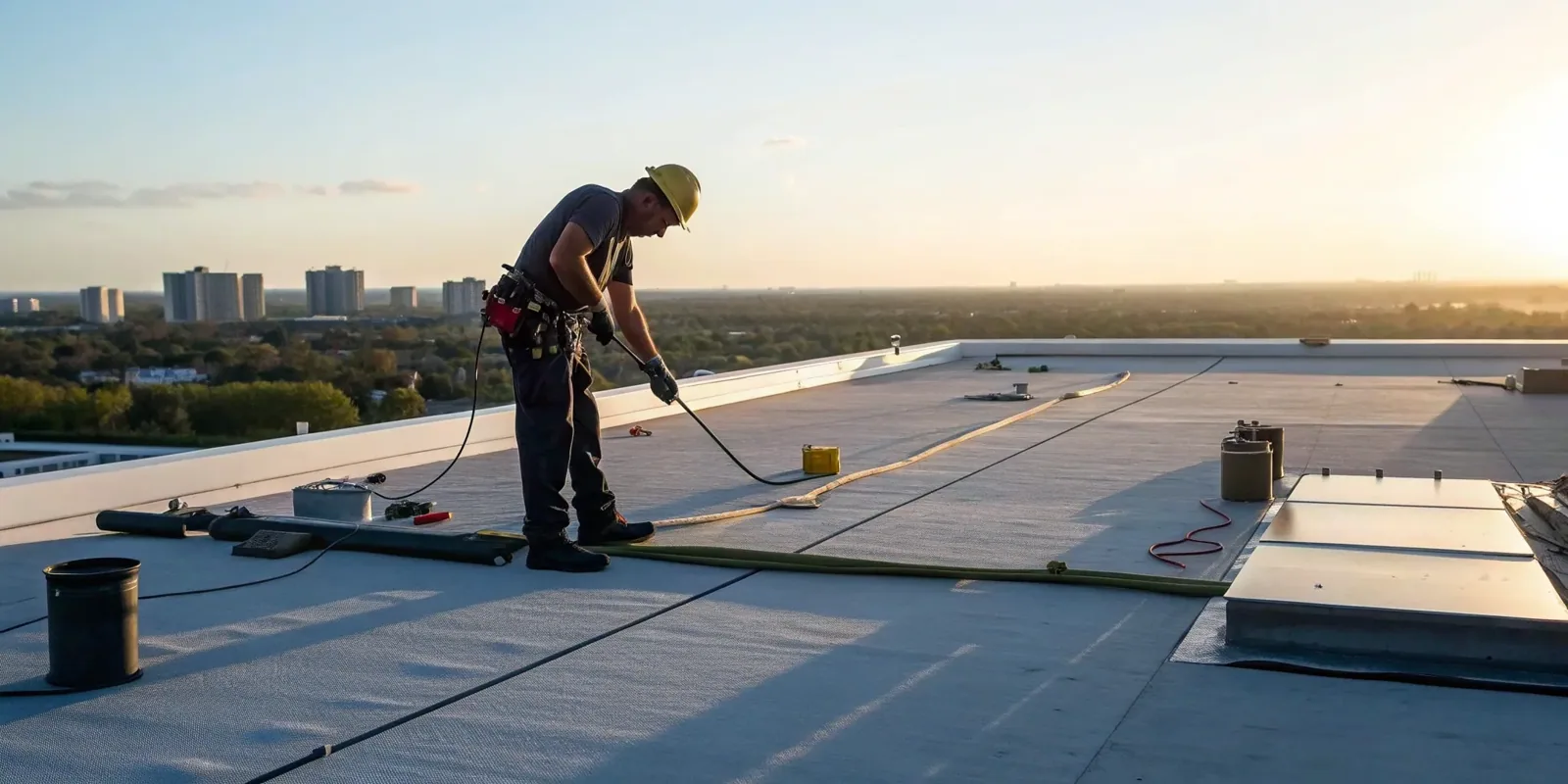
Infrared Moisture Survey

A usable window for thermal contrast

The survey depends on weather, recent rainfall, surface condition, roof construction, and the thermal contrast available during examination. Suitable solar heating followed by cooling can help reveal differences, but the timing must fit the particular assembly. Heavy ballast, reflective surfaces, thick layers, shading, or changing cloud cover may reduce the usefulness of the method. We establish whether the intended question can be answered under the available conditions.

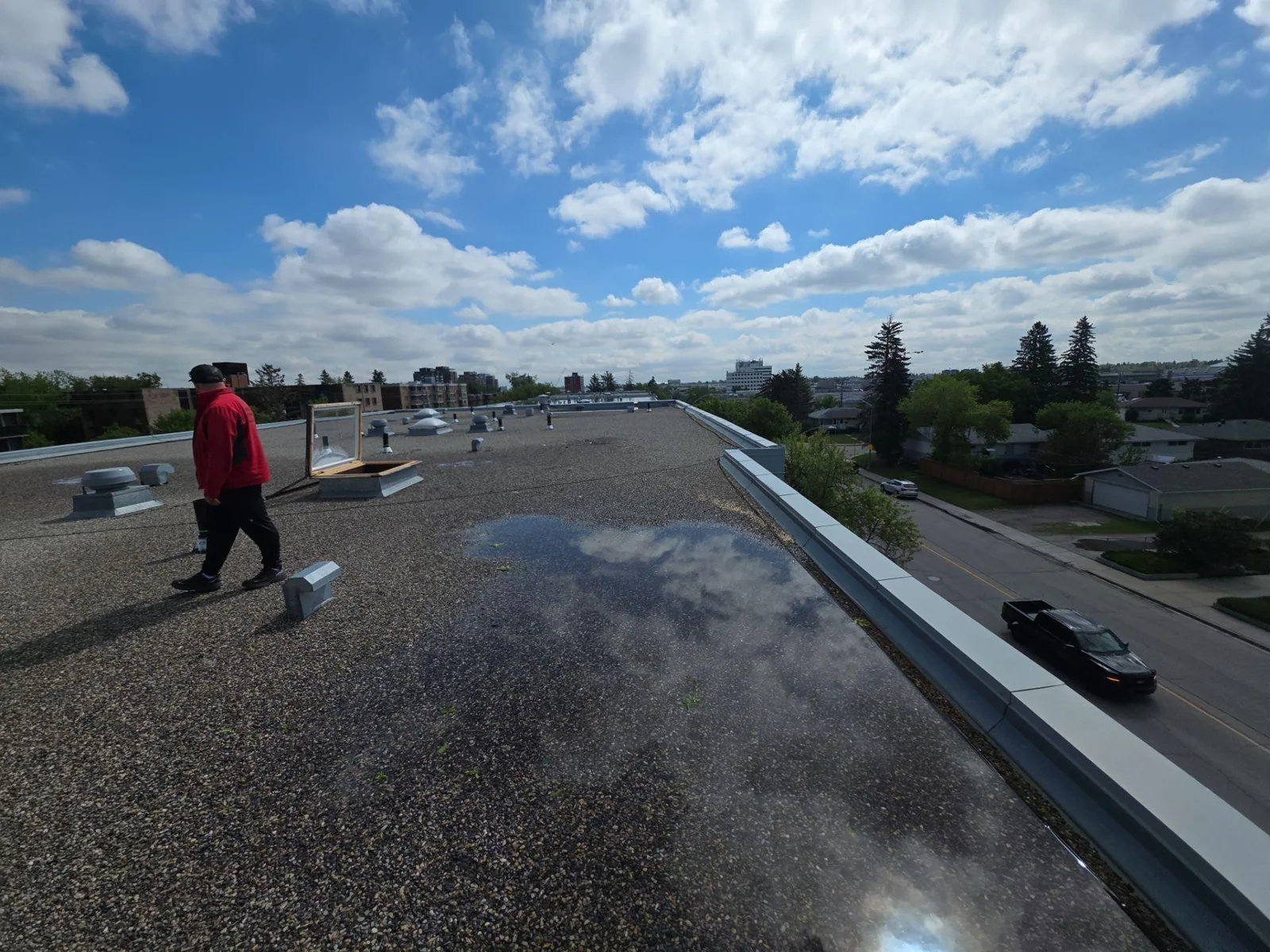
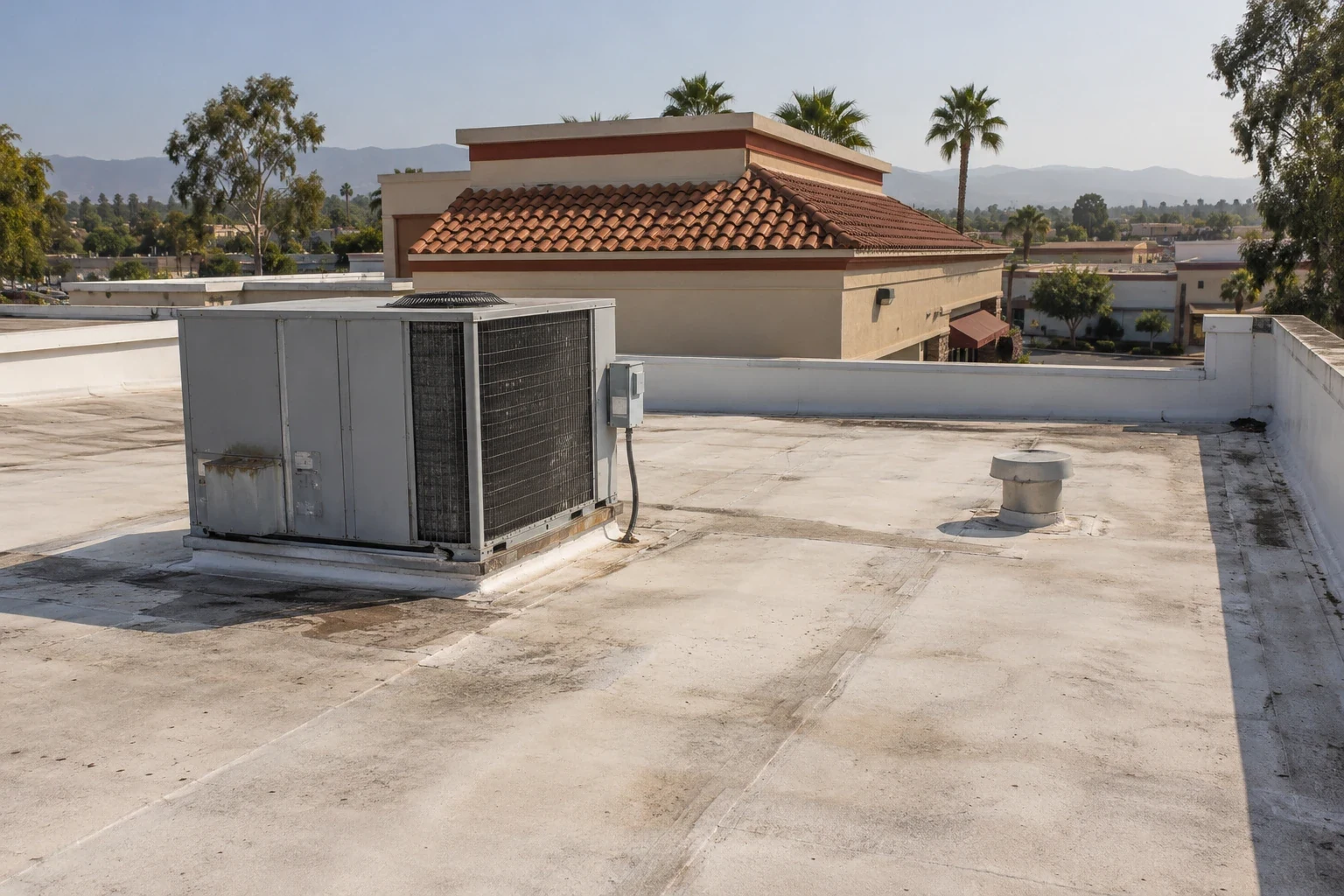
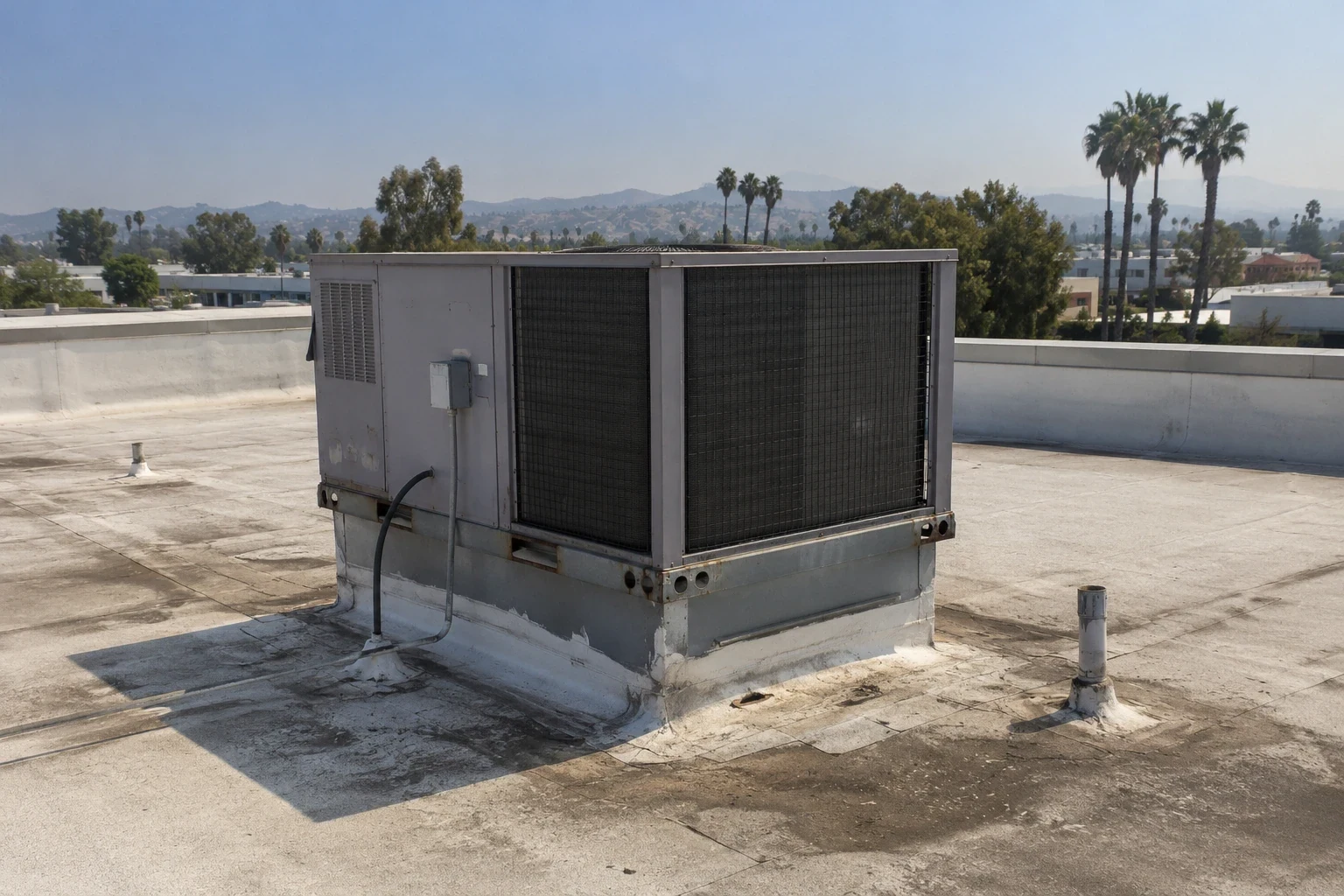
Standing water and recently wet surfaces can complicate interpretation. Equipment exhaust and heat transferred from the occupied space may also produce patterns unrelated to trapped moisture. We record those influences and examine their relationship to the roof layout. An apparent anomaly beneath an operating unit should not automatically become an insulation-removal recommendation.

If contrast is inadequate, the record identifies that limitation rather than classifying the roof as dry. Another visit, targeted openings, or a different moisture-assessment method may be appropriate. A physical roof inspection remains useful for visible failures and construction details even when thermal conditions do not support the planned survey. The owner receives a clear description of the examination actually completed.

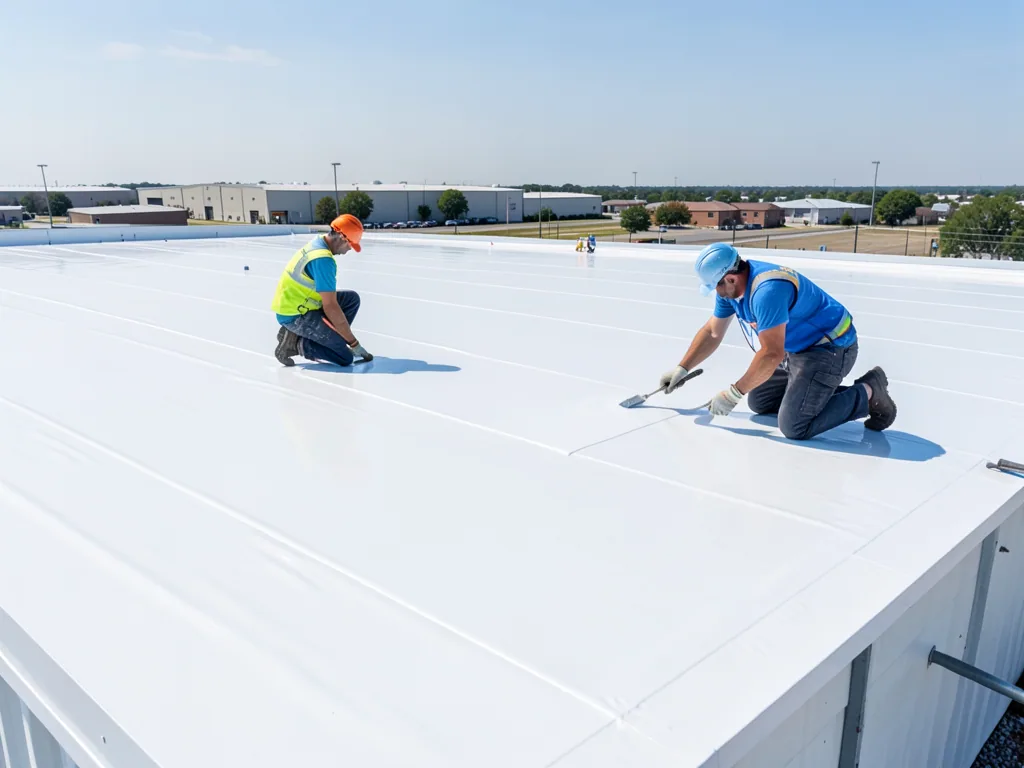
Infrared Moisture Survey

Confirmation within the mapped assembly

Suspect patterns are marked against recognizable roof features so follow-up work can return to the correct position. Selected physical checks can compare the thermal interpretation with actual layer condition. A core opening can identify the assembly and provide direct access to materials, while other measurement methods may help examine suitable construction. Selection depends on the roof, the purpose of testing, and the agreement for intrusive work.

Testing locations should help distinguish suspect areas from comparison areas and clarify the proposed work boundary. A single opening describes its own position; it does not establish the condition of an entire roof. We use the relationship between the pattern, observed layers, and confirmation results to determine whether further examination is needed. Uncertainty remains visible in the scope instead of being concealed within a precise-looking outline.

Each opening requires a compatible weatherproof closure suited to the installed roofing. The inspection includes the receiver around that closure so the test does not leave an unsupported repair. Where the findings lead to work on a modified bitumen assembly, the selected connection must fit the identified layers and condition. The material type is established at the building, not inferred from the survey image.

Infrared Moisture Survey

The building operation around the survey

East Franklin’s established mix includes shopping centers, schools, parks, and housing. At a commercial property in that area, we confirm the actual occupied use and the locations beneath proposed test positions. An East Franklin roof survey needs its access and intrusive work coordinated with that building’s operation. The district description gives context; the inspection supplies the assembly facts.

Old Town Elk Grove contains shops, services, businesses, and restaurants. A survey there may need contact with several occupants to relate roof positions to interior symptoms and working areas. Assessment above an operating restaurant includes coordination around equipment and activities that could influence access or thermal interpretation. We identify those influences from the property rather than treating every commercial roof in the area alike.

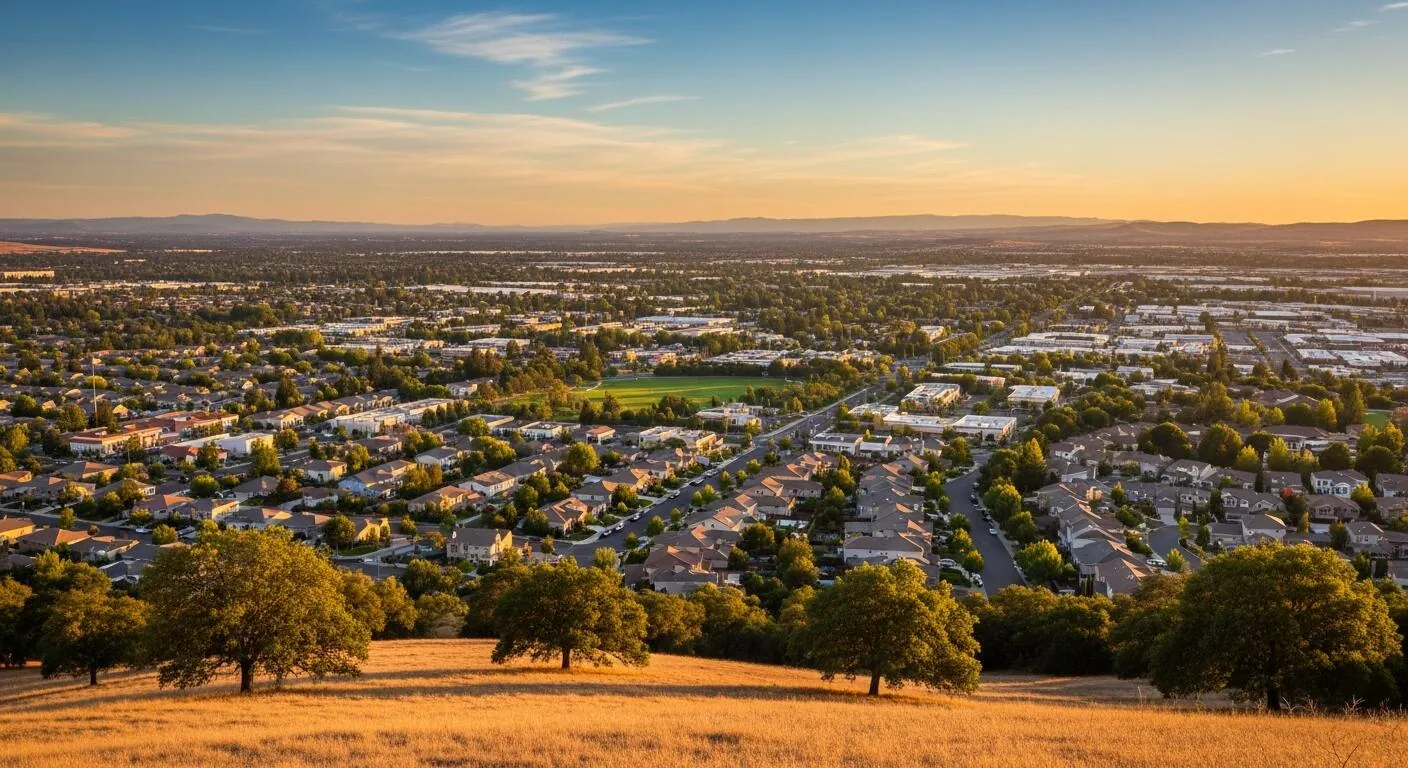
Elk Grove’s Sacramento Valley setting brings hot dry summer conditions and cooler-season rain. Survey timing considers recent weather and the roof’s response on the actual visit, not the season alone. A summer date can still produce unsuitable contrast, and a period without visible leakage can still contain trapped moisture. The observation conditions remain part of how the findings are interpreted.

Infrared Moisture Survey

A condition map that supports defined work

The findings separate observed thermal patterns, confirmation results, and the boundary recommended for further examination or removal. A repair estimate can then identify which wet materials need replacement and how the work connects to serviceable construction. A wider roof investment comparison can consider that scope alongside surface condition, assembly attachment, access, and future building work. Moisture alone does not answer every capital question.

Documented roof findings preserve positions, test information, relevant images, and limitations for the owner and the next contractor examining the assembly. If opened construction reveals a different condition during the project, that finding is recorded and the boundary reviewed. A survey informs the starting scope while allowing actual exposed condition to govern the completed work.

Survey cost changes with roof extent, access, assembly complexity, the number of confirmation positions, and the need for a return under better conditions. We explain those elements when defining the investigation. The owner can choose an examination that resolves the important concealed question and understand what further work remains necessary before a repair or replacement boundary is approved.

Resolve the moisture question before setting the boundary

Arrange a survey review with the roof history, proposed work, and known water symptoms. We will define useful thermal examination and the confirmation needed for a supported scope decision.

Call 555-555-5555 or email [email protected].

Questions About Infrared Moisture Survey

Does every warm thermal area contain wet insulation?

Temperature differences can arise from materials, equipment, shading, or other influences. The pattern is interpreted with roof construction and appropriate confirmation before it becomes a removal recommendation.

Can the survey be completed while rain is falling?

Active rain and wet surfaces can undermine the required contrast. We assess field conditions and select a suitable survey window or another examination method for the question.

Are core openings always needed after imaging?

The assembly and intended decision determine the confirmation method. Where concealed layers or moisture would change the scope, physical checks may be needed before those conditions are relied upon.

Will the map establish the exact removal limit in advance?

It supports an initial boundary with stated confidence and limitations. Exposed construction during work may reveal different conditions, requiring the removal boundary to be reviewed and documented.

ServicesRoof SystemsIndustriesProperty TypesService AreasDamage RepairCapabilitiesManufacturersContactAboutRequest a Roof Assessment555-555-5555
Call555-555-5555