Commercial Roof Maintenance in Elk Grove, CA

Plan Elk Grove roof maintenance from drain conditions, seam wear, equipment traffic, and prior repairs, with clear priorities before cool-season rain.

Commercial Roofing Services  /  Call 555-555-5555

Commercial Roof Maintenance at a Glance

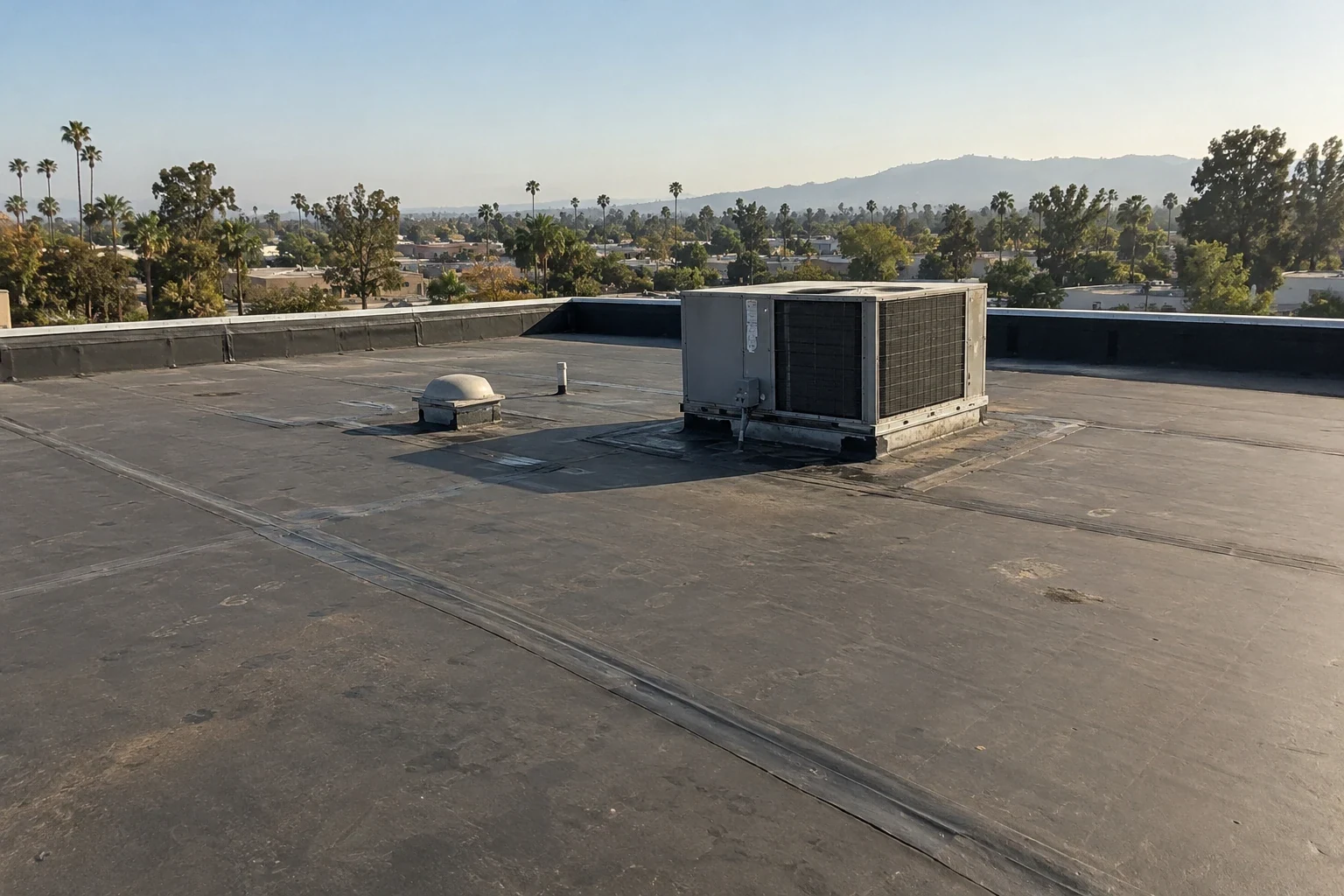
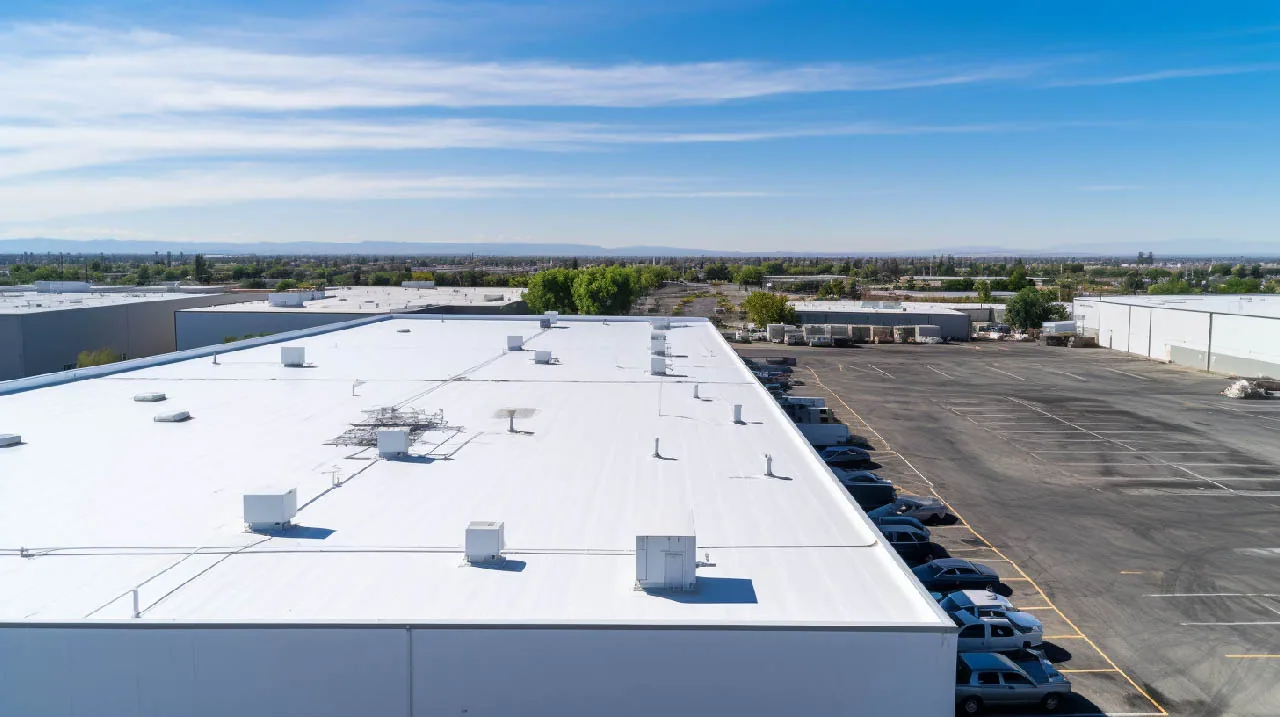
Debris pressed against a drain strainer can leave an otherwise serviceable roof exposed to the next rainfall. Preventive roof maintenance in Elk Grove, CA begins with the condition that could interrupt building use, then examines the related seams, flashing, equipment paths, and earlier corrections. Commercial Roofing Elk Grove separates cleaning and contained repairs from defects that require testing or a larger scope decision. The visit should change the work queue, not merely add another inspection date.

Summer dryness across the Sacramento Valley gives way to rain in the cooler months. That transition makes outlet condition and open details useful maintenance priorities, while regional heat planning affects the practical window for outdoor work. We set the sequence from the actual roof assembly and operating schedule. A seasonal appointment is useful when it reaches the details that need attention.

Review the roof care priorities

Arrange a maintenance review with outlet history, equipment changes, roof drawings, and access restrictions available. We will compare current defects with the repair allowance and identify the next useful work phase.

Request a roof assessment or call 555-555-5555.

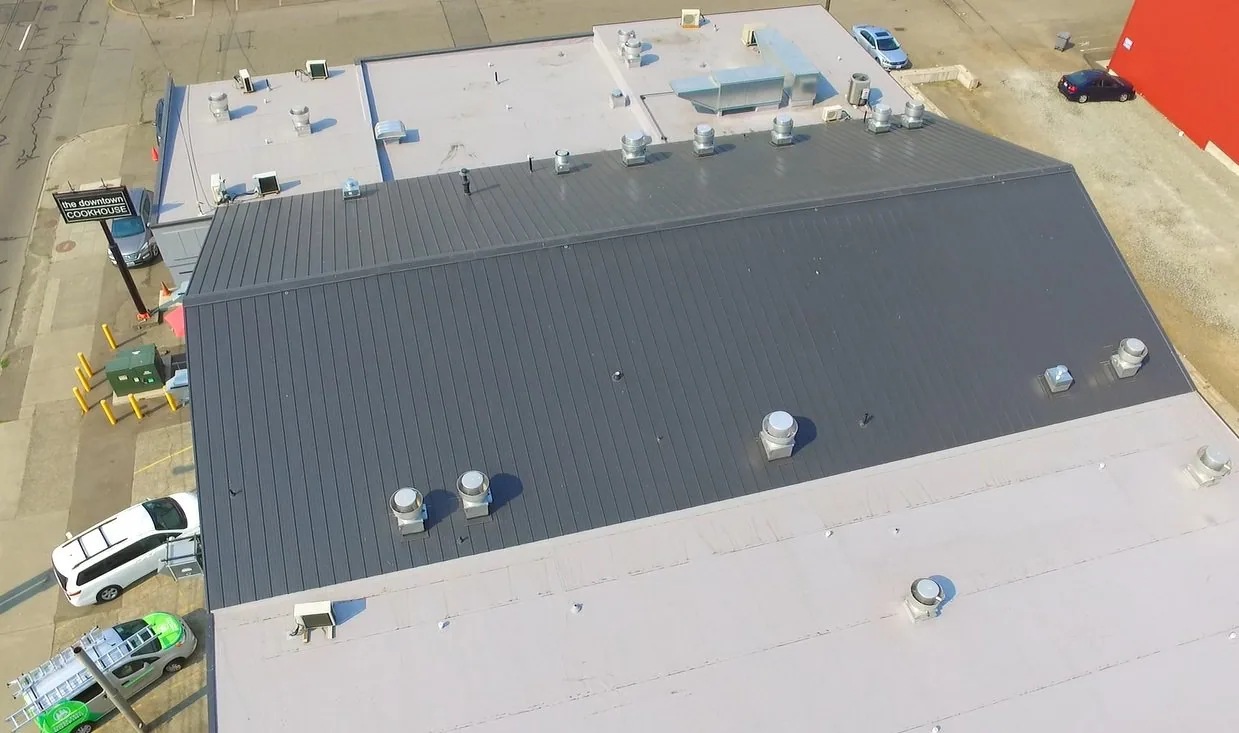
The right system depends on the roof deck, drainage, insulation, rooftop equipment and how the building is used. These are the systems we install, repair and maintain around Elk Grove.
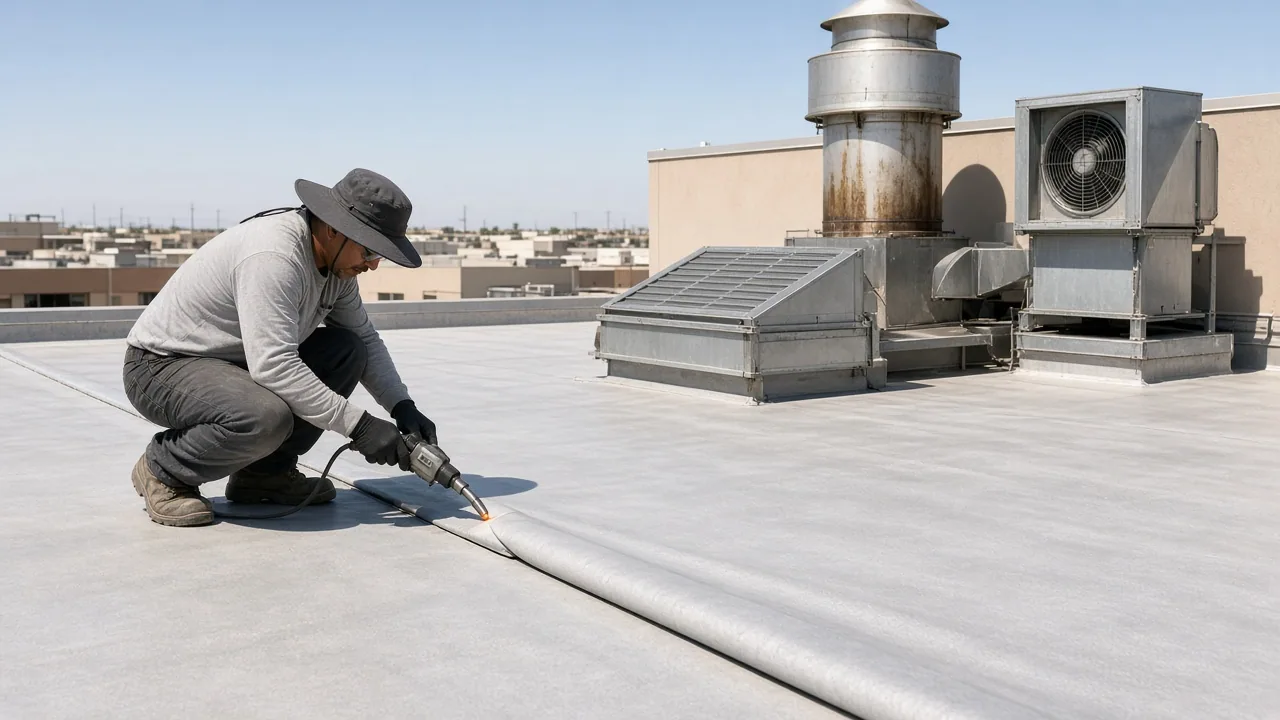
Don't see your roof system? Ask us or call 555-555-5555.

Drainage before surface treatment

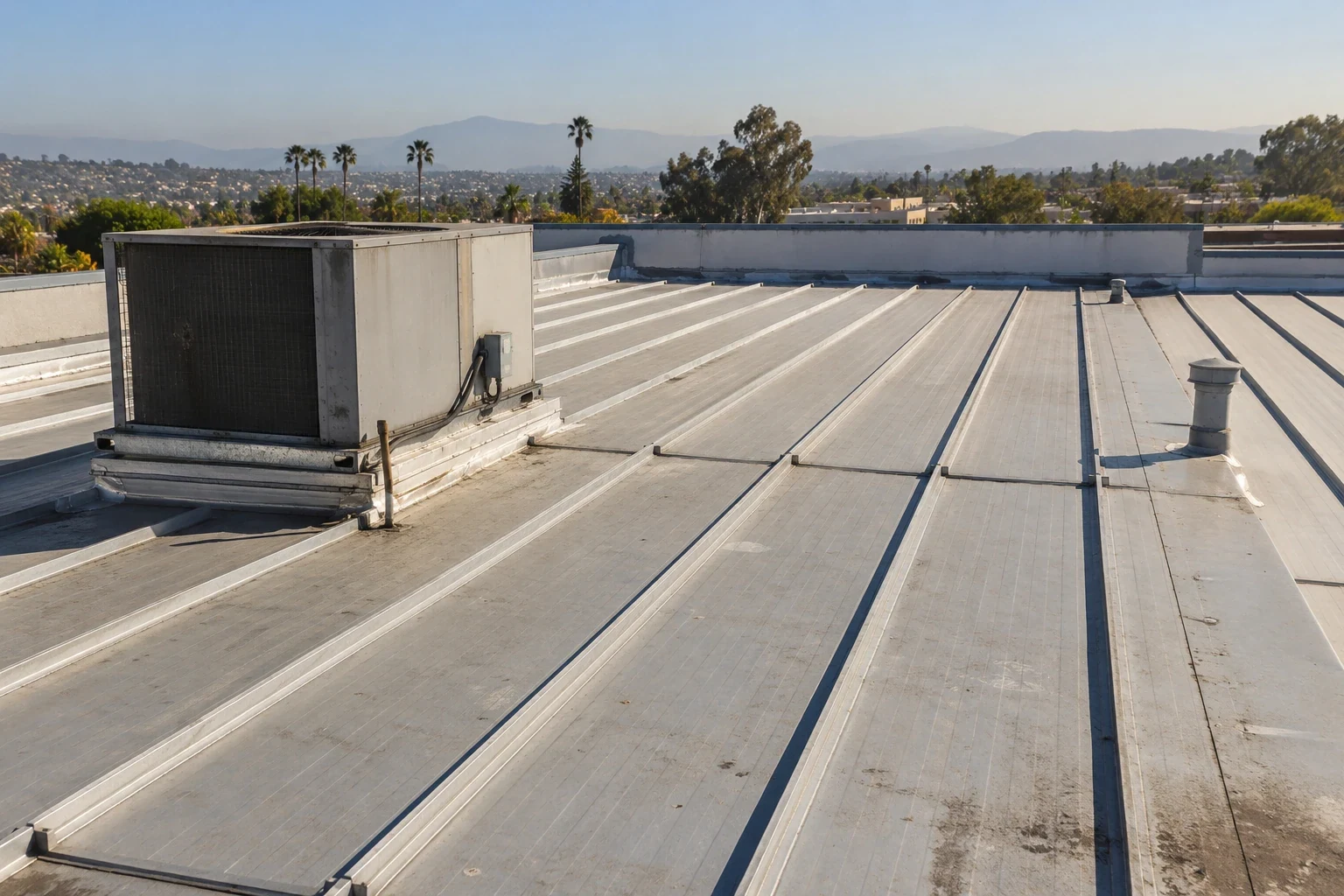
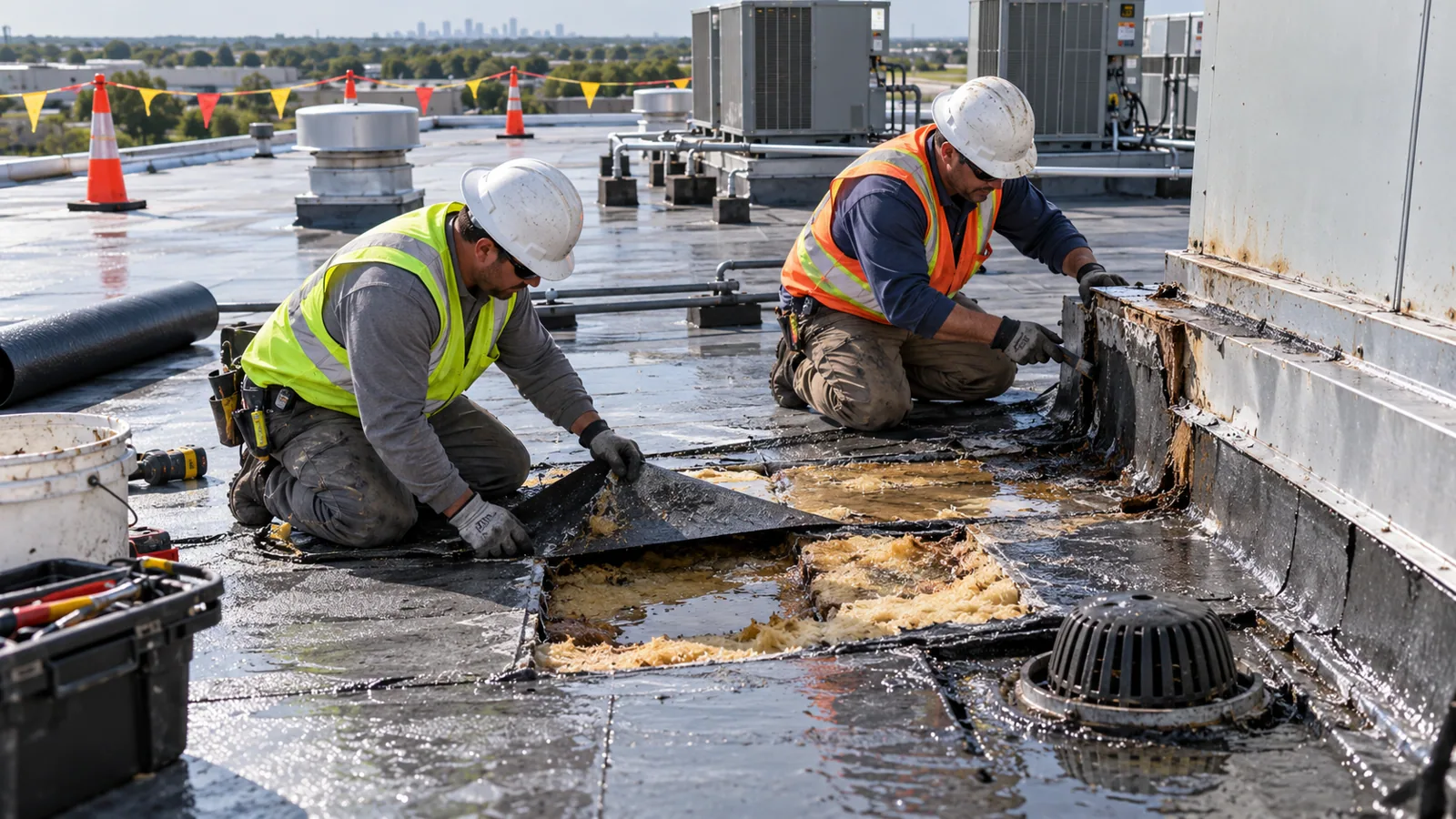
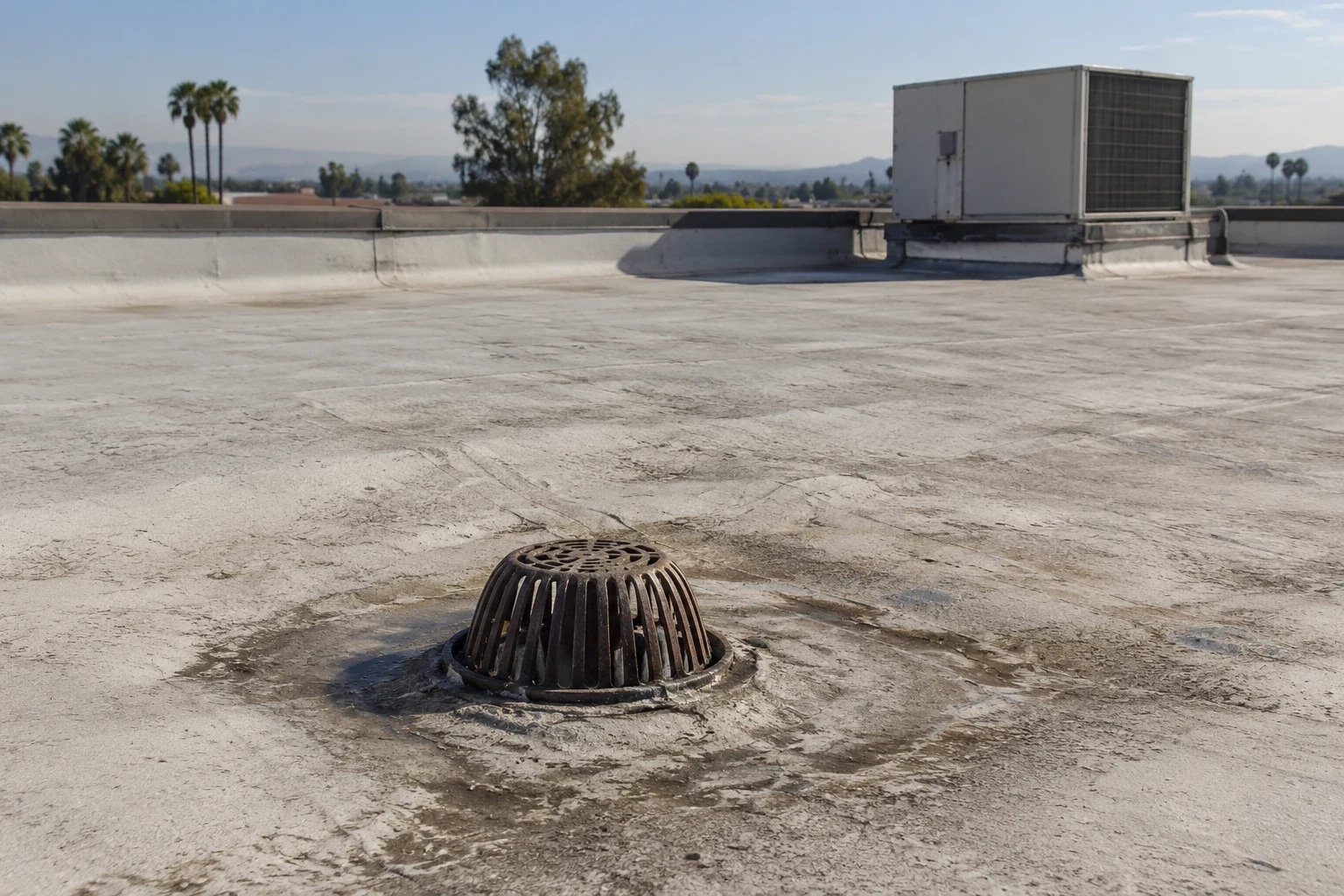
A clear basket does not settle a low area beside the outlet. We examine the inlet, surrounding membrane, scupper throat, gutter, and visible discharge route, then compare retained water with the roof plane. Cleaning can restore flow where debris is the restriction; compressed insulation, a fitting set too high, or deck movement requires a different correction. Sediment lines and photographs help distinguish a recurring obstruction from water held by the assembly itself.

Our maintenance of drains and scupper connections identifies which outlets were cleared and which need repair. Where a downstream pipe is concealed, we identify the plumbing review needed rather than describing roof cleaning as a completed pipe correction. Overflow openings also remain part of the examination. The maintenance boundary follows the complete visible route, including the point where water should leave the building.

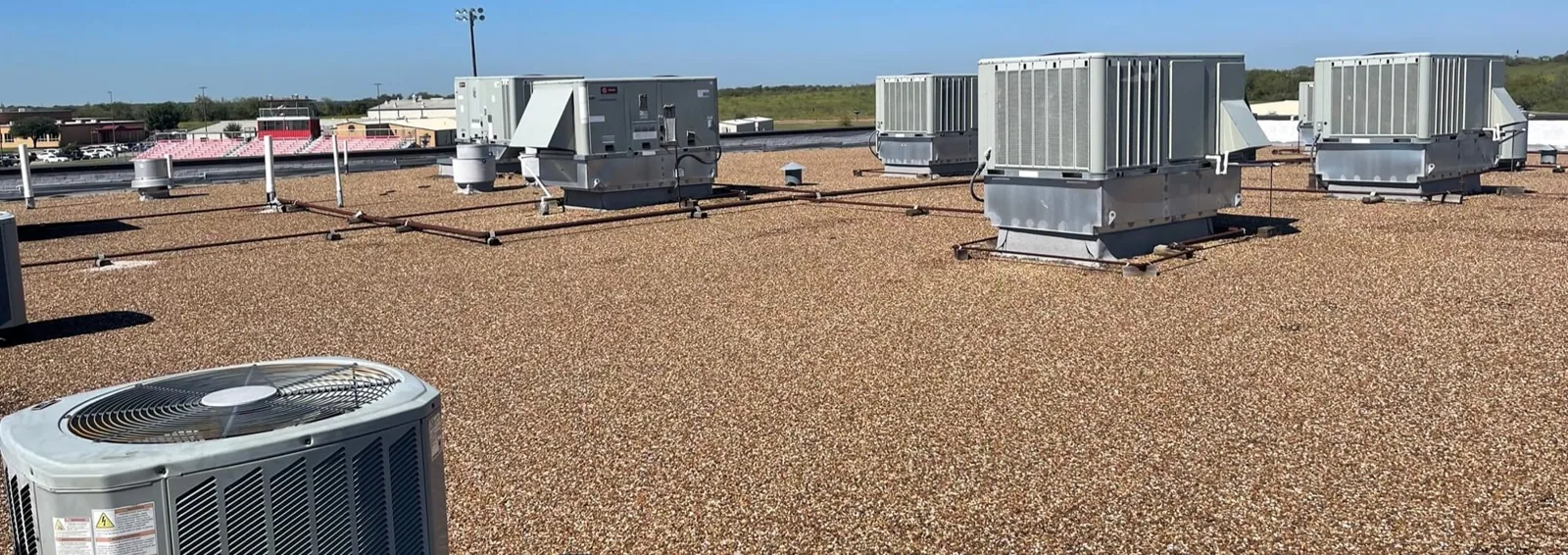
Outlets near equipment deserve particular attention after service activity. Packaging, removed screws, hoses, or a shifted support can change the route without damaging the broad membrane field. We connect the obstruction to its roof position and identify a practical correction before the next wet period.
Commercial Roof Maintenance

Related Roofing Work

Other pages that cover parts of the same roof question.
Roof leaking now?

Call 555-555-5555 for emergency roof repair in Elk Grove and nearby communities.
Commercial Roof Maintenance

Small defects with usable repair receivers

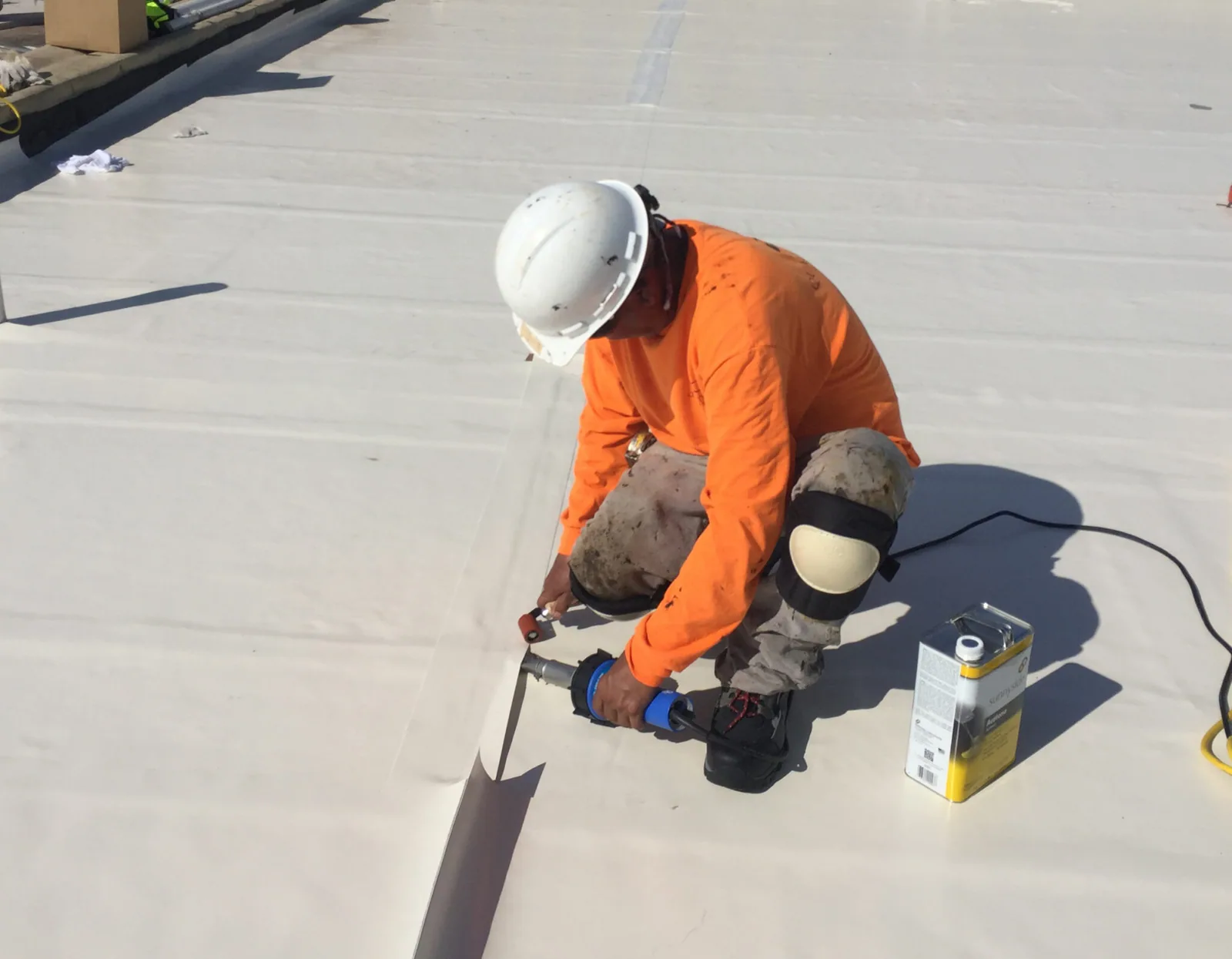
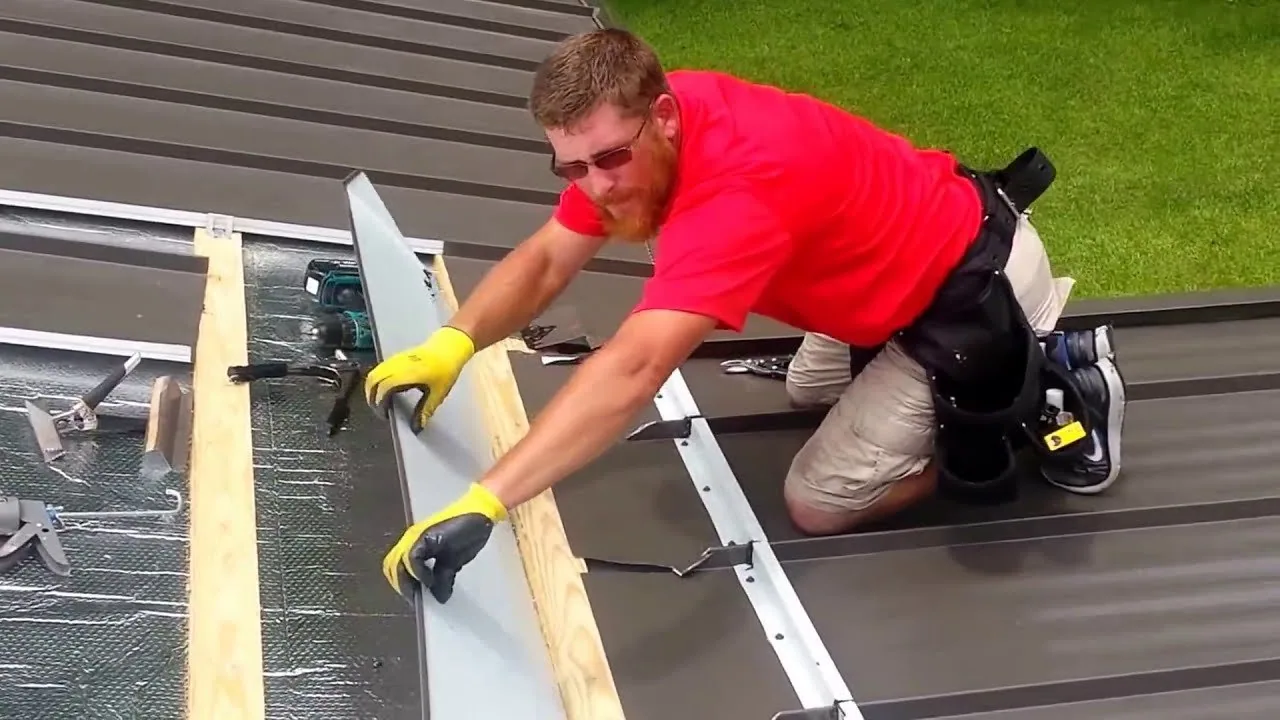
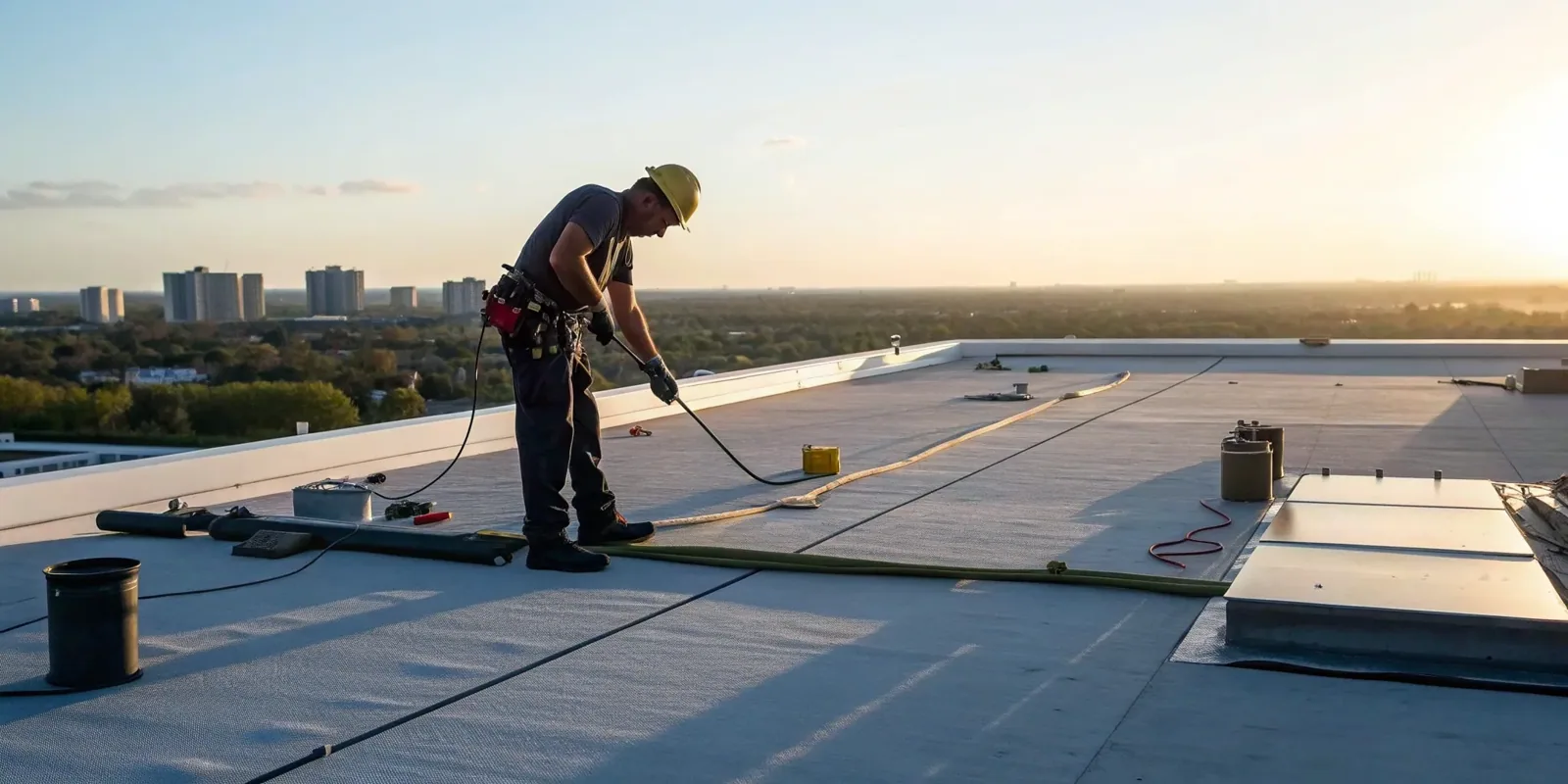
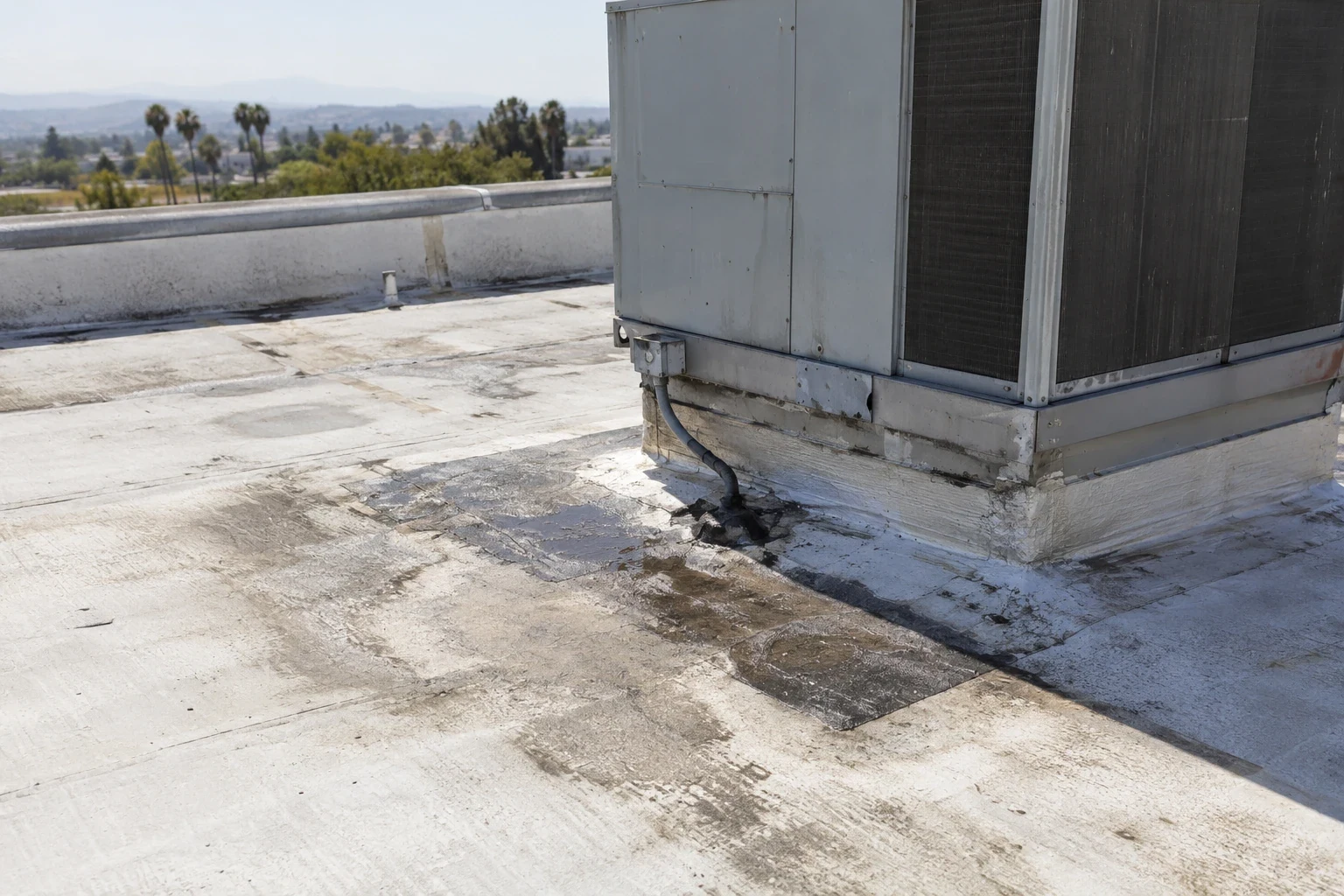
A lifted lap or worn curb corner can remain a contained repair when nearby material is attached and suitable for preparation. We check the receiving surface, old patches, termination, and movement at the connection before selecting material. A maintenance allowance should not silently become a coating over every weathered detail. The correction needs to reach sound construction and address the opening identified during the walk.

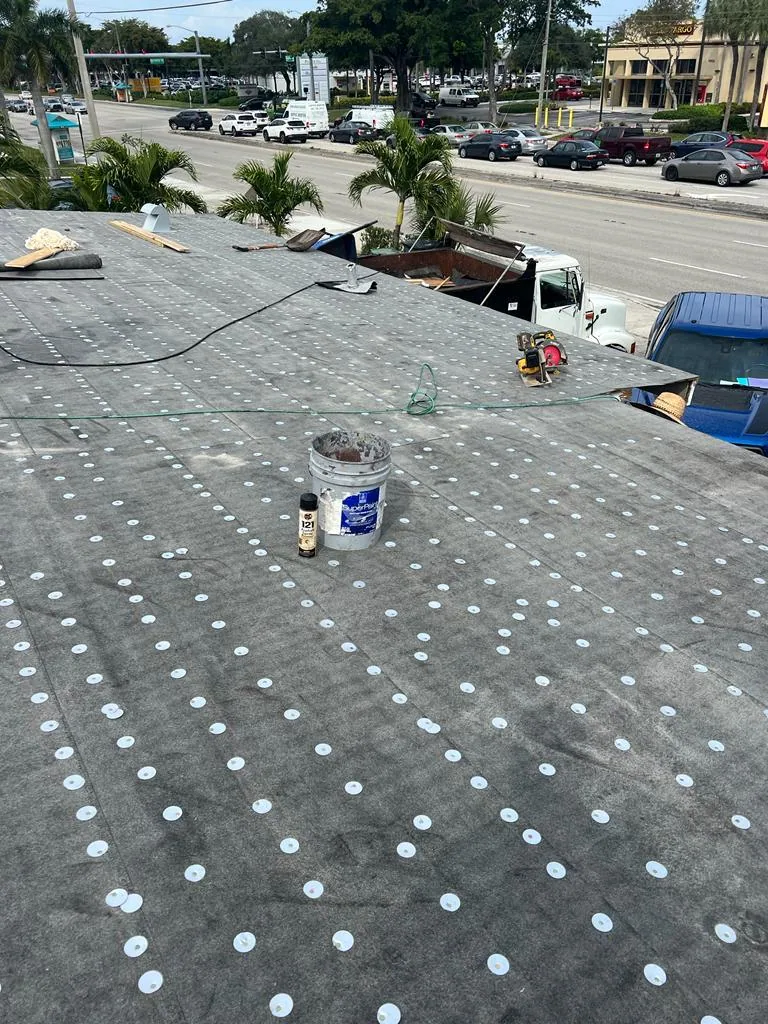
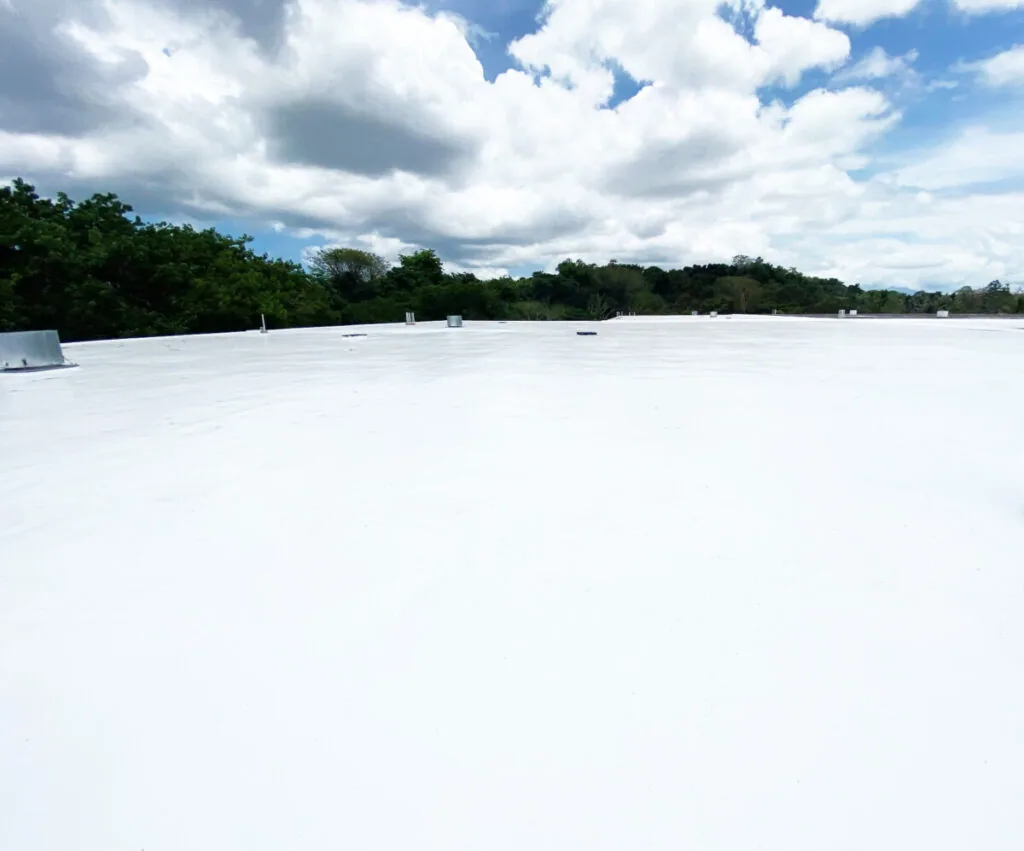
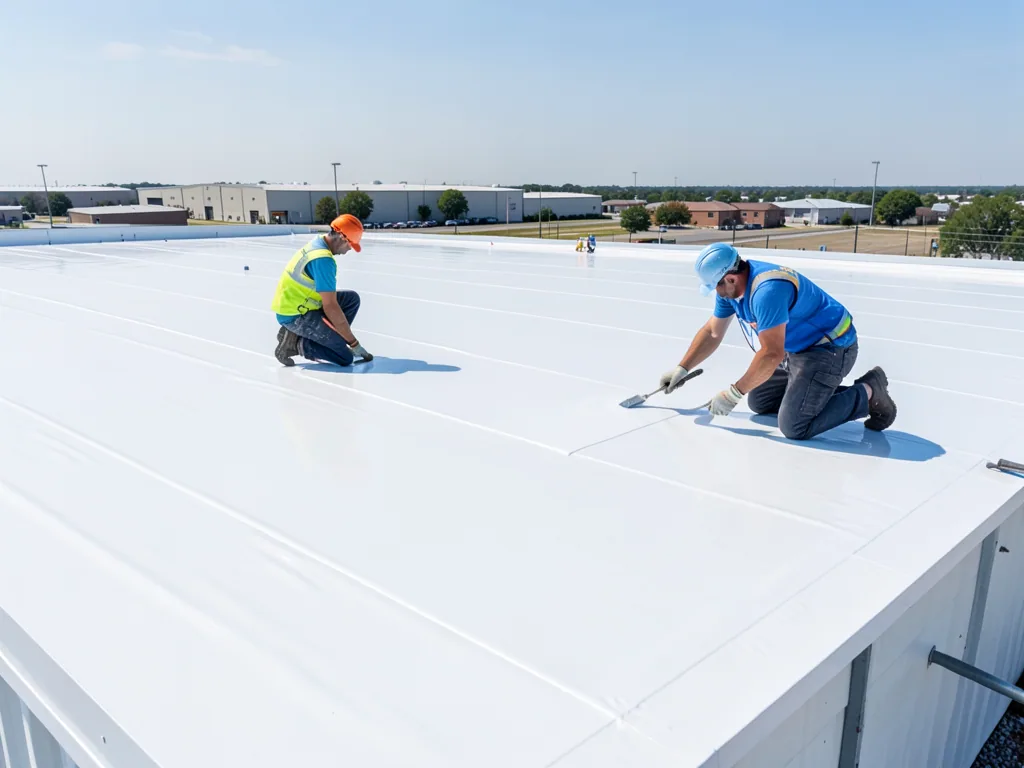
Welded sheets, rubber membranes, bituminous roofing, and metal panels require different preparation. A defined repair of a maintenance defect states the method and included boundary, while a modified bitumen lap correction also considers the underlying plies and their condition. Material identification matters even where the visible defect is small. We retain uncertain compatibility as a question until records or examination settle it.

Soft areas, repeated blisters, or a repair that opens again can justify moisture investigation. We explain what a sample would change before asking to disturb the assembly. Temporary protection and permanent correction receive separate completion records where the weather or substrate prevents both during one appointment.

A temporary weather seal needs a named inspection point if permanent material cannot be installed during the visit. We identify the detail protected, the limits of that measure, and the surface condition needed for completion. An active leak during the maintenance cycle can be assessed outside normal working hours, including weekends and holidays, with safe access established first. The operating contact should know which roof position to report if water returns. That position also lets the next crew examine the protected detail without treating the whole roof as repaired by an interim measure.

Commercial Roof Maintenance

Access that reaches the required roof zones

A locked hatch or occupied equipment platform can leave the highest-priority detail outside the maintenance walk. The operating contact identifies those restrictions before scheduling, including which unit needs a mechanical escort and which interior space sits below any proposed opening. We show the excluded position and its next access requirement so it does not disappear within a general statement that the property was maintained.

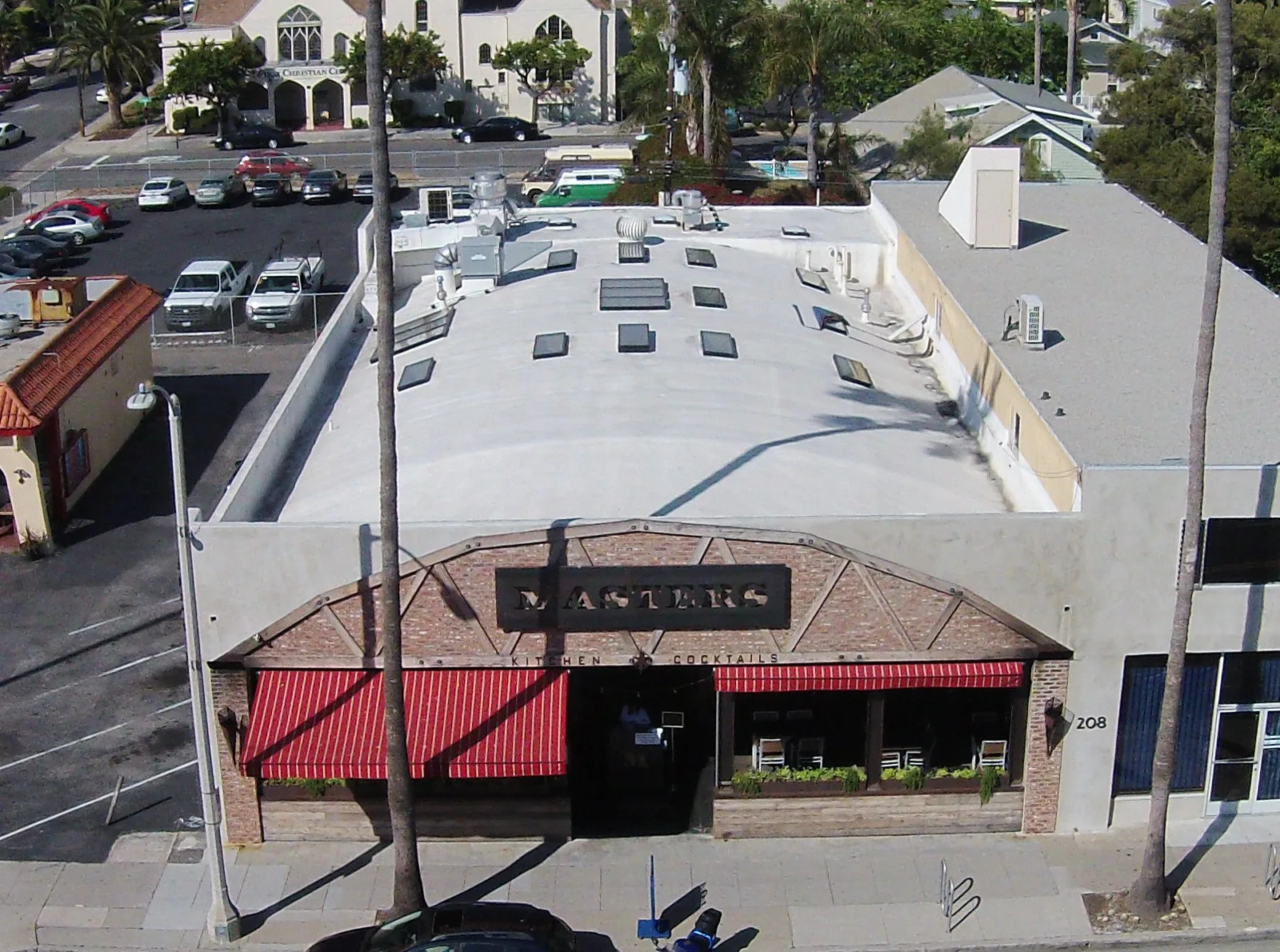
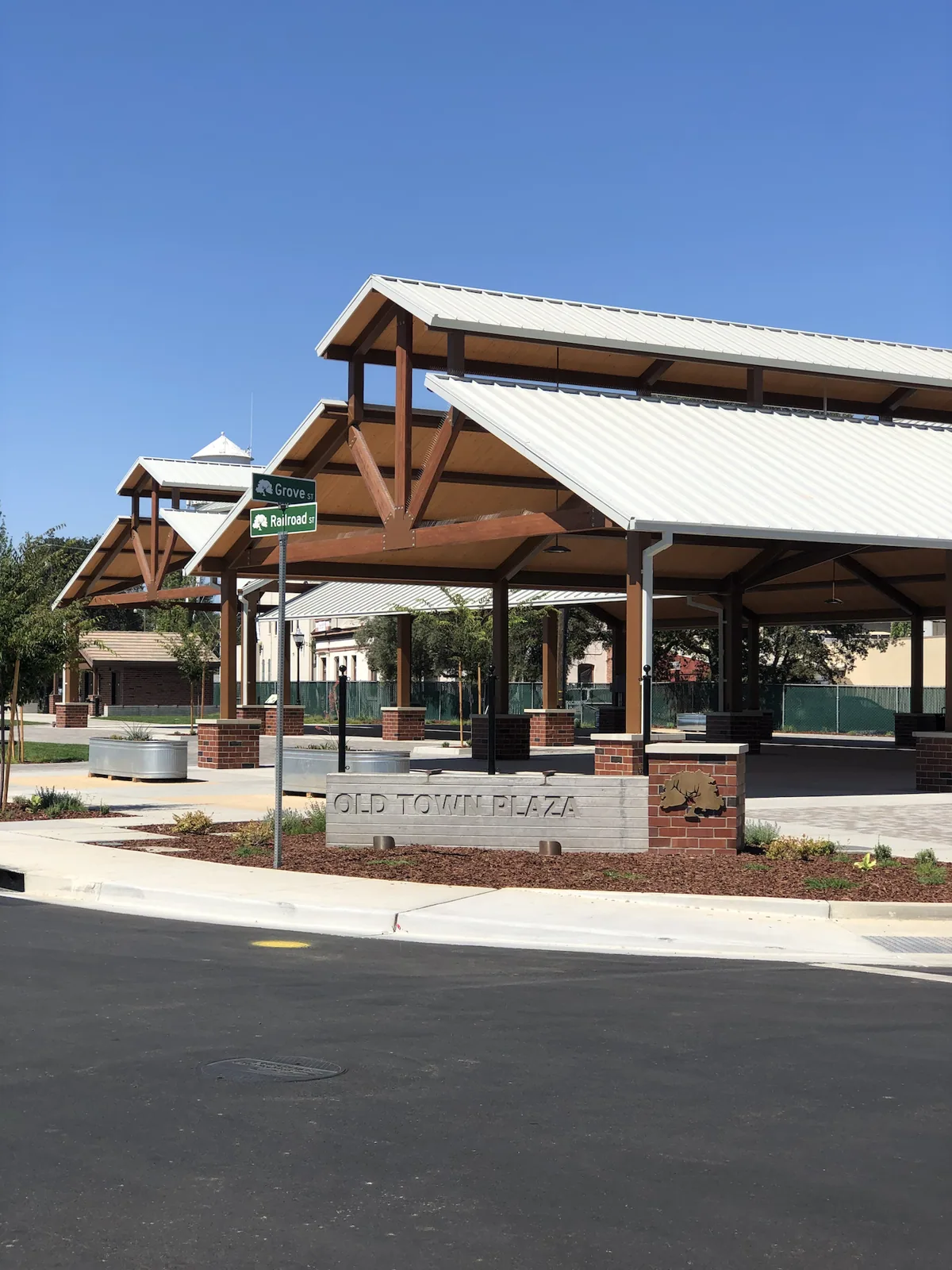
Old Town Elk Grove contains shops, services, and restaurants, creating maintenance appointments where deliveries and public entrances need to remain usable. For an Old Town business roof, we establish the actual tool route and working hours with the building contact. Laguna West Business Park is another named commercial setting in the city inventory. A roof visit there still needs its equipment schedule and access permissions confirmed before repairs are grouped into one work phase.

Material handling should stay clear of vulnerable seams and completed flashing. We identify a service path and reasonable protection where routine equipment traffic crosses those details. The roof remains in use between maintenance visits, so the route used by other trades belongs in the care decision.

Commercial Roof Maintenance

Maintenance linked to the capital window

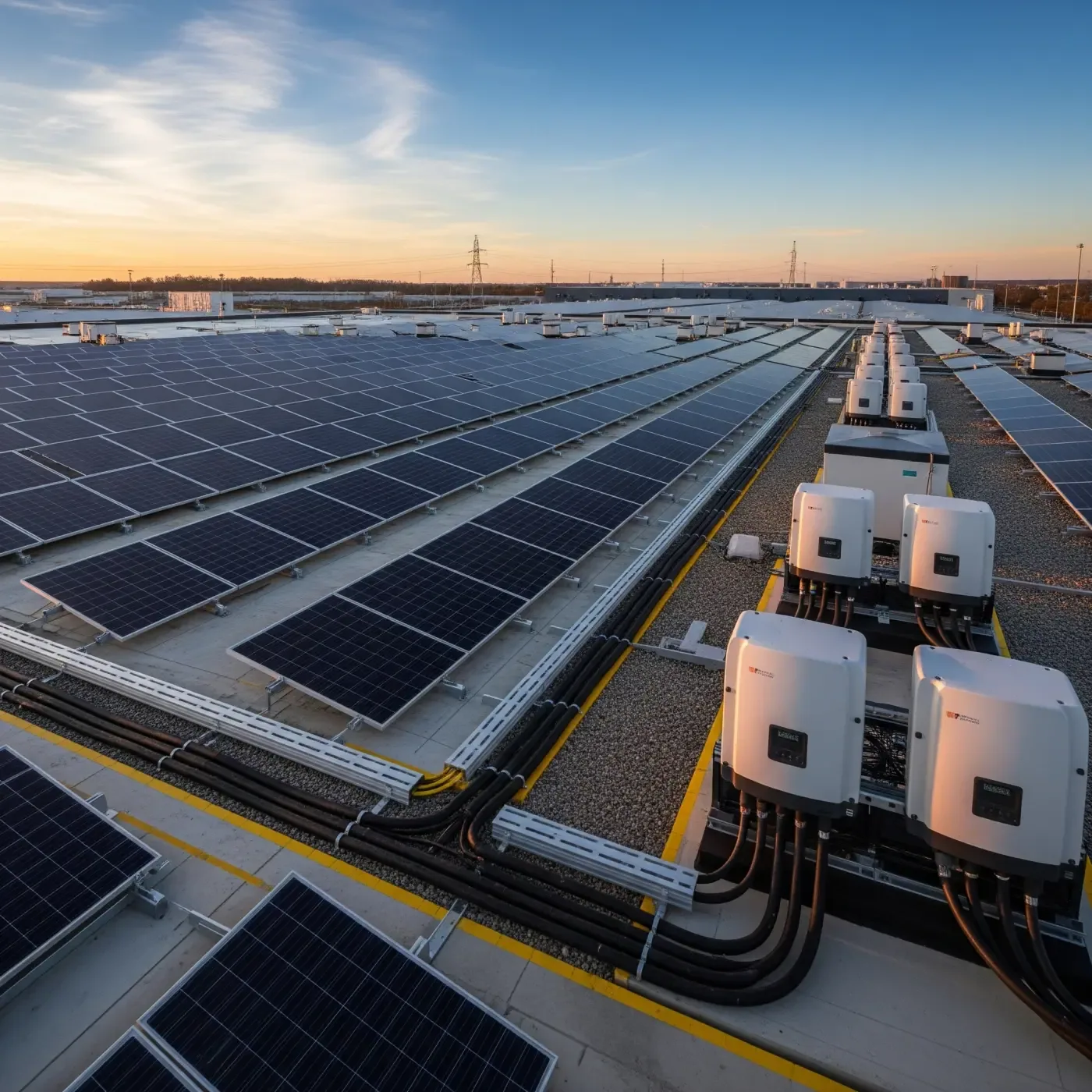
Several isolated defects in otherwise stable roofing differ from repeated failure across connected zones. We mark the distribution of openings, previous corrections, and any suspected wet layers so the owner can compare continued maintenance with a wider investigation. A useful visit distinguishes a repair that preserves serviceability from a temporary measure awaiting renewal. That distinction supports the next scope decision without assigning an unsupported remaining-life date.

A roof condition history for the operating asset keeps those positions and return observations together. Where several repairs depend on the same deteriorated receiver, the comparison can move into planning a roof capital window. Cleaning and detail correction can continue within a defined allowance while the larger work is assessed. The owner should see which findings make that broader review necessary.

Cost and timing depend on access, material identification, the number of separated details, and whether concealed examination is needed. We describe those drivers at the affected locations. Combining visits can reduce repeated access arrangements, but it should not combine unrelated defects into an undefined repair quantity.

Commercial Roof Maintenance

A record usable at the next visit

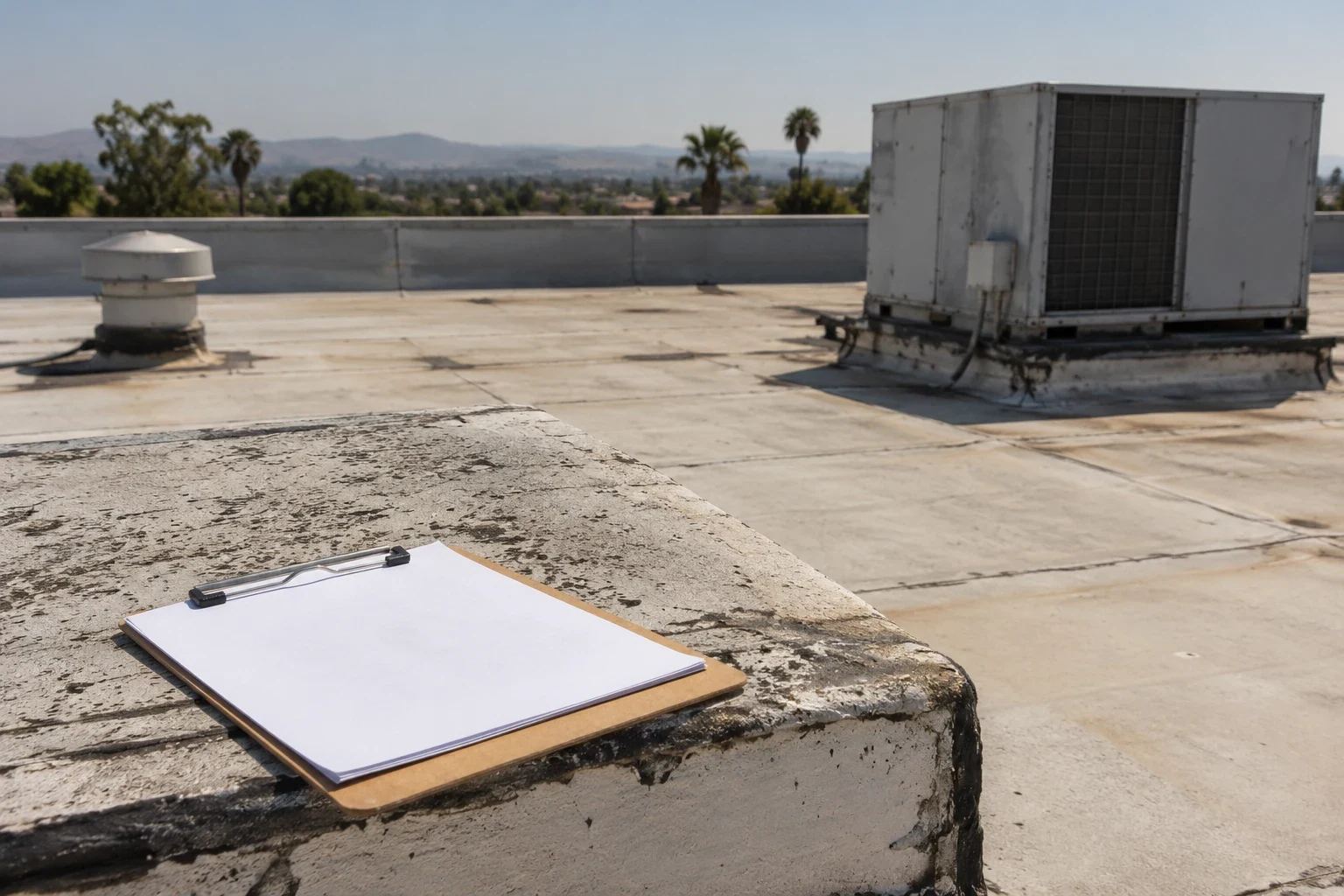
The maintenance handoff identifies the areas reached, outlets serviced, repairs installed, and conditions remaining for testing or another trade. Photographs include enough surrounding construction to locate the same detail later. A completed cleanout and an unresolved low plane remain different items. The operating team can then compare the next water report with the actual work instead of repeating a correction that did not address its cause.

Retain the membrane information and relevant product requirements with the roof plan. Equipment replacement, new conduit, or a changed walkway should be added when it alters a maintained detail. At the return appointment we compare those changes with the prior repair boundary and examine the affected connection. Continued care works through those specific observations, with the inspection interval adjusted to the condition that remains.

Review the roof care priorities

Arrange a maintenance review with outlet history, equipment changes, roof drawings, and access restrictions available. We will compare current defects with the repair allowance and identify the next useful work phase.

Call 555-555-5555 or email [email protected].

Questions About Commercial Roof Maintenance

Should a clear outlet still receive attention where water remains beside it?

Yes. We examine the roof plane and fitting elevation after clearing the inlet. A low area may need insulation or slope work rather than repeated debris removal.

Can the maintenance allowance include a lifted membrane lap?

A contained correction can be included after material, receiver condition, and the approved boundary are established. Wet layers or movement may require separate investigation.

How should an inaccessible equipment zone appear in the handoff?

Identify its roof position, why access stopped, and the appointment or trade support needed to finish the examination. It remains open until that work is completed.

Which finding moves maintenance into renewal planning?

Recurring defects sharing unsuitable layers or a deteriorated connection justify comparing wider work. We document that pattern and identify testing that could change the proposed extent.

ServicesRoof SystemsIndustriesProperty TypesService AreasDamage RepairCapabilitiesManufacturersContactAboutRequest a Roof Assessment555-555-5555
Call555-555-5555