Commercial Roofing in North Vineyard Station, Sacramento County, CA

Review North Vineyard Station commercial roofing with measured assembly boundaries, roof access planning, drainage and support checks, and complete work scopes.

Service Areas  /  Call 555-555-5555

North Vineyard Station at a Glance

Commercial roof work in North Vineyard Station, Sacramento County, CA needs the proposed construction or existing failure located within a defined assembly. A plan drawing can begin that review, but roof dimensions, equipment, and retained layers determine what the work actually receives. Commercial Roofing Elk Grove examines those relationships before choosing repair or installation boundaries. The useful scope gives each connection a suitable receiver and an achievable sequence.

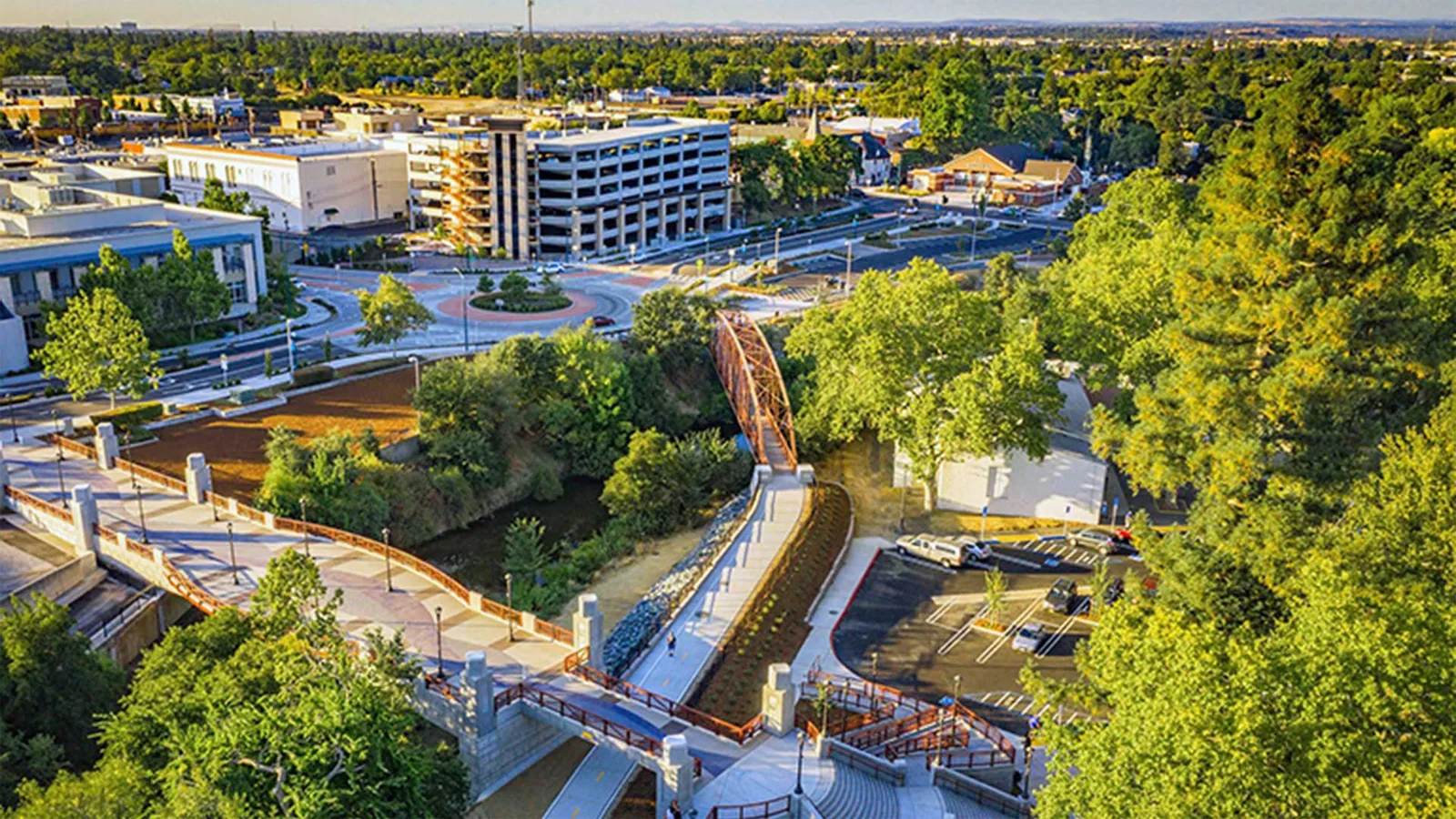
North Vineyard Station is a Sacramento County specific-plan area near Elk Grove, with adopted standards across a broad planned community and ties to the Bradshaw, Florin, and Gerber road network. Proposed roofing can be coordinated within that project framework, while an existing building needs its own condition assessment. We establish the assigned roof and work question before material selection or mobilization.

Give the North Vineyard Station roof a defined boundary

Bring the proposed construction or known failure positions to a review. We will assess the measured assembly and connect its receiver requirements to a workable roof phase.

Request a roof assessment or call 555-555-5555.

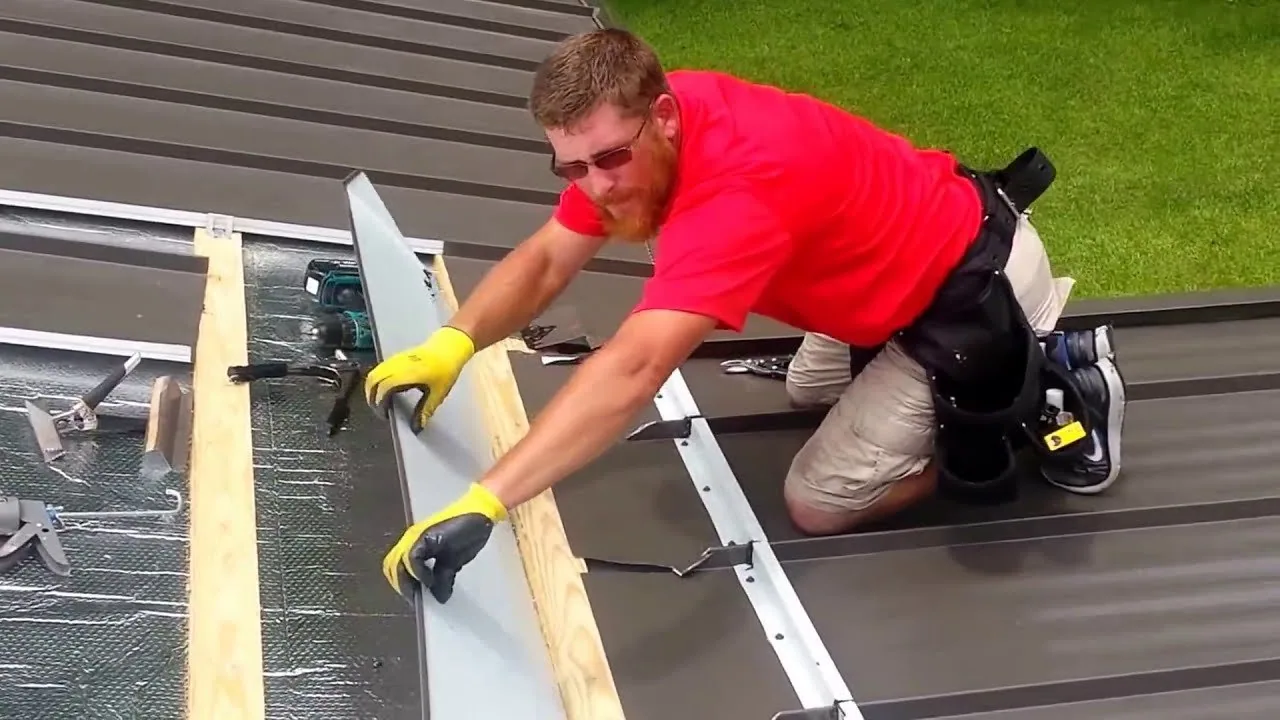
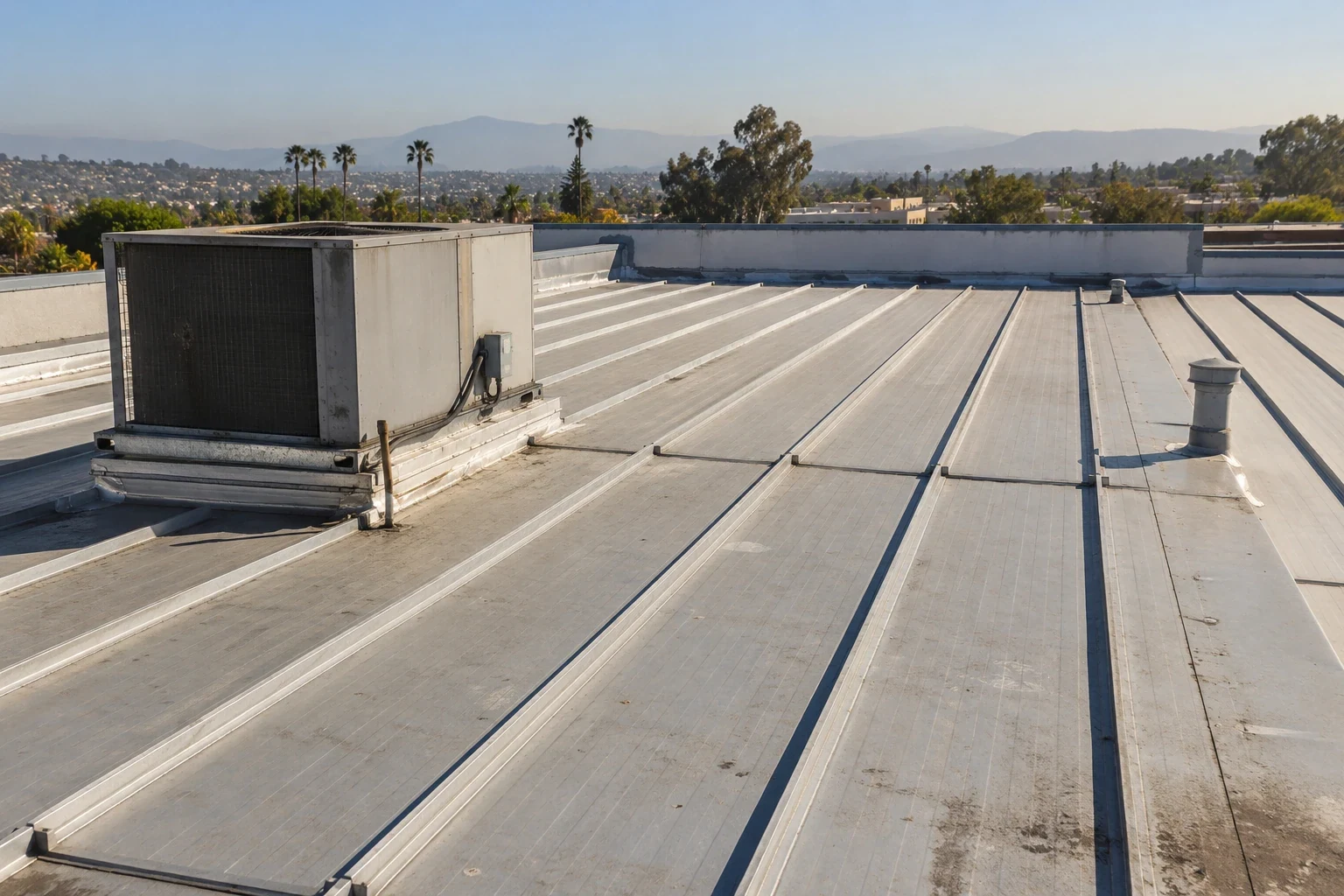
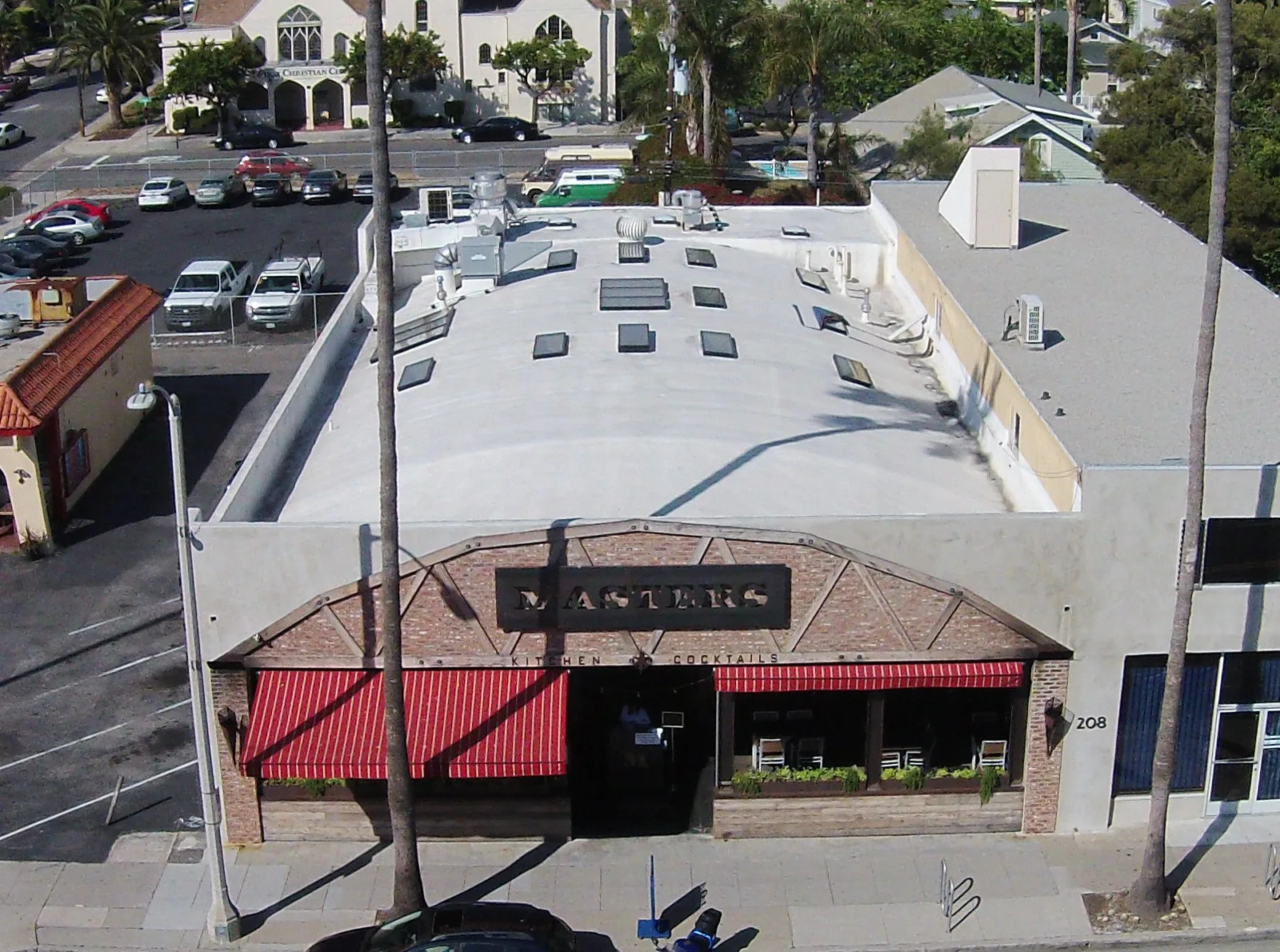
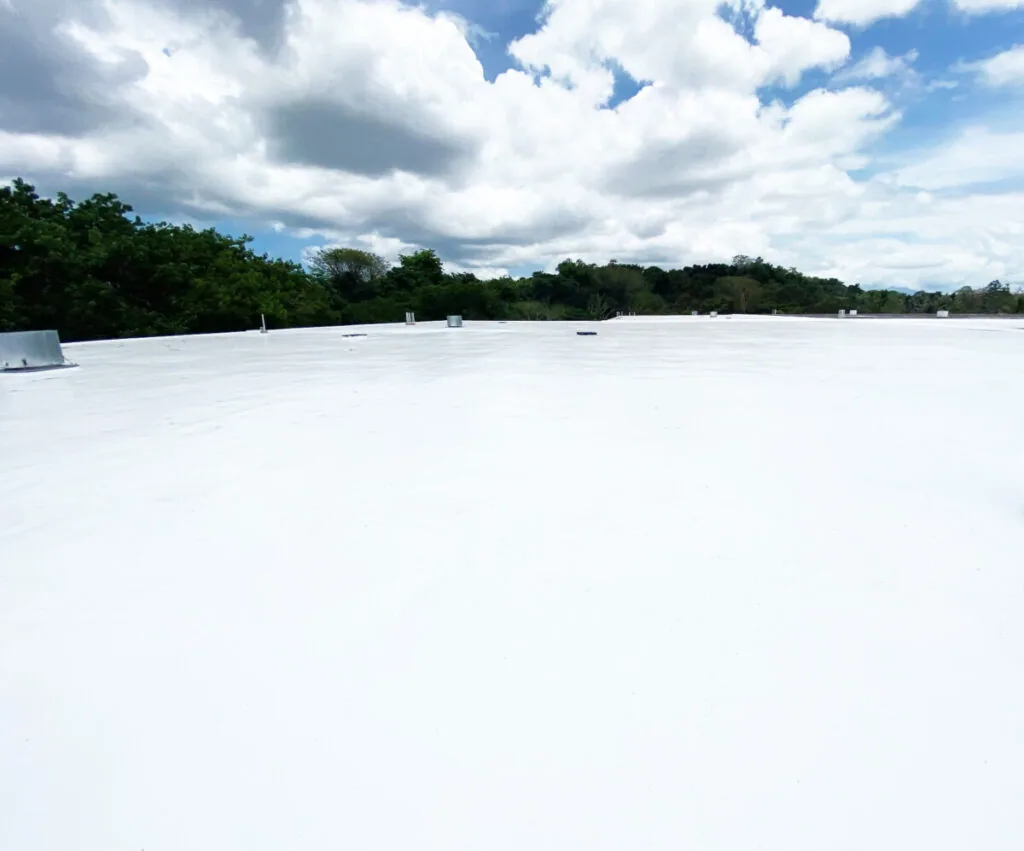
The right system depends on the roof deck, drainage, insulation, rooftop equipment and how the building is used. These are the systems we install, repair and maintain around Elk Grove.
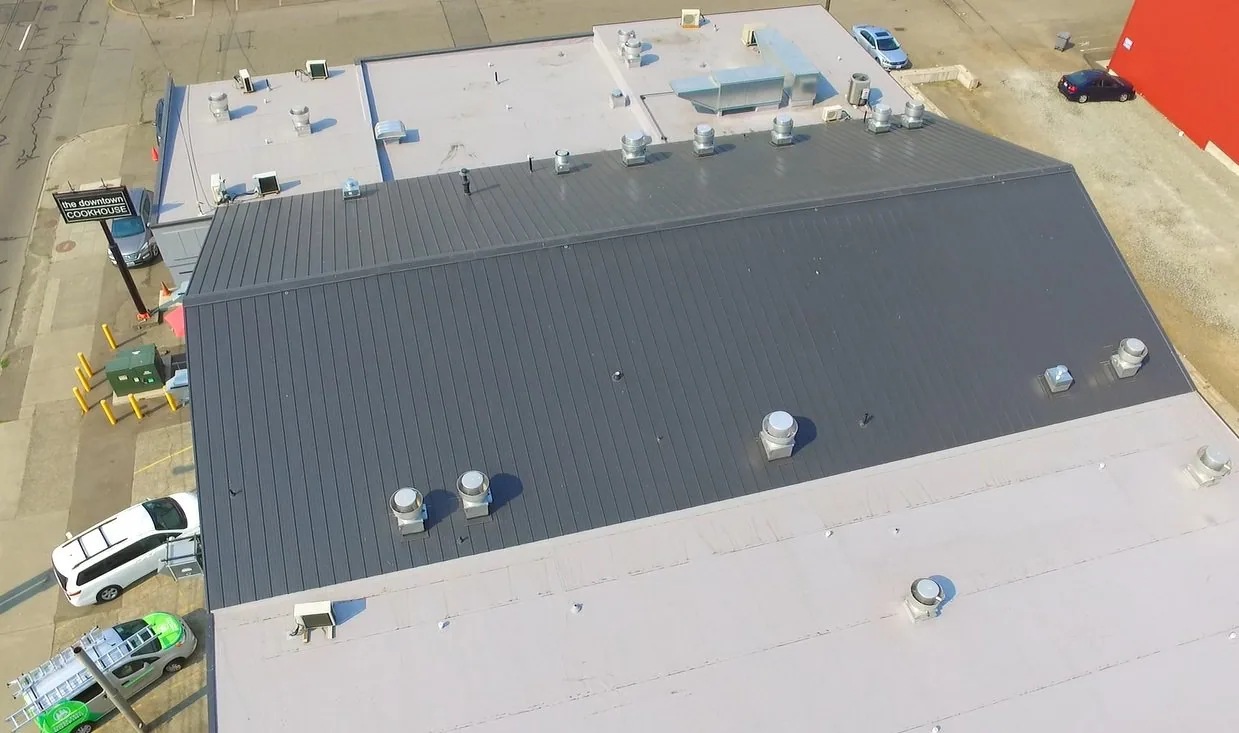
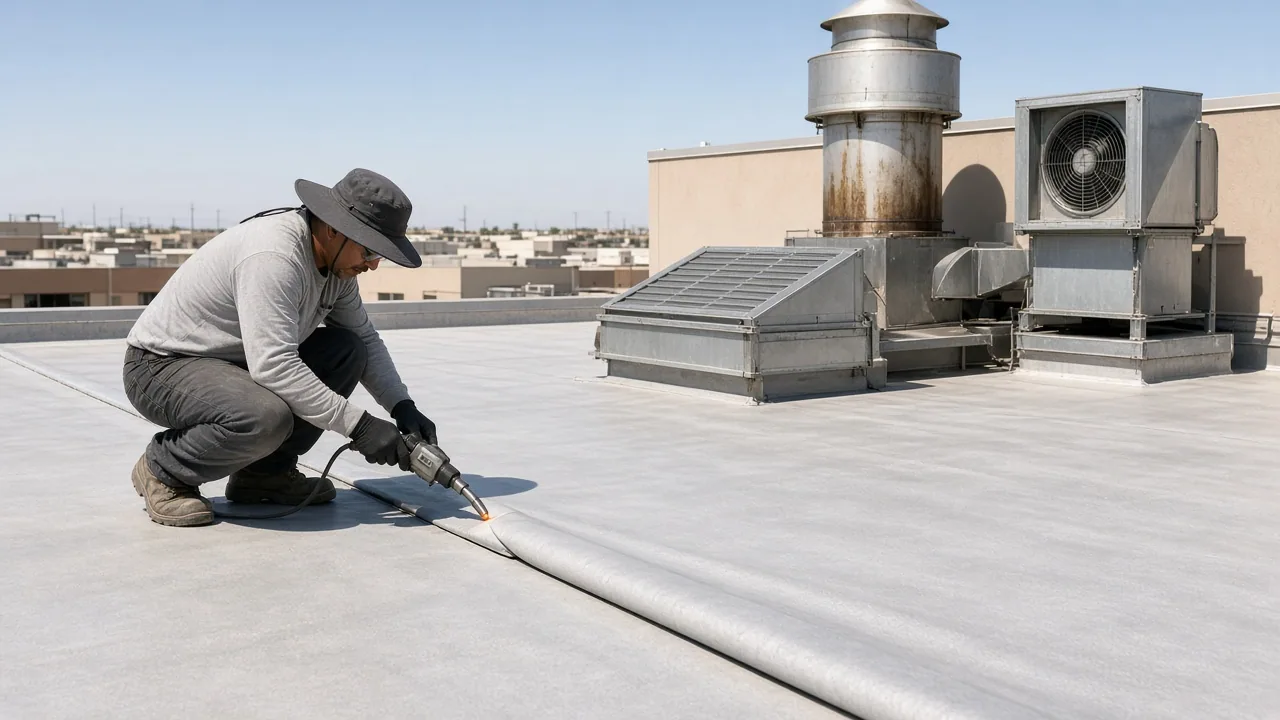
Don't see your roof system? Ask us or call 555-555-5555.

The measured assembly behind the drawing

Partial replacement, added curbs, and connected roof levels can change construction from the available plan. We identify the actual boundaries during examination and relate findings to recognizable building features. A repair method suitable for one material may not connect appropriately to the neighboring area. The proposed correction follows the installed receiver at the position rather than a uniform assumption about the field.

For new construction, dimensions and equipment proposals need coordination before the selected layout is fixed. A revised curb footprint can change support, flashing, and available service clearance. We review those interfaces with the project team so the roofing arrangement receives the intended final construction. Known alterations belong in the design comparison before material is prepared.

A direct examination of roof condition identifies accessible seams, supports, flashing, and drainage relevant to the decision. Restricted positions remain located with the access or further testing needed. The owner can compare confirmed findings with a specific follow-up examination rather than rely on another general roof concern. The condition map changes the scope.

An overview photograph can help orient a finding across connected levels, while close examination establishes the detail requiring correction. We preserve that relationship in the record so a similar-looking curb or seam is not confused with the assessed position. The owner can locate the proposed work and the next visit can return to the same connection.

North Vineyard Station

Related Roofing Work

Other pages that cover parts of the same roof question.
Roof leaking now?

Call 555-555-5555 for emergency roof repair in Elk Grove and nearby communities.
North Vineyard Station

The property route within the work interval

The plan area connects with Bradshaw, Florin, and Gerber roads. Material arrival still needs its property loading position, controlled route, and roof access established before mobilization. We agree those arrangements with the building contact and identify how removal debris leaves the work area. A regional approach does not replace the practical movement route at the assigned construction position.

For occupied property, the interior below removal and the exterior circulation beside it need their relevant protection requirements identified. We locate the affected positions and coordinate work limits with the contact. Equipment service or a restricted zone can change the usable interval. The phase is sized to preparation, reconstruction, and closure that can be completed within those actual conditions.

Phasing roof work over active interior space includes an agreed stopping condition if access or weather changes. Another area is not opened beyond available protection capacity. Temporary boundaries and their restrictions are identified for the handoff, with the next work needed. The building operation remains connected to the roof condition while the project pauses.

North Vineyard Station

The receiver beneath repair or renewal

A new membrane depends on suitable insulation, cover board, attachment, and supporting deck. Moisture or unstable layers can change retention before installation proceeds. We examine the existing assembly and identify the concealed questions that would change the scope. A surface that looks usable is assessed with the construction beneath it, especially where movement or repeated leakage points to a receiver problem.

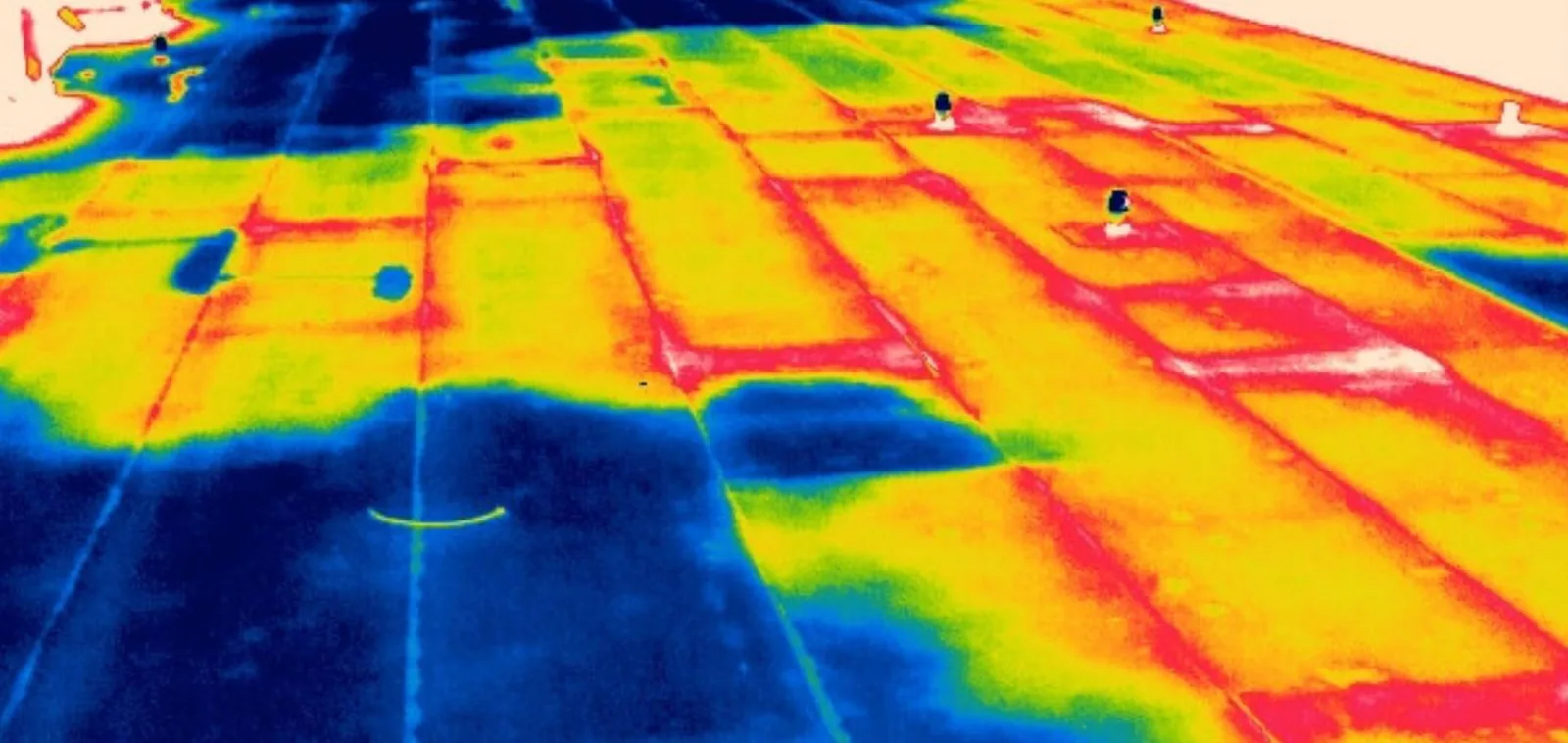
Screening suspect moisture positions with appropriate confirmation can help establish removal boundaries when the method fits the roof. Findings are joined to direct observations and known construction changes. Wet or deteriorated layers receive their own reconstruction requirement. The selected field material should not close over a receiver already identified as unsuitable for retention.

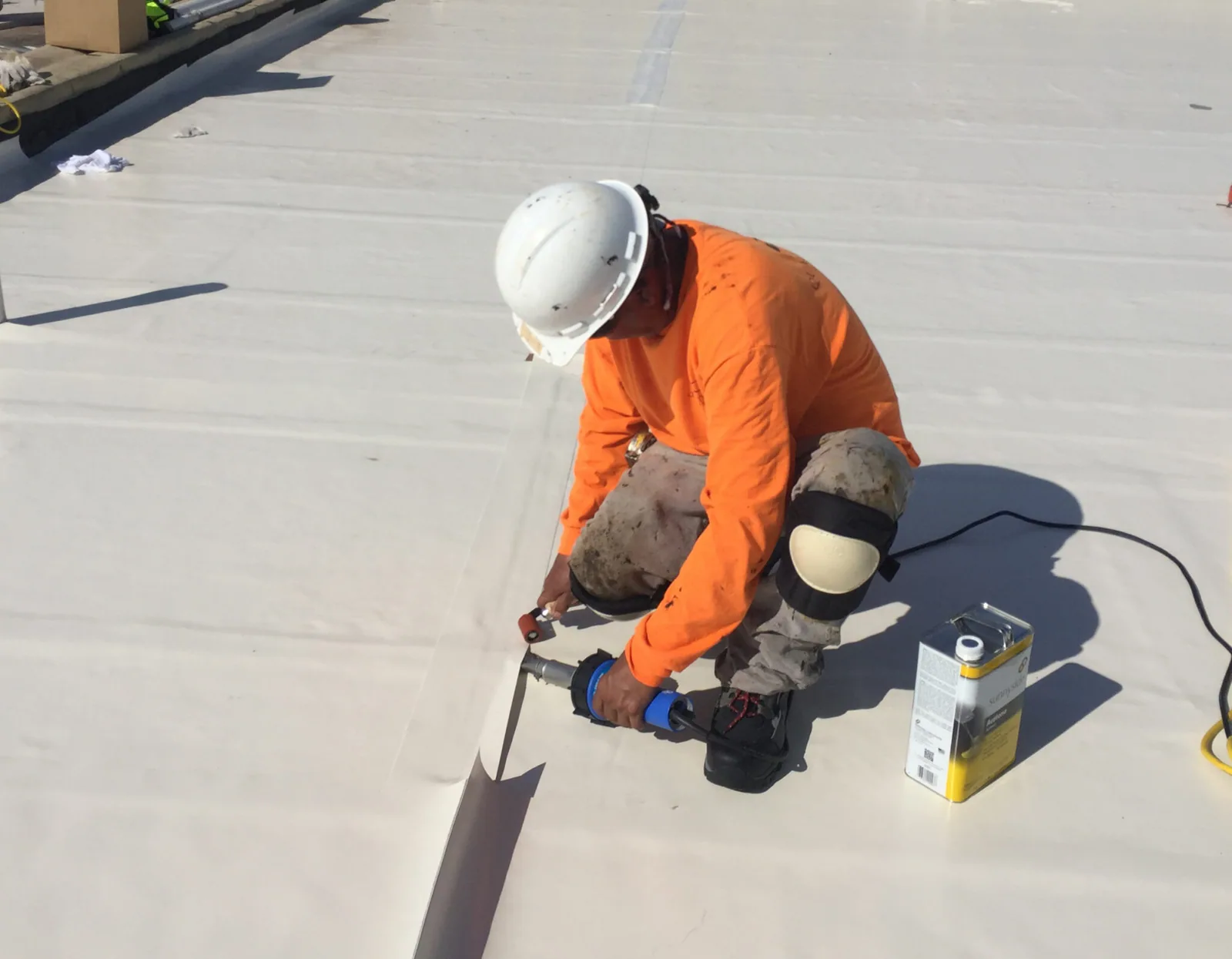
A TPO assembly design includes its welding, attachment, and detail requirements. Other membrane and metal options need their respective receiver and connection methods assessed. Loading, compatibility, drainage, and applicable requirements remain part of any recover comparison. The useful proposal identifies complete construction rather than treating the roof surface as the entire assembly.

Where an opening is needed to identify layers, its agreed closing method is part of the examination scope. The test describes construction at that position and is interpreted with the surrounding findings. We review whether another check is needed before extending the retained-layer decision beyond the examined area. The completed opening returns with its compatible weatherproof correction.

North Vineyard Station

Connections through the finished drainage plane

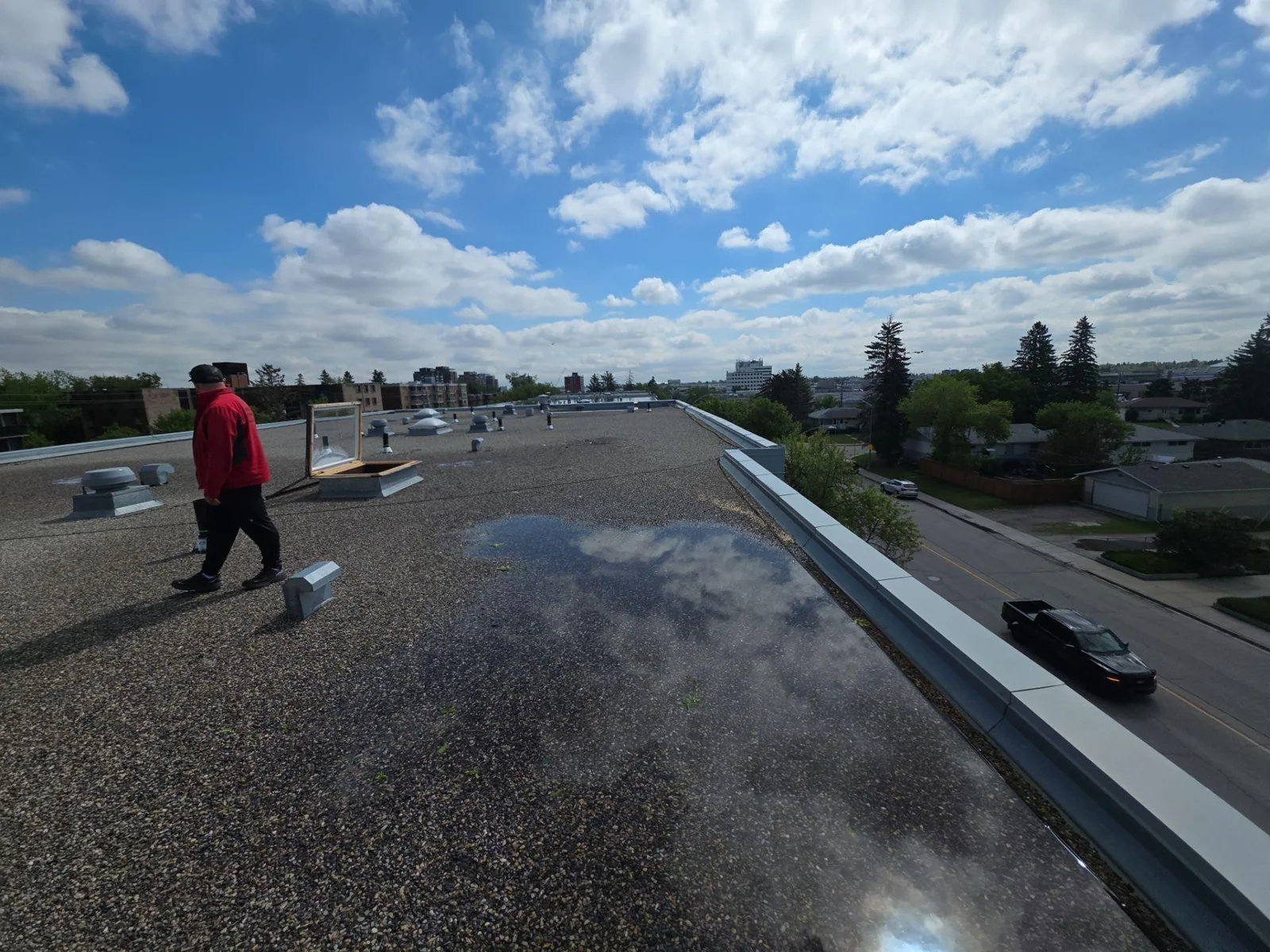
Drainage follows the roof plane, outlet connection, and accessible discharge. A restriction may need cleaning, while a low receiver may require a designed slope change. We establish the cause before assigning correction so the new work directs water to a usable opening. Upper-roof runoff is considered where it affects the lower transition being repaired.

Curbs, walls, and perimeter details need their support and upper closure assessed with the field connection. Water entering above a sound membrane detail can move behind the flashing. We examine that path and coordinate receiver correction before final closure. Added insulation is also compared with the available flashing height so a new plane does not leave an unsuitable transition.

A Florin-Vineyard roof review can use the same located transition assessment while keeping its assigned building scope separate. Roof work in Vineyard Community likewise begins with its actual assembly and operation. Shared project coordination follows the findings at each building rather than extending one inspected condition across several properties.

North Vineyard Station

The next investment from located condition

Sacramento Valley rainfall arrives during the cooler part of the year after dry summer heat. Actual surface condition and forecast govern the preparation and exposure permitted during each roof phase. We review the selected materials’ working limits before another position is opened. The usable interval includes completion or suitable protection of the receiver, not just access for removal.

A localized compatible correction may be practical where surrounding construction remains sound. Extensive moisture, unstable attachment, or several failed details may justify wider renewal. Comparing those findings with the capital window identifies retained layers, required reconstruction, and planned equipment changes. The owner can assess each option against the condition it would leave in service.

Cost varies with measurement complexity, access, removal, support correction, attachment, and detail density. A positioned record of findings and completed work preserves the reason for each boundary. Later service can relate another symptom to that assembly and any intervening alteration. The next project begins from a defined receiver and connection history rather than another unidentified roof condition.

Give the North Vineyard Station roof a defined boundary

Bring the proposed construction or known failure positions to a review. We will assess the measured assembly and connect its receiver requirements to a workable roof phase.

Call 555-555-5555 or email [email protected].

Questions About North Vineyard Station

How should an old drawing be used in a North Vineyard Station roof review?

It provides a starting outline for comparison with current construction. We examine roof changes and equipment positions before relying on dimensions or layers within the proposed scope.

Can regional road access determine where roofing material is staged?

The loading position and route are agreed at the actual property. We coordinate those requirements before materials arrive and the work interval begins.

What changes a proposed roof when the insulation plane is revised?

Drainage, curb heights, wall connections, and attachment need review together. The complete assembly is updated before field material closes around the changed receiver.

How is an unexamined roof level included in later planning?

Its location and required access remain identified. We define the examination needed before that level can support a retention, repair, or removal decision.

ServicesRoof SystemsIndustriesProperty TypesService AreasDamage RepairCapabilitiesManufacturersContactAboutRequest a Roof Assessment555-555-5555
Call555-555-5555