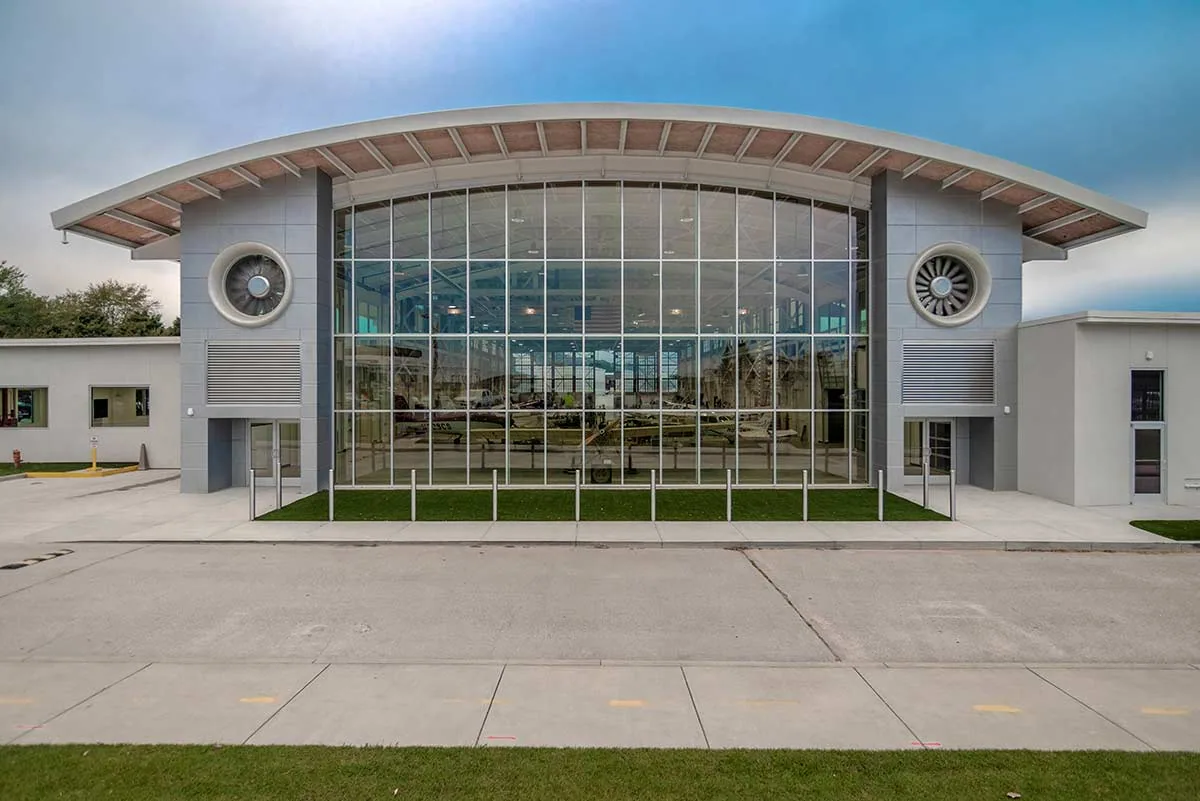
Military Hangar Roofing Near Elk Grove, CA

Plan military hangar roof work near Elk Grove with support and panel assessment, debris control, equipment connections, and protected aviation work phases.

Property Types We Roof  /  Call 555-555-5555

Military Hangar Roofing at a Glance

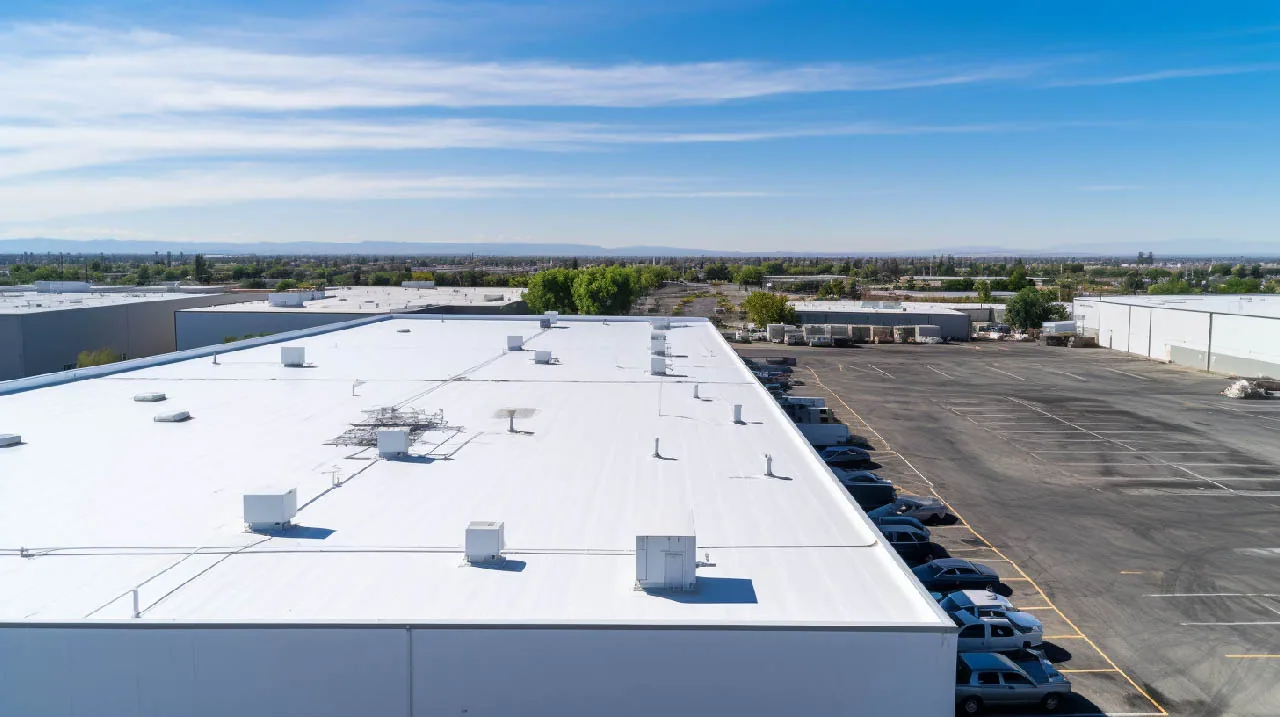
A loose panel component above an aircraft work area can make debris control part of the immediate roof scope. Military hangar and maintenance facility roofing near Elk Grove, CA requires that operating exposure to be assessed with the panel, attachment, and supporting condition. Commercial Roofing Elk Grove evaluates metal and low-slope assembly work with a defined removal boundary and closure sequence. The correction needs to return both the roof connection and the affected work area to a suitable condition.

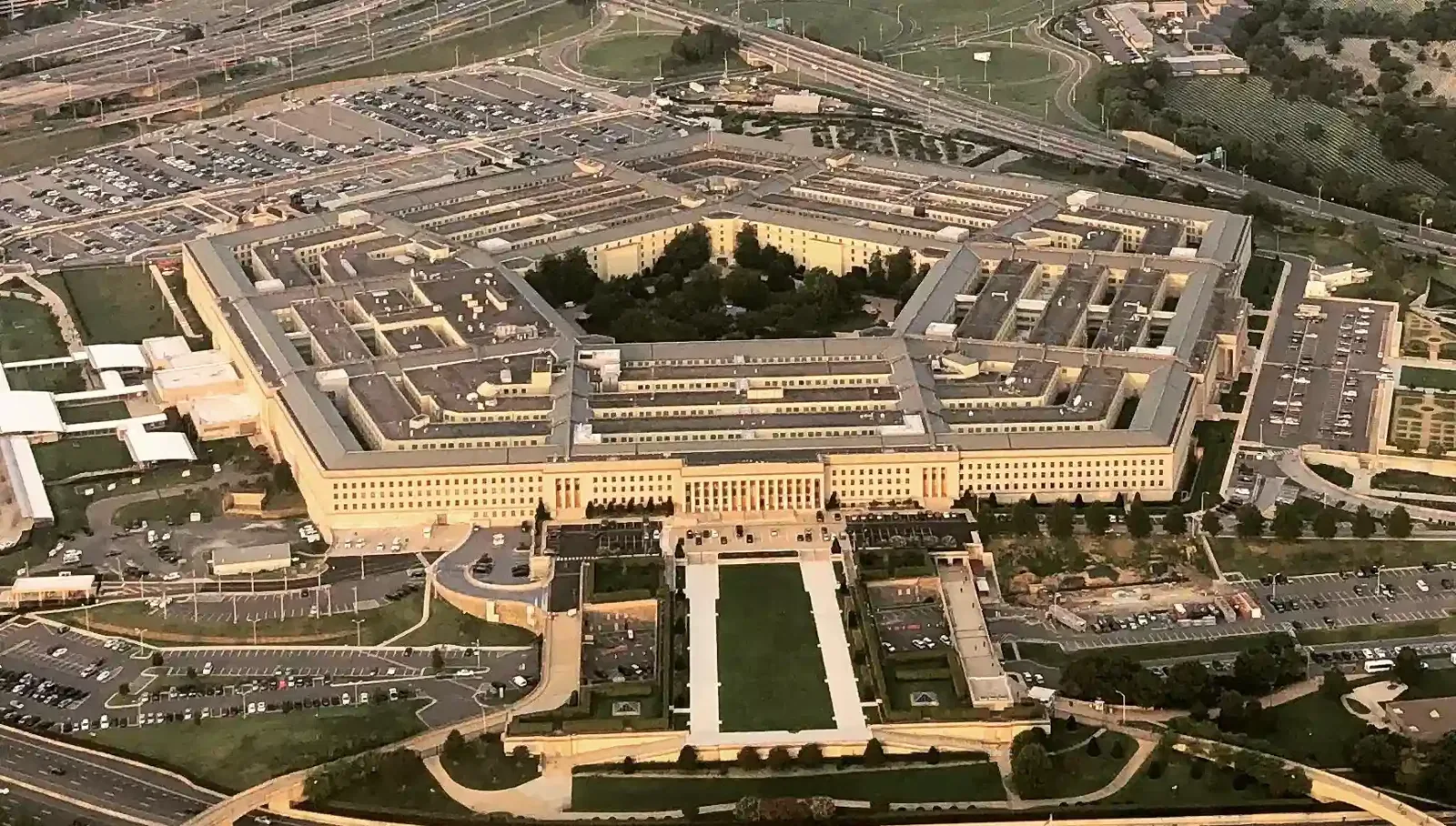
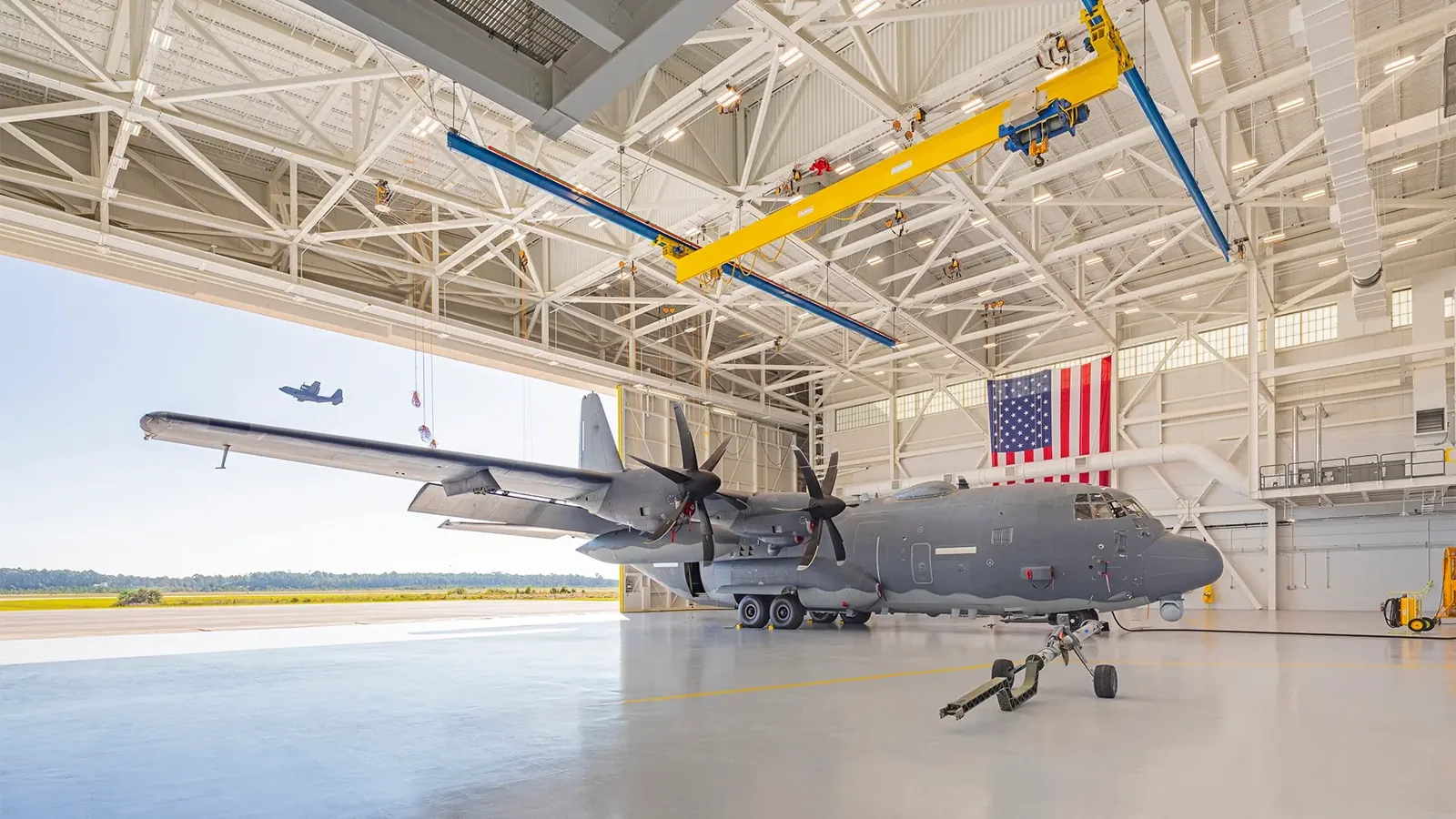
Military helicopter activity at Mather includes training and emergency support for state agencies through the Sacramento Army Aviation Support Facility. Coast Guard Air Station Sacramento operates fixed-wing aircraft at Sacramento McClellan Airfield. For assigned roofing around aviation use, we establish the actual building and operational limits through the authorized project contact before examination. Work phases account for those limits at the construction position.

Review the aviation roof and operating boundary

Send the aviation work-area restrictions and roof findings to the designated hangar project contact for a coordinated assessment. We will compare roof and support findings with staging, protection, and the phase needed for a complete hangar or maintenance roof scope.

Request a roof assessment or call 555-555-5555.

The right system depends on the roof deck, drainage, insulation, rooftop equipment and how the building is used. These are the systems we install, repair and maintain around Elk Grove.
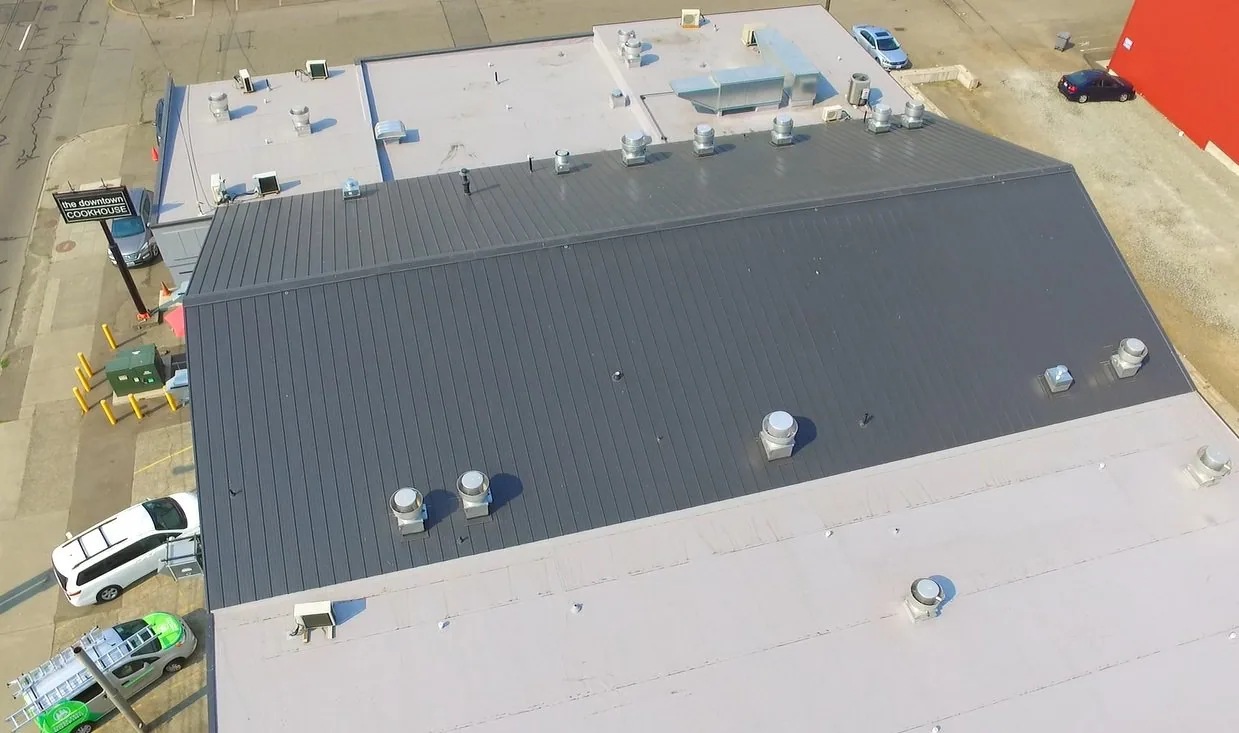
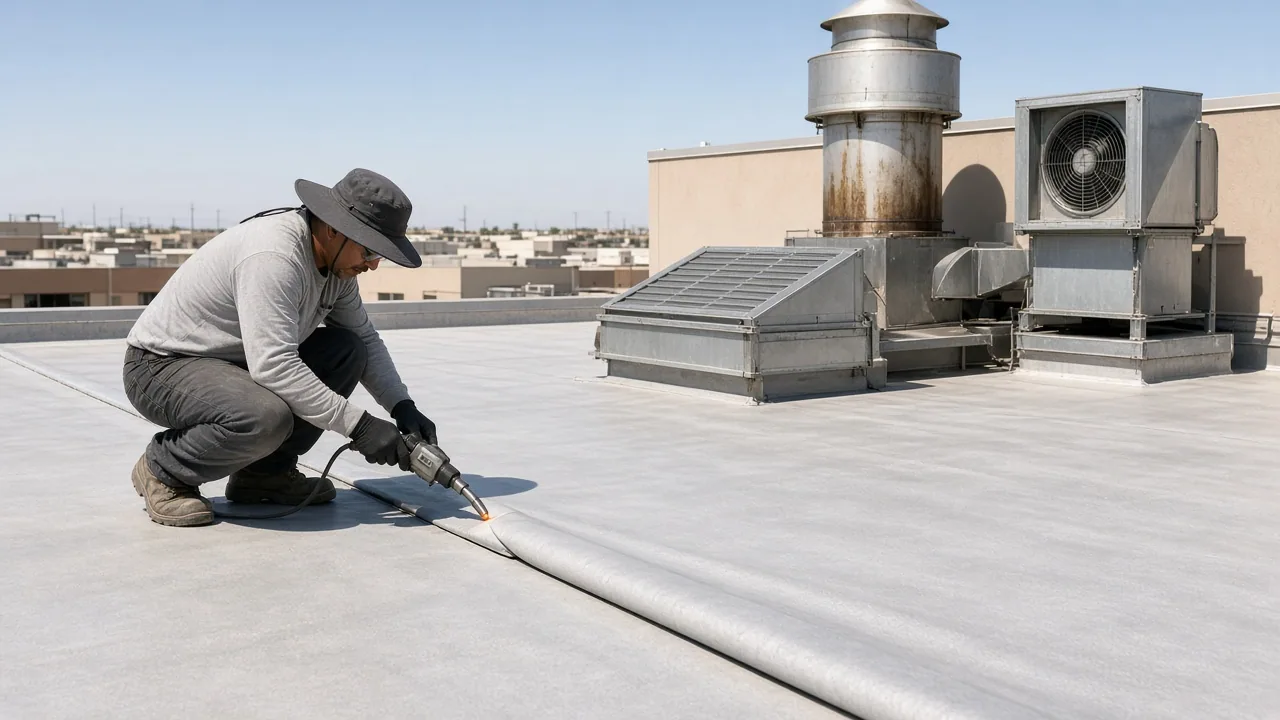
Don't see your roof system? Ask us or call 555-555-5555.

The removed material and operational area

Fasteners, metal fragments, packaging, and loose roofing materials need controlled collection where they could affect aircraft or maintenance routes. We review the work-area boundary and debris handling with the property contact before removal begins. Material movement and temporary storage also need suitable positions. The daily closeout includes the affected surroundings as well as the connection repaired above them.

Wind can change the handling of panels, debris, and application materials. We assess current conditions and the selected work method before opening another area. An operating restriction may shorten the interval available for construction, requiring the phase to return to its planned stopping detail. The useful sequence includes how incomplete work is secured when permanent closure cannot proceed immediately.

Roof coordination for assigned Coast Guard work and construction at Army properties each depend on their authorized access and governing requirements. A shared aviation setting does not eliminate building-specific staging. We define the actual route and protected area with the contact so the planned work can reach its position without an uncoordinated operating interruption.

Intrusive examination is planned with the same controls as construction where it creates loose material or an opening. The test position, interior protection, and closing method are agreed before access so the investigation can answer its roof question within the authorized interval.

Military Hangar Roofing

Related Roofing Work

Other pages that cover parts of the same roof question.
Roof leaking now?

Call 555-555-5555 for emergency roof repair in Elk Grove and nearby communities.
Military Hangar Roofing

Panel movement and the supporting connection

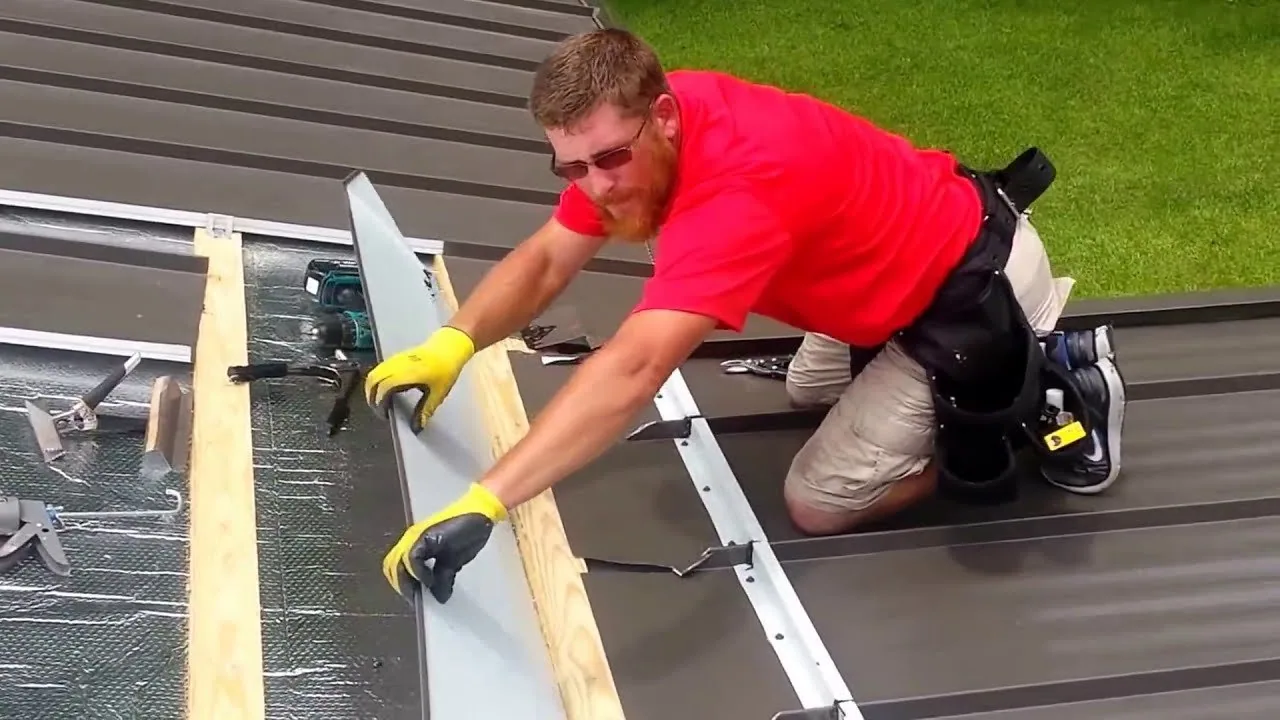
Metal roofing needs its profile, seam or lap arrangement, fastening, and support identified before repair. A displaced component can reflect damage at the receiver as well as the visible panel. We examine that fastening path and the surrounding roof condition before selecting replacement or local correction. The finished detail must rely on suitable construction beneath it.

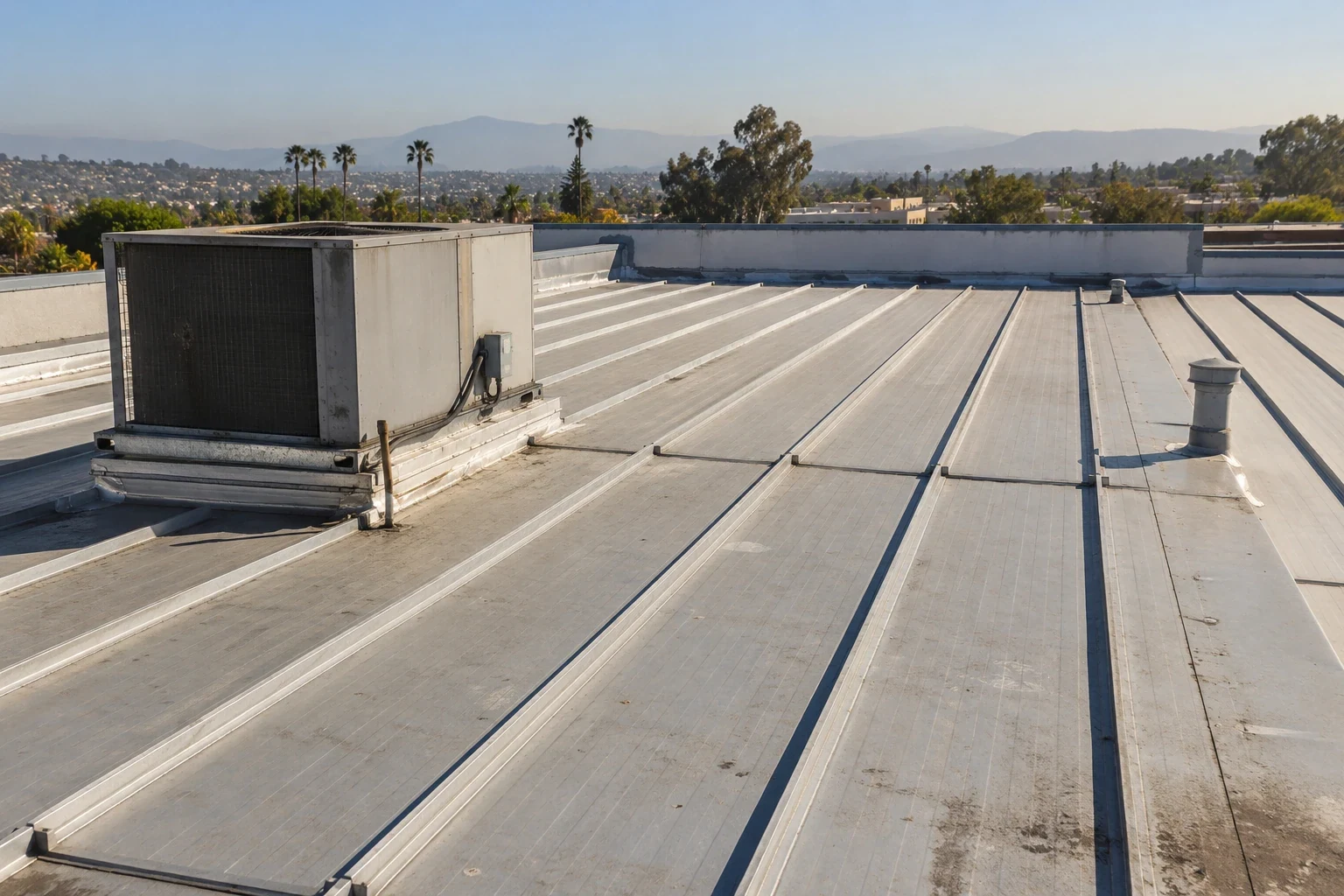
Thermal movement needs the accommodation intended by the selected system. An added curb or previous patch may restrain a panel and concentrate strain at another connection. We assess those relationships before adding attachments or seal material. A standing seam repair follows the actual clip and movement design, while exposed-fastener construction has different receiver and seal requirements.

Corrosion, deformation, and repeated water entry can change whether the panel remains useful. Supporting deterioration may require an appropriate structural assessment before roofing proceeds. We identify that requirement at the affected position and relate it to the removal boundary. A surface correction cannot substitute for unresolved support where the completed roof depends on it.

A transition at a large opening needs its metal, receiver, and adjoining roof connection assessed without assuming the roof detail can stabilize the opening itself. We identify the trade responsible for supporting movement and coordinate its correction before flashing closes the area. The repair can then remain within a boundary that the receiver supports.

Military Hangar Roofing

Low-slope layers and equipment interfaces

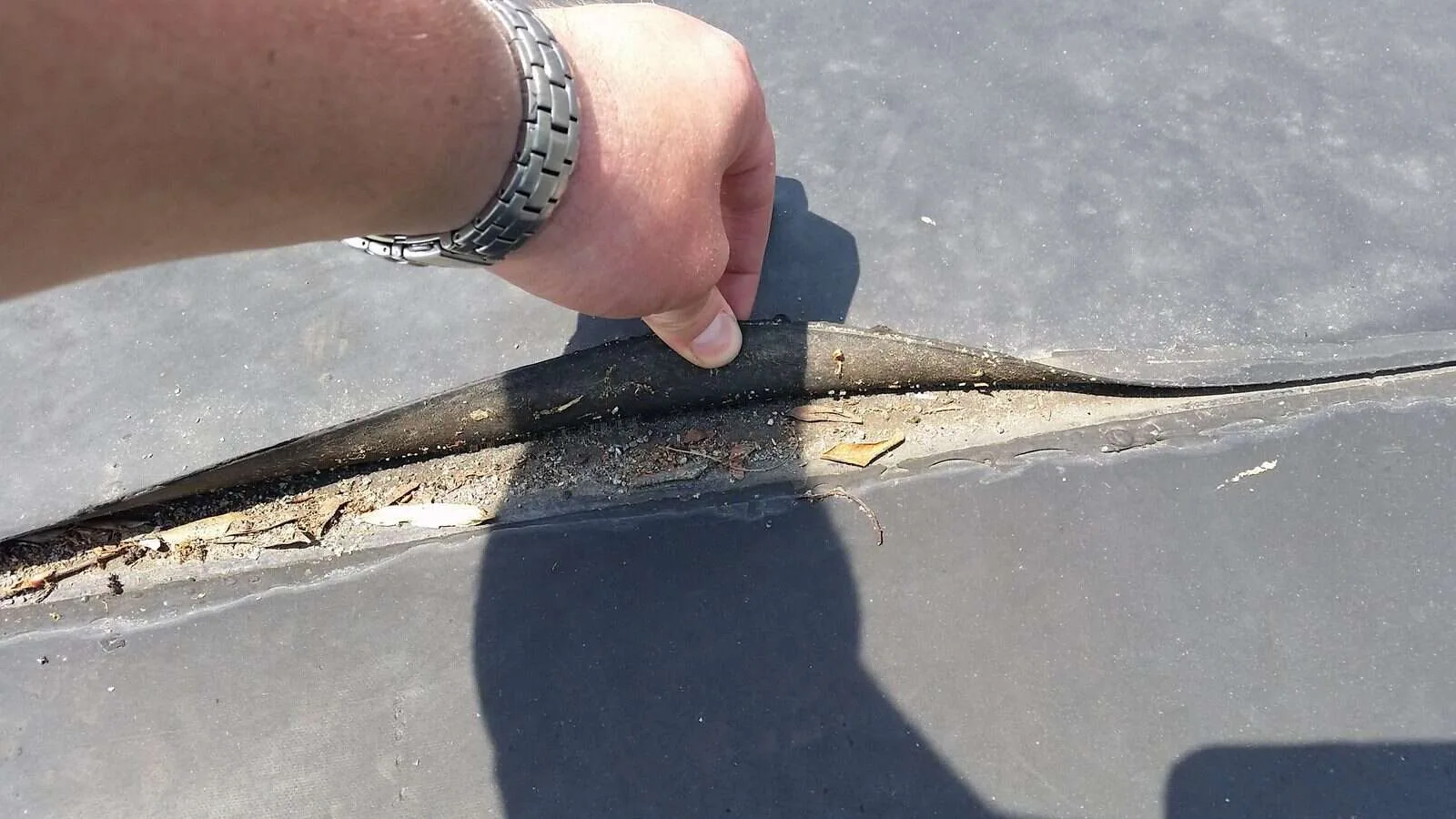
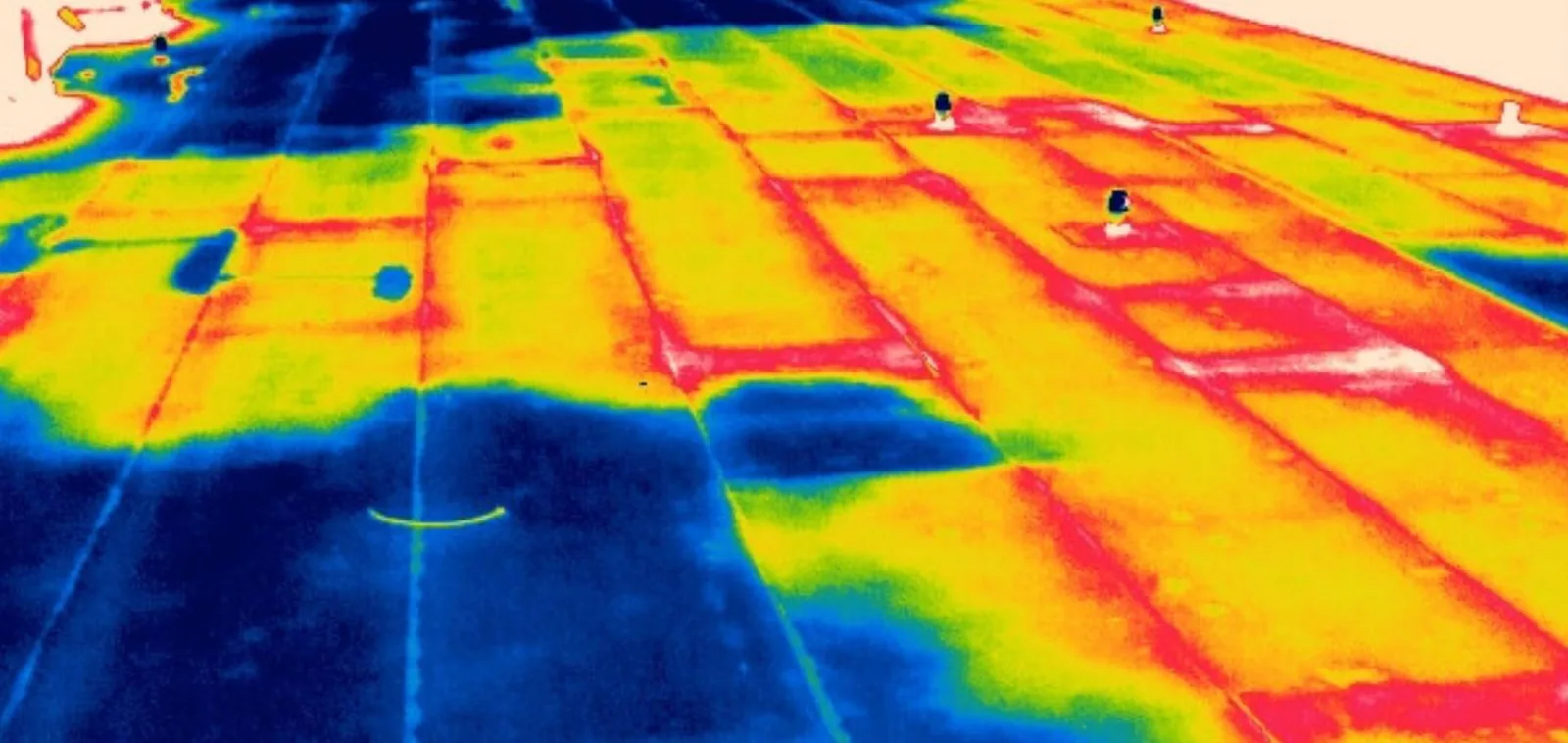
Membrane areas need their seams, flashings, drainage, and concealed layers examined according to the actual assembly. A localized opening may support a compatible repair where the surrounding receiver remains sound. Moisture or unstable construction can expand the boundary into reconstruction. A moisture investigation matched to the roof can help locate suspect positions for confirmation when concealed condition changes the work.

Equipment curbs and support connections are assessed with any planned mechanical alterations. A new unit may change footprint, load, flashing height, and service clearance. The supporting requirements are reviewed by the appropriate responsible party before the roof detail is finalized. We coordinate that sequence so membrane work closes around the intended arrangement instead of one already scheduled to change.

Drains and scuppers need usable connections through the roof and an accessible discharge. Retained water may reflect debris, outlet geometry, or a low receiver requiring another construction scope. We examine the cause before selecting correction. The project includes the water path across connected roof levels where upper runoff affects the lower detail being repaired.

Military Hangar Roofing

The construction basis before the flight-side phase

Project specifications and any applicable Unified Facilities Criteria provide the design requirements for the assigned roof work. We compare material options, attachment, insulation, and details against that basis and the examined assembly. A repair needs its compatible local construction, while renewal may require a complete redesigned receiver. The operating use helps determine sequence alongside those requirements.

Mather development opportunities include planned hangars and aircraft-maintenance facilities. For proposed construction in that setting, drainage, support, roof connections, and service access can be coordinated while the building design is being developed. The roof assembly is selected for the planned operation and governing requirements. Equipment geometry is resolved before field construction is fixed, so essential transitions remain within the design.

For work coordinated from the Elk Grove regional area, the final property approach and controlled-entry arrangements are confirmed before mobilization. Phasing work over an active interior includes protection below, material routes, and the usable stopping boundary. Each phase has a defined return condition for the authorized contact.

Military Hangar Roofing

The complete scope and controlled return

Removal in the Sacramento Valley is planned for the exposure conditions of its dry hot summer or cooler rainy season. Regional wildfire smoke can also affect outdoor work and equipment operation. We assess current conditions against the proposed methods and coordinate restrictions through the project contact. The phase is limited to suitable preparation and closure capacity at the roof.

Costs change with controlled access, panel handling, supporting correction, concealed layer removal, equipment work, and detail complexity. A capital comparison for the assigned roof joins those requirements to planned building alterations and the available operating interval. The owner or project contact can compare complete retained-construction and replacement options rather than field material alone.

The completed record preserves findings, test positions, corrected connections, and any follow-up requirement. We check the relevant drainage and access conditions before the area is handed back, including the debris controls agreed for the phase. Later examination can compare another symptom with those same assembly positions. The return to operation is connected to a defined construction boundary and documented condition.

Review the aviation roof and operating boundary

Send the aviation work-area restrictions and roof findings to the designated hangar project contact for a coordinated assessment. We will compare roof and support findings with staging, protection, and the phase needed for a complete hangar or maintenance roof scope.

Call 555-555-5555 or email [email protected].

Questions About Military Hangar Roofing

What should debris control include during panel removal?

The work plan identifies collection, handling, and the affected operating area. Removed fasteners and fragments are controlled, with the agreed surroundings checked before the phase is released.

Can added fasteners resolve movement in a standing seam roof?

The intended movement and clip arrangement need assessment first. We identify the failed receiver and suitable connection before changing how the panel is restrained.

How are planned hangar roof details coordinated with equipment?

Support, curb geometry, drainage, and service access are reviewed during design. The selected roof closes around the intended equipment arrangement with its required connections included.

What changes when access ends before permanent roofing is complete?

The phase returns to its specified stopping condition with suitable protection. Remaining work and access limits are identified before the authorized contact receives the area.

ServicesRoof SystemsIndustriesProperty TypesService AreasDamage RepairCapabilitiesManufacturersContactAboutRequest a Roof Assessment555-555-5555
Call555-555-5555