Solar-Ready Commercial Roofing in Elk Grove, CA

Review Elk Grove roofs for solar work through assembly condition, loading review, attachment details, drainage, service access, and coordinated construction.

Commercial Roofing Services  /  Call 555-555-5555

Solar-Ready Commercial Roofing at a Glance

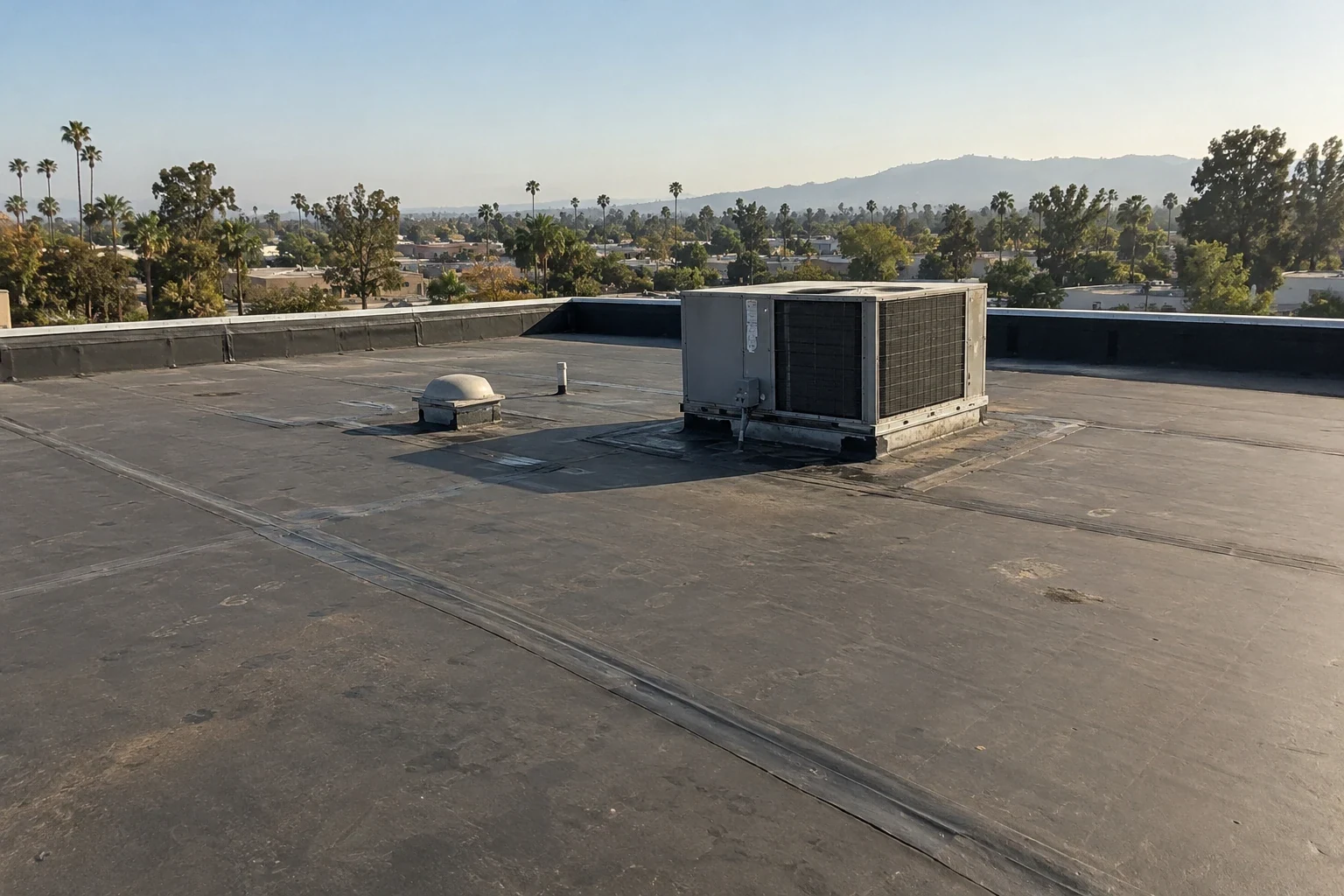
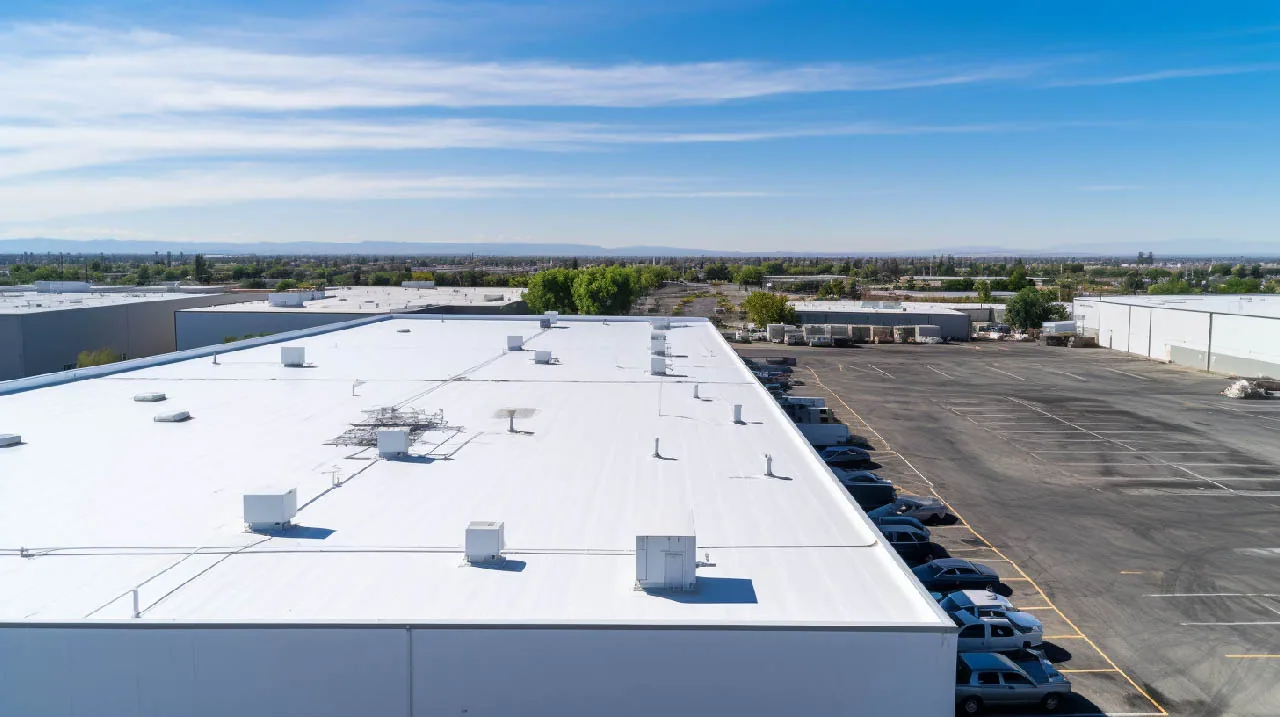
A solar installation proposed above a roof with recurring wet areas can move replacement into the current scope, because reaching those layers becomes more complicated once equipment occupies the surface. Commercial Roofing Elk Grove prepares commercial roofs for solar work in Elk Grove, CA, by examining the assembly, failure pattern, and construction that would remain beneath the array. We connect the roof condition to the proposed equipment layout and identify which decisions need resolution before installation. Readiness is a condition assessment.

The Sacramento Valley's hot, dry summers give way to cool-season rainfall, making drainage and open details relevant even when the solar project is scheduled during a dry interval. We compare the roof's present condition and expected maintenance needs with the equipment plan, then identify repair, replacement, or further examination worth completing while access remains straightforward. A new array should not conceal an unresolved roofing decision that is already visible during planning.

Compare the solar layout with the retained roof

Arrange a review with the roof plan, moisture history, proposed array and mounting layout, equipment schedule, and access limits. We will identify roofing prerequisites and a coordinated scope decision.

Request a roof assessment or call 555-555-5555.

The right system depends on the roof deck, drainage, insulation, rooftop equipment and how the building is used. These are the systems we install, repair and maintain around Elk Grove.
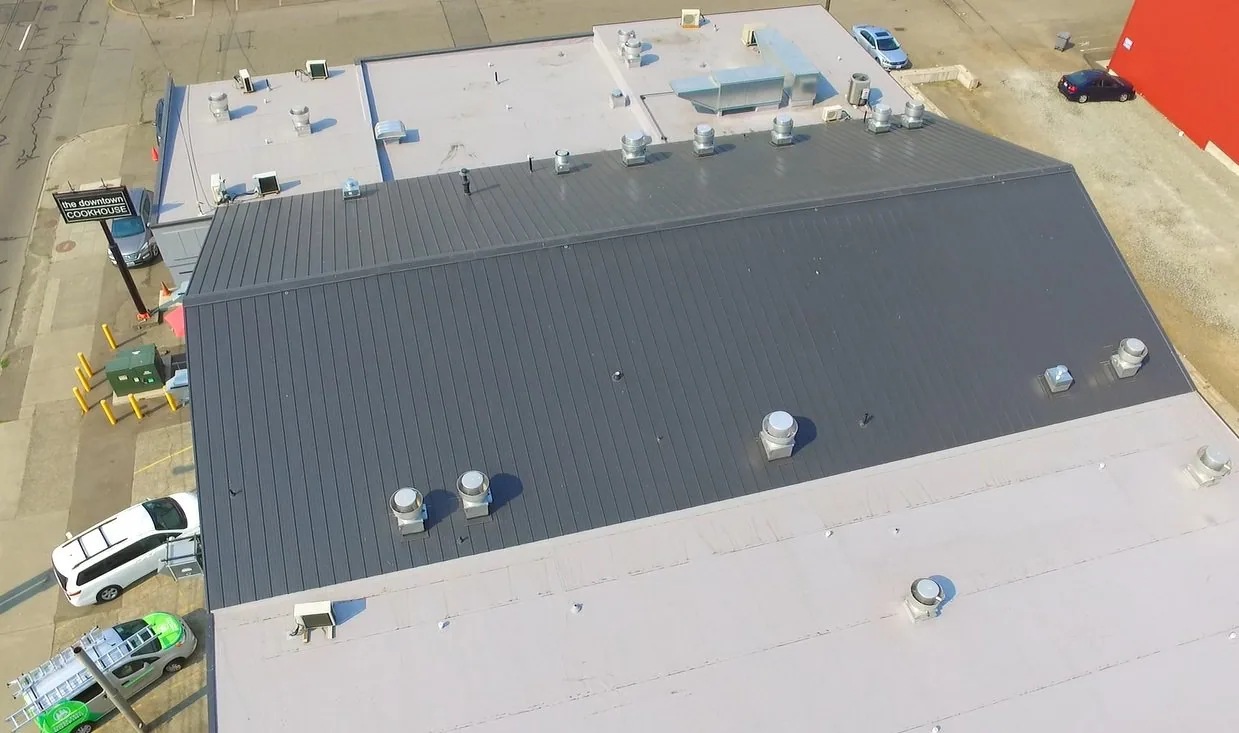
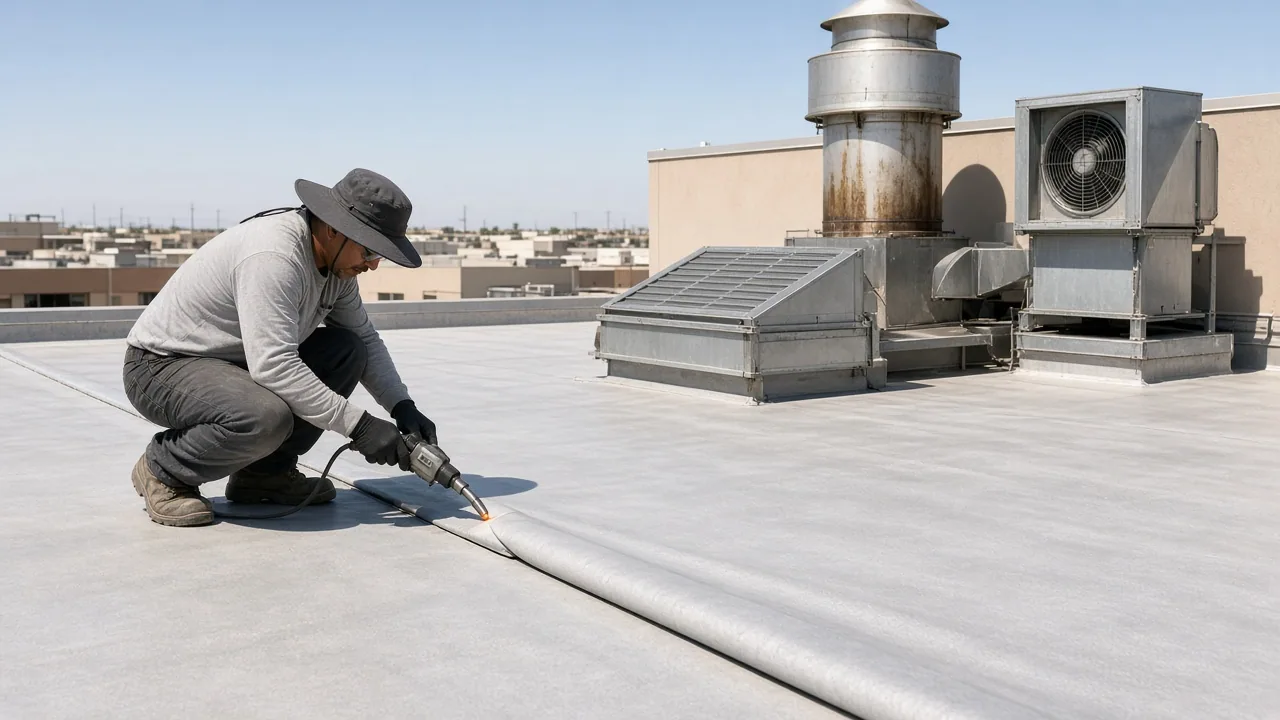
Don't see your roof system? Ask us or call 555-555-5555.

Roof condition before equipment commitment

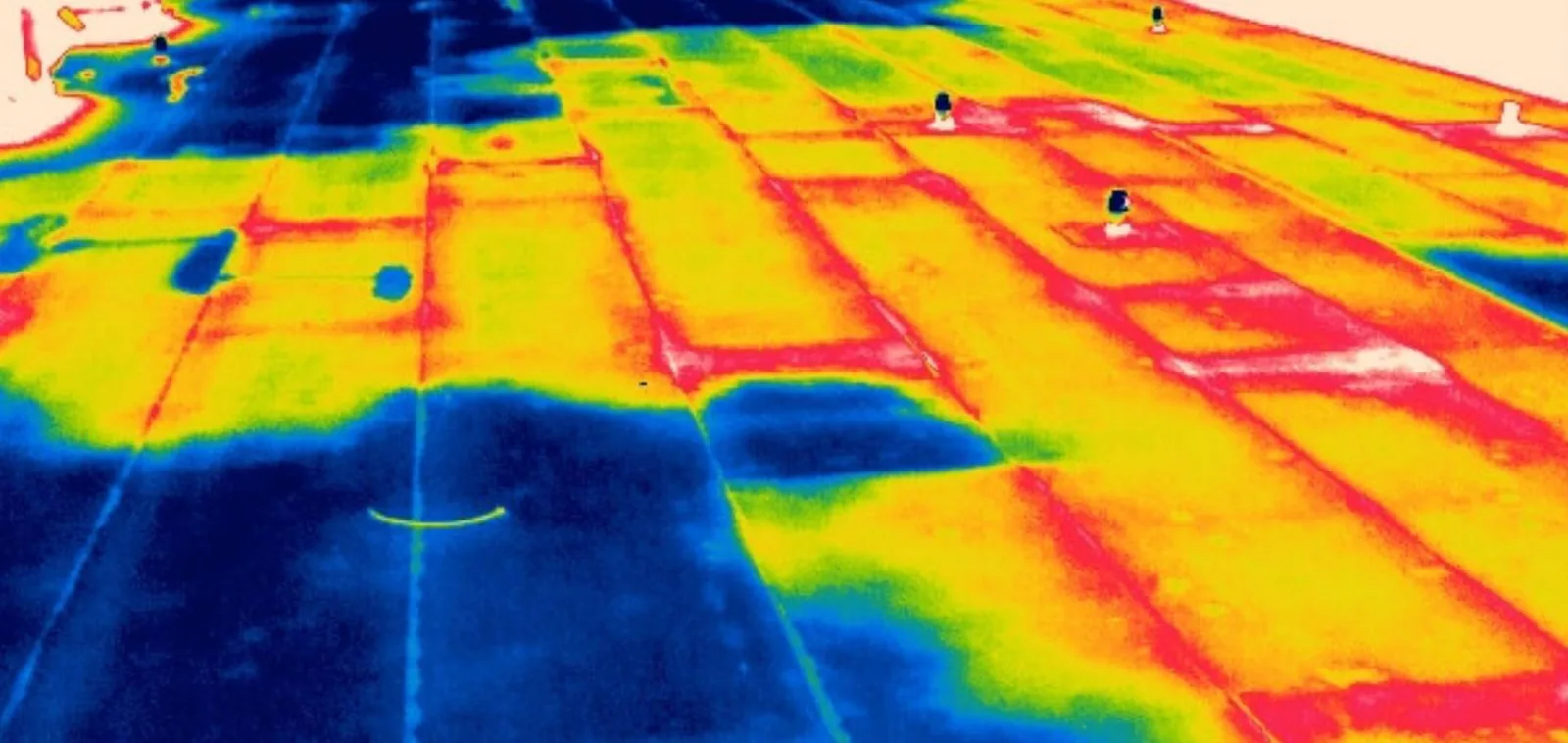
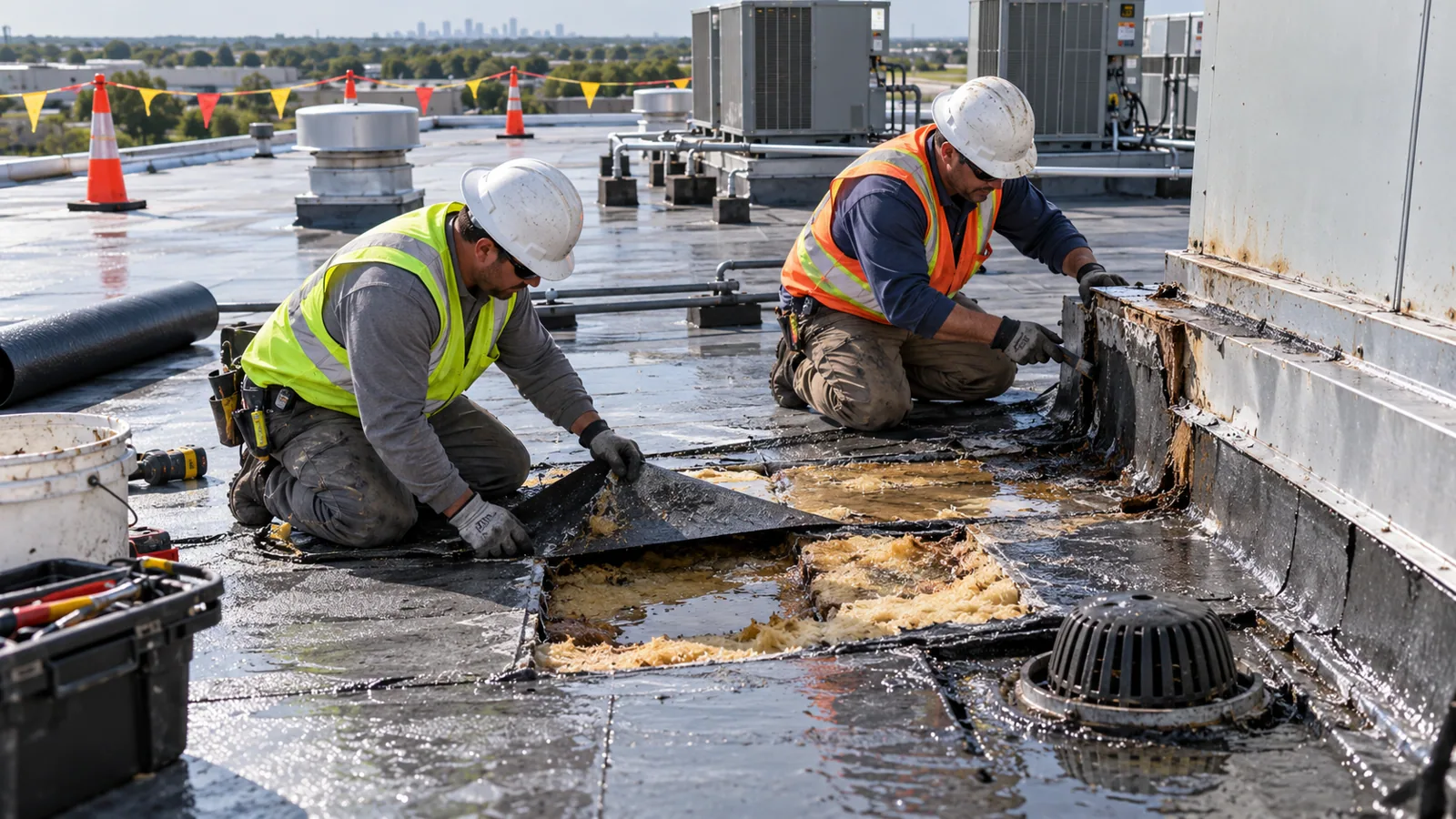
Remaining service life cannot be established from membrane color or a single installation invoice. We examine repairs, moisture findings, attachment, insulation support, drainage, and the condition of seams and flashing across the proposed footprint. A contained defect may support correction before the array is installed; widespread deterioration can make replacement or a broader assessment more useful. The recommendation identifies the finding that changes the sequence rather than assigning an unsupported life expectancy to every roof.

A roof examination ahead of array installation also locates equipment and penetrations outside the proposed footprint that still affect runoff and maintenance. Where concealed moisture would decide retention, screening and confirmation of retained layers can help establish the removal boundary under suitable conditions. Any sampling location is restored appropriately. The record leaves the owner with the assembly information needed to compare keeping the roof with renewing it before equipment reduces access.
Solar-Ready Commercial Roofing

Related Roofing Work

Other pages that cover parts of the same roof question.
Roof leaking now?

Call 555-555-5555 for emergency roof repair in Elk Grove and nearby communities.
Solar-Ready Commercial Roofing

Structural and attachment responsibilities

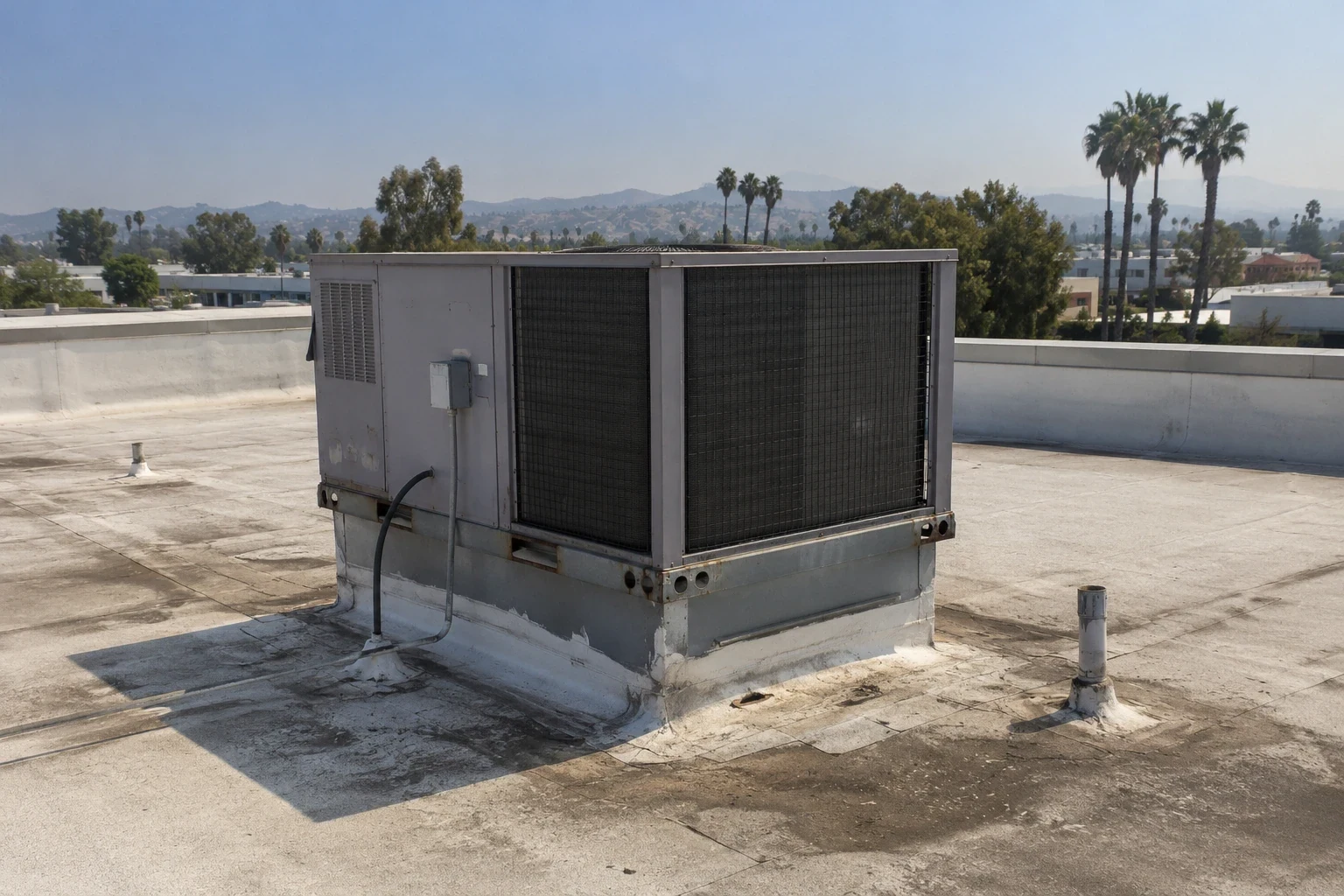
Solar equipment can introduce additional dead load, concentrated contact, and attachment demands that require the appropriate structural review. The design team establishes allowable loads and the proposed mounting arrangement, while we examine how that arrangement meets the roof assembly. Penetrating attachments require supported weather details; ballasted configurations still need their loading, movement, contact, and wind design reviewed. Neither approach is accepted simply because it avoids or includes membrane openings.

We distinguish structural attachment from waterproofing so both are assigned before construction. A roof patch does not establish the capacity of the supporting frame, and a structurally suitable mounting point still needs a compatible membrane connection. Coordination at rooftop equipment supports joins those responsibilities where the project requires them. The agreed sequence identifies who installs the attachment, when roofing follows, and how an unfinished opening remains protected between those tasks.

Temporary construction loads also require attention while equipment and roofing materials wait for installation. We coordinate approved staging positions and handling routes instead of assuming that capacity for the finished system permits any pallet arrangement during the work. Keeping that distinction in the sequence helps the project avoid placing concentrated materials over an unexamined deck area while another trade prepares the final supports.

Solar-Ready Commercial Roofing

An array layout with accessible drainage

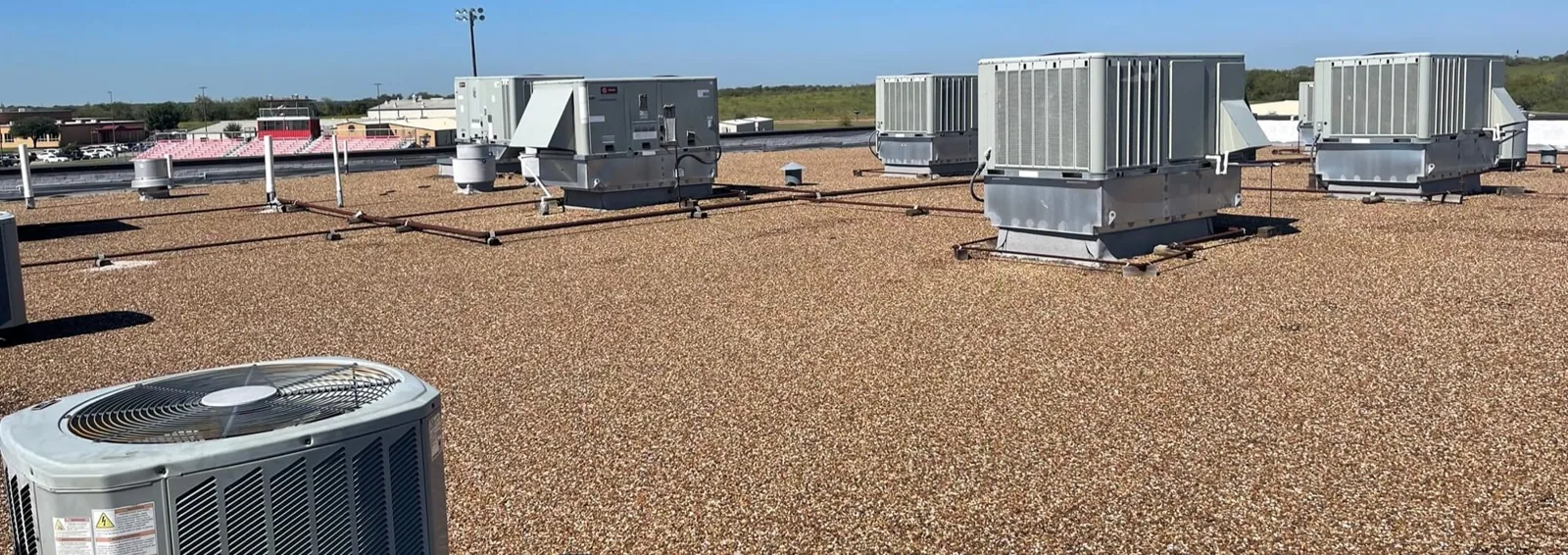
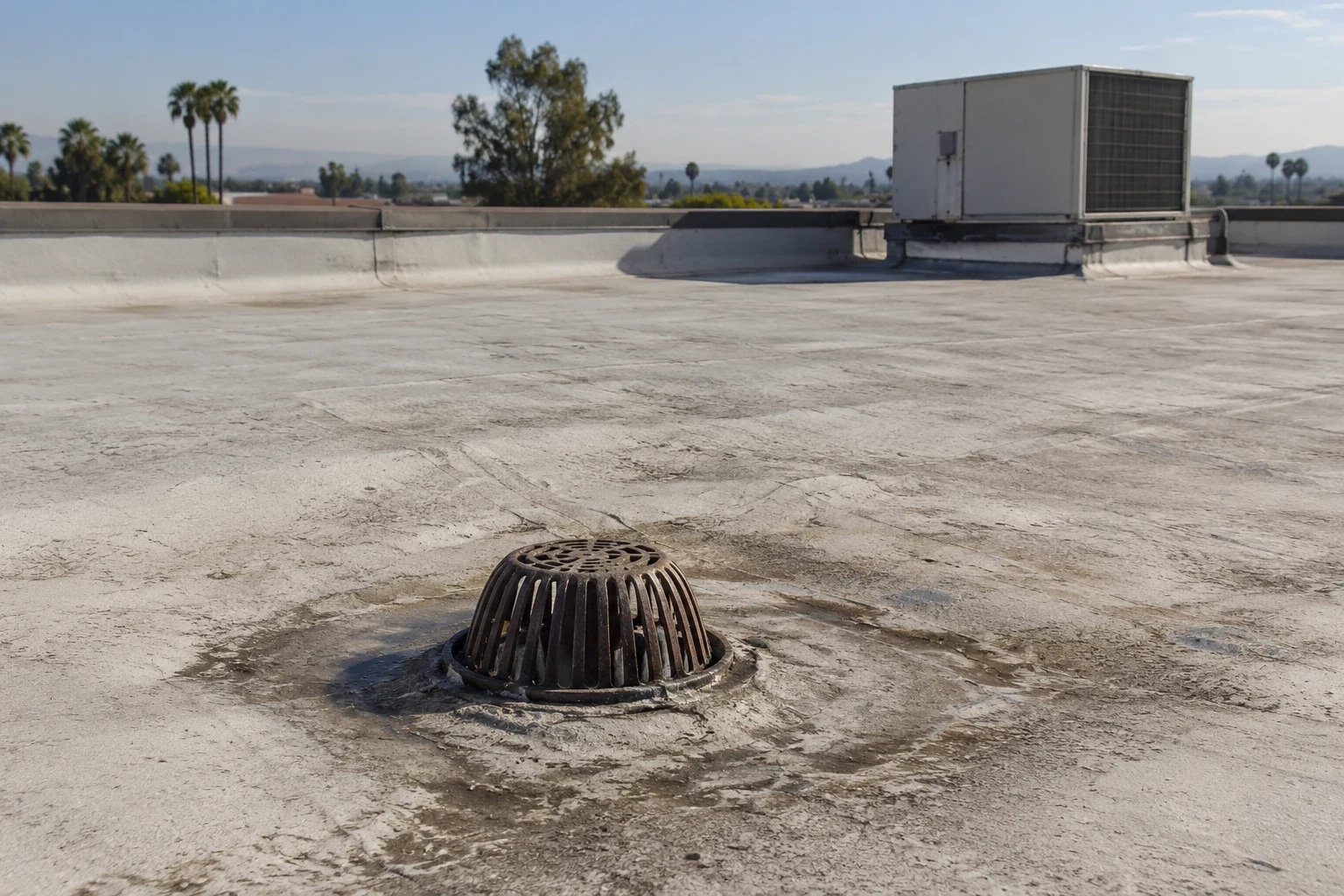
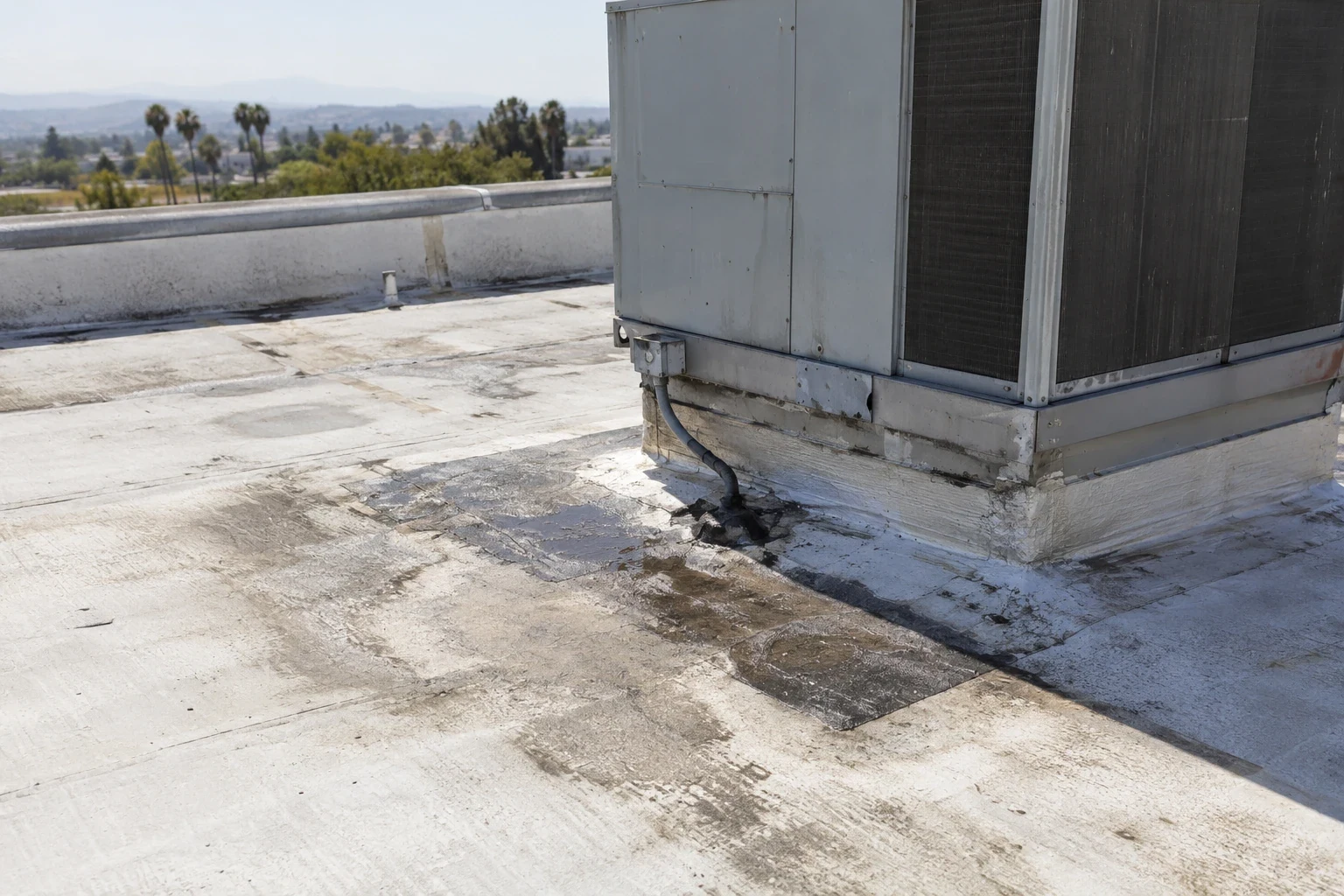
Equipment placement can restrict the path to a drain or complicate inspection of a flashing even if runoff remains open initially. We compare the proposed rows, supports, service paths, outlets, and secondary discharge before the layout is fixed. Roof water needs a usable route past the components, and maintenance staff need access to inspect and clear the relevant detail. Those are separate requirements to preserve within the equipment arrangement.

Drainage corrections before solar installation identify obstructed fittings and persistent low planes, with slope changes considered where the project design supports them. Cable and support routes should not create new debris barriers across that water path. We also identify compatible traffic protection for repeated service visits, making its location clear without covering important repair edges or outlet connections. The roof remains a maintained assembly beneath the equipment, not a surface made inaccessible after the array is installed.

Solar-Ready Commercial Roofing

Roof renewal within the solar capital window

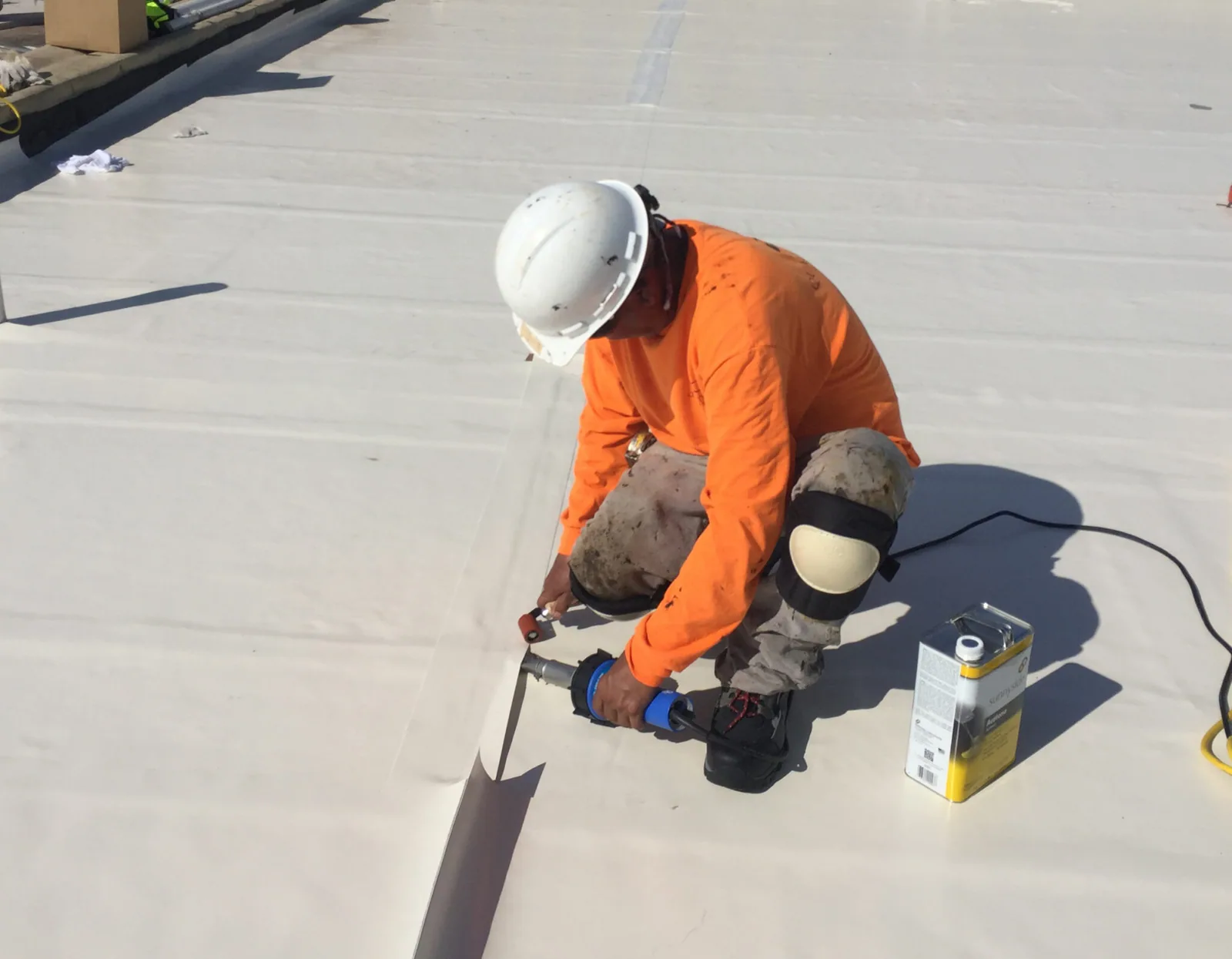
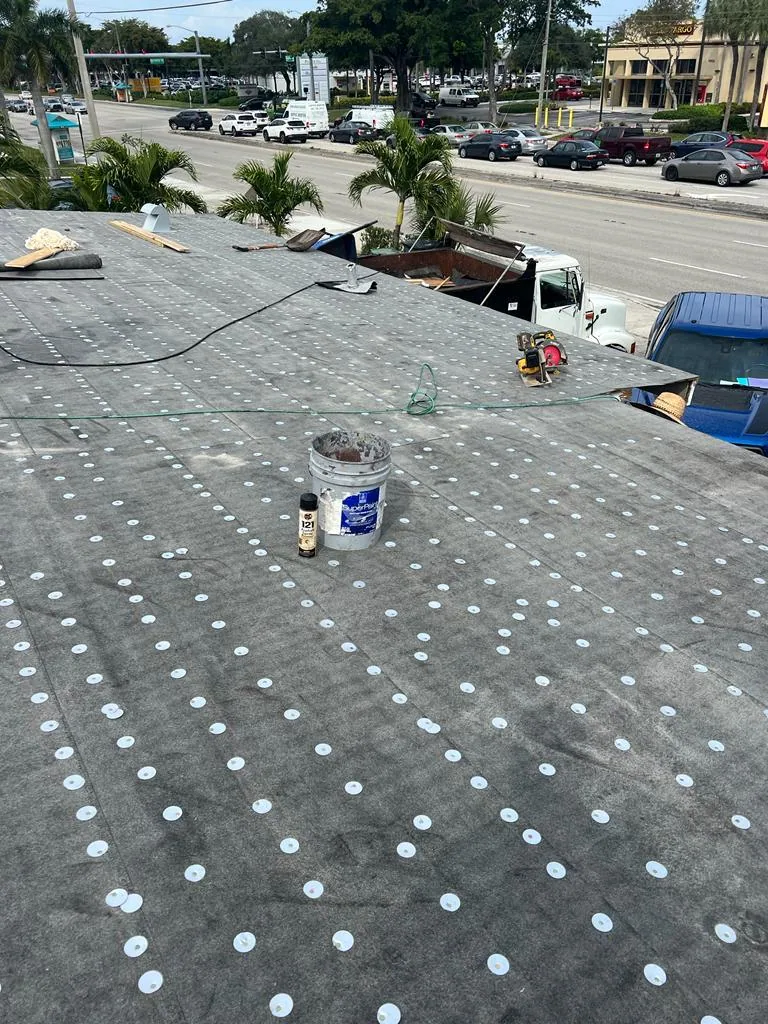
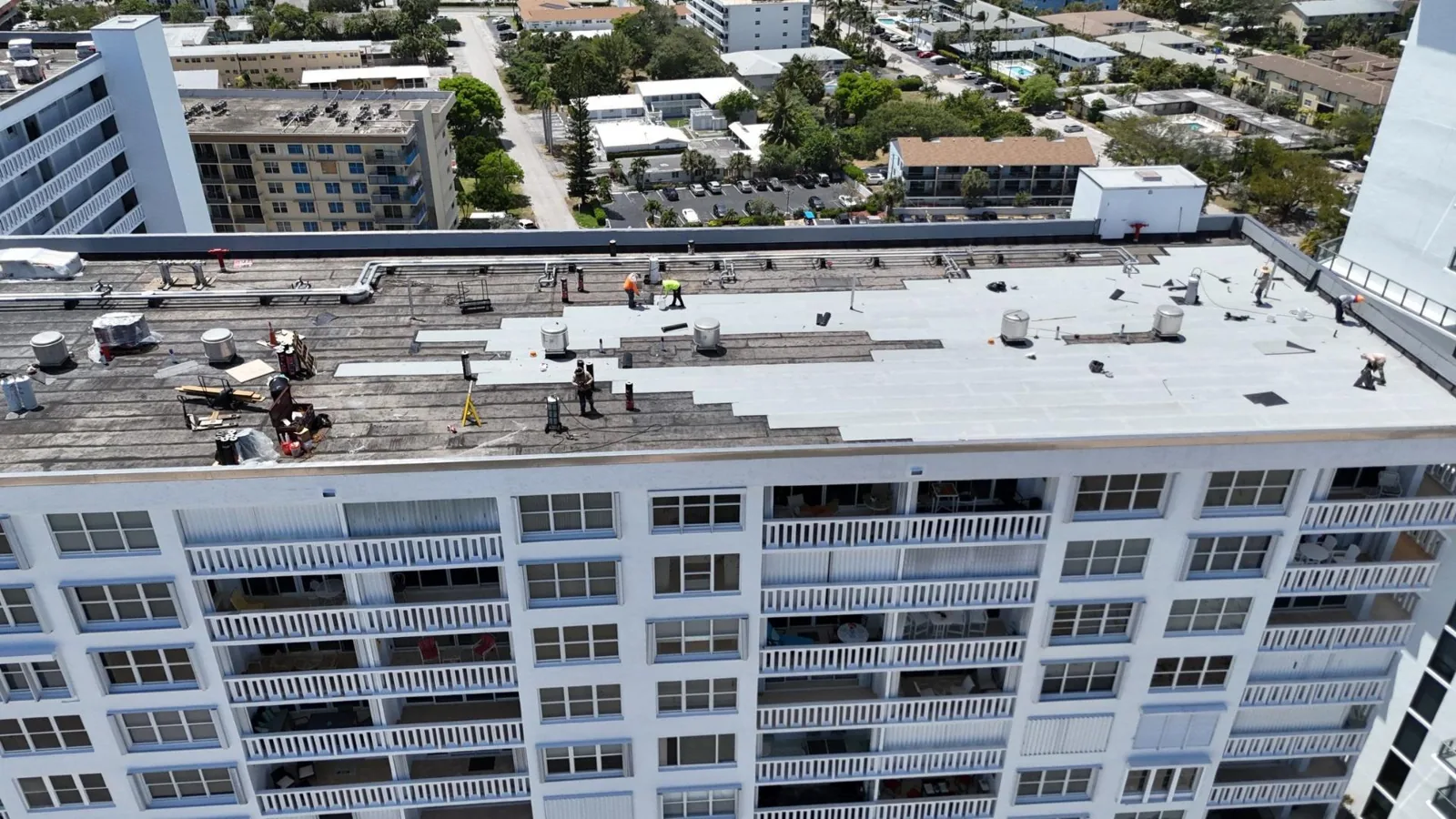
Replacing the roof first can be useful where confirmed condition already warrants removal, but the complete assembly still needs to accommodate the proposed mounts, equipment, and access. Membrane, insulation, cover board, attachment, edges, and drain connections are selected together. A recover has its own retained-layer and loading assessment, particularly when another equipment load is planned. We identify those decisions before reduced tear-off is presented as the simplest construction path.

Aligning roof renewal with the solar capital plan also considers equipment removal and reinstallation when an existing array is involved. The solar trade handles its system under an agreed sequence, and roofing phases fit the time available for removal and closure. A completed membrane area should not be reopened for a known attachment change without planning. The scope shows that change early enough to coordinate the required components and their permanent flashing.

Solar-Ready Commercial Roofing

Local operations and current exposure

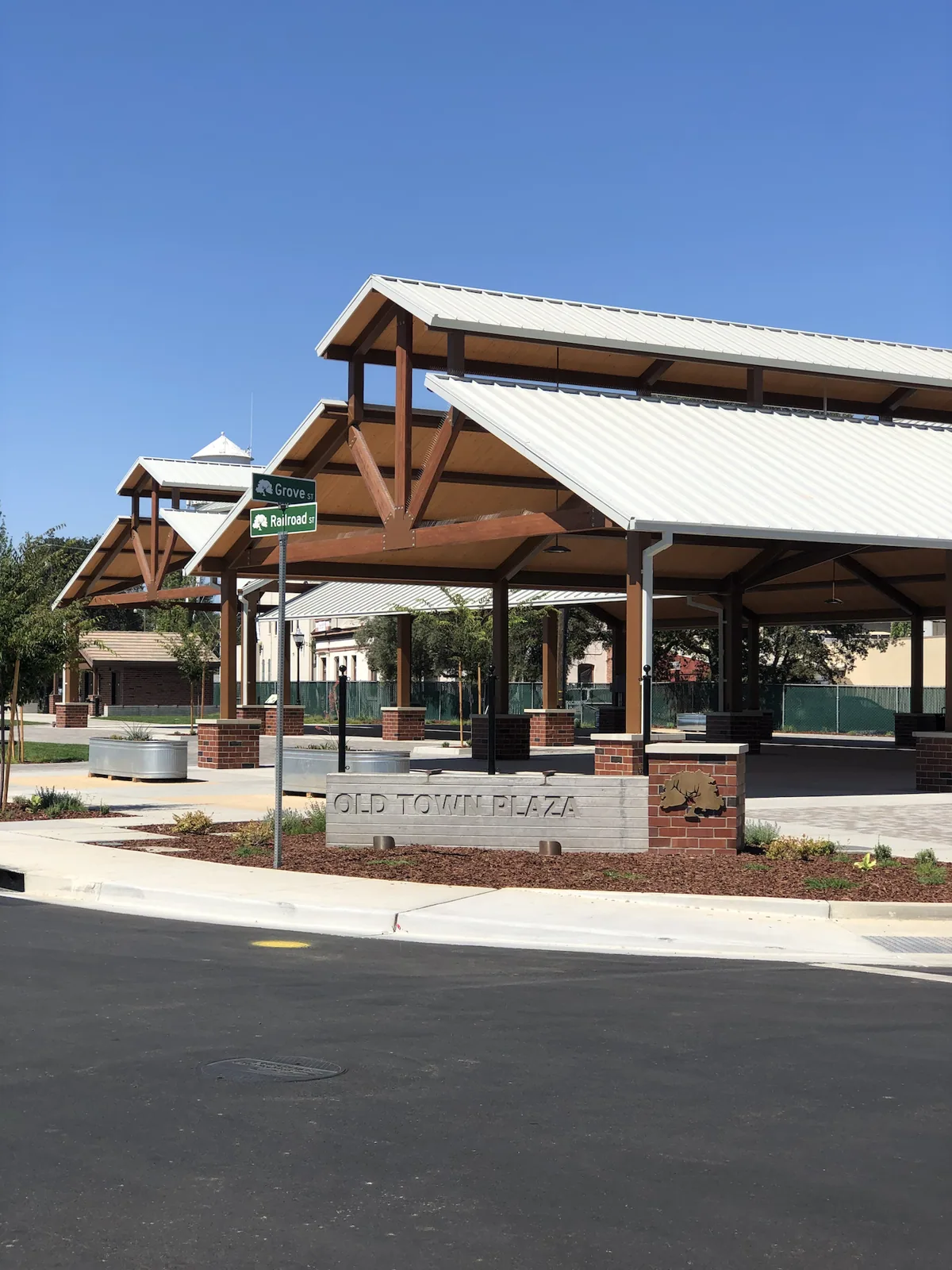
Elk Grove has commercial centers, business parks, hotels, and industrial employment areas, while Old Town contains shops, services, and restaurants. A solar-related roof project at an Old Town business property therefore needs its actual entrance and handling routes established before lifting or removal. At Laguna West Business Park, another property may have different equipment or tenant access restrictions. The inspection identifies the roof; the operating contact identifies the usable phase.

Regional heat planning and wildfire-smoke guidance can affect outdoor work and HVAC coordination during the project. We review the day's exposure and preparation needs rather than rely on summer dryness alone. Applicable Elk Grove building and energy provisions also inform the roof alteration and equipment project according to their permit basis. The design and construction teams identify the needed assembly information before procurement, keeping solar layout, roofing selection, and approvals on the same working sequence.

Solar-Ready Commercial Roofing

The roof record beneath the installed system

Cost and timing change with removal of existing equipment, concealed roofing correction, attachment fabrication, access limits, and the number of coordinated work phases. We describe those items before comparing roofing options, so an estimate that assumes unrestricted access is not confused with one including equipment handling. The completion record locates mounts, repaired areas, drainage changes, and protected service routes. It also retains the construction observed before those positions become difficult to reach.

Warranty documents need their actual alteration, inspection, and notification terms reviewed before roof work or new penetrations. We identify relevant coordination without assuming coverage from the roofing or solar brand. Later service should preserve drainage and identify any support movement, debris, or membrane injury found beneath accessible areas. Urgent roof response remains available overnight, during holidays, and on weekends where safe entry permits protection. Permanent repair around equipment follows the agreed isolation, access, and material requirements.

Compare the solar layout with the retained roof

Arrange a review with the roof plan, moisture history, proposed array and mounting layout, equipment schedule, and access limits. We will identify roofing prerequisites and a coordinated scope decision.

Call 555-555-5555 or email [email protected].

Questions About Solar-Ready Commercial Roofing

Does a dry summer inspection settle whether the roof can stay under solar?

Present condition and concealed findings establish retention suitability. We review prior water reports and identify testing where dry surface observations leave a relevant layer question unresolved.

Can a ballasted array avoid all roof assembly review?

Ballast still introduces loads and contact conditions. Structural design, movement, drainage, and membrane protection need review before that arrangement is accepted.

Should known roof replacement be completed before the new array?

Confirmed replacement need can favor that sequence. We coordinate mounting details and the finished assembly so planned equipment work does not reopen newly installed roofing unnecessarily.

What records matter once the array limits roof access?

Keep roof findings, concealed corrections, mounting positions, drainage changes, and completed photographs together. Those records help later service locate details and distinguish equipment changes from earlier roofing work.

ServicesRoof SystemsIndustriesProperty TypesService AreasDamage RepairCapabilitiesManufacturersContactAboutRequest a Roof Assessment555-555-5555
Call555-555-5555