Commercial Roof Coating Restoration in Elk Grove, CA

Evaluate Elk Grove roof coating restoration with adhesion checks, moisture confirmation, preparation boundaries, drainage corrections, and cure planning.

Commercial Roofing Services  /  Call 555-555-5555

Commercial Roof Coating Restoration at a Glance

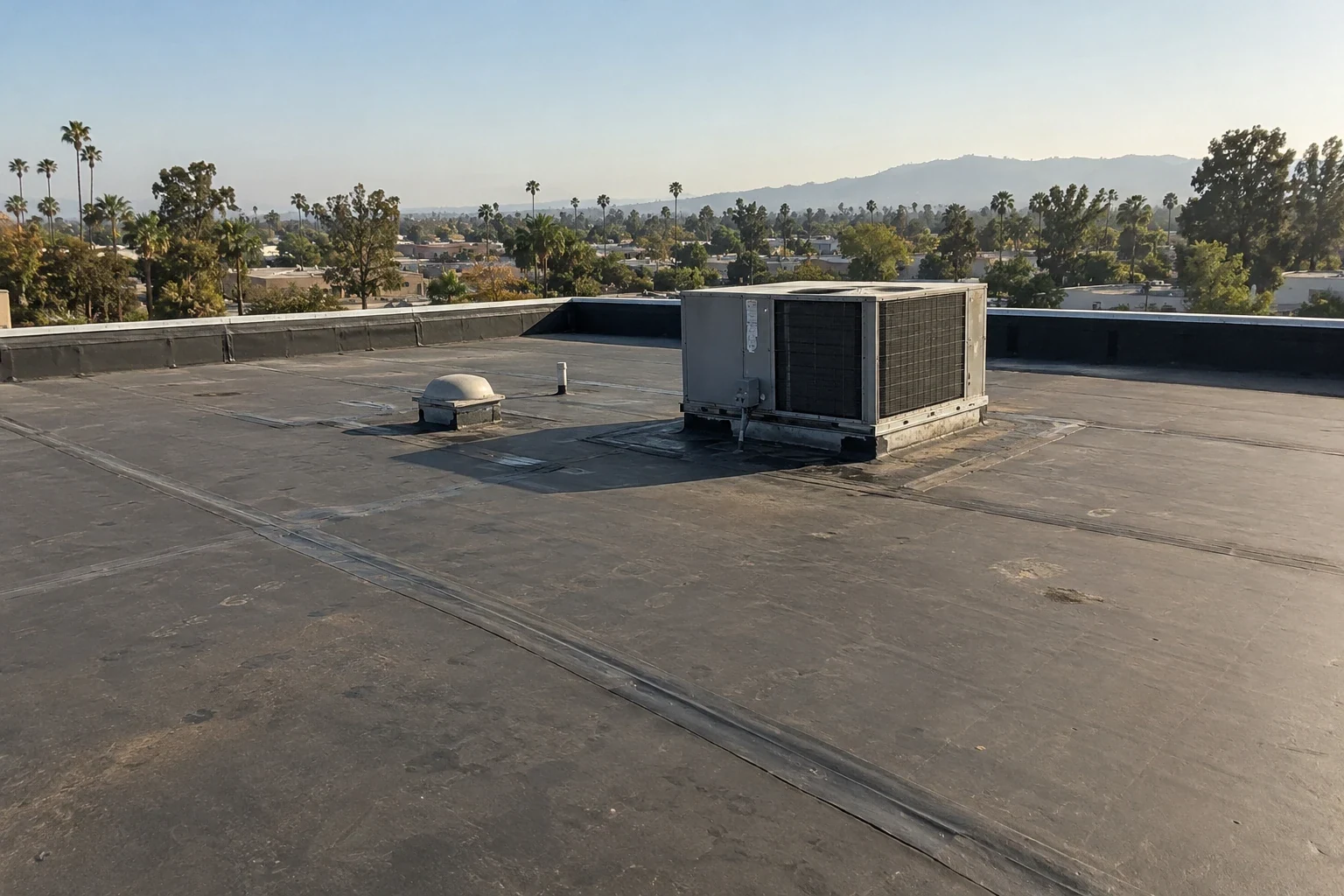
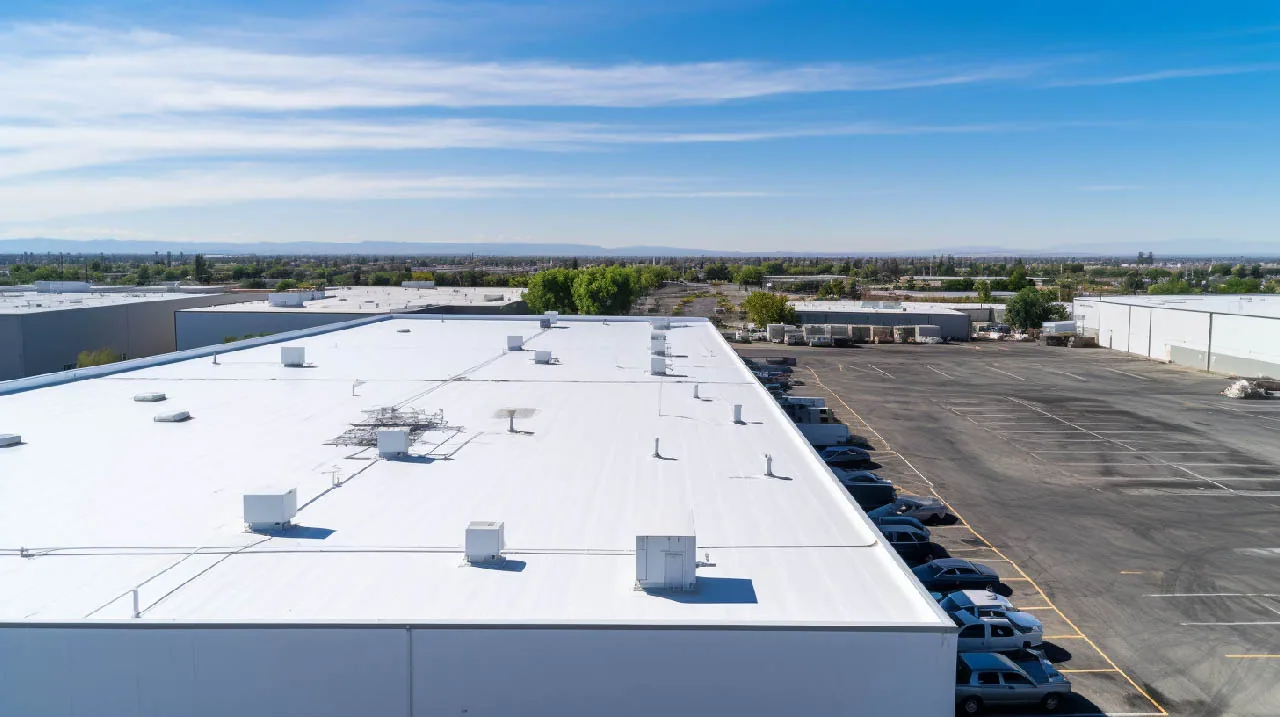
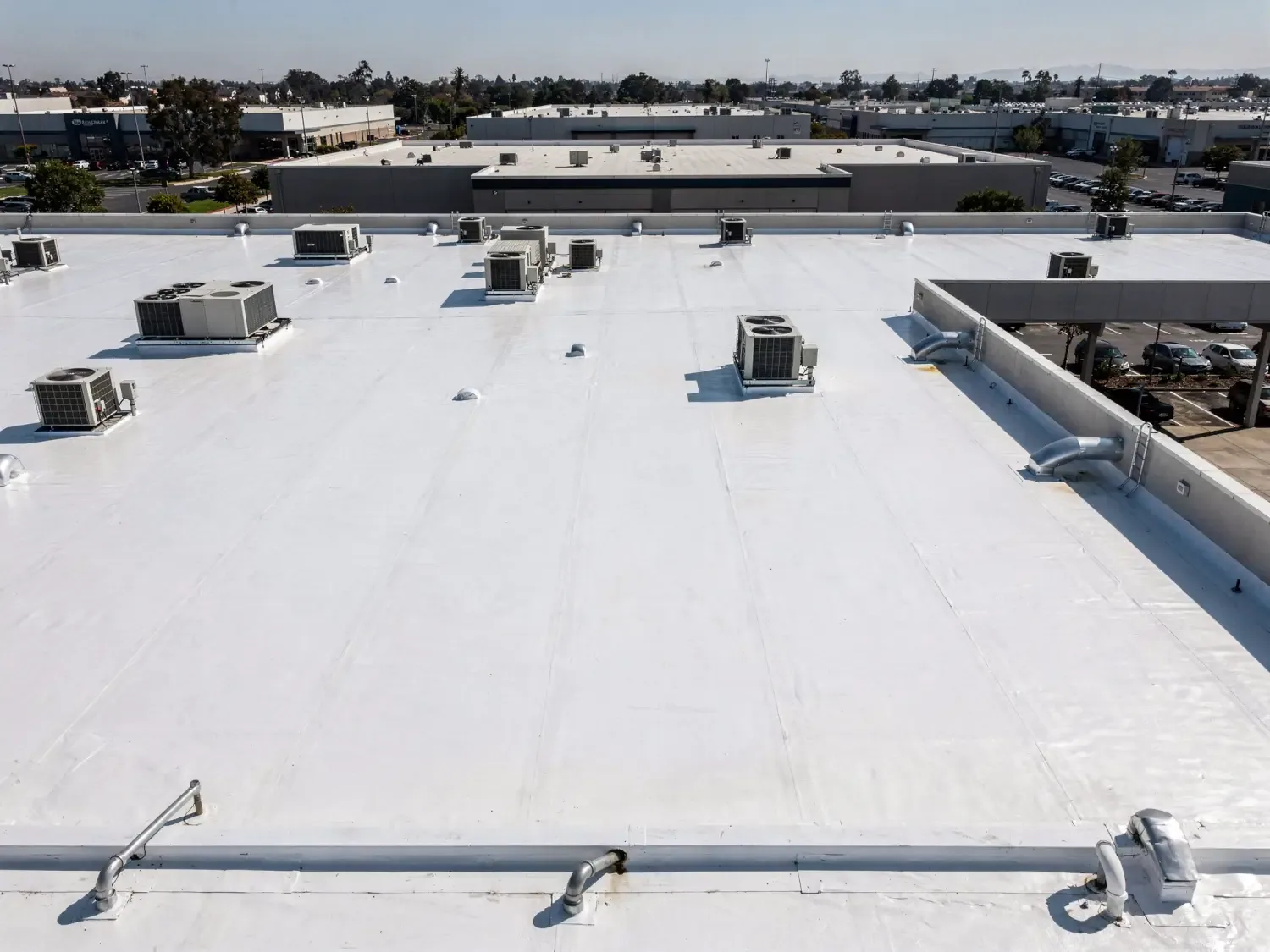
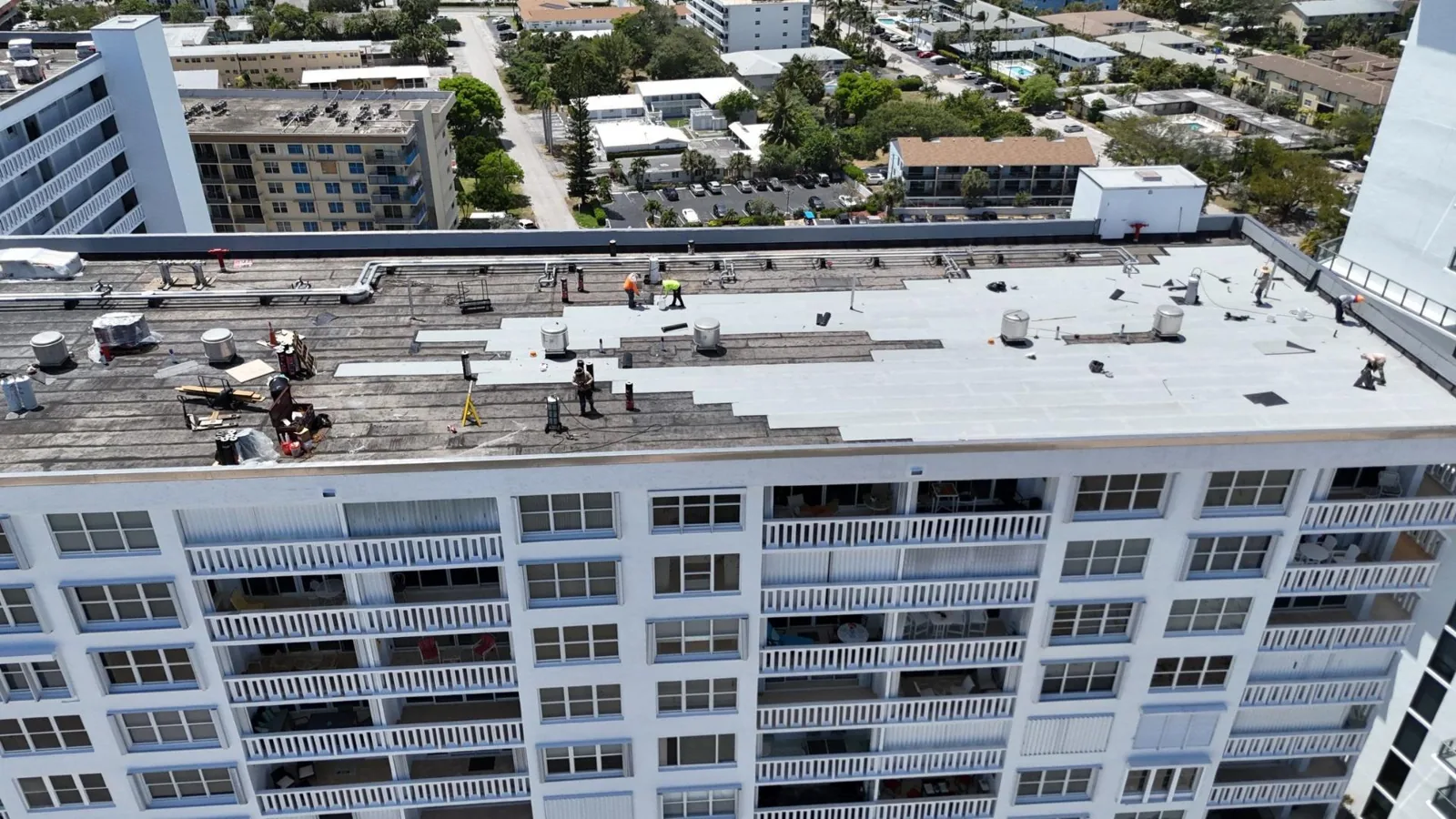
Loose surfacing beneath a proposed coating changes the restoration scope before the application rate is chosen. Roof coating restoration in Elk Grove, CA requires a receiving assembly that can remain in service, with existing moisture, seam movement, and drainage addressed before the field receives new material. Commercial Roofing Elk Grove examines those conditions and compares preparation with the work needed to remove unsuitable layers. A coating is a restoration choice only where its receiver supports the intended correction.

The Sacramento Valley has summer heat and dryness followed by rain in the cooler season. That change affects cleaning, drying, application, and the time available to protect uncured material. A dry calendar period helps planning, but the actual surface and product requirements govern each work phase. We connect the restoration decision to those conditions rather than selecting a finish from appearance alone.

Compare restoration with the receiving roof

Arrange a coating review with prior product information, leak positions, outlet history, and the operating schedule. We will identify preparation, wet-layer decisions, and a workable application boundary.

Request a roof assessment or call 555-555-5555.

The right system depends on the roof deck, drainage, insulation, rooftop equipment and how the building is used. These are the systems we install, repair and maintain around Elk Grove.
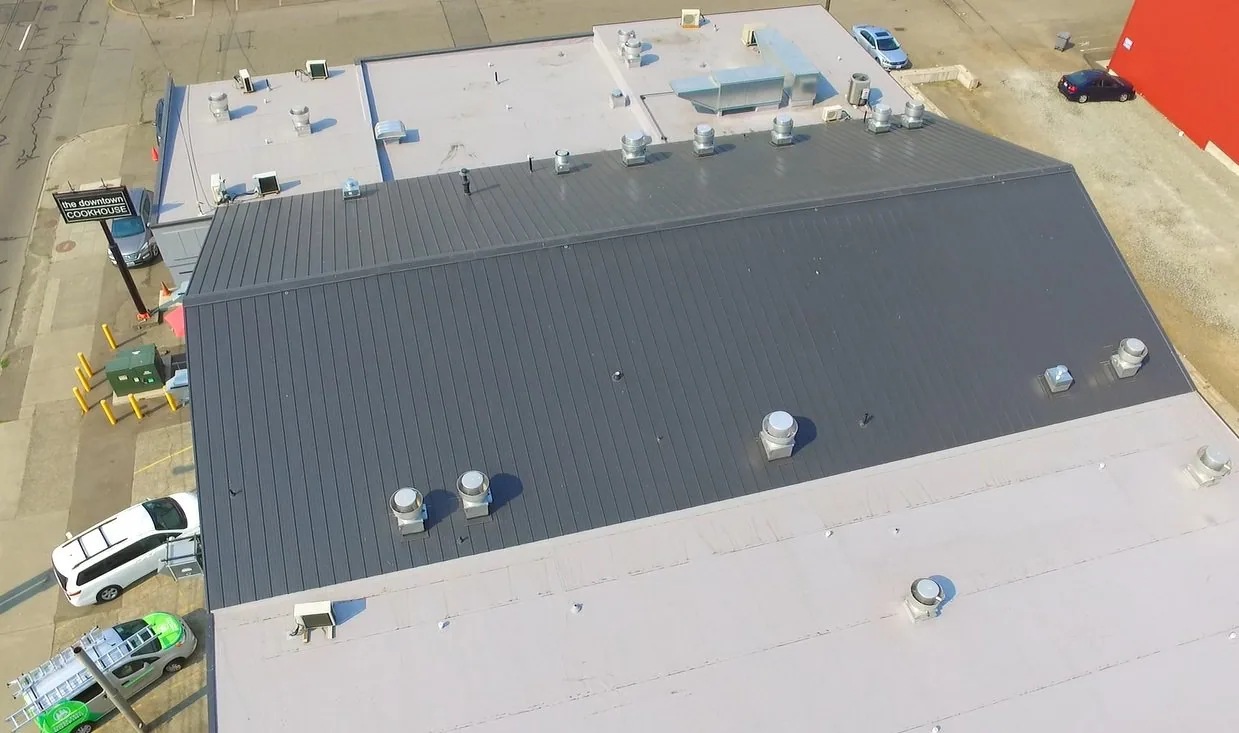
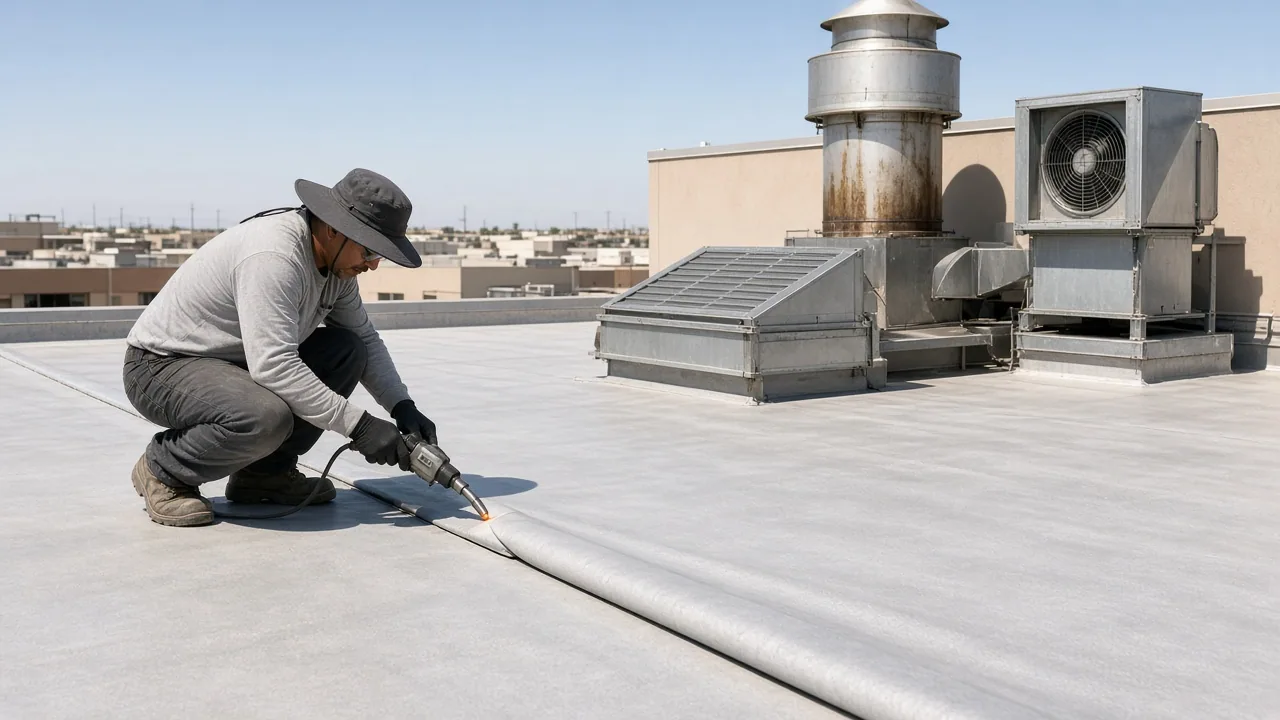
Don't see your roof system? Ask us or call 555-555-5555.

A surface that can receive the system

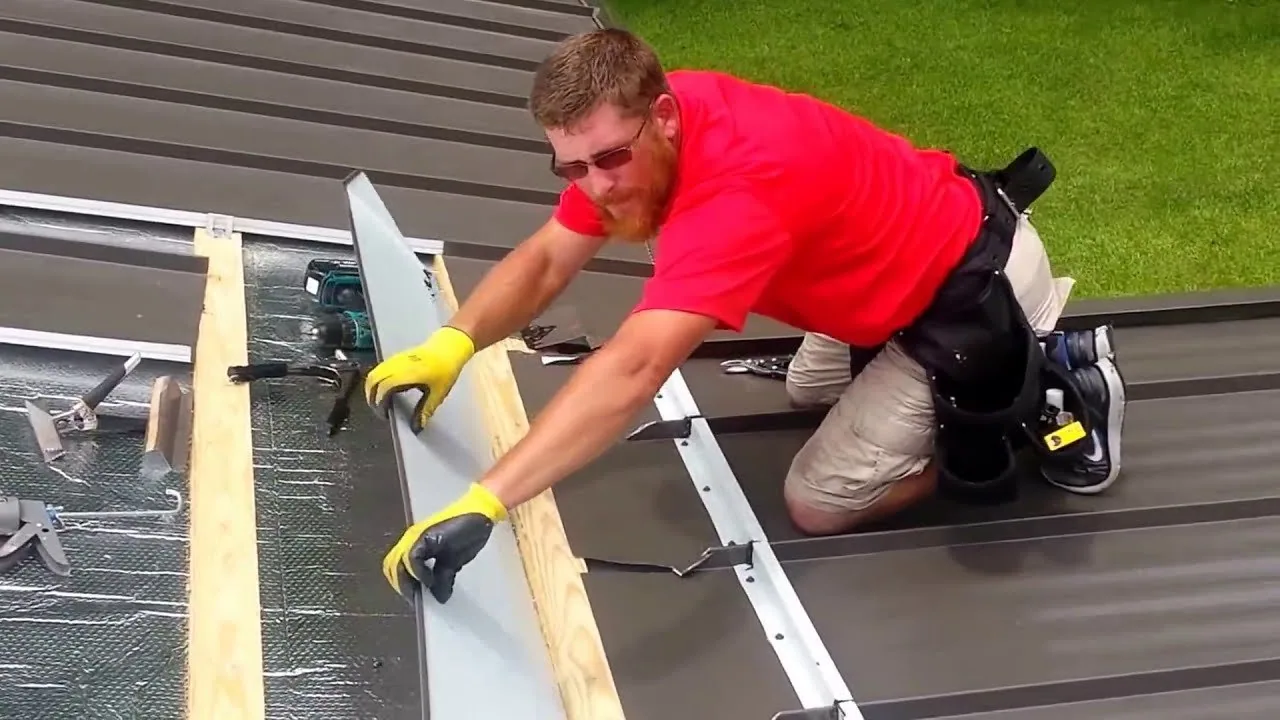
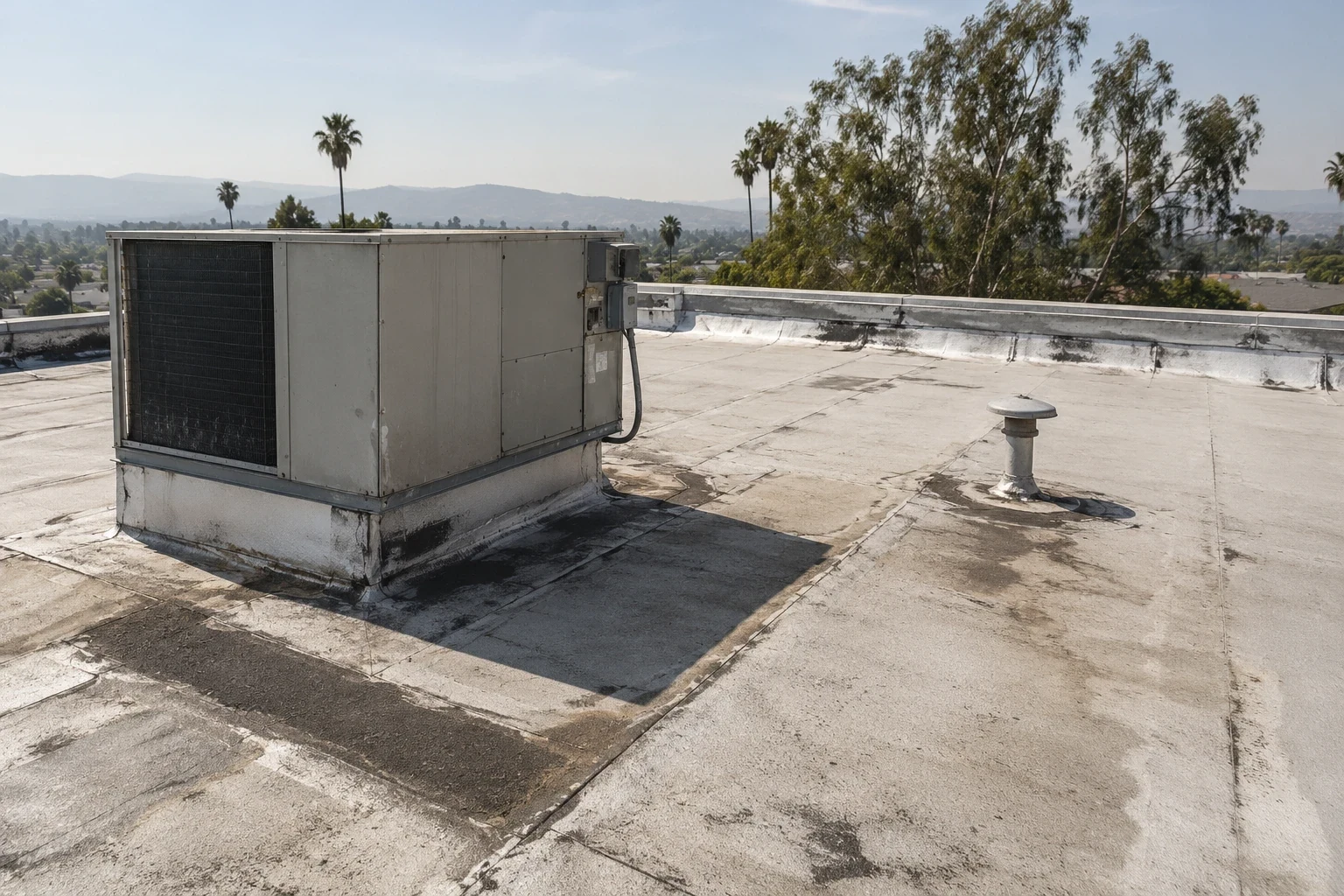
Peeling old coating, oxidized metal, contaminated membrane, or exposed foam presents different preparation needs. We identify the installed material and prior treatments, examine adhesion at useful positions, and determine which surface can remain. Where existing material releases from its base, a new film may bond to the old layer while that layer continues to detach. The inspection must reach the connection that will carry the restored surface.

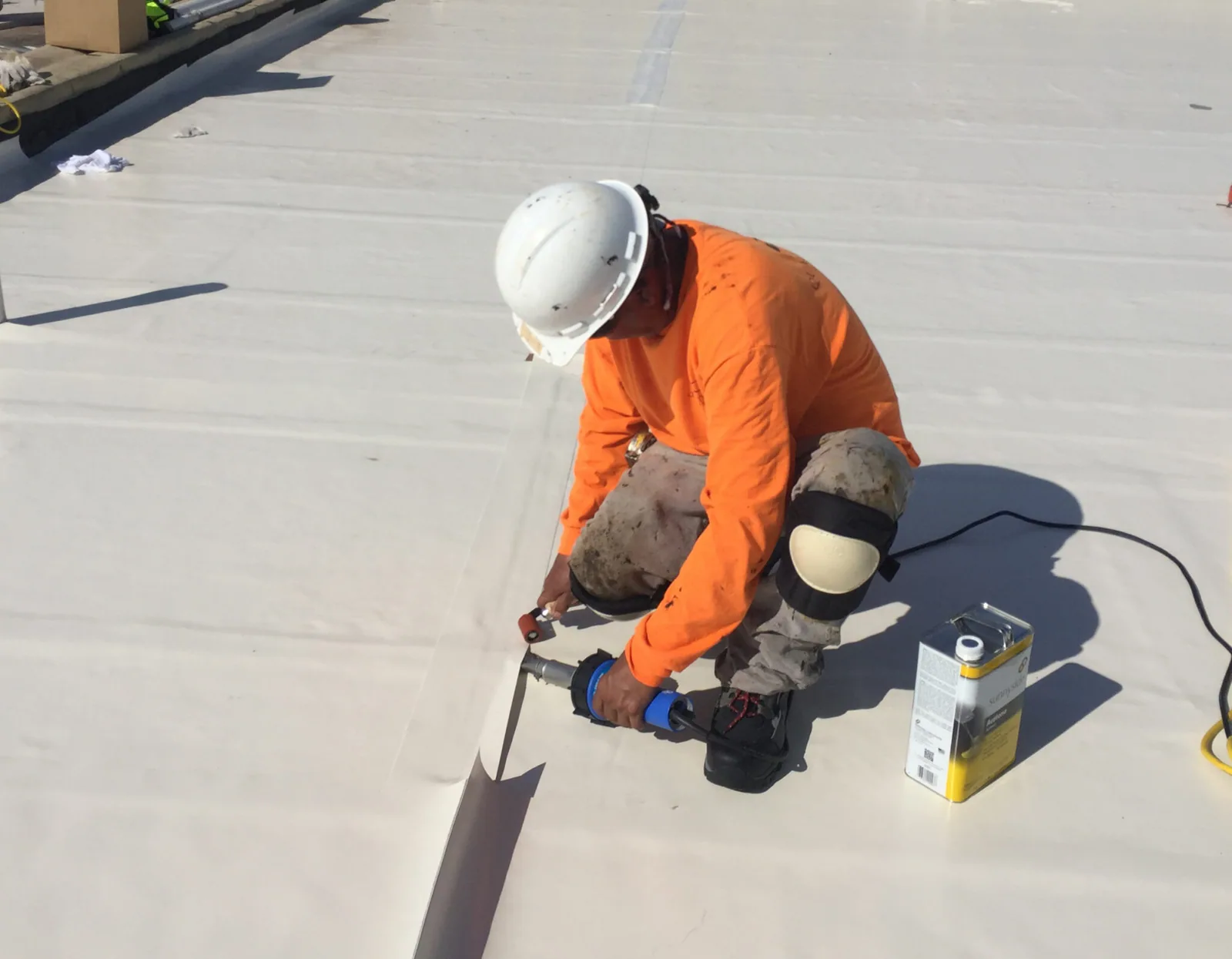
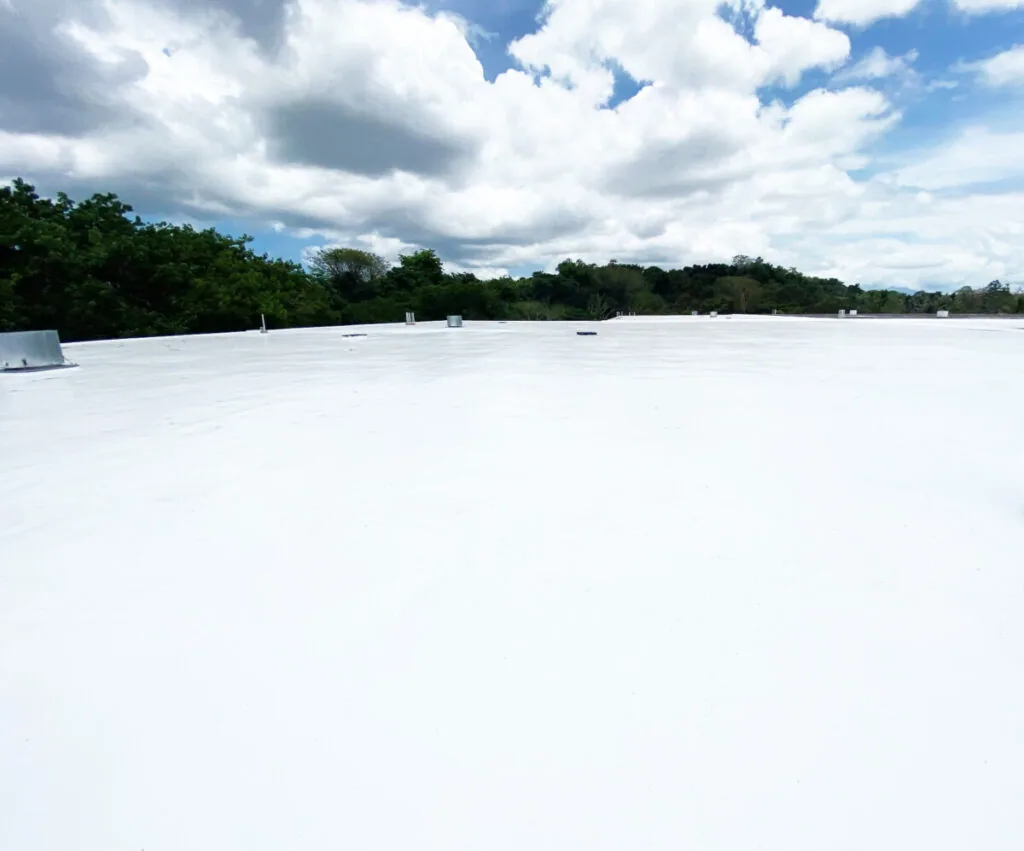
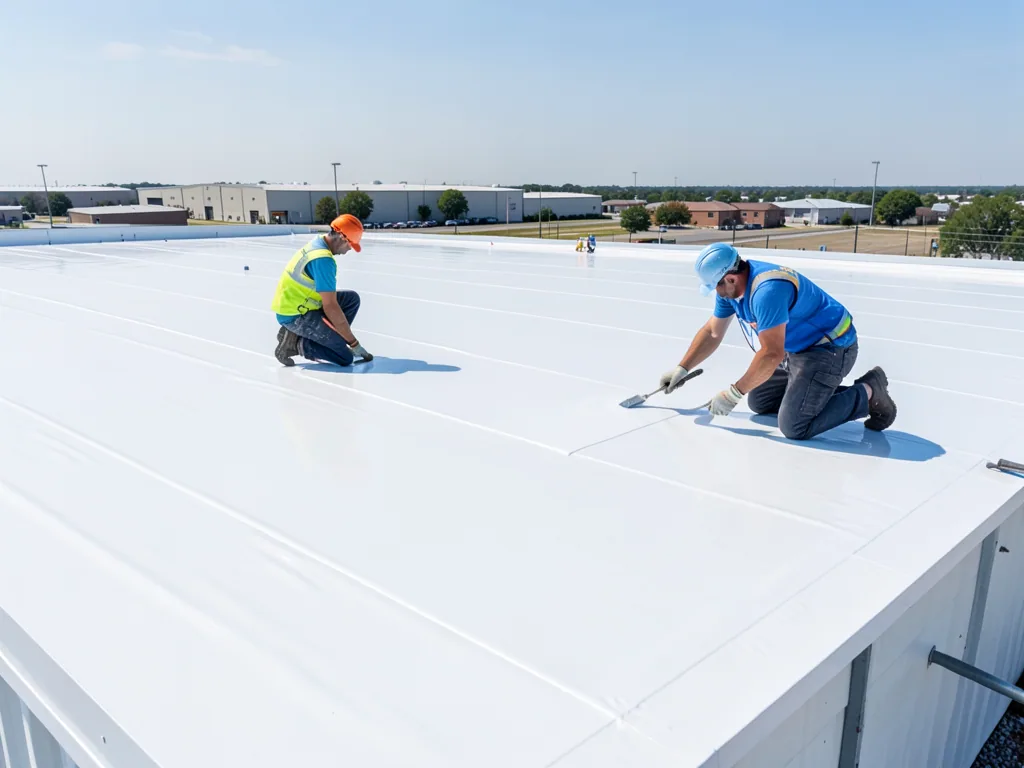
An acrylic restoration system needs its specified substrate and cure conditions, while silicone coating preparation follows the selected material’s compatibility requirements. Neither chemistry resolves an uncertain assembly by itself. We identify primer, reinforced details, cleaning methods, and any adhesion trial within the proposed area. The owner can compare a complete preparation scope instead of two prices that include different work.

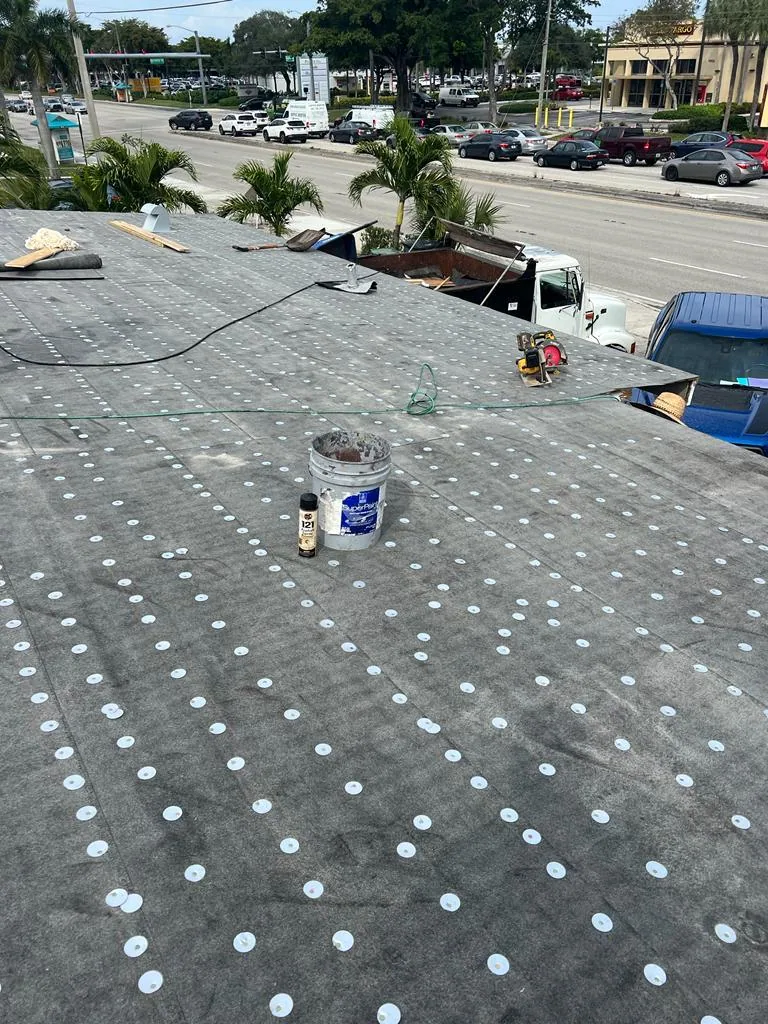
Previous patches receive separate examination where they interrupt the receiving surface. Incompatible sealant, loose fabric, or a thick repair ridge may need removal or rebuilding before field application. The restoration boundary should describe those positions and how the new system will meet them. Sound material is the starting requirement, not the result of covering an unstable detail.
Commercial Roof Coating Restoration

Related Roofing Work

Other pages that cover parts of the same roof question.
Roof leaking now?

Call 555-555-5555 for emergency roof repair in Elk Grove and nearby communities.
Commercial Roof Coating Restoration

Wet layers outside the coating allowance

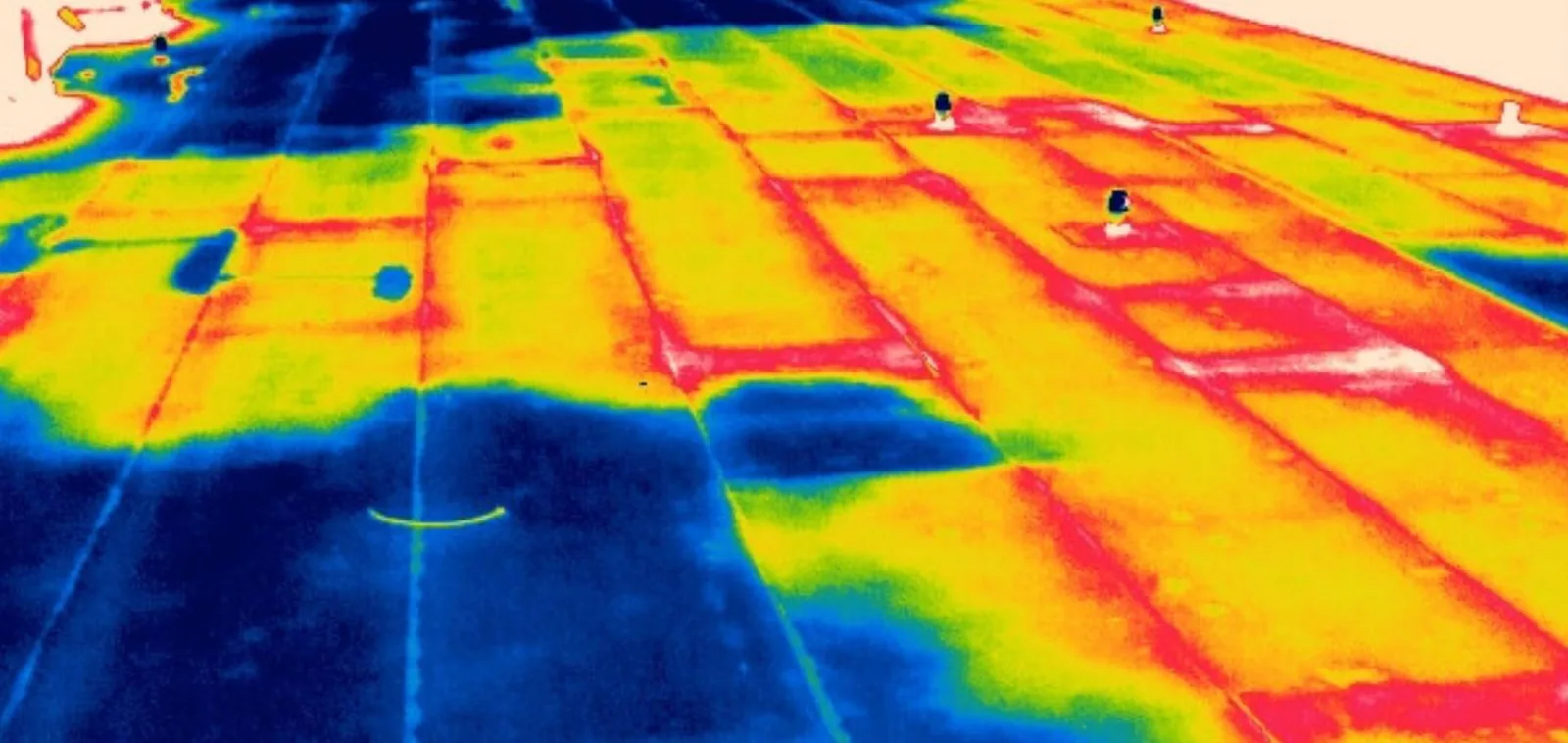
A blistered area can reflect moisture or loss of bond below the surface, making a coating-only correction uncertain. We inspect its relationship to nearby seams, outlets, and interior reports, then identify the concealed question that changes the scope. Suitable thermal screening can guide sample locations, with confirmation needed before defining wet insulation removal. A surface pattern alone should not become a broad tear-off quantity.

Through a moisture investigation before restoration, the affected positions can be separated from apparently sound field areas. Samples describe their locations, so a wider boundary may require further examination. We explain what will be opened, how it will be restored, and which finding would stop the coating proposal. Wet insulation that cannot remain needs its own removal and compatible reconstruction before that area is considered application-ready.

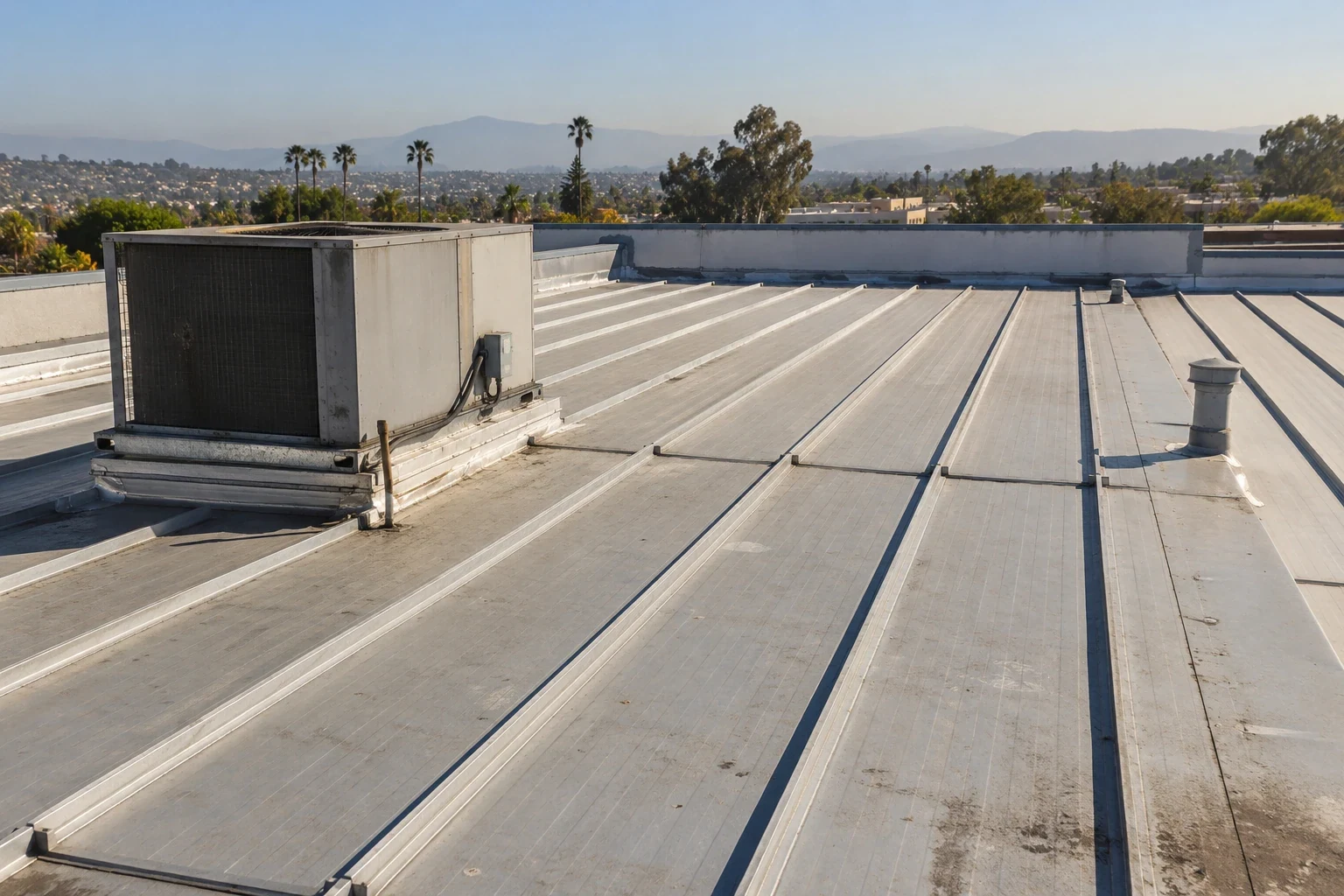
The remaining field should also be checked for attachment and movement. A loose sheet or shifting panel can stress a coating at the same seam after application. We identify the assembly correction and any design or equipment dependency first. Surface renewal needs a stable roof underneath it.

Commercial Roof Coating Restoration

Water flow through the restored field

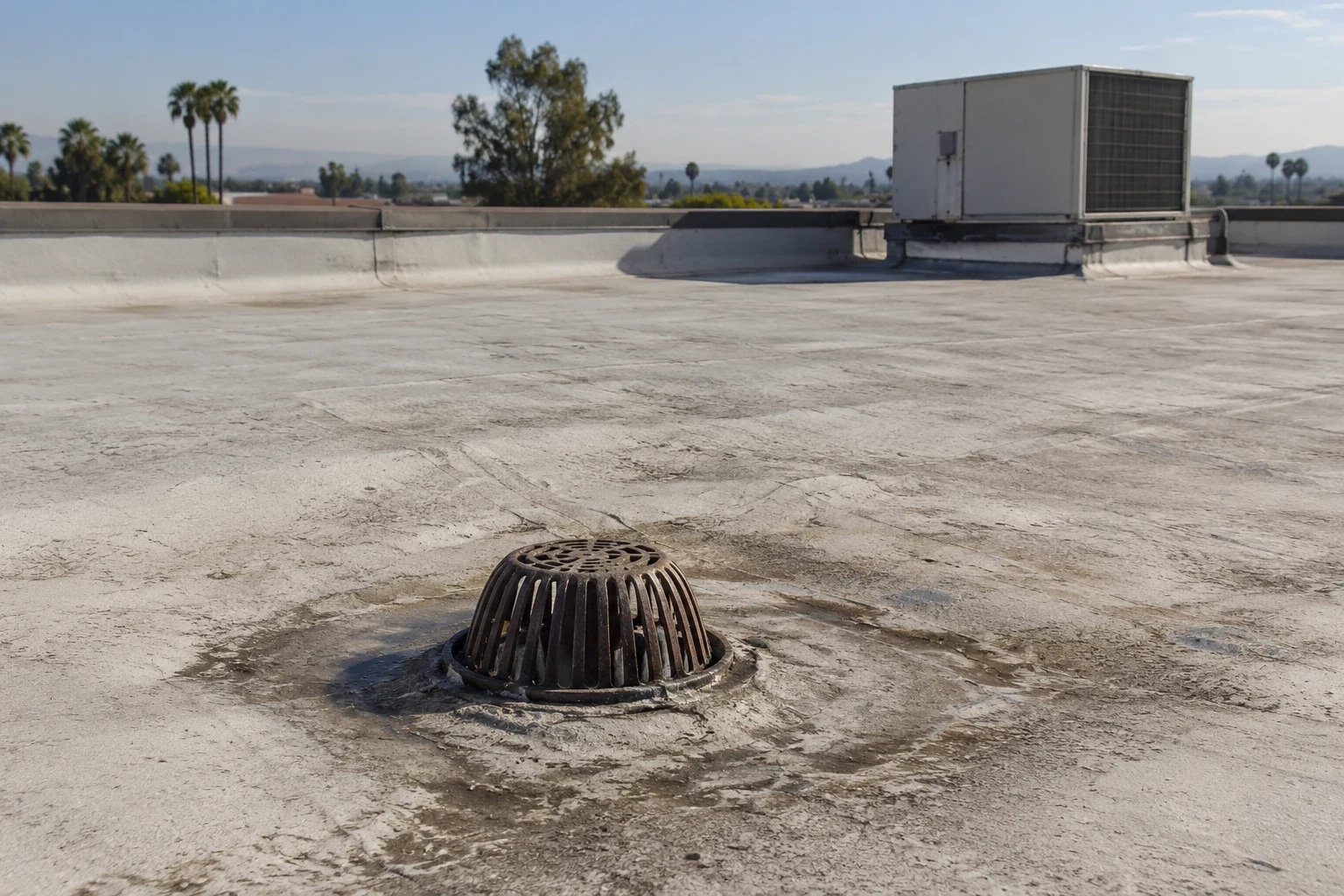
A low plane feeding a restricted drain can keep a prepared surface wet long after surrounding areas dry. We examine outlet seating, membrane connections, scupper throats, and overflow paths before choosing coating limits. The liquid follows the existing roof geometry; additional application does not establish a designed slope change. Drainage work should remain visible in the proposal rather than be hidden within a general surface-preparation allowance.

Outlet and scupper corrections can restore a defined discharge route, while a persistent depression may need a separate insulation or assembly design. Product water-exposure requirements must fit the remaining condition. We also inspect curbs, pipe flashing, and perimeter transitions where water can enter below the field. Those details may need repair or reinforcement before application reaches them.

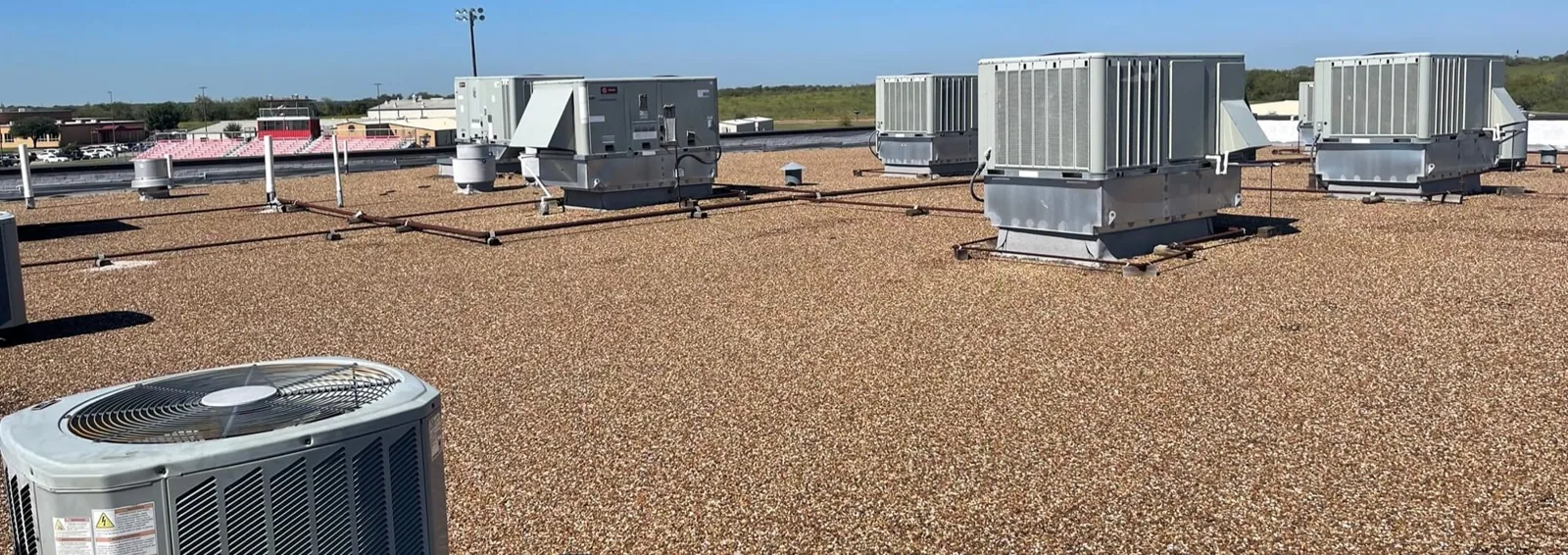
Each corrected seam or penetration should be ready for its prescribed treatment before broad coating begins. The sequence identifies cleaning, repair, substrate acceptance, and application as distinct tasks. A missed curb corner can leave an opening within an otherwise continuous finish, so the field and details receive connected examination.

Commercial Roof Coating Restoration

Preparation beside working entrances

A spray or cleaning operation beside an air intake needs a different protection plan from brush work on an isolated roof section. We identify the application method, ventilation dependencies, adjacent vehicles, and occupied space with the building contact. The work zone includes the areas that could be affected by material movement, washing, or application. Protection decisions are made before equipment is staged.

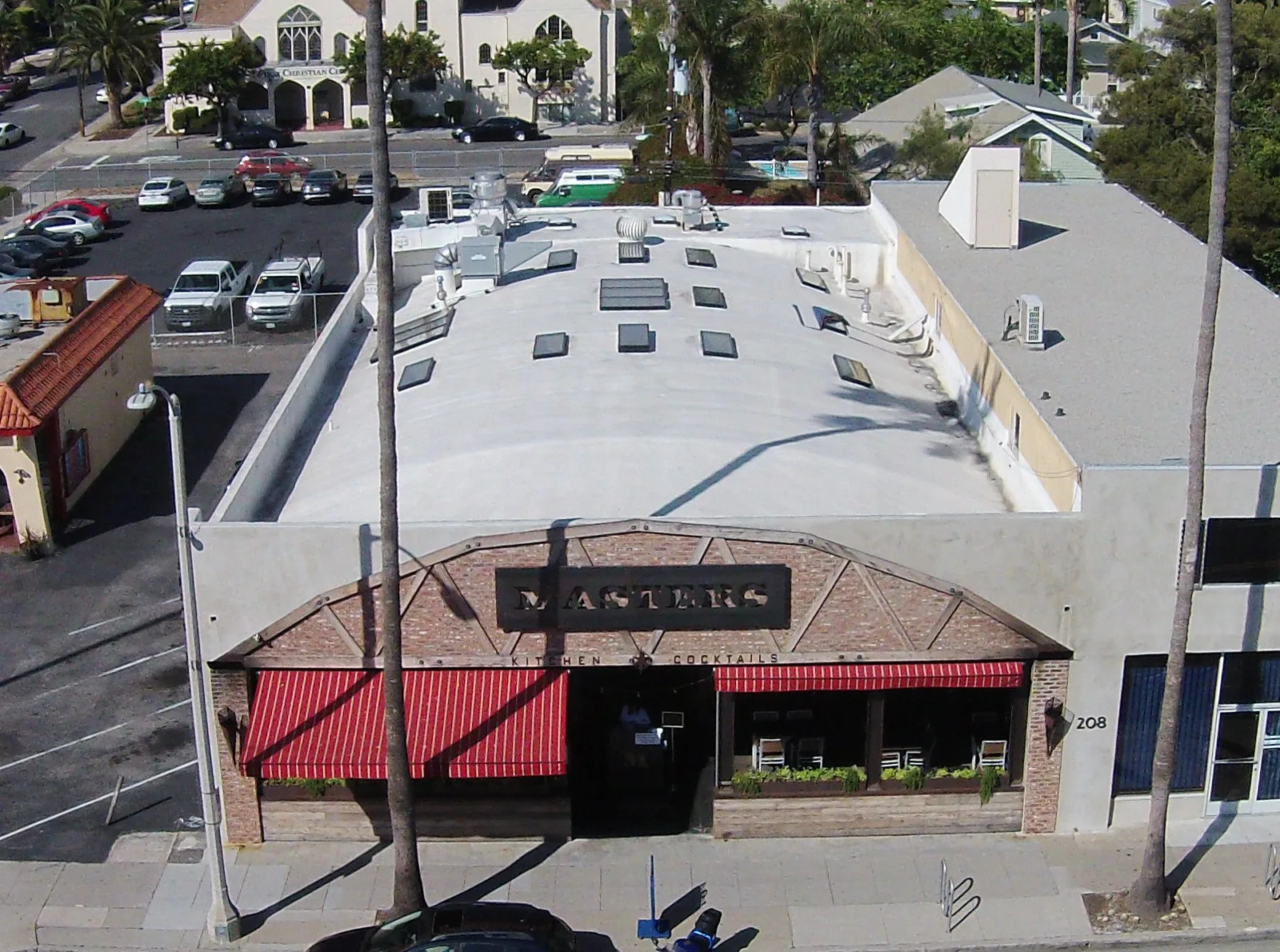
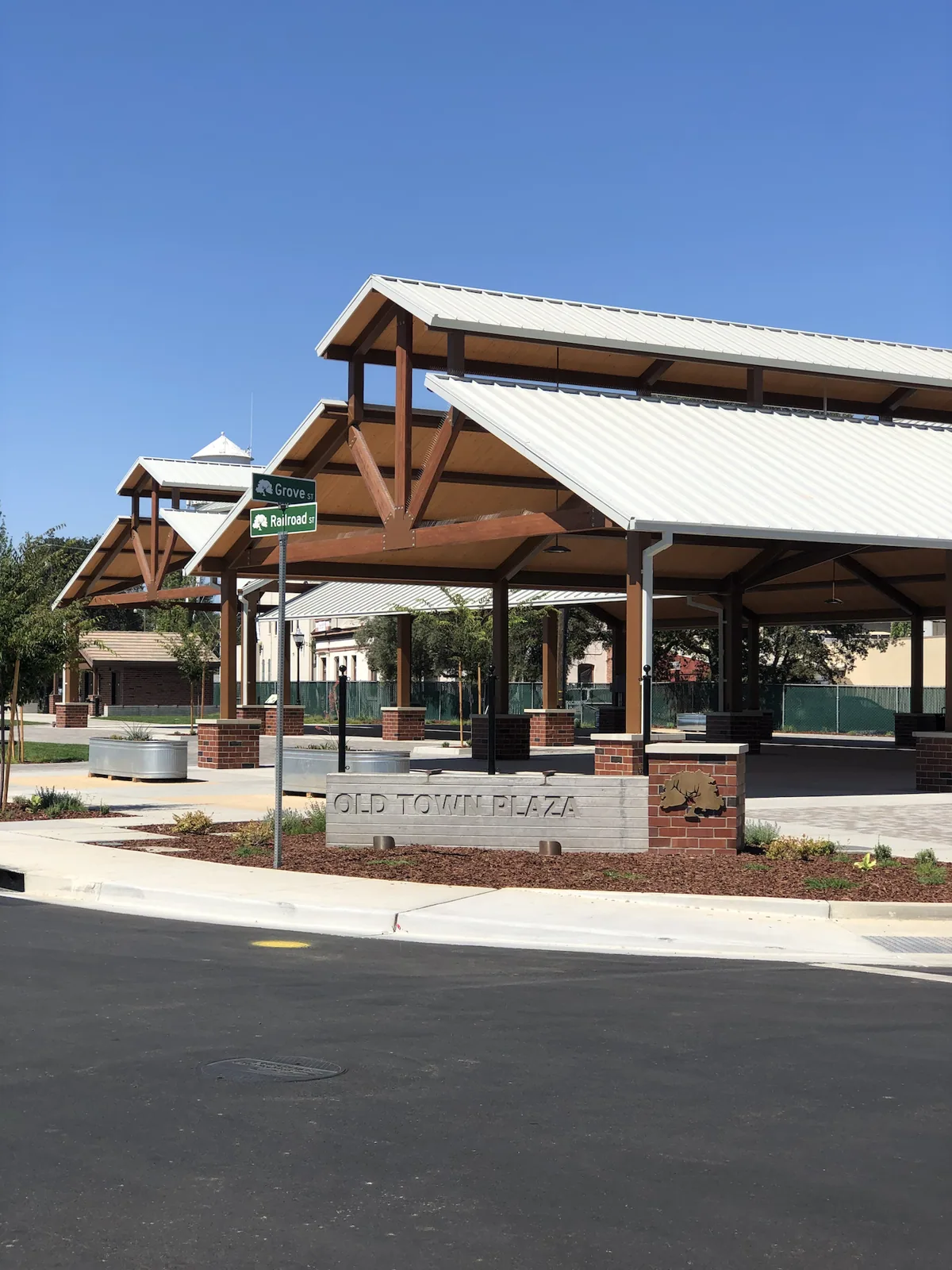
Old Town’s shops and restaurants need their actual service entrances and operating periods considered during roof preparation. An Old Town restoration project receives a defined delivery and public-access plan. Laguna West Business Park provides another local business setting, where unit servicing and tenant access may intersect with the coating phase. The operating contact identifies those restrictions and the crew establishes a stopping boundary that can be secured.

Regional wildfire-smoke guidance includes outdoor work and HVAC operation. We consider the current exposure and the facility’s equipment direction when confirming whether the planned tasks can proceed. A changed ventilation or weather condition can alter the application window. The condition of exposed preparation remains part of that decision so an interrupted task has a clear return action.

Commercial Roof Coating Restoration

Preparation weighed against renewal

Extensive wet removal, widespread loss of bond, or failing transitions can make restoration more involved than the initial surface estimate. We compare those findings with retaining serviceable areas and rebuilding the damaged assembly. A replacement comparison for unsuitable layers identifies which conditions change the decision. The capital window should reflect the roof work actually required rather than the shortest application schedule alone.

Cost drivers include cleaning difficulty, detail reconstruction, access equipment, moisture testing, and the area that can cure without traffic. At completion, the building team receives the coating identity, preparation and repaired positions, application information, photographs, and any excluded condition. Cure-related restrictions remain in place until the selected system allows the relevant use. Future repairs need those material records to preserve compatibility with the restored surface.

Inspection after equipment work can compare the finished coating with the original roof marks. New punctures, altered supports, or debris at an outlet deserve their own correction. The restoration remains a maintained assembly, with service routes and drainage checked as part of continued care.

Application checks should follow the selected system’s prescribed coverage and thickness method, including difficult edges and reinforced details. We record corrections where coverage is incomplete and keep those positions accessible until the finish is accepted. Container usage alone does not describe the distribution of material across the roof.

Compare restoration with the receiving roof

Arrange a coating review with prior product information, leak positions, outlet history, and the operating schedule. We will identify preparation, wet-layer decisions, and a workable application boundary.

Call 555-555-5555 or email [email protected].

Questions About Commercial Roof Coating Restoration

Can a new coating remain bonded where the old finish is peeling?

Loose existing layers need examination and preparation before application. We establish the sound receiving surface and describe removal or adhesion checks within the restoration boundary.

What changes the proposal after wet insulation is confirmed?

Removal and reconstruction of that affected area become separate requirements. The adjoining field is assessed for retention before coating limits and quantities are finalized.

Should a shallow roof depression receive extra liquid to direct water?

A slope correction needs its appropriate assembly design. We examine the low plane and outlet, then separate drainage reconstruction from the coating application rate.

How is a partially completed application released for equipment access?

Product cure requirements and the finished condition govern the release. The work record identifies treated areas, access restrictions, and any detail awaiting completion.

ServicesRoof SystemsIndustriesProperty TypesService AreasDamage RepairCapabilitiesManufacturersContactAboutRequest a Roof Assessment555-555-5555
Call555-555-5555